
Spam Energy: Your Daily Boost to Smarter Energy Drink Choices
Welcome to Spam Energy! Here, you’ll find honest info about energy drinks, their pros, cons, and how they fit into your day. Whether you’re an athlete needing a lift or just curious about what’s in your favorite can, we break it down without the jargon.
We cover everything from nutrition facts to market trends, so you know what’s new and what works. Unsure if energy drinks are safe for you or how to pick the right one? We’ve got clear guides and real talk to help you decide.
Real Facts for Real People
Forget myths and flashy ads—Spam Energy gets into the science behind the buzz. Learn which ingredients truly power up your energy, what to watch out for, and how to enjoy these drinks without overdoing it.
Fuel Your Lifestyle
Whether you want to burn fat, boost athletic performance, or just stay alert through a busy day, find tips and product insights tailored to your needs. Spam Energy keeps it real so you stay charged the smart way.
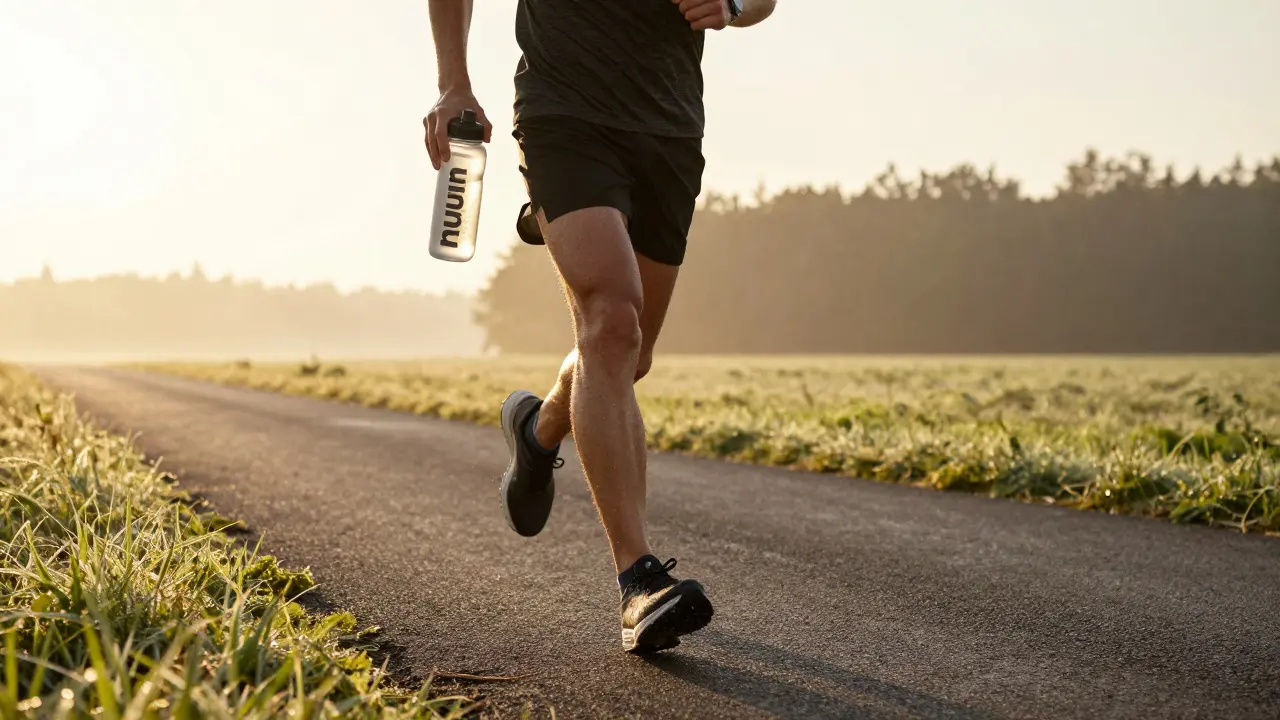
The best sports drink isn't one brand - it's the one that matches your sweat, activity level, and goals. Learn what's really in Gatorade, Powerade, Nuun, and LMNT, and how to pick what works for you.
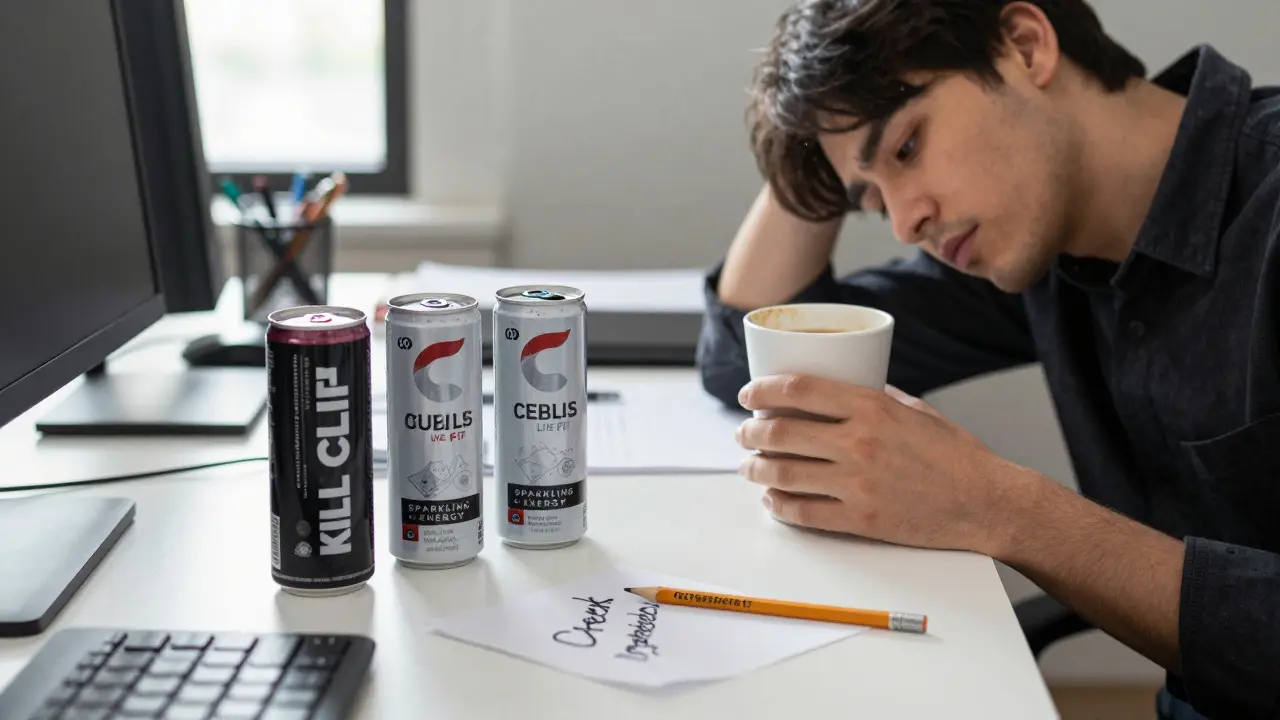
Not all low-calorie energy drinks are created equal. Learn which ones actually give you clean energy without sugar, artificial sweeteners, or hidden stimulants-and which ones to avoid for good.

If your heart is racing after an energy drink, you’re not alone. Learn how to calm it down fast with breathing, cold water, and rest-and how to prevent it from happening again.
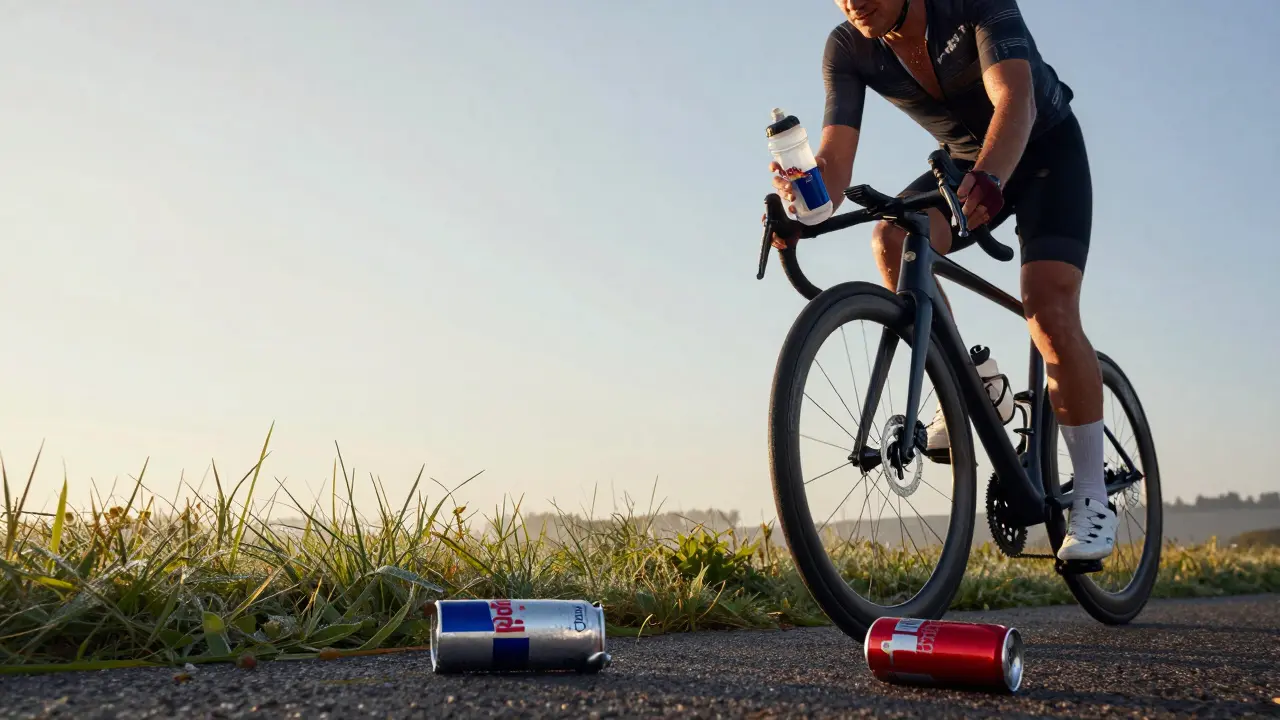
Red Bull isn't a true sports energy drink-it lacks electrolytes and hydration support. While caffeine gives a mental boost, sugar crashes hurt performance. Here's what athletes really need.
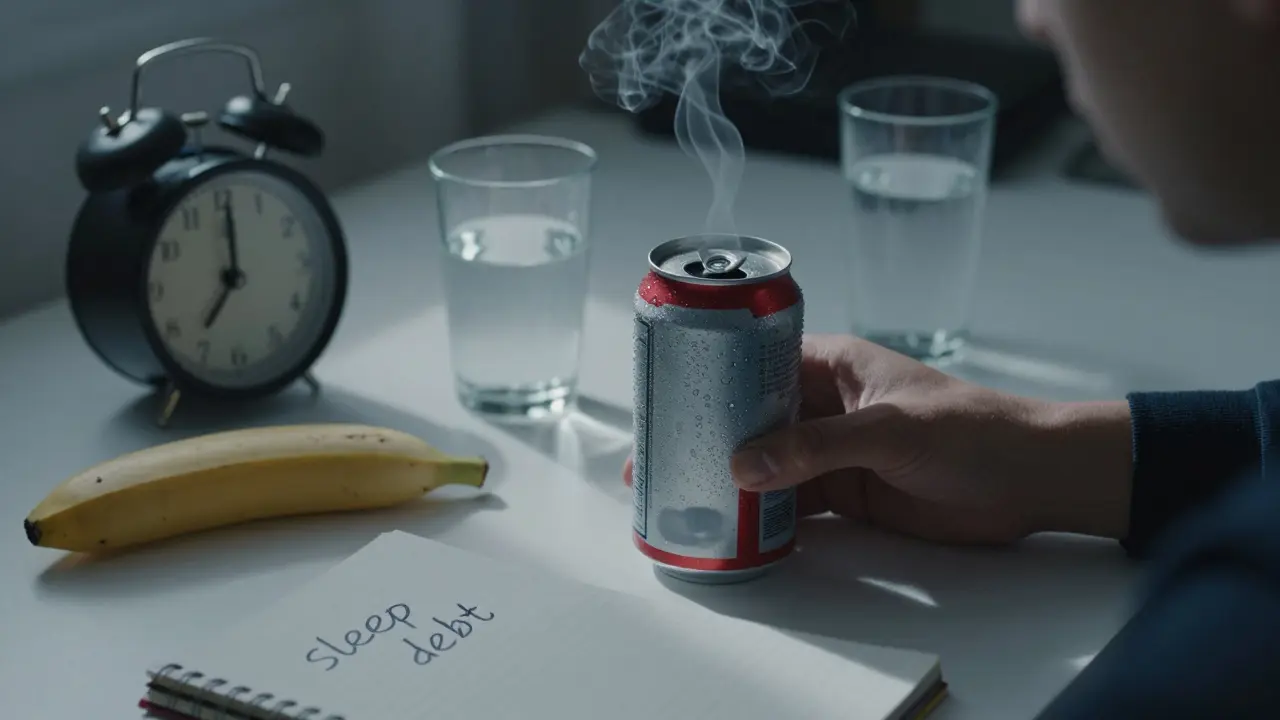
One energy drink a day might seem harmless, but it can spike blood pressure, disrupt sleep, and increase sugar intake. Here's what science says about daily consumption and safer alternatives.
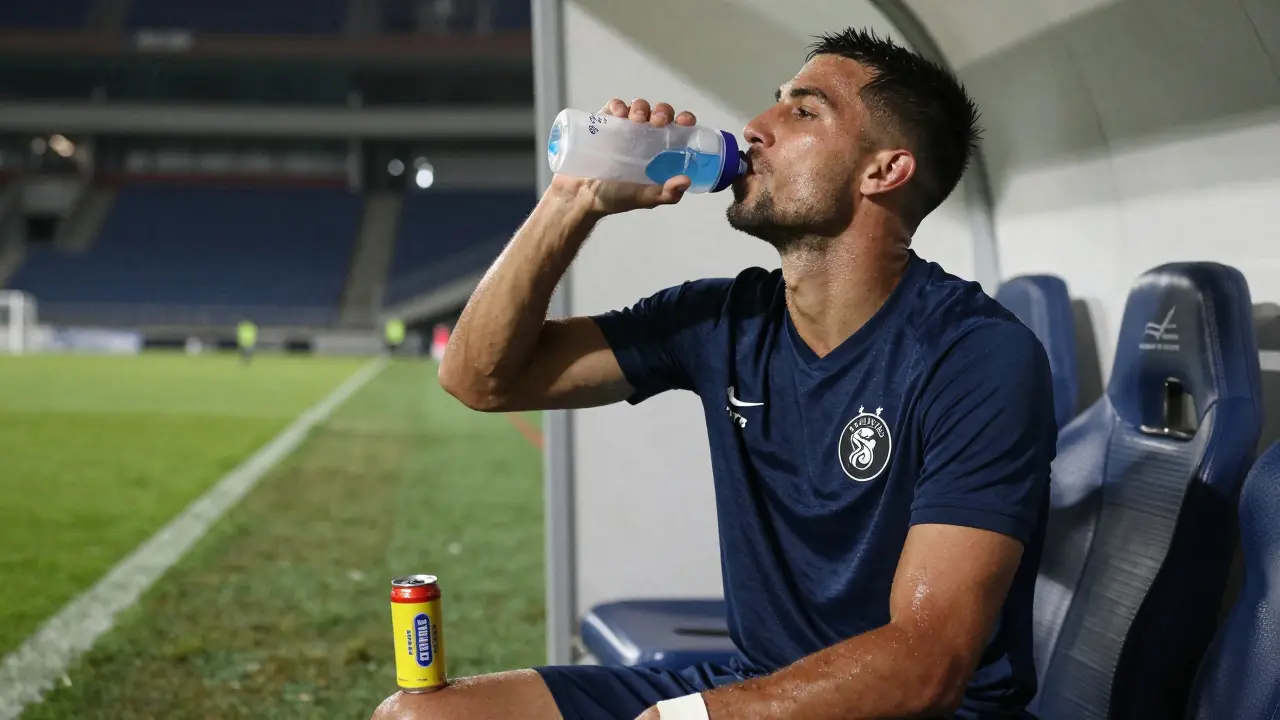
Most elite athletes avoid energy drinks due to high sugar, dehydration risks, and better alternatives. Learn what they actually drink for peak performance and recovery.

Discover natural, caffeine-free ways to boost energy without coffee. From matcha to beetroot juice and cold showers, learn what actually works to feel alert all day-without the crash.
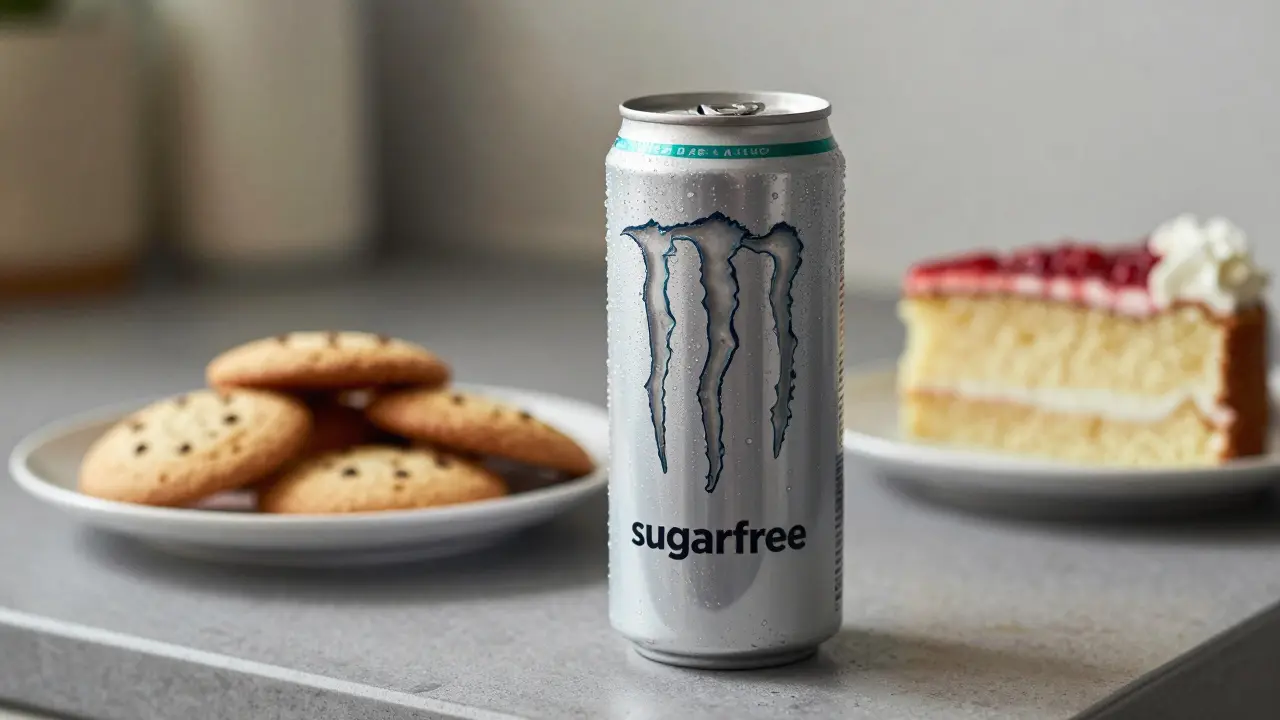
Zero-calorie energy drinks may have no sugar, but they can still lead to weight gain by disrupting metabolism, increasing cravings, and altering gut health. Here’s how and what to drink instead.
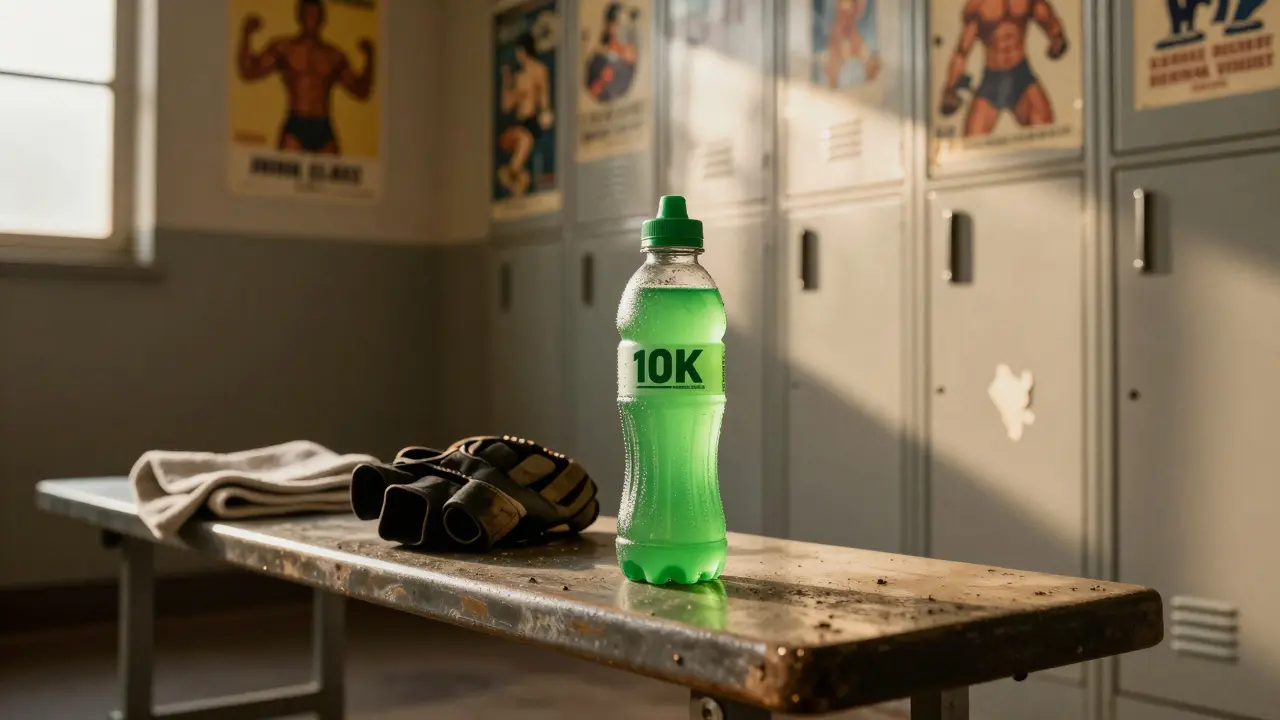
10K sports drinks vanished without warning in the mid-2000s, leaving athletes wondering what happened. This is the full story of its rise, fall, and surprising comeback.
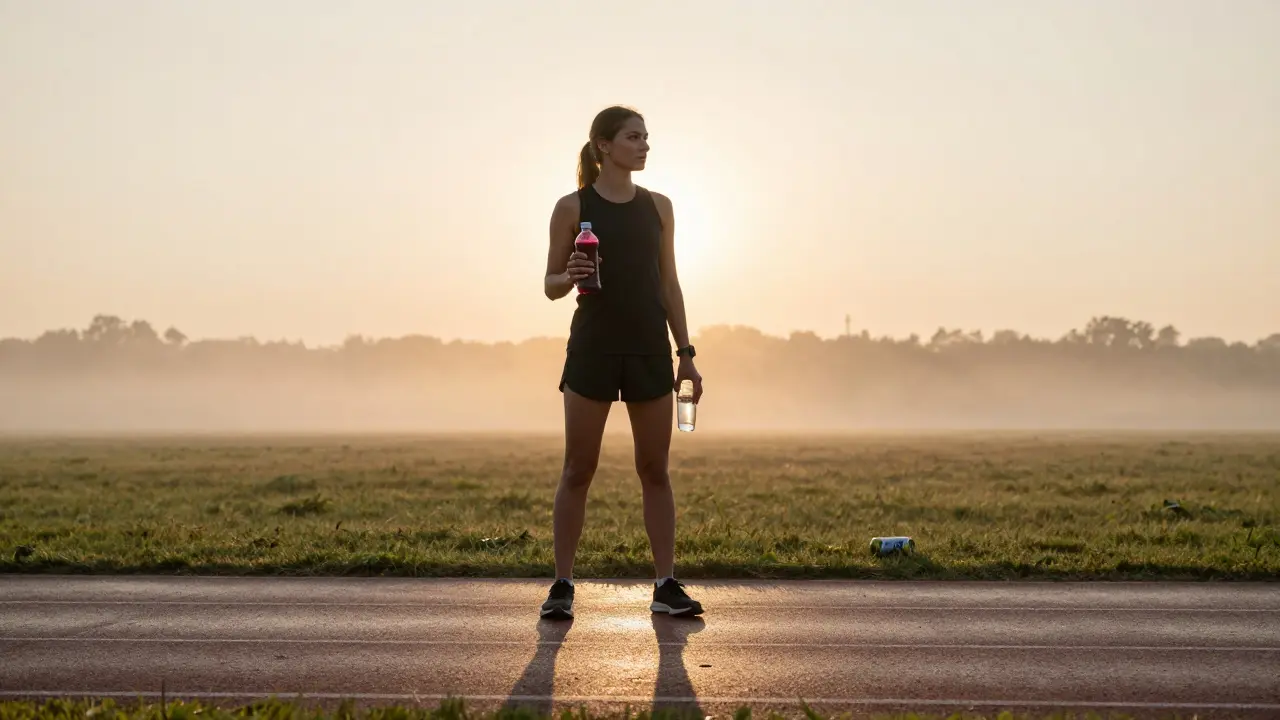
Caffeine may seem like a performance booster, but for athletes, it often disrupts sleep, dehydrates the body, increases injury risk, and hampers recovery. Learn why skipping caffeine can lead to better results.
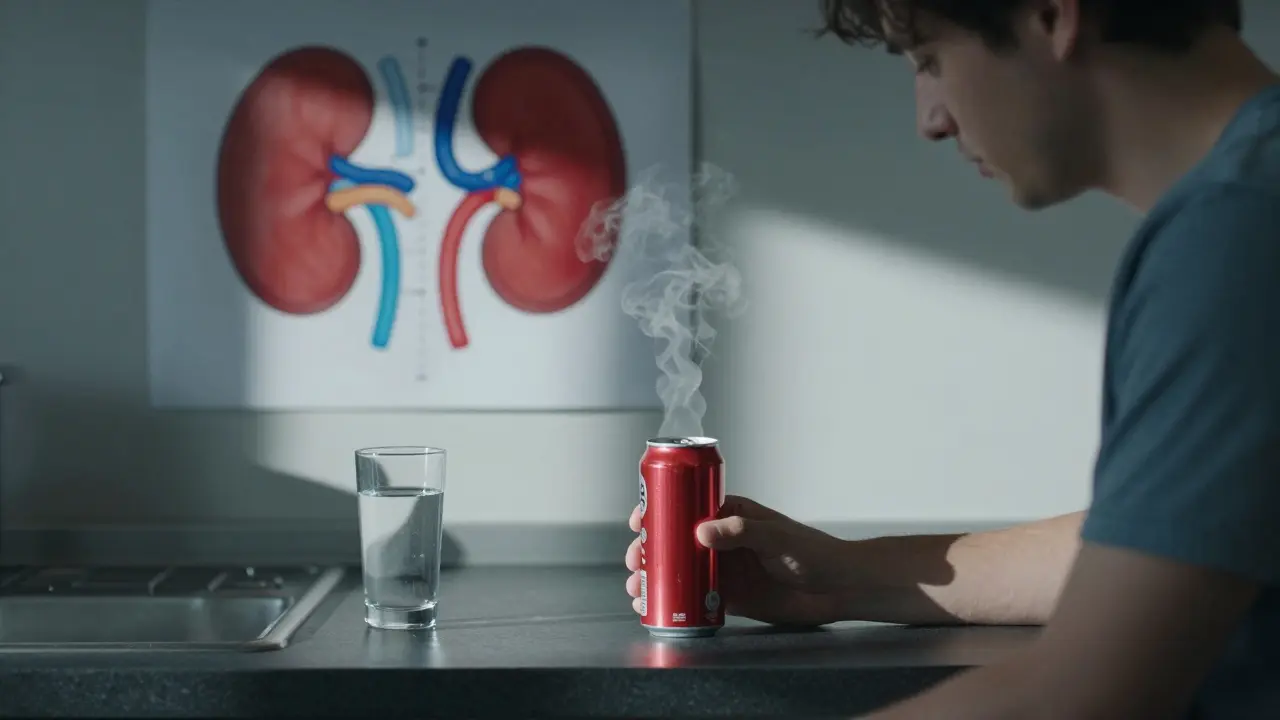
Energy drinks can stress your kidneys through caffeine, sugar, and dehydration. Regular use increases kidney stone risk and may cause long-term damage. Learn what science says and how to protect your kidneys.

Gatorade wasn't created by a corporation-it was invented by doctors working with the Florida Gators football team to stop players from collapsing in the heat. Here's the real story behind the world's first sports drink.