
Which sports drink brand is best for athletes and active people?
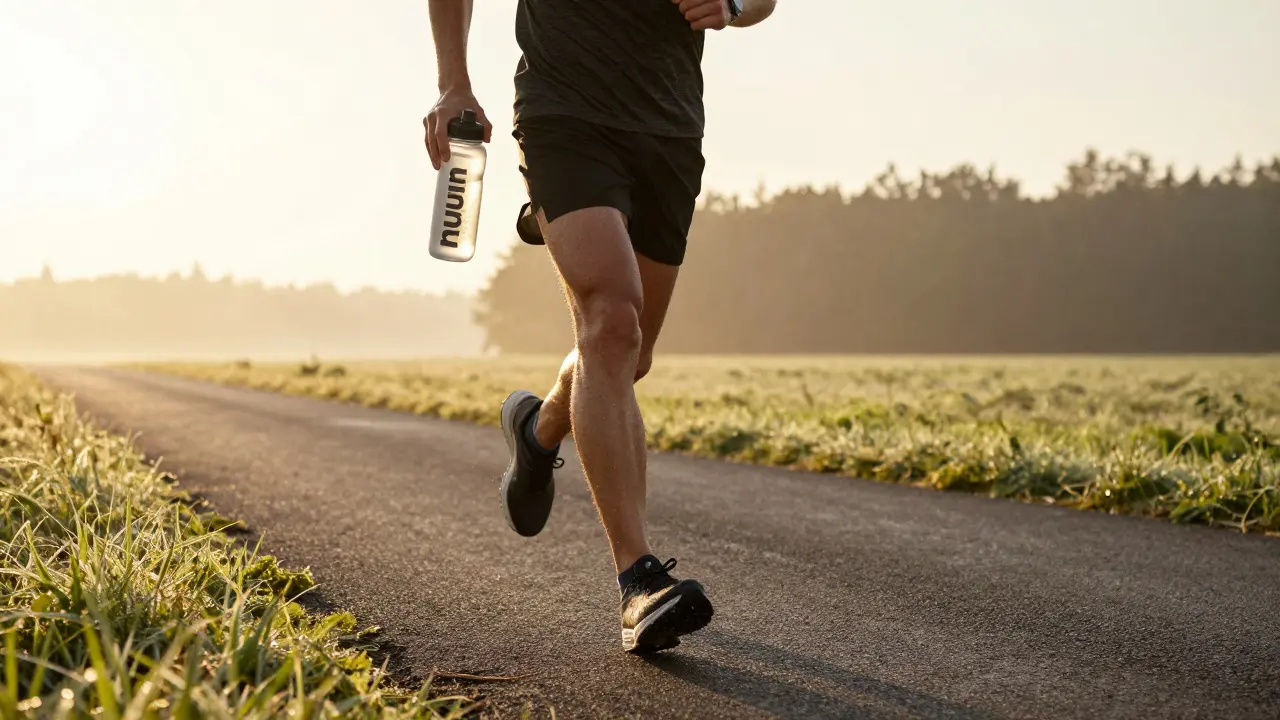
There’s no single "best" sports drink. The right one depends on how hard you work, how much you sweat, and what your body actually needs. Too many people grab whatever’s on sale or looks flashy on the shelf. But if you’re training hard, racing, or just trying to recover after a long day on your feet, choosing the wrong drink can leave you sluggish, crampy, or worse.
What makes a sports drink actually work?
A real sports drink isn’t just sugary water with food coloring. It’s a carefully balanced mix of water, electrolytes, and carbohydrates. The goal? Replace what you lose when you sweat and give your muscles fuel to keep going.
Sweat isn’t just water. It carries sodium, potassium, magnesium, and chloride - the electrolytes your nerves and muscles need to fire properly. Lose too many, and you risk cramps, dizziness, or even heat exhaustion. Meanwhile, your muscles burn glycogen during exercise. When that runs low, you hit the wall. That’s where carbs come in. A good sports drink gives you 30-60 grams of carbohydrates per hour - enough to keep energy steady without upsetting your stomach.
Not all drinks do this right. Some are just sugar bombs with a pinch of salt. Others skimp on electrolytes, thinking "natural" means less sodium. But if you’re sweating for more than 60 minutes, you need more than just water - and you need the right balance.
Top brands and what’s really in them
Let’s cut through the marketing. Here’s what’s actually in the most popular sports drinks, based on 2025 lab tests and manufacturer data.
| Brand | Sodium (mg) | Potassium (mg) | Carbs (g) | Sugar (g) | Artificial Colors? |
|---|---|---|---|---|---|
| Gatorade | 250 | 75 | 30 | 30 | Yes |
| Powerade | 200 | 45 | 34 | 34 | Yes |
| Nuun Sport | 300 | 100 | 11 | 11 | No |
| LMNT | 1,000 | 200 | 0 | 0 | No |
| Liquid I.V. | 500 | 150 | 11 | 11 | No |
Look at the numbers. Gatorade and Powerade are similar - high sugar, decent sodium, but loaded with artificial stuff. If you’re running a 5K or playing a weekend game, they’ll do the job. But if you’re training daily or in hot weather, the sugar overload might do more harm than good.
Nuun and Liquid I.V. are better for moderate activity. They have less sugar, clean ingredients, and solid electrolyte levels. They’re popular with cyclists, triathletes, and outdoor workers in Australia who need hydration without the crash.
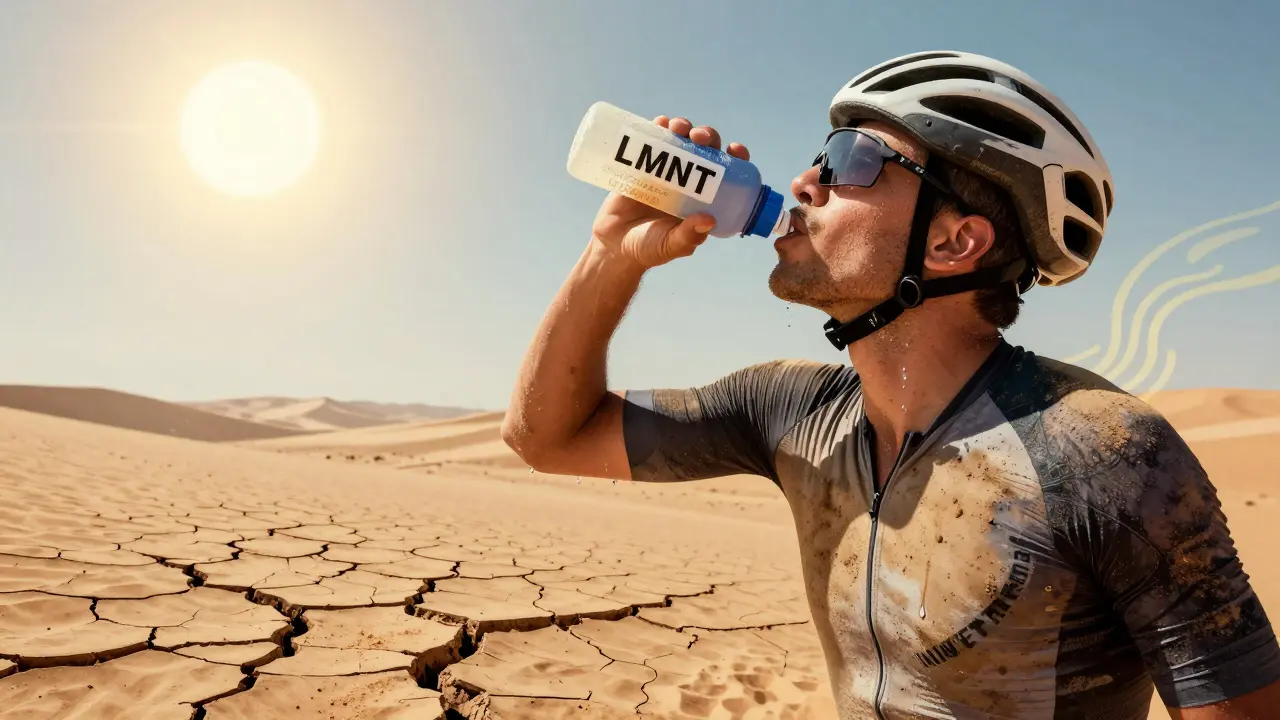
LMNT is the outlier. Zero sugar. 1,000mg of sodium. That’s more than three times what Gatorade offers. It’s not for casual runners. It’s for people who sweat buckets - endurance athletes, people working in 35°C heat, or those on low-carb diets who need to replace salt without carbs.
Who should drink what?
There’s no one-size-fits-all. Here’s how to pick based on your activity.
- For workouts under 60 minutes: Water is enough. A sports drink adds empty calories unless you’re sweating heavily. Even then, a pinch of salt in your water works better than a bottle of Gatorade.
- For 60-90 minutes of intense exercise: Go for Nuun or Liquid I.V. You get the electrolytes you need without a sugar spike. Your body will thank you later.
- For endurance events (2+ hours): Gatorade or Powerade still have a place. Your muscles need the quick carbs. But pair them with snacks like bananas or energy gels - don’t rely on the drink alone.
- For heavy sweating in heat: LMNT or similar high-sodium options are game-changers. I’ve seen people in Brisbane’s summer training sessions collapse from low sodium. They thought they were hydrated. They weren’t. Sodium keeps fluids where they need to be - in your blood, not on the ground.
- For recovery: Avoid sugary drinks. Instead, drink water with a pinch of salt and eat a banana or a handful of nuts. That’s better than any commercial product.
What to avoid
Not all drinks labeled "sports" are created equal. Watch out for:
- High-fructose corn syrup: Found in most big-brand drinks. It’s harder for your body to process than glucose and can cause bloating.
- Artificial sweeteners: Aspartame, sucralose - they’re in "zero sugar" versions. They might not add calories, but they can mess with your gut and cravings.
- Too much caffeine: Some drinks sneak in 100mg or more. That’s like a cup of coffee. Not ideal if you’re already stressed or sensitive.
- "Natural flavors": That’s a loophole. It could mean anything. If a brand doesn’t list actual ingredients like lemon juice or sea salt, be skeptical.
I’ve seen people switch from Gatorade to Nuun and notice a difference in recovery within a week. Less bloating. Fewer afternoon crashes. Better sleep. It’s not magic - it’s just less junk.
DIY option: Make your own
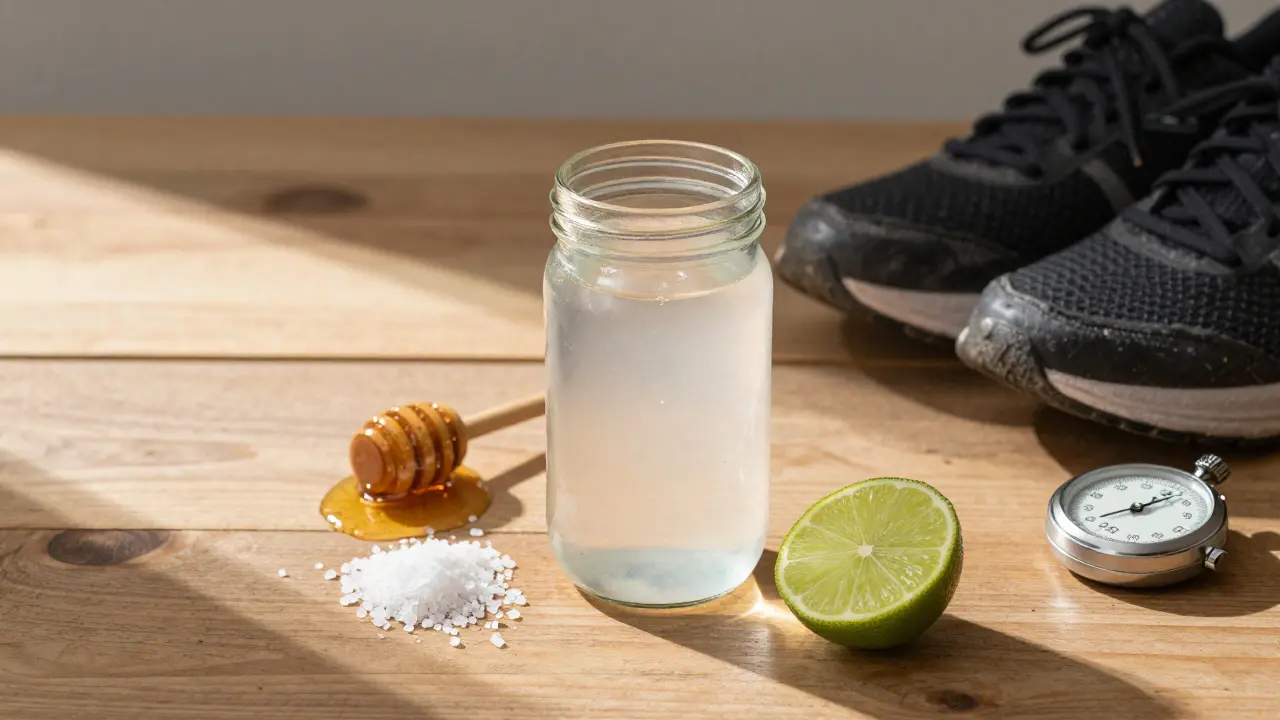
You don’t need to buy anything. A simple homemade drink works better than most store-bought ones.
Here’s what works:
- 500ml water
- 1/4 tsp sea salt (about 600mg sodium)
- 2 tbsp honey or maple syrup (about 20g carbs)
- Squeeze of lemon or lime (for taste and potassium)
Stir, chill, and drink. It’s cheaper, cleaner, and you control exactly what goes in. I’ve used this for weekend trail runs and even after long shifts in the Brisbane sun. No additives. No mystery ingredients. Just what your body actually needs.
Final verdict: It’s not about the brand - it’s about your needs
There’s no "best" sports drink. There’s only the best one for you.
If you’re a weekend warrior who plays soccer once a week, water and a snack afterward are fine. No need to spend $4 on a bottle.
If you’re training daily, racing, or working in heat, go for Nuun, Liquid I.V., or even LMNT if you sweat a lot. Skip the sugar bombs.
And if you want total control? Make your own. It’s the oldest trick in the book - and still the most effective.
Is Gatorade the best sports drink for athletes?
Gatorade works well for athletes doing high-intensity exercise lasting 90 minutes or more because it provides quick carbs and decent sodium. But it’s not the best for everyone. It’s high in sugar and artificial ingredients, making it a poor choice for light activity, recovery, or people watching their sugar intake. For many, cleaner options like Nuun or Liquid I.V. deliver better results without the crash.
Can I just drink water instead of a sports drink?
Yes - if your workout is under an hour and you’re not sweating excessively. For longer or hotter sessions, water alone won’t replace lost electrolytes. That’s when you need sodium and potassium. Drinking only water during intense exercise can even lead to hyponatremia - dangerously low sodium levels. Use sports drinks when you need them, not as a daily habit.
Are electrolyte tablets better than bottled drinks?
Tablets like Nuun or LMNT are often better because they’re lower in sugar, free of artificial colors, and let you control how much you use. You can dissolve one in a reusable bottle and carry it anywhere. Bottled drinks often come in single-use plastic and contain more sugar than you need. Tablets are more sustainable and more precise.
Do sports drinks help with muscle recovery?
They help a little - but only if you’ve done long, hard exercise. The carbs in sports drinks can refill muscle glycogen stores, and sodium helps retain fluids. But for recovery, you’re better off with water, a source of protein (like yogurt or eggs), and a banana. The sugar in most sports drinks doesn’t add real recovery value - it just adds calories.
Is there a sports drink with no sugar at all?
Yes - LMNT is one. It has zero sugar, zero carbs, and 1,000mg of sodium per packet. It’s designed for people on low-carb diets, endurance athletes who don’t need extra calories, or anyone who sweats heavily but wants to avoid sugar. Other brands offer "zero sugar" versions, but many use artificial sweeteners. LMNT uses natural flavors and no artificial ingredients.
What to do next
Stop guessing. Start tracking.
Next time you train hard, try this:
- Write down how long you exercised and how hot it was.
- Note how you felt during and after - any cramps, fatigue, or bloating?
- Try one of the alternatives above. Not for a week - just for one session.
- Compare how you feel.
That’s how you find your best drink. Not by reading ads. Not by following trends. By listening to your body.
Comments (11)
John Fox
31 Jan 2026
Been using Nuun for my morning runs and honestly never looked back. No sugar crash, no stomach issues, just clean hydration. Gatorade tastes like syrup and makes me feel sluggish after 20 minutes.
chioma okwara
1 Feb 2026
Ummmm soooooo… LMNT has 1000mg sodium?? Like… that’s not a sports drink that’s a saline IV with a marketing team. Who even *needs* that much sodium unless you’re a sodium-losing salt monster? And why is no one talking about the potassium-to-sodium ratio being off the charts? This isn’t science it’s a cult.
Christina Morgan
2 Feb 2026
Chioma’s right about the sodium levels - but let’s not villainize Gatorade. It’s not evil, it’s just overkill for most of us. I’ve seen runners collapse from hyponatremia because they drank too much water and no electrolytes. The key is matching the drink to the sweat. And yes, homemade is king. I make mine with sea salt, honey, and lime - costs 20 cents a bottle.
Bridget Kutsche
3 Feb 2026
I work in construction in Arizona and trust me - LMNT saved my life last summer. I was dizzy every afternoon until I switched. No sugar, no junk, just salt and electrolytes. My crew started using it too. We call it ‘desert armor.’ You don’t need carbs when you’re not running marathons - you need to not pass out.
Anuj Kumar
4 Feb 2026
This is all a scam. Big hydration is pushing these drinks so you buy more. Water is free. Salt is a dollar. Your body knows what it needs. Why are we trusting corporations over evolution? They put fake flavors in everything now. Even the lemon in Nuun is probably lab-made. I drink tap water and sweat it out. That’s real.
Nathan Pena
5 Feb 2026
Let’s be precise: the carbohydrate concentration in Gatorade (6%) is within the WHO-recommended range for optimal gastric emptying during endurance events. Nuun at 2.2% is suboptimal for glycogen replenishment beyond 90 minutes. The claim that ‘cleaner is better’ ignores biomechanical physiology. If you’re not hitting 60g/hr carbs during prolonged exertion, you’re not optimizing performance - you’re just avoiding sugar guilt.
Tasha Hernandez
6 Feb 2026
Oh my god I’m so mad. I used Gatorade for years and thought I was being healthy. Then I started getting these weird migraines and bloating like a balloon. I switched to Nuun and suddenly I could sleep without my face feeling swollen. I cried. Not because I’m dramatic - because I realized I’d been poisoning myself with corporate sugar syrup and I didn’t even know it. This post changed my life. Thank you.
Jack Gifford
7 Feb 2026
LMNT is wild but I get it. My buddy’s a firefighter - he does 12-hour shifts in 100-degree heat. He doesn’t need carbs, he needs to not die of low sodium. I tried it once after a 3-hour bike ride and felt like I’d been dipped in a salt bath. Weird but effective. Still wouldn’t use it for a 5K though.
Kathy Yip
9 Feb 2026
i just made my own with salt and honey and it was so good. i dont know why everyone makes it so complicated. also i think the table is wrong because liquid iv has more potassium than nuun but i might be reading it wrong. anyway i feel way better now and my dog even likes the taste. she licks my bottle.
Sarah Meadows
10 Feb 2026
Let’s be real - American-made sports drinks are engineered for performance. Nuun and LMNT? Made in China. Imported. You think they’re ‘clean’? They’re not tested the same way. If you want real science, stick with Gatorade. It’s got 40 years of NCAA and NFL research behind it. Don’t let some influencer with a lemon squeeze fool you.
Mike Marciniak
10 Feb 2026
They’re tracking your electrolyte intake through the bottles. That’s how they know when you’re dehydrated enough to buy more. The whole thing is a surveillance pyramid. They want you dependent. Water is free. Salt is free. Your body is not a vending machine.