
Why Is Sting Unhealthy? The Hidden Risks of This Popular Energy Drink
Sting is one of those energy drinks you see everywhere - at gas stations, convenience stores, and even in vending machines at gyms. It’s cheap, it’s colorful, and it promises a quick boost. But if you’re drinking it regularly, you’re not just chasing energy. You’re also swallowing a cocktail of sugar, caffeine, and additives that your body didn’t evolve to handle.
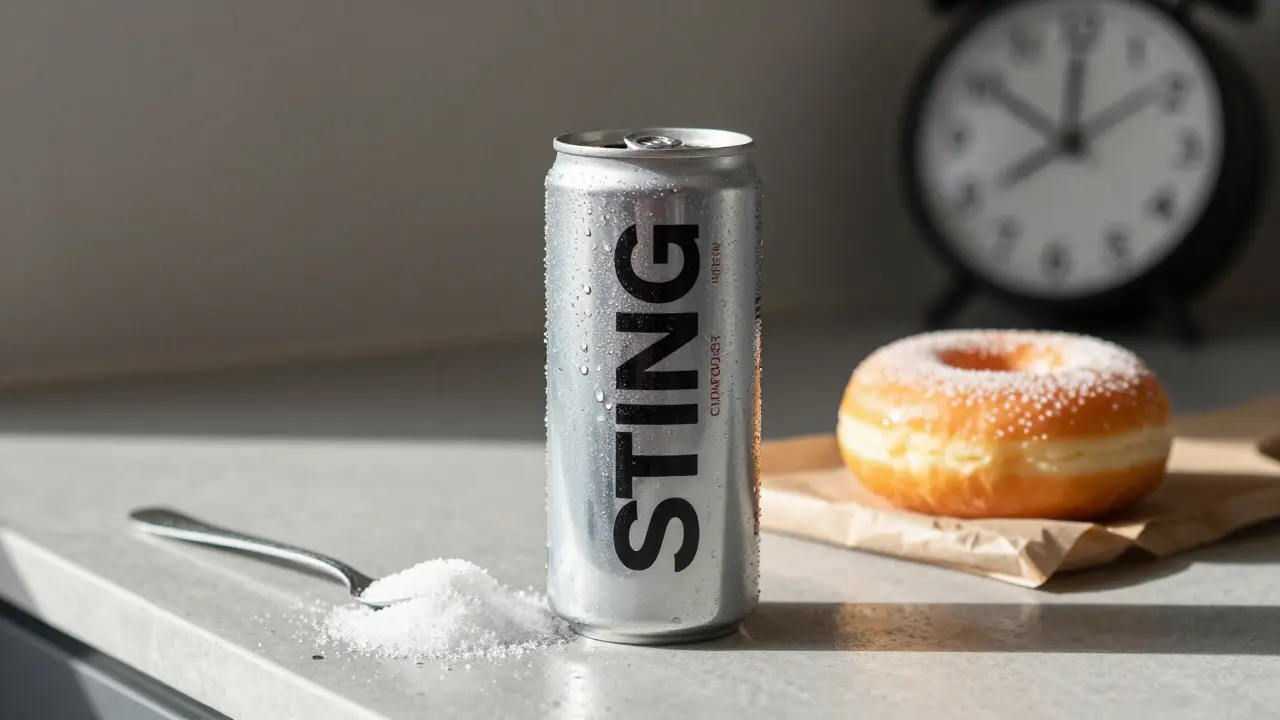
One Can of Sting Has More Sugar Than a Donut
A single 250ml can of Sting contains 27 grams of sugar. That’s nearly seven teaspoons. The World Health Organization recommends no more than 25 grams of added sugar per day for adults. One can of Sting already puts you over the limit - and you haven’t even had breakfast yet.
This isn’t just about weight gain. High sugar intake spikes your blood glucose, then crashes it. That crash is why you feel tired an hour later, which makes you reach for another can. It’s a cycle. Studies show that people who drink one or more sugar-sweetened beverages daily have a 26% higher risk of developing type 2 diabetes. Sting doesn’t list this on the label. It just says “taste of tropical fruit.”
Caffeine Levels Are Deceptively High
Sting packs 80mg of caffeine per can. That’s about the same as a cup of coffee. Sounds harmless, right? But here’s the catch: most people don’t stop at one. And they’re not just drinking Sting - they’re also drinking coffee, tea, or soda throughout the day. The American Academy of Pediatrics advises that adolescents should not exceed 100mg of caffeine daily. Adults shouldn’t go over 400mg. That’s five cans of Sting. Most people don’t track their total intake. They just feel jittery, anxious, or have heart palpitations and blame it on stress.
Sting doesn’t warn you about cumulative caffeine. It doesn’t say, “Don’t drink more than one per day.” It just says “energizing.” But caffeine affects your sleep, your digestion, and your heart rhythm. In 2023, the Australian Therapeutic Goods Administration flagged energy drinks like Sting as a growing concern for young adults with arrhythmias after heavy consumption.
It’s Loaded with Unnecessary Additives
Sting’s ingredient list reads like a chemistry textbook. Taurine? B vitamins? Glucuronolactone? These sound fancy, but they’re not magic. Taurine is an amino acid your body makes naturally. Glucuronolactone is a synthetic compound used in some industrial solvents - and yes, it’s approved for food use, but only in tiny amounts. There’s no solid evidence that these additives boost energy. They’re there because they’re cheap and make the label look “scientific.”
And then there’s the artificial colors and flavors. Yellow 5, Red 40, synthetic fruit flavors - these are linked to hyperactivity in children and may trigger allergic reactions in sensitive adults. The European Union requires warning labels on foods with these dyes. Australia doesn’t. So you’re drinking them without knowing the risk.
It’s Not for Athletes - Despite What the Marketing Says
Sting markets itself as a drink for “active lifestyles.” But athletes don’t need sugar bombs. They need hydration, electrolytes, and clean fuel. A 2022 study in the Journal of the International Society of Sports Nutrition found that athletes who replaced energy drinks with water and electrolyte solutions performed better and recovered faster. Sting’s high sugar content slows down fluid absorption. That means it actually hinders hydration - the exact opposite of what you want after a workout.
Even worse, mixing Sting with alcohol is common among teens and young adults. The caffeine masks how drunk you are. You feel awake, but your coordination, reaction time, and judgment are still impaired. Emergency rooms in Brisbane and Sydney report spikes in alcohol-related injuries during weekends when energy drink sales rise.
What Happens When You Quit?
People who stop drinking Sting often report feeling better within days. Headaches fade. Sleep improves. Mood stabilizes. Energy levels become more consistent - not because they’re getting a chemical boost, but because their body is finally regulating itself.
One 22-year-old student in Queensland told me she drank two Stings every morning to get through lectures. After quitting for two weeks, she didn’t just sleep better - she stopped zoning out in class. “I thought I needed it to focus,” she said. “Turns out, I needed it to feel normal.”
There Are Better Ways to Get Energy
You don’t need a sugary, caffeinated can to feel alert. Here’s what actually works:
- Drink water - even mild dehydration causes fatigue
- Get 7-8 hours of sleep - no supplement replaces this
- Eat protein and complex carbs - eggs, oats, nuts give steady energy
- Take a 10-minute walk - movement boosts blood flow and alertness
- Try green tea - it has caffeine and L-theanine, which smooths out the crash
Sting doesn’t give you energy. It tricks your body into burning through its reserves faster. Then it leaves you empty.
Who Should Avoid Sting Completely?
Some people should never touch it:
- Children and teens - their brains and hearts are still developing
- Pregnant women - caffeine crosses the placenta and can affect fetal heart rate
- People with heart conditions - caffeine can trigger arrhythmias
- Anyone taking stimulant medications - mixing with caffeine raises overdose risk
- People with anxiety disorders - caffeine worsens panic and jitteriness
If you’re one of these people, the risks aren’t theoretical. They’re documented. In 2024, the Australian Medical Association issued a statement urging health professionals to screen patients for energy drink use - especially those presenting with palpitations, insomnia, or unexplained anxiety.
Is There a Safe Way to Drink Sting?
Technically, yes - if you drink one can once a month and don’t have any underlying health issues. But that’s not why people buy it. They drink it daily. They drink it because they’re tired. And that’s the problem.
Sting doesn’t fix tiredness. It covers it up. Like putting tape over a leaky pipe. The water keeps flowing - but the damage builds under the surface.
Real energy comes from rest, food, movement, and hydration. Not from a brightly colored can with a tiger on it.
Is Sting worse than Red Bull?
Sting and Red Bull are very similar in sugar and caffeine content - both have about 27g sugar and 80mg caffeine per 250ml can. Red Bull has slightly more B vitamins, but neither offers meaningful health benefits. Neither is a better choice. Both are high-sugar, high-caffeine beverages with no nutritional value.
Does Sting have alcohol in it?
No, Sting does not contain alcohol. But it’s often mixed with alcohol by consumers, especially young adults. This combination is dangerous because the caffeine masks how intoxicated you are, leading to higher alcohol consumption and increased risk of accidents or alcohol poisoning.
Can Sting cause heart problems?
Yes. Multiple case reports in medical journals link heavy energy drink consumption - including Sting - to irregular heart rhythms, high blood pressure, and even heart attacks in otherwise healthy young people. The combination of caffeine, sugar, and stimulants overloads the cardiovascular system. The risk increases with frequency of use.
Is the sugar in Sting natural?
No. The sugar in Sting is added refined sugar - typically sucrose or high-fructose corn syrup. It’s not from fruit juice or honey. The “tropical fruit flavor” is artificial. The label may say “contains fruit juice concentrate,” but that’s often less than 1% of the total volume. The rest is pure sugar.
What are healthier alternatives to Sting?
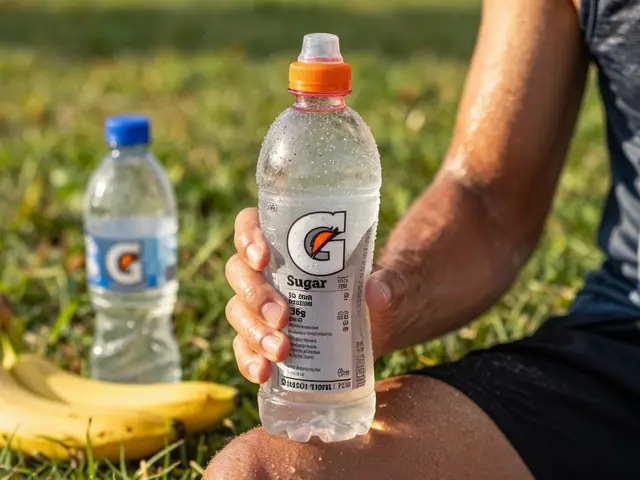
For a quick pick-me-up, try sparkling water with a splash of lime, green tea, or black coffee without sugar. For sustained energy, focus on whole foods: bananas, nuts, yogurt, and oats. If you need electrolytes after exercise, choose an unsweetened sports drink or make your own with water, a pinch of salt, and a squeeze of orange.
Comments (12)
Sara Escanciano
29 Dec 2025
This is exactly why public health policy needs to treat energy drinks like tobacco. No warning labels, no age restrictions, just a neon can sitting next to candy bars like it's harmless. Kids are drinking this for breakfast and wondering why they can't focus. The corporations know exactly what they're doing.
Elmer Burgos
30 Dec 2025
Man I used to chug these after gym. Thought I was being smart. Turns out I was just training my body to need sugar and caffeine to function. Quit cold turkey last year and my anxiety dropped like a rock. No more 3pm crashes. Just quiet energy. Wish I knew this sooner.
Jason Townsend
31 Dec 2025
They put glucuronolactone in it because it's a solvent used in paint stripping. That's not a coincidence. The same people who make your soda also make your cleaning supplies. They don't care if you live or die as long as you keep buying
Antwan Holder
1 Jan 2026
Every time I see one of these cans I think of the soul being slowly drained. It's not just sugar and caffeine. It's a spiritual theft. You're trading your natural rhythm for a synthetic pulse. The tiger on the can? That's not energy. That's the ghost of your vitality screaming as it gets swallowed whole. You don't need a boost. You need to remember you're alive without chemical crutches.
adam smith
1 Jan 2026
It is not recommended to consume this product on a regular basis.
michael Melanson
2 Jan 2026
My brother was hospitalized last year after drinking three Stings and an energy shot in one day. They thought it was a heart attack. Turns out it was just caffeine toxicity. He's 19. He didn't even know he was in danger. This stuff is a silent killer.
lucia burton
2 Jan 2026
Let's reframe this: Sting is not an energy drink. It's a neurochemical disruption device designed to exploit dopamine pathways and create dependency. The marketing is a masterclass in behavioral engineering-tropical fruit imagery, aggressive branding, placement at checkout counters. It's engineered for addiction, not performance. Your body isn't malfunctioning. It's being manipulated.
Denise Young
3 Jan 2026
Oh wow, you mean that neon orange can that my roommate chugs like water isn't actually giving her 'energy'? Who knew? Next you'll tell me that eating a whole bag of gummy bears won't make me a better person. Shocking. I'll just keep drinking my kombucha and pretending I'm not addicted to caffeine.
Sam Rittenhouse
5 Jan 2026
I used to drink two a day. Then I started having panic attacks at 2pm. No one told me caffeine could do that. I thought I was just stressed. I quit cold turkey. First week was hell-headaches, fatigue, irritability. But by week three? I slept through the night. My brain didn't feel like a frayed wire. I didn't need the can to feel human anymore. It's not about willpower. It's about recognizing when something is poisoning your baseline.
Peter Reynolds
5 Jan 2026
Interesting points. I used to drink these all the time. Now I just drink water. I feel better. That's all I need to know.
Fred Edwords
5 Jan 2026
According to the World Health Organization's 2023 guidelines on added sugar intake, a single 250ml serving of Sting exceeds the recommended daily limit by 8%. Additionally, the cumulative caffeine intake from multiple sources-coffee, tea, chocolate, and other beverages-often goes unaccounted for, leading to potential cardiovascular strain. The inclusion of artificial colorants such as FD&C Yellow No. 5 and Red No. 40 has been associated with behavioral changes in sensitive populations, as documented in peer-reviewed literature from the Journal of Pediatrics (2022). Therefore, it is prudent to avoid habitual consumption.
Adrienne Temple
7 Jan 2026
I gave up Sting after my 8-year-old asked why I always looked so wired. I didn't have a good answer. Now we drink sparkling water with lemon. She thinks it's 'fancy.' I think it's the first real win I've had in years. 🙏