
Do Athletes Actually Drink Energy Drinks? The Real Story Behind the Cans
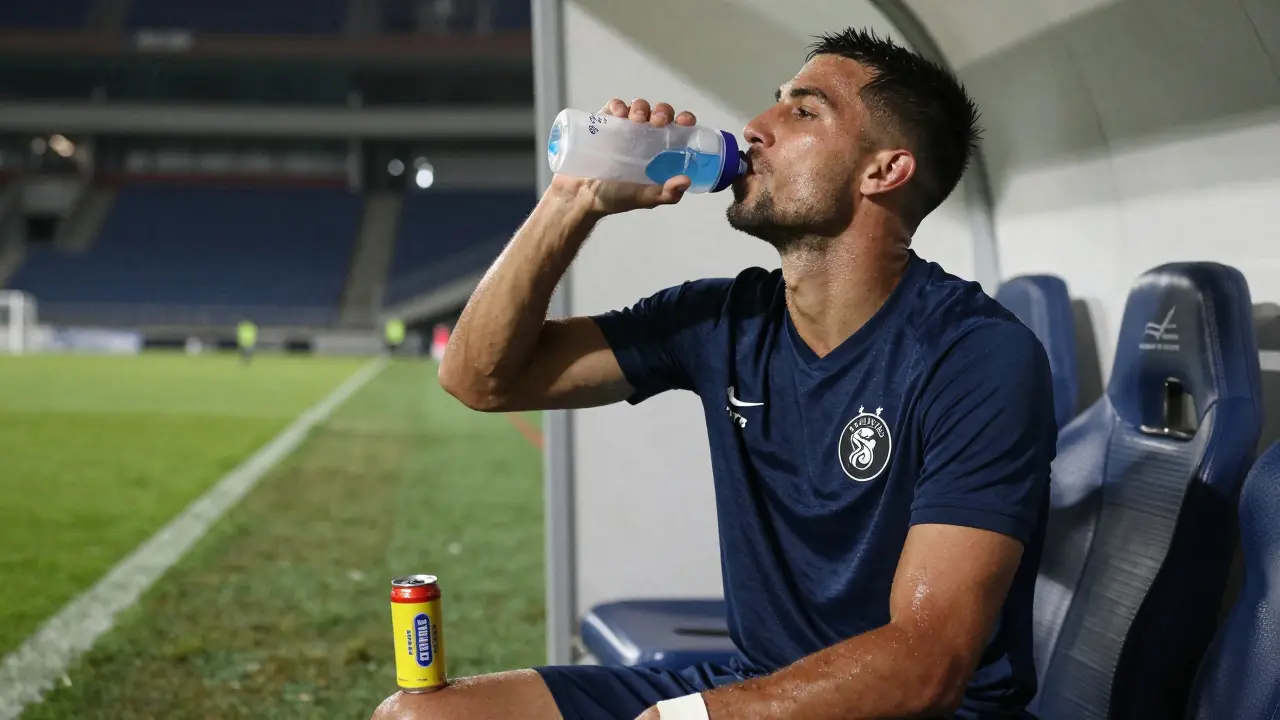
Ever watch a pro athlete crack open an energy drink right before a game? It looks like a ritual - like they’re loading up on liquid power. But here’s the truth: most elite athletes don’t drink energy drinks at all. Not during competition. Not even in training. And the ones who do? They’re usually not the ones you see on TV.
What’s Actually in Those Cans?
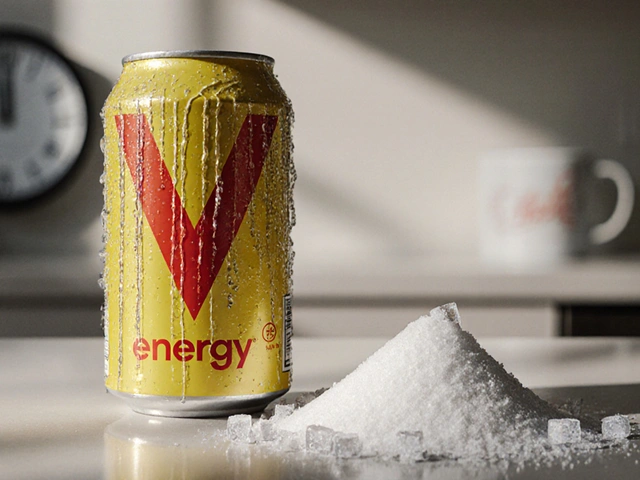
Energy drinks aren’t just sugary soda with a fancy label. A typical 250ml can contains around 80mg of caffeine - that’s about the same as a strong cup of coffee - plus 27g of sugar, taurine, B-vitamins, and sometimes guarana or ginseng. The sugar alone is more than half the daily limit the World Health Organization recommends for adults. For athletes training for hours, that sugar spike might feel good at first. But it crashes hard. And when it does, your focus drops, your muscles feel sluggish, and your recovery slows.Why Do Athletes Avoid Them?
Professional teams have nutritionists on staff for a reason. In the NFL, NBA, and Premier League, energy drinks are rarely on the menu. Why? Because they’re not optimized for performance - they’re optimized for marketing. Take hydration, for example. Sweat during a 90-minute soccer match can cost you 1.5 to 2 liters of fluid. Energy drinks? They’re diuretics. Caffeine pulls water out of your body. So instead of rehydrating, you’re losing more. That’s why sports teams rely on electrolyte solutions with sodium, potassium, and glucose - not caffeine bombs. Even caffeine, when used properly, is dosed carefully. Studies from the International Society of Sports Nutrition show that 3-6mg of caffeine per kilogram of body weight improves endurance and reaction time. For a 70kg athlete, that’s 210-420mg. That’s three or four cans of Red Bull. But you don’t get that from a can. You get it from caffeine pills, gels, or coffee - controlled, precise, and without the sugar crash.The Sugar Problem
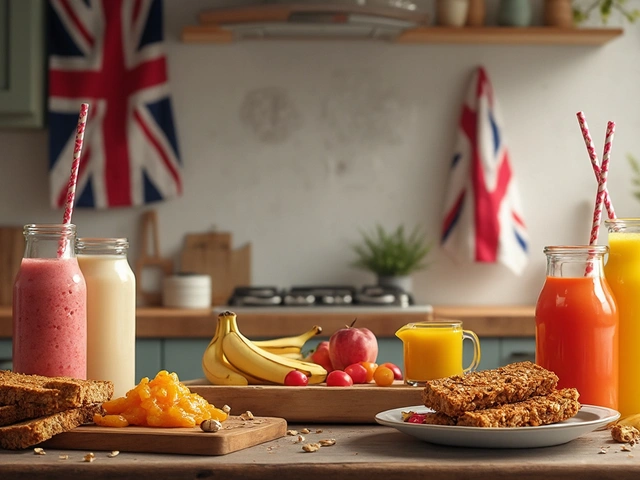
That 27g of sugar in one can? It’s not just empty calories. It triggers insulin spikes, which can lead to muscle fatigue and delayed recovery. After intense training, your body needs glycogen replenishment - not a sugar rush followed by a crash. Real athletes get carbs from bananas, rice cakes, oatmeal, or sports gels with a 3:1 or 4:1 glucose-to-fructose ratio. These are absorbed faster, cause less gut distress, and don’t spike blood sugar like energy drinks do. A 2023 study from the University of Queensland tracked 120 elite Australian athletes over six months. Those who avoided energy drinks reported 32% fewer episodes of mid-training fatigue and 28% faster recovery times. The difference wasn’t magic. It was just better fuel.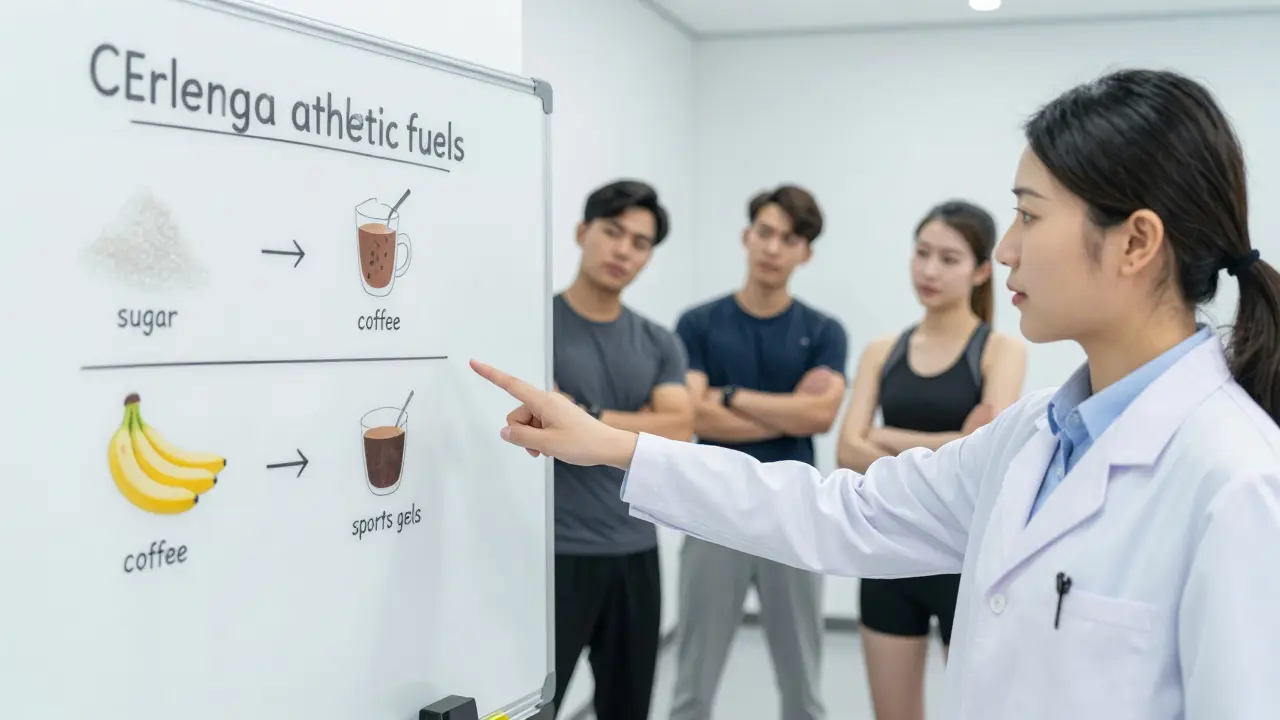
Who’s Actually Drinking Them?
If pros aren’t drinking them, who is? Mostly young athletes - high schoolers, college players, weekend warriors - who see influencers chugging cans on TikTok and think it’s the secret to getting faster or stronger. They’re not wrong to want energy. But they’re misled. I’ve talked to coaches at Brisbane high schools. One told me his team used to hand out free energy drinks after games. Then they switched to water, electrolyte tablets, and fruit. Within a season, injury rates dropped. Sprint times improved. The kids stopped crashing after practice. There’s also the issue of mixing energy drinks with alcohol - common among college athletes after games. That combo is dangerous. It masks how drunk you are, increases heart strain, and can trigger arrhythmias. The Australian Institute of Sport banned it outright in 2024 for all sanctioned athletes.What Do Athletes Actually Drink?
Here’s what real athletes use:- Water - the baseline for every training session
- Electrolyte solutions - like Nuun, Liquid I.V., or homemade mixes with salt, lemon, and a touch of honey
- Coffee - 1-2 cups 30-60 minutes before training, no sugar, no cream
- Sports gels - for endurance events, with precise carbs and caffeine
- Coconut water - natural potassium, low sugar, no additives
- Chocolate milk - post-workout recovery drink with protein and carbs
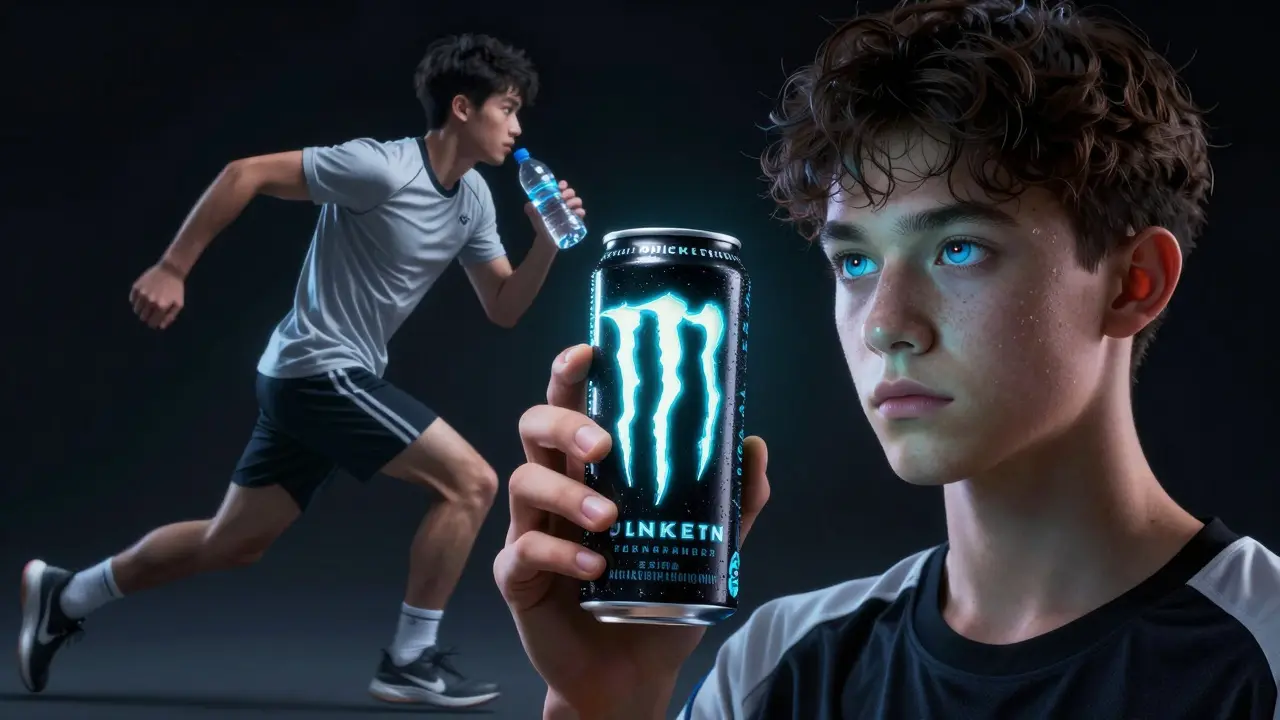
Some endurance athletes use caffeine gels during races - but they’re carefully timed. One gel = 100mg caffeine. That’s less than half a can of Monster. And no sugar overload.
The Marketing Myth
Energy drink companies sponsor athletes. But that doesn’t mean those athletes drink the product. Most sponsorship deals are for branding - not consumption. You’ll see a cyclist with a Red Bull logo on their jersey. But in the feed, they’re sipping from a water bottle with a filter. The company pays for visibility. They don’t care if you actually drink it. In 2025, the Australian Competition and Consumer Commission fined two energy drink brands $2.3 million for misleading claims that their products “enhance athletic performance.” The evidence? No peer-reviewed studies showed performance gains from the drinks themselves - only from the caffeine, which can be gotten safer and cheaper elsewhere.When Might an Athlete Drink One?
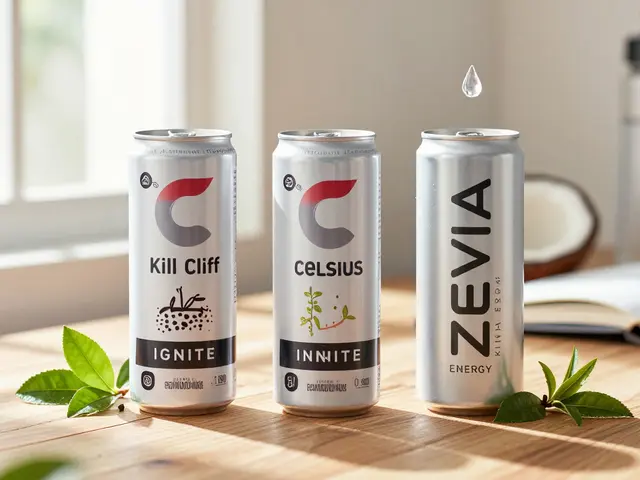
There’s one scenario where it might make sense: a college student pulling an all-nighter before a morning game, with no time for coffee or a proper meal. Even then, it’s a band-aid - not a strategy. Or, in rare cases, a bodybuilder prepping for a show might use a low-sugar energy drink for the stimulant effect before a photoshoot. But even then, they’re choosing brands like Celsius or REIZE - with under 10g of sugar and 200mg caffeine - not the sugary stuff on the convenience store shelf.What Should You Do?
If you’re an athlete - amateur or pro - and you’re thinking about energy drinks:- Ask yourself: Am I drinking this for energy, or because I think I’m supposed to?
- Check the label. If it has more than 10g of sugar per 100ml, put it back.
- Try coffee or electrolytes first. They work better and cost less.
- If you need caffeine, get it in pill or gel form. You control the dose.
- Never mix energy drinks with alcohol - ever.
Performance doesn’t come from cans. It comes from sleep, nutrition, hydration, and smart training. Energy drinks might give you a quick buzz. But they steal from your recovery, your focus, and your long-term health.
Real strength? It’s built in the gym, on the track, and in the kitchen - not from a plastic bottle with a neon logo.
Do professional athletes drink energy drinks during games?
No, most professional athletes avoid energy drinks during games. The high sugar and caffeine content can cause dehydration, energy crashes, and digestive issues. Teams use electrolyte drinks, water, and controlled caffeine sources like gels or coffee instead.
Are energy drinks bad for athletes?
For regular training and competition, yes. The high sugar content slows recovery, and caffeine acts as a diuretic, worsening dehydration. Studies show athletes who avoid them report better endurance, fewer crashes, and faster recovery times.
Can energy drinks improve athletic performance?
Only the caffeine in them might help - and even then, only in controlled doses (3-6mg per kg of body weight). But you get that more safely from coffee, gels, or pills - without the sugar, artificial flavors, or unnecessary additives.
What’s the best drink for athletes before a workout?
Water with a pinch of salt and a squeeze of lemon. Or a small cup of black coffee 30-60 minutes before. For longer sessions, add a low-sugar electrolyte drink. Avoid anything with more than 10g of sugar per serving.
Why do energy drink companies sponsor athletes if they don’t drink them?
Sponsorships are about branding, not consumption. Companies pay athletes to wear logos and post photos - not to drink the product. The goal is to influence young fans, not to support real performance.
Are low-sugar energy drinks better for athletes?
They’re better than regular ones - but still not ideal. Even low-sugar versions often contain artificial sweeteners, excessive caffeine, and unregulated stimulants. For athletes, water, coffee, and electrolytes remain the gold standard.
Comments (13)
kelvin kind
27 Jan 2026
Been there. Used to chug Red Bull before soccer practice. Ended up crashing harder than my sprint times.
lucia burton
28 Jan 2026
The data is unequivocal: energy drinks introduce a metabolic liability that directly contradicts the physiological demands of high-intensity athletic performance. The 27g of sucrose and high-fructose corn syrup induce rapid insulin spikes, which suppress fat oxidation and impair glycogen resynthesis during the critical 30-60 minute post-exercise window. Furthermore, the diuretic effect of caffeine elevates urinary output, exacerbating fluid loss already incurred through sweat electrolyte depletion. Elite sports nutrition protocols prioritize osmolality-balanced solutions with sodium-to-potassium ratios of approximately 2:1, precisely calibrated to optimize intracellular hydration and neuromuscular conductivity - not artificial stimulant cocktails designed for marketing virality, not physiological efficacy.
Fred Edwords
30 Jan 2026
Exactly. And let’s not forget: the caffeine content in most energy drinks is unregulated, inconsistent, and often mislabeled. One study from the Journal of the International Society of Sports Nutrition found that 40% of energy drinks contained 20% more caffeine than stated on the label. That’s not just irresponsible-it’s dangerous. Athletes who rely on precise dosing for performance (say, 5mg/kg) end up accidentally overdosing, which can lead to tachycardia, anxiety, and even arrhythmias. Coffee? You know exactly how much caffeine you’re getting. Pills? Even better. Energy drinks? Just a gamble with your heart rate.
Sarah McWhirter
30 Jan 2026
Wait… so you’re telling me the entire energy drink industry is just a giant psyop to get kids addicted to sugar and caffeine so they’ll keep buying… and then when they burn out at 25, they’ll start buying ‘anti-aging’ supplements? And the athletes you see drinking them? They’re all paid actors. The real ones are sipping coconut water in the locker room, smiling politely while the camera zooms in on the neon can. I knew it. I knew it all along. They’re not selling performance-they’re selling dependence. And the FDA? They’re in on it. Why else would they let these things be sold next to candy bars in every gas station? It’s a slow poison, and they’re calling it ‘fuel’.
Ananya Sharma
1 Feb 2026
You say ‘most elite athletes’ avoid them-but you don’t cite the actual percentage. Is it 70%? 90%? 99%? You cite a 2023 Australian study, but where’s the sample size breakdown? Were these athletes from the same sport? Were they male or female? Were they under 21? You cherry-pick data to fit a narrative. Meanwhile, countless collegiate athletes in the NCAA report improved focus and endurance after using energy drinks during back-to-back tournaments. You ignore the anecdotal evidence because it doesn’t fit your ‘clean lifestyle’ agenda. And don’t even get me started on the ‘chocolate milk is recovery’ myth-have you ever tried drinking that after a 2-hour HIIT session? It’s disgusting. And expensive. A can of Monster costs less than a carton of organic dairy.
Ian Cassidy
2 Feb 2026
Yeah, I used to drink Monster before lifting. Then I switched to black coffee. Same energy, no crash, no stomach issues. And it’s like 50 cents a cup. Why pay $4 for sugar water with a logo?
Zach Beggs
3 Feb 2026
Interesting read. I’ve always wondered why my teammate always had that Red Bull in his gym bag. Now I get it-he’s not using it for performance. He’s using it to feel like he’s doing something ‘pro’.
Kenny Stockman
4 Feb 2026
As a coach, I’ve seen this play out a hundred times. Kids think they need the hype drink to be ‘ready.’ But real readiness? It’s sleep. It’s protein. It’s water. I had my high school team switch from energy drinks to water + electrolyte tabs. Within two weeks, their sprint times improved and nobody was napping in the locker room after practice. The kids didn’t miss the sugar-they missed the myth.
Antonio Hunter
5 Feb 2026
It’s worth noting that the cultural perception of energy drinks as performance-enhancing is deeply tied to generational marketing. Millennials and Gen Z grew up seeing athletes endorsed by these brands, creating a cognitive association between the product and elite performance. But correlation is not causation. The athletes aren’t winning because they drink Red Bull-they’re winning despite it. And when you remove the branding and look at the actual physiological outcomes, the data is overwhelmingly clear: the cost-benefit ratio is negative. The real performance enhancers-sleep, hydration, micronutrient timing-are free, natural, and sustainable. The can? It’s a crutch disguised as a tool.
Paritosh Bhagat
7 Feb 2026
Oh, so now you’re the nutrition police? Who died and made you the gatekeeper of what athletes can drink? I’ve seen college athletes crush their PRs after a Monster, and you just call it ‘sugar crash’? You’re ignoring the psychological boost-the confidence, the adrenaline, the ritual. Not every performance metric is measured in blood glucose levels. Sometimes, it’s about feeling like a warrior. And if a can of Red Bull helps a kid believe they can win, who are you to take that away? Besides, you didn’t even mention that some of these drinks contain B-vitamins and taurine, which do have documented effects on neural efficiency. You just hate them because they’re popular. That’s not science-that’s elitism.
Ben De Keersmaecker
8 Feb 2026
As someone who grew up in Ireland where tea and coffee are cultural staples, it’s fascinating how American sports culture absorbed this manufactured energy ritual. In Europe, even professional cyclists use coffee or caffeine gels-never sugary soda. The fact that this is even a debate says more about corporate influence than athletic science. Also, the $2.3M fine by the ACCC? That’s the tip of the iceberg. The real issue is that these brands target minors with bright colors and influencer endorsements. It’s predatory. And nobody’s talking about that.
Aaron Elliott
10 Feb 2026
While your assertions are largely empirically grounded, the rhetorical structure of this exposition suffers from an overreliance on anecdotal generalization and an underdeveloped engagement with counterfactuals in sports physiology. One must acknowledge the placebo effect as a legitimate variable in performance enhancement, particularly in high-stakes competitive environments where psychological readiness is quantifiably correlated with physiological output. Furthermore, your dismissal of the entire category of energy drinks neglects the potential for novel formulations-such as those incorporating adaptogenic compounds or sustained-release caffeine matrices-that may yet yield clinically significant advantages. Until such formulations are rigorously peer-reviewed and subjected to double-blind, randomized controlled trials, however, your position remains plausible-but not definitive.
Chris Heffron
10 Feb 2026
Love this. Coffee before training, electrolytes after. Simple. Works. No neon cans needed. 😊