
Is One Energy Drink a Day OK? What Doctors and Science Say
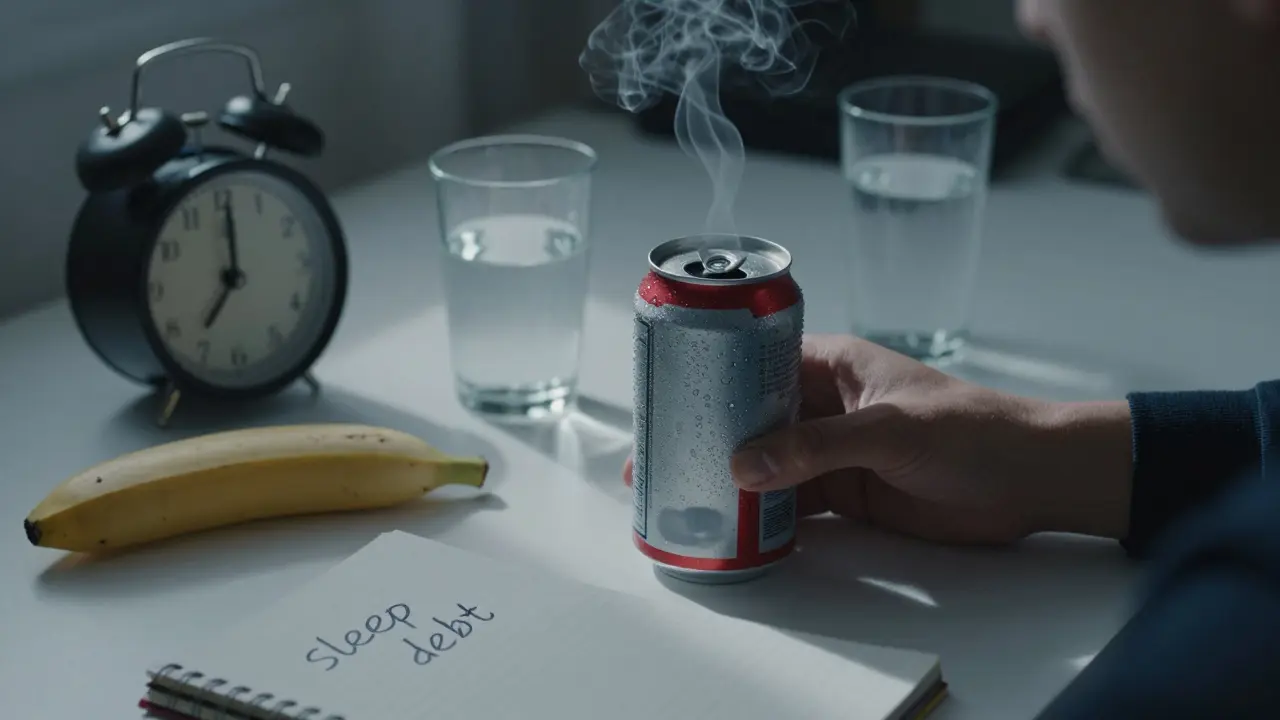
Drinking one energy drink a day feels harmless-maybe even normal. You’re not alone. Millions do it: before work, after the gym, during late-night study sessions. But just because it’s common doesn’t mean it’s safe. The truth is, even one daily energy drink can quietly damage your health in ways you won’t notice until it’s too late.
What’s really in that can?
Most energy drinks pack 80-160 milligrams of caffeine per 250ml can. That’s about the same as two cups of coffee. But here’s the catch: caffeine isn’t the only thing you’re consuming. Sugar? Often 27 grams or more-that’s over six teaspoons. Some brands hide it under names like “cane juice” or “fruit concentrate,” but it’s still sugar. And then there are additives: taurine, guarana, B-vitamins, L-carnitine, and artificial colors. These aren’t harmless fillers. They’re chemicals designed to give you a quick spike, not lasting energy.
The American Heart Association says adults should limit added sugar to 36 grams a day for men and 25 grams for women. One energy drink can blow past that limit before lunch. And caffeine? The FDA says 400mg a day is safe for most adults. But that’s the total from all sources-coffee, tea, chocolate, medication. One energy drink eats up half your daily allowance right away.
What happens to your body?
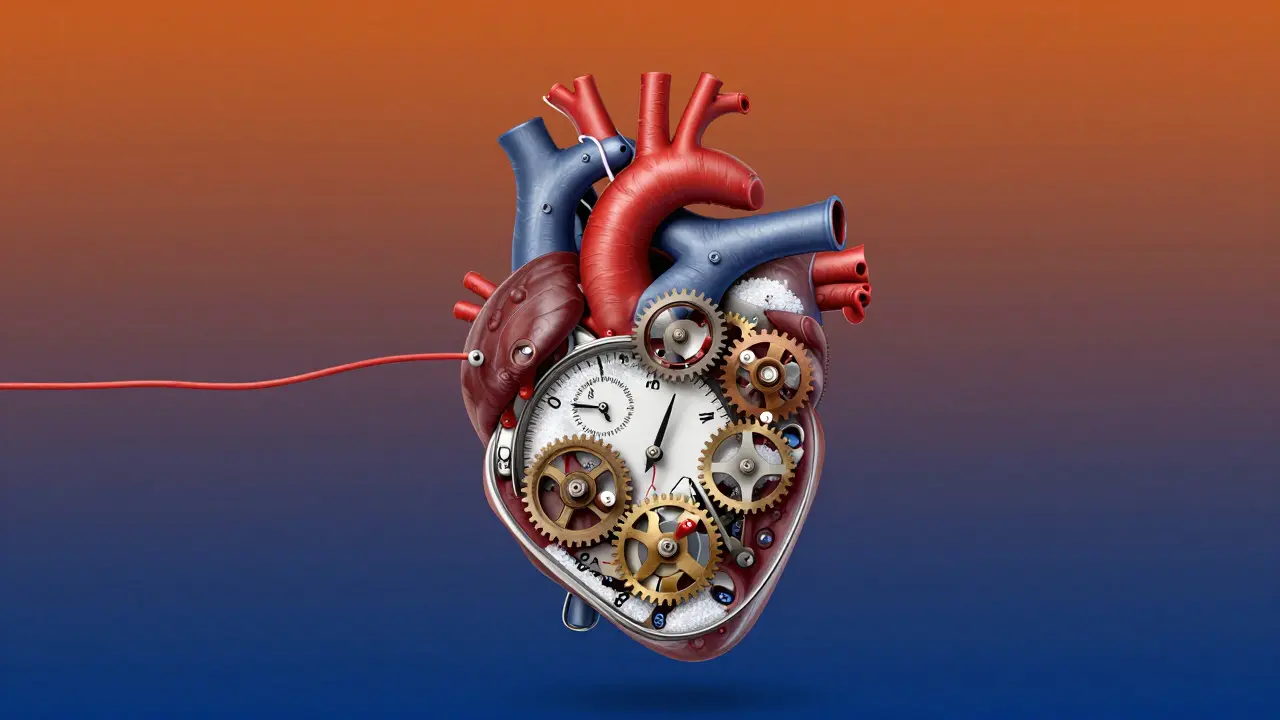
Your heart doesn’t like the combo. A 2023 study in the Journal of the American Heart Association found that healthy adults who drank one 250ml energy drink saw their blood pressure rise by an average of 6-8 mmHg within 90 minutes. Their heart rate jumped too. That’s not a problem if you’re young and fit-but if you’re sitting at a desk all day, have high blood pressure, or take medications like antidepressants, that spike puts extra strain on your heart.
Then there’s sleep. Even if you don’t feel jittery, caffeine blocks adenosine, the chemical that tells your brain it’s time to rest. One energy drink at noon can delay your sleep onset by 40 minutes and reduce deep sleep by 20%. Over time, that adds up to chronic sleep debt. And poor sleep? It’s linked to weight gain, poor focus, and higher stress hormones.
And sugar. That sugar rush crashes hard. Within two hours, your blood sugar drops below baseline. You feel tired, irritable, maybe even shaky. That’s not energy-it’s a rollercoaster. And repeated spikes damage your insulin sensitivity. That’s how prediabetes starts.
Who’s at risk?
Not everyone reacts the same. Teens and young adults are especially vulnerable. Their bodies are still developing. The brain’s reward system is more sensitive to caffeine and sugar. Studies show teens who drink one energy drink a day are 66% more likely to develop anxiety and sleep disorders by age 18.
People with heart conditions, high blood pressure, anxiety disorders, or diabetes should avoid them entirely. Even one can can trigger palpitations, panic attacks, or dangerous spikes in blood sugar. Pregnant women? The March of Dimes says no energy drinks. Caffeine crosses the placenta. High intake is linked to low birth weight and preterm delivery.
And don’t assume “sugar-free” means safe. Artificial sweeteners like sucralose and acesulfame K may have zero calories, but they still alter gut bacteria and may increase cravings for sweets. A 2024 study in Nutrition Today found people who drank diet energy drinks daily were more likely to gain weight over two years than those who drank water.
What do experts really say?
The World Health Organization doesn’t give a daily limit for energy drinks-but it does warn against regular consumption. The European Food Safety Authority says caffeine is safe under 3mg per kg of body weight per day. For a 70kg adult, that’s 210mg. One energy drink can hit 160mg. So if you have coffee or tea later? You’re already over.
Doctors in Australia and the U.S. agree: no energy drink should be part of a daily routine. Not even one. The Australian Medical Association says energy drinks are “not suitable for regular consumption” and should be avoided by children, pregnant women, and people with health conditions.
There’s a reason most doctors recommend water, unsweetened tea, or black coffee instead. They’re predictable. They don’t come with a cocktail of unregulated stimulants. You know what’s in them. You can control the dose.
Alternatives that actually work
If you’re tired, the fix isn’t a chemical boost-it’s fixing the root cause. Are you sleeping 7 hours? Eating real food? Moving your body? Drinking enough water? Those are the real energy sources.
Here’s what works better than an energy drink:
- 20 minutes of brisk walking-boosts oxygen flow and wakes up your brain
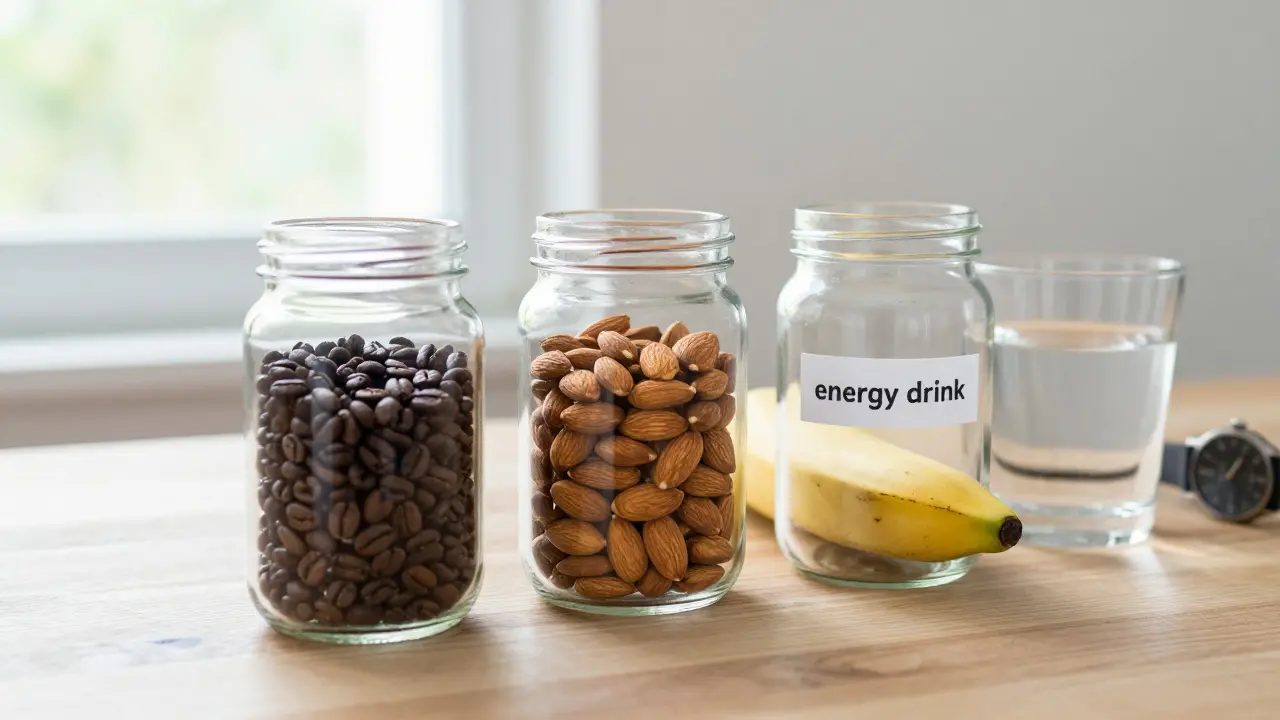
- A small handful of almonds or a banana-natural sugars and healthy fats give steady energy
- Green tea-has caffeine, but also L-theanine, which smooths out the crash
- Drinking a glass of water first-dehydration is the #1 cause of afternoon fatigue
If you need caffeine, stick to brewed coffee or tea. You can control the strength. You know the ingredients. No mystery chemicals. No sugar bombs.
One can a day? The verdict
Is one energy drink a day okay? Technically, you won’t drop dead from it. But “okay” isn’t the same as “healthy.”
Every day you drink one, you’re training your body to need a chemical crutch. You’re increasing your risk for high blood pressure, insulin resistance, sleep disruption, and anxiety. You’re replacing real energy-sleep, movement, nutrition-with a fake surge that leaves you worse off afterward.
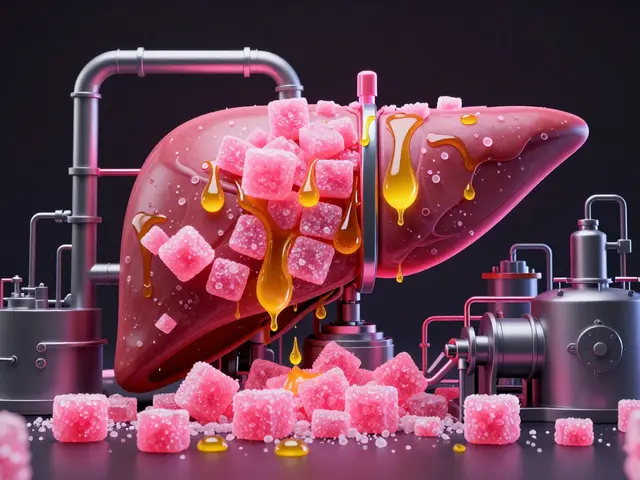
Think of it like this: one cigarette a day still raises your risk of heart disease. One soda a day still contributes to fatty liver. One energy drink a day? It’s the same pattern. It’s not an emergency. But it’s not harmless either.
If you’ve been drinking one daily for months or years, try cutting back. Swap it for water or tea for a week. Notice how you feel. Do you sleep better? Are you less jittery? Less crashes? That’s your body telling you what it really needs.
Energy drinks aren’t the enemy. But they’re not fuel. They’re a shortcut-and shortcuts often lead to dead ends.
Frequently Asked Questions
Can one energy drink a day cause heart problems?
Yes, even one daily energy drink can increase your risk of heart rhythm issues, high blood pressure, and elevated heart rate. A 2023 study showed healthy adults had measurable spikes in blood pressure within 90 minutes of drinking one can. Over time, that repeated stress can damage blood vessels and increase the chance of heart disease, especially if you have other risk factors like obesity, smoking, or a family history.
Is sugar-free energy drink safer than regular?
Not really. Sugar-free versions still contain high doses of caffeine and artificial sweeteners like sucralose or acesulfame K. These sweeteners may alter gut bacteria and increase cravings for sweets. A 2024 study found people who drank diet energy drinks daily gained more weight over two years than those who drank water. The caffeine still affects sleep and heart rate. So while you avoid sugar, you’re still exposing yourself to stimulants and untested additives.
How long does caffeine from an energy drink stay in your system?
Caffeine has a half-life of about 5-6 hours. That means if you drink a can at 2 PM, half the caffeine is still in your body at 8 PM. For some people, especially those with slower metabolism or who take certain medications, it can last up to 10 hours. That’s why even an afternoon energy drink can wreck your sleep-even if you don’t feel wired.
Can kids or teens drink one energy drink a day?
No. Children and teens are more sensitive to caffeine and sugar. Their brains are still developing, and energy drinks can interfere with sleep, focus, and emotional regulation. The Australian Medical Association and the American Academy of Pediatrics strongly advise against any energy drink consumption for anyone under 18. Even one can a day increases the risk of anxiety, insomnia, and heart palpitations in teens.
What’s the safest way to get energy without energy drinks?
The safest energy boost comes from lifestyle changes: getting 7-8 hours of sleep, staying hydrated, eating whole foods like nuts, fruit, and lean proteins, and moving your body for at least 20 minutes a day. If you need caffeine, stick to black coffee or green tea. They’re predictable, contain fewer additives, and give you a smoother, longer-lasting effect without the crash.
Comments (14)
John Fox
27 Jan 2026
One can a day seems fine until you realize you cant sleep and your heart feels like its racing for no reason
chioma okwara
29 Jan 2026
lol u guys act like energy drinks r poison but i drink 2 a day and im fine lmao
Samar Omar
30 Jan 2026
How quaint. You believe the body is some fragile porcelain doll that shatters at the mere whisper of caffeine and sugar. The real tragedy isn't the energy drink-it's the cultural surrender to passive consumption. We've replaced discipline with chemical crutches, mindfulness with artificial stimulation, and patience with instant gratification. The body doesn't need a sugar bomb to function-it needs intention. A walk. A breath. A glass of water. But no, we'd rather numb the discomfort of existence with neon-colored syrup laced with taurine and corporate pseudoscience. You call it normal. I call it the slow suicide of modern productivity culture.
Tasha Hernandez
31 Jan 2026
Oh my god. I just realized I've been drinking one every morning since 2021. I thought I was just 'energized'-turns out I was just a walking anxiety attack with a caffeine addiction. I'm switching to green tea tomorrow. My heart is literally screaming at me.
Anuj Kumar
2 Feb 2026
they put microchips in these drinks to make you buy more. watch the news. they dont want you to sleep good
Christina Morgan
3 Feb 2026
This is such an important conversation. I used to chug these before workouts thinking I was being productive. Turns out I was just sabotaging my sleep and making myself crash harder. Water and a banana changed my life. Seriously. Try it for a week.
Kathy Yip
4 Feb 2026
i wonder if the body remembers the sugar spikes… like, does it hold onto the trauma of all those crashes? i’ve been thinking about this a lot lately
Bridget Kutsche
6 Feb 2026
Just wanted to say-this post saved me. I was drinking one daily to get through grad school. Cut it out last month. Sleep improved. Mood stabilized. Focus got sharper. You don’t need the boost-you just need better habits. And yes, green tea is your new best friend.
Jack Gifford
6 Feb 2026
That 2023 study they cited? I read the full paper. The blood pressure spike was temporary and returned to baseline in 3 hours. Not saying it’s harmless, but let’s not turn a physiological response into a horror story. Moderation isn’t the enemy
Sarah Meadows
8 Feb 2026
America is weak. We’ve turned energy into a product you buy instead of something you build through discipline. In my country, we wake up with sunlight and coffee. No neon cans. No additives. Just grit. This is why we’re losing.
Nathan Pena
9 Feb 2026
Let’s not romanticize ‘black coffee’ as some moral superior alternative. Coffee is a neurotoxin with a cult following. The real issue is the normalization of stimulant dependence. Whether it’s caffeine, sugar, or Adderall-we’ve pathologized fatigue and commodified alertness. This isn’t about drinks. It’s about a society that refuses to rest.
Tonya Trottman
9 Feb 2026
I used to drink one every day after my night shift. I didn’t realize how much it was messing with my dreams-until I stopped. For the first time in years, I remembered my dreams clearly. Not just fragments. Full stories. Like my brain was finally catching up on what it had been ignoring. I didn’t know my body was so tired. It wasn’t the caffeine. It was the sugar crash, the sleep disruption, the constant pressure to be ‘on.’ I started walking at 5 AM instead. Quiet. Cold. Just me and the streetlights. I feel more alive now than I did with the can.
Rocky Wyatt
11 Feb 2026
Everyone’s acting like this is news. I’ve been telling people for years that energy drinks are just liquid anxiety. You think you’re getting energy-you’re just borrowing it from your future self. And guess who pays the interest? Your heart. Your sleep. Your mental health. You’re not a machine. Stop treating yourself like one.
Santhosh Santhosh
13 Feb 2026
I used to drink one every day before teaching. I thought I needed it to stay awake. Then I started drinking water, stretching, and breathing before class. The students noticed. They said I seemed… calmer. More present. I didn’t realize how much I was projecting my own jitteriness onto them. I’m not saying energy drinks are evil. But they’re a mirror. And when I looked in mine, I didn’t like what I saw.