
Are Ghost Energy Drinks Bad for You? The Real Facts
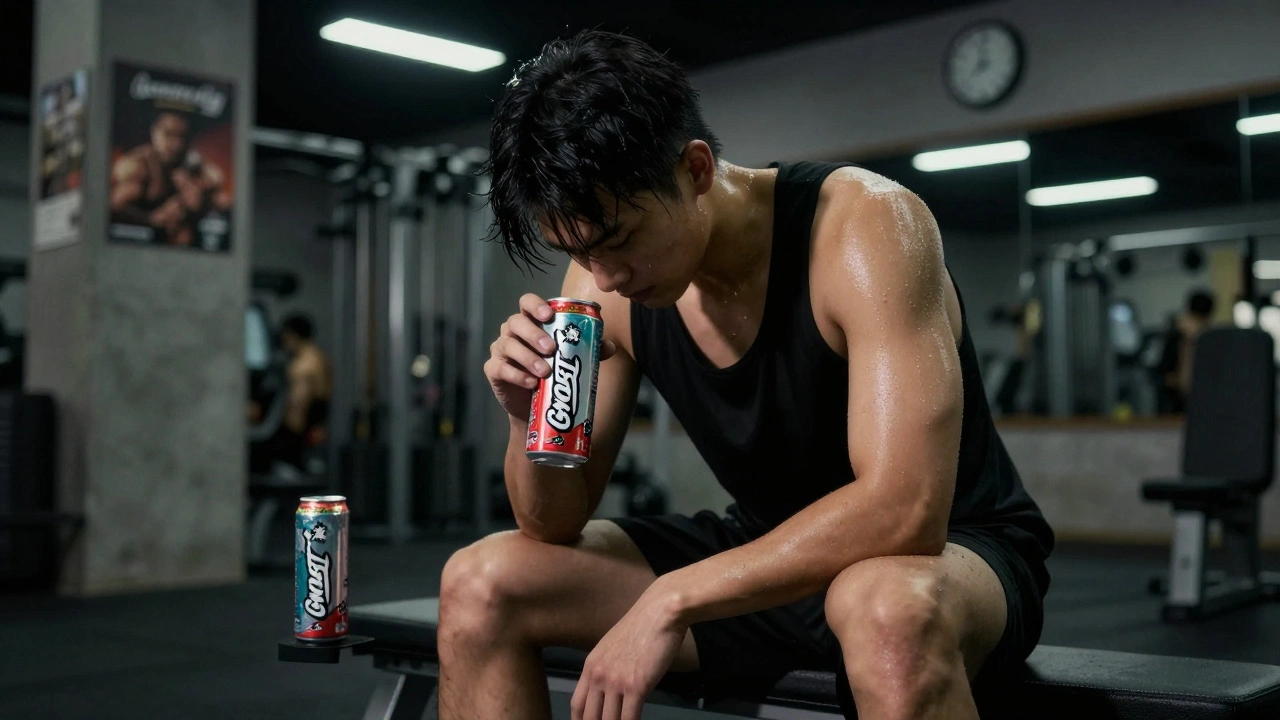
Ghost Energy Drinks have exploded in popularity over the last few years, especially among young adults and fitness enthusiasts. With bold packaging, influencer endorsements, and claims like "no sugar, no crash," it’s easy to see why. But behind the hype lies a question many people are too afraid to ask: Are Ghost energy drinks bad for you? The answer isn’t simple. It depends on how much you drink, how often, and what’s going on in your body.
What’s actually in a Ghost Energy Drink?
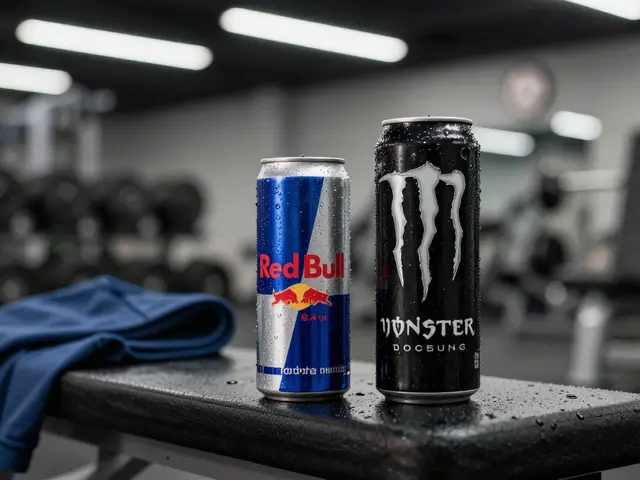
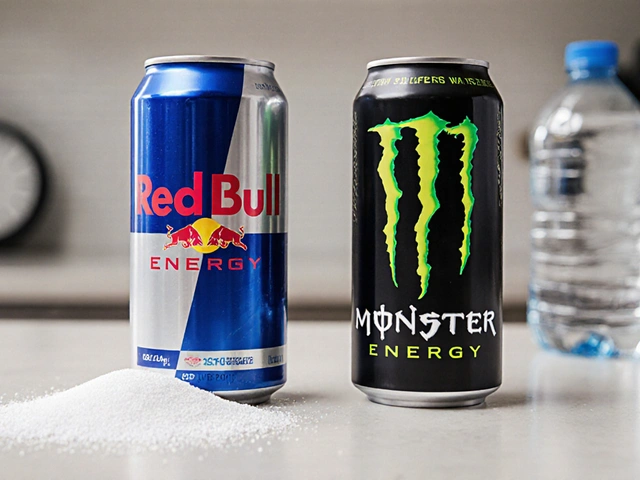
Ghost Energy Drinks don’t use high-fructose corn syrup or cane sugar. Instead, they sweeten their drinks with sucralose and acesulfame potassium-two artificial sweeteners that are zero-calorie but still trigger taste receptors in your brain. One 16-ounce can contains 200 milligrams of caffeine, which is about the same as two cups of coffee. That’s more than most major energy drinks like Red Bull (80 mg) or Monster (160 mg).
On top of caffeine, Ghost includes a blend of amino acids like L-theanine and beta-alanine. L-theanine is often added to help smooth out the jittery feeling that caffeine can cause. Beta-alanine is used by athletes to delay muscle fatigue during high-intensity workouts. There’s also a mix of B vitamins-B3, B6, and B12-along with electrolytes like sodium and potassium.
But here’s the catch: just because something sounds scientific doesn’t mean it’s safe at these doses. The FDA recommends a maximum of 400 mg of caffeine per day for healthy adults. One Ghost drink hits half that limit. Drink two in a day? You’re already at the edge. Drink three? You’re in risky territory.
How caffeine affects your body
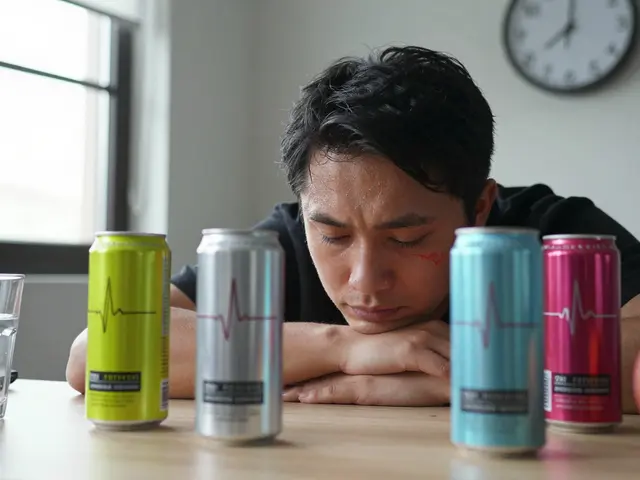
Caffeine isn’t just a stimulant-it’s a drug. It blocks adenosine, a chemical in your brain that tells you it’s time to rest. When adenosine is blocked, you feel alert. But your body doesn’t stop producing adenosine. It just builds up. That’s why people who rely on energy drinks often crash hard later. The crash isn’t just tiredness-it’s headaches, irritability, and sometimes heart palpitations.
Studies from the American Heart Association show that consuming more than 400 mg of caffeine daily can raise blood pressure and increase heart rate. For people with existing heart conditions, anxiety disorders, or sleep problems, even 200 mg can trigger symptoms. A 2023 study in the Journal of Clinical Hypertension found that young adults who regularly consumed energy drinks had a 34% higher chance of experiencing irregular heart rhythms compared to those who didn’t.
And here’s something most people don’t realize: caffeine tolerance builds fast. What felt like a mild boost last month might now require two cans to get the same effect. That’s how dependency starts-not with withdrawal headaches, but with needing more just to feel normal.
Sugar-free doesn’t mean harmless
Ghost markets itself as a healthier option because it’s sugar-free. But that doesn’t make it safe. Artificial sweeteners like sucralose and acesulfame potassium are approved by the FDA, but recent research suggests they may not be as harmless as once thought.
A 2022 study from the University of Sydney found that long-term consumption of artificial sweeteners altered gut bacteria in ways that could increase insulin resistance. That’s a step toward type 2 diabetes-even if you’re not eating sugar. Another study from the European Journal of Nutrition linked daily intake of these sweeteners to a higher risk of stroke and heart disease in middle-aged adults.
Plus, artificial sweeteners can trick your brain into craving more sweets. When you drink a zero-calorie sweet beverage, your brain expects calories to follow. When they don’t come, your body may respond by increasing hunger later in the day. That’s one reason people who switch to sugar-free energy drinks sometimes end up eating more junk food.
Who should avoid Ghost Energy Drinks?
Not everyone should be drinking these. Here are the groups who should skip them entirely:
- Teens and children-under 18, their brains are still developing, and caffeine can interfere with sleep patterns critical for growth.
- Pregnant women-the American College of Obstetricians and Gynecologists recommends limiting caffeine to under 200 mg per day. One Ghost drink hits that limit exactly.
- People with anxiety or panic disorders-caffeine can trigger or worsen panic attacks.
- Anyone taking stimulant medications like Adderall or Ritalin-mixing them with energy drinks can push your heart rate into dangerous territory.
- People with high blood pressure or heart disease-caffeine can spike blood pressure for hours after consumption.
If you’re not in one of these groups, you might think you’re fine. But even healthy people aren’t immune. A 2024 case report from Melbourne described a 24-year-old fitness trainer who collapsed after drinking two Ghost Energy Drinks in one day. He had no prior heart issues. Doctors found his heart rate had spiked to 180 beats per minute. He recovered-but it was a wake-up call.
What about energy drink mixers and workout use?
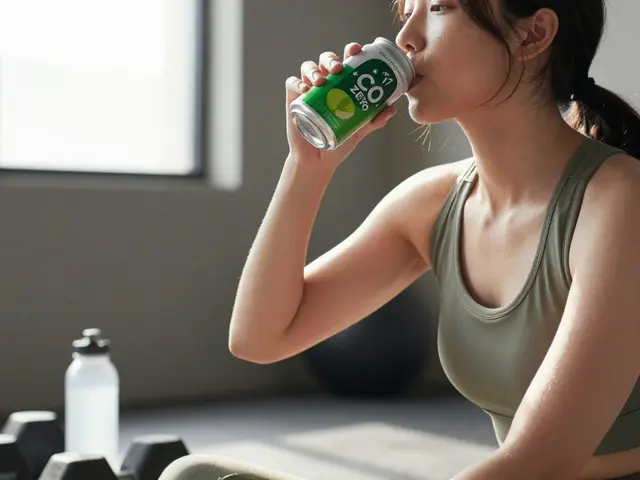
Many people use Ghost before workouts, claiming it gives them focus and endurance. But here’s the problem: you’re already putting stress on your body during exercise. Your heart is working harder. Your blood pressure is rising. Adding 200 mg of caffeine on top of that? That’s stacking risk on risk.
A 2021 study from the University of Florida looked at athletes who consumed energy drinks before training. Those who drank them had significantly higher heart rates during exercise and took longer to recover afterward. Their cortisol levels-the stress hormone-remained elevated for hours. That’s not performance enhancement. That’s your body screaming for a break.
And don’t forget: hydration matters. Energy drinks are diuretics. They make you pee more. If you’re sweating during a workout and drinking Ghost to "boost performance," you’re actually dehydrating yourself faster. Water or electrolyte drinks without caffeine are better choices for athletic recovery.
What are the long-term effects?
We don’t have decades of data on Ghost Energy Drinks specifically-they’ve only been around since 2017. But we do have decades of data on caffeine and artificial sweeteners. And the pattern is clear: regular, daily use leads to dependency, disrupted sleep, metabolic changes, and cardiovascular strain.
People who drink one energy drink a day are 20% more likely to develop high blood pressure over five years, according to data from the National Institutes of Health. Those who drink two or more? The risk jumps to 40%. Sleep quality drops too. A 2023 survey of 10,000 Australians found that people who drank energy drinks three or more times a week were three times more likely to report poor sleep than non-drinkers.
And here’s the silent cost: your body’s natural energy systems get lazy. When you constantly rely on caffeine to feel awake, your brain produces less of its own natural stimulants. Over time, you start feeling sluggish without it. That’s not energy-it’s chemical dependency.
Alternatives that actually work
You don’t need a can of Ghost to feel alert. Here are real, science-backed alternatives:
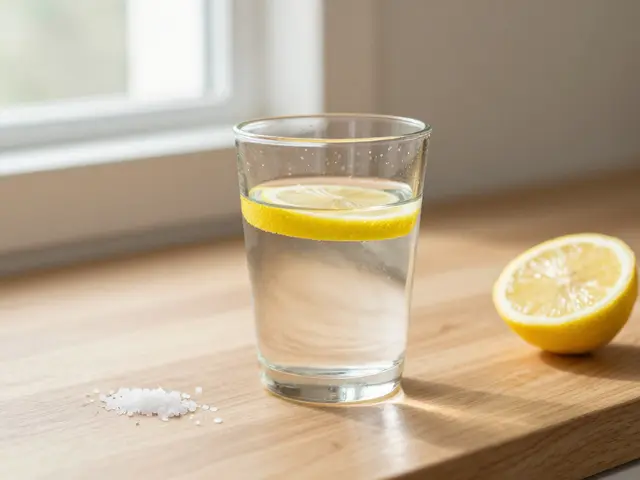
- Water-dehydration is the #1 cause of afternoon fatigue. Drink a glass before reaching for an energy drink.
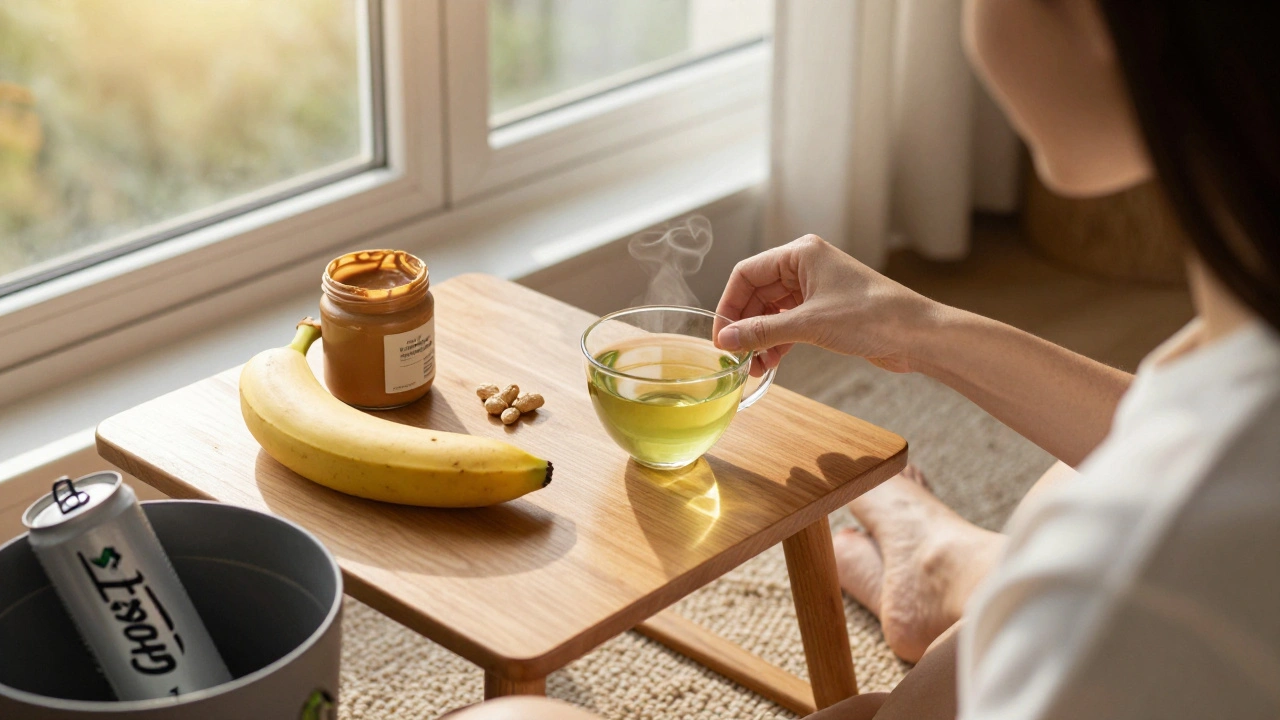
- Green tea-contains about 30 mg of caffeine plus L-theanine, which gives you calm focus without the crash.
- Black coffee-without sugar or cream, it’s a clean, low-calorie stimulant with antioxidants.
- Short walks-10 minutes outside in daylight boosts alertness better than caffeine for most people.
- Power naps-20 minutes of sleep can restore mental clarity better than any drink.
And if you need a pre-workout boost? Try a banana with a spoon of peanut butter. It gives you slow-release carbs and a little natural caffeine from the peanut butter. No chemicals. No crash.
Final verdict: Is Ghost bad for you?
One Ghost Energy Drink now and then? Probably fine for a healthy adult. But drinking it daily, multiple times a week, or mixing it with other caffeine sources? That’s where the risks pile up. It’s not the drink itself that’s evil-it’s the habit.
Ghost isn’t a health product. It’s a stimulant with marketing. If you’re using it to replace sleep, manage stress, or power through a bad diet, you’re putting a bandage on a broken bone. The real fix isn’t more caffeine. It’s better sleep, better food, and better habits.
Ask yourself: Are you drinking Ghost because you need energy-or because you’re tired of being tired? If it’s the latter, it’s time to look deeper than the can.
Can Ghost Energy Drinks cause heart problems?
Yes, especially if consumed regularly or in large amounts. One can contains 200 mg of caffeine, which can raise heart rate and blood pressure. Studies have linked daily energy drink consumption to increased risk of irregular heart rhythms, especially in young adults with no prior heart conditions. Mixing Ghost with alcohol, exercise, or other stimulants increases this risk further.
Is Ghost Energy Drink safe for weight loss?
No, Ghost is not a weight-loss tool. While it’s zero-calorie, the artificial sweeteners may increase cravings for sugary foods. Some studies suggest these sweeteners can alter gut bacteria in ways that reduce insulin sensitivity, making fat storage more likely. Weight loss comes from diet and movement-not energy drinks.
Does Ghost have more caffeine than coffee?
Yes. One 16-ounce can of Ghost has 200 mg of caffeine, which is about double the amount in a typical 8-ounce cup of brewed coffee (95 mg). It’s also more than most energy drinks like Monster or Red Bull. For comparison, a 12-ounce can of Coca-Cola has only 34 mg.
Can you get addicted to Ghost Energy Drinks?
Yes. Regular use leads to caffeine dependence. Your body adapts by producing less natural alertness chemicals. You start needing more to feel the same effect. Withdrawal symptoms like headaches, fatigue, and irritability can appear within hours of skipping a drink. This is classic addiction behavior, even if it’s not illegal.
Is Ghost safe for teenagers?
No. The American Academy of Pediatrics advises against energy drink consumption for children and teens. Their developing brains and hearts are more sensitive to caffeine. High doses can disrupt sleep, increase anxiety, and interfere with academic performance. Ghost is not a snack or a sports drink-it’s a potent stimulant.
What to do next
If you’ve been drinking Ghost daily, try cutting back slowly. Swap one can for green tea or water. Track your energy levels for a week. You might be surprised how much better you feel without the crash.
If you’re using it to push through exhaustion, ask yourself: What’s really draining you? Is it sleep? Stress? Diet? Fix the root cause, not the symptom.
Energy drinks aren’t the enemy-but treating them like a daily necessity is. Your body doesn’t need chemicals to stay awake. It just needs rest, food, and a little patience.
Comments (8)
Sally McElroy
11 Dec 2025
Let’s be real-this isn’t about energy drinks, it’s about a culture that’s addicted to shortcuts. We’ve turned our bodies into machines that need constant fueling, and we call it "optimization." But you can’t hack biology with sucralose and caffeine and call it health. The crash isn’t a bug-it’s the system screaming that you’re not sleeping, not eating, not moving, just consuming. Ghost isn’t the villain; it’s the symptom of a society that’s run out of patience for being human.
Marissa Martin
12 Dec 2025
I used to drink one every morning before work. Thought it was "clean." Then I started having panic attacks at 11 a.m. every day. Stopped cold turkey. Took three weeks to stop shaking. No one warned me. I just thought I was "stressed." Turns out, my brain was on a caffeine treadmill. I don’t miss it. I miss sleeping.
James Winter
14 Dec 2025
Canadians drink coffee. Americans drink poison and call it innovation.
Aimee Quenneville
15 Dec 2025
So let me get this straight… you’re telling me that a drink that tastes like chemical regret and costs $4 is somehow better than water and a nap? I’m not mad, I’m just… disappointed. Like, I thought we evolved past this. Turns out, we just got better at marketing our exhaustion.
Cynthia Lamont
16 Dec 2025
OMG. I read this whole thing. And you know what? The real tragedy isn’t the caffeine-it’s the fact that people think this is normal. You’re not "fueling your grind." You’re poisoning your nervous system and calling it discipline. That 24-year-old fitness trainer who collapsed? He was probably posting his "pre-workout glow-up" on Instagram five minutes before his heart said NO. This isn’t biohacking. It’s self-sabotage with a fancy label.
Kirk Doherty
18 Dec 2025
Water works better than most of this stuff
Dmitriy Fedoseff
20 Dec 2025
There’s a quiet violence in how we normalize this. We tell kids to "power through," we glorify burnout as dedication, and then we sell them a can that mimics alertness while eroding their capacity for real energy. Ghost doesn’t give you energy-it rents it. And the interest rate? Your sleep, your heart, your peace. We’ve turned vitality into a subscription service. And no one’s reading the fine print.
Meghan O'Connor
21 Dec 2025
Actually, the FDA limit for caffeine is 400mg per day, but that’s for healthy adults. The study you cited from the Journal of Clinical Hypertension? It had a sample size of 2,300-way too small to draw population-wide conclusions. Also, sucralose isn’t proven to cause insulin resistance in humans, only in rodents on absurdly high doses. And the Melbourne case? One anecdote doesn’t make a trend. You’re fearmongering with cherry-picked data. This isn’t journalism. It’s clickbait dressed as a public service.