
What Drinks Are Hardest on Kidneys? The Real Culprits Behind Kidney Stress
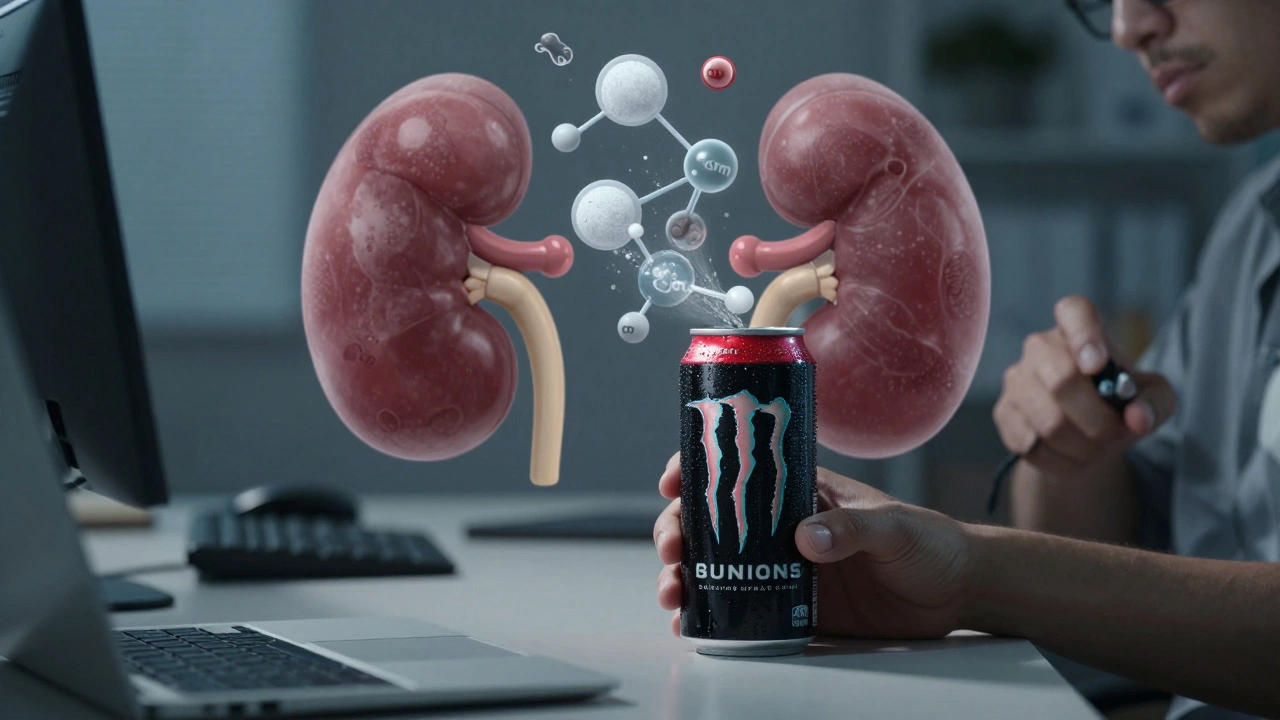
Every day, millions of people reach for an energy drink to get through a long shift, a late-night study session, or a morning workout. But what happens to your kidneys when you make these drinks a regular habit? The answer isn’t just about caffeine-it’s about sugar, sodium, artificial additives, and how your body tries to clean up the mess.
Energy drinks are the worst offenders
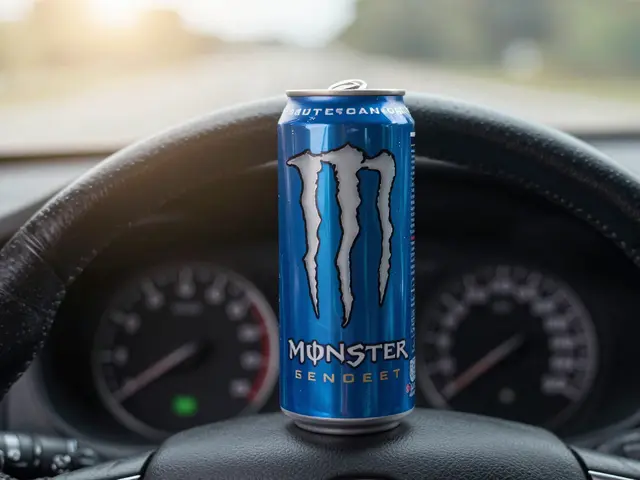
Energy drinks aren’t just high in caffeine-they’re packed with sugar, artificial sweeteners, and other chemicals that force your kidneys to work overtime. A single 16-ounce can of a popular energy drink can contain 54 grams of sugar. That’s more than the entire daily limit recommended by the World Health Organization. Your kidneys have to filter out this sugar load, and over time, that constant strain can lead to damage.
Studies from the American Journal of Kidney Diseases show that people who drink two or more sugar-sweetened beverages a day have a 43% higher risk of developing chronic kidney disease compared to those who drink less than one a week. Energy drinks don’t just add sugar-they add extra stress. Many contain high levels of sodium, sometimes over 200mg per can. That’s nearly 10% of your daily limit in one drink. Sodium pulls water into your bloodstream, increasing blood pressure and forcing your kidneys to filter more fluid than they’re designed for.
And then there’s the caffeine. While moderate caffeine (under 400mg a day) is generally safe, energy drinks often deliver 160mg to 300mg per serving, sometimes in a single gulp. Caffeine is a diuretic, which means it makes you pee more. That sounds harmless until you realize your kidneys are losing water faster than you can replace it. Dehydration thickens your blood, making it harder for kidneys to filter waste. Over time, repeated dehydration from energy drinks can lead to kidney stones and even acute kidney injury.
Soda isn’t much better
If you think switching from energy drinks to regular soda is a healthier move, think again. A 12-ounce can of cola has about 39 grams of sugar-still way over the daily recommended limit. The phosphoric acid in dark sodas is another hidden problem. It binds to calcium in your blood, pulling it out of your bones and into your urine. This increases your risk of kidney stones and weakens your bones over time. Research from the National Kidney Foundation found that people who drank one or more sodas a day had a 23% higher chance of developing kidney stones than those who didn’t.
Even diet soda isn’t safe. Artificial sweeteners like aspartame and sucralose may have zero calories, but they don’t have zero impact. A 2023 study in the Journal of the American Society of Nephrology tracked over 15,000 adults for 10 years and found that those who drank two or more diet sodas daily had a 30% faster decline in kidney function than non-drinkers. The exact mechanism isn’t fully understood, but scientists believe these sweeteners may trigger inflammation in the kidneys or disrupt the gut microbiome, which plays a role in how your body handles waste.
Alcohol and kidney strain
Alcohol is another major player in kidney stress. It’s a diuretic, like caffeine, but it’s also a toxin. Your liver breaks down most of it, but your kidneys still have to filter out the byproducts. Heavy drinking-defined as more than four drinks in a single day or more than 14 drinks a week for men-can cause acute kidney injury. In severe cases, it can lead to a condition called alcoholic nephropathy, where the kidneys shrink and lose filtering ability.
Even moderate drinking adds up. A single beer or glass of wine may not seem like much, but if you’re drinking daily, your kidneys never get a break. Alcohol also messes with your body’s ability to regulate water and electrolytes. This imbalance forces your kidneys to work harder to keep sodium, potassium, and fluid levels stable. Over time, this constant tug-of-war can lead to high blood pressure, which is the second leading cause of kidney failure after diabetes.
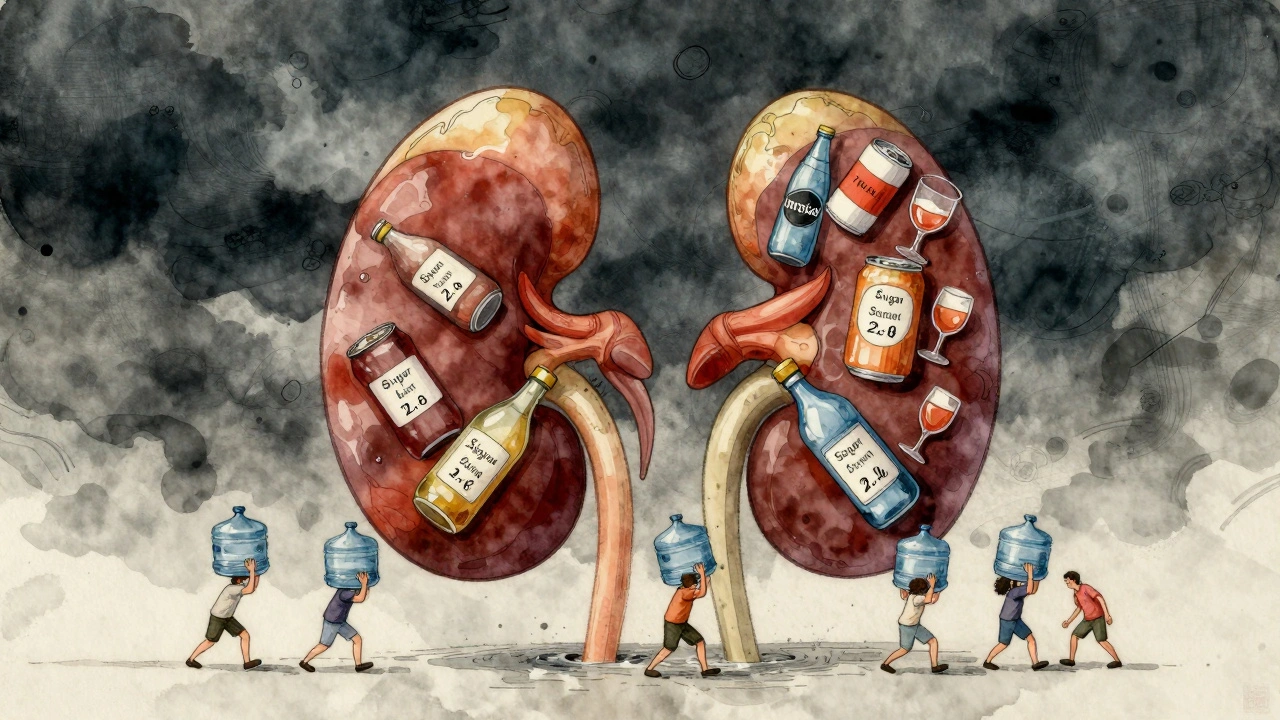
Energy drinks with creatine or amino acids
Some energy drinks now add creatine, taurine, or branched-chain amino acids, marketing them as "performance boosters." But these aren’t harmless supplements. Creatine, for example, is naturally processed by your kidneys. When you take extra creatine-especially in large doses-it increases the amount of creatinine your kidneys must filter. For someone with healthy kidneys, this isn’t a problem. But if you already have early-stage kidney damage, or if you’re dehydrated, this extra load can push your kidneys into overload.
One case study from the Australian Journal of Clinical and Experimental Pharmacology followed a 28-year-old man who drank three energy drinks a day for six months. He also took creatine supplements. He ended up in the hospital with acute kidney injury. His creatinine levels were over 400% higher than normal. He had no history of diabetes or high blood pressure. The only common factor? Daily energy drink consumption with added creatine.
What about sports drinks?
Sports drinks like Gatorade and Powerade are often seen as the "healthy" alternative to energy drinks. But they’re still loaded with sugar and sodium. A 20-ounce bottle of Gatorade has 34 grams of sugar and 270mg of sodium. Unless you’re an athlete training for over 90 minutes in extreme heat, you don’t need those extra electrolytes. For most people, water is enough. Drinking sports drinks daily can lead to the same problems as soda: weight gain, high blood pressure, and kidney strain.
The real issue? People think they’re being smart by choosing a "sports drink" over an energy drink. But both are designed to deliver a quick chemical spike-not to support long-term health. Your kidneys don’t care if it’s labeled for athletes or for gamers. They just see sugar, salt, and toxins.
How to protect your kidneys
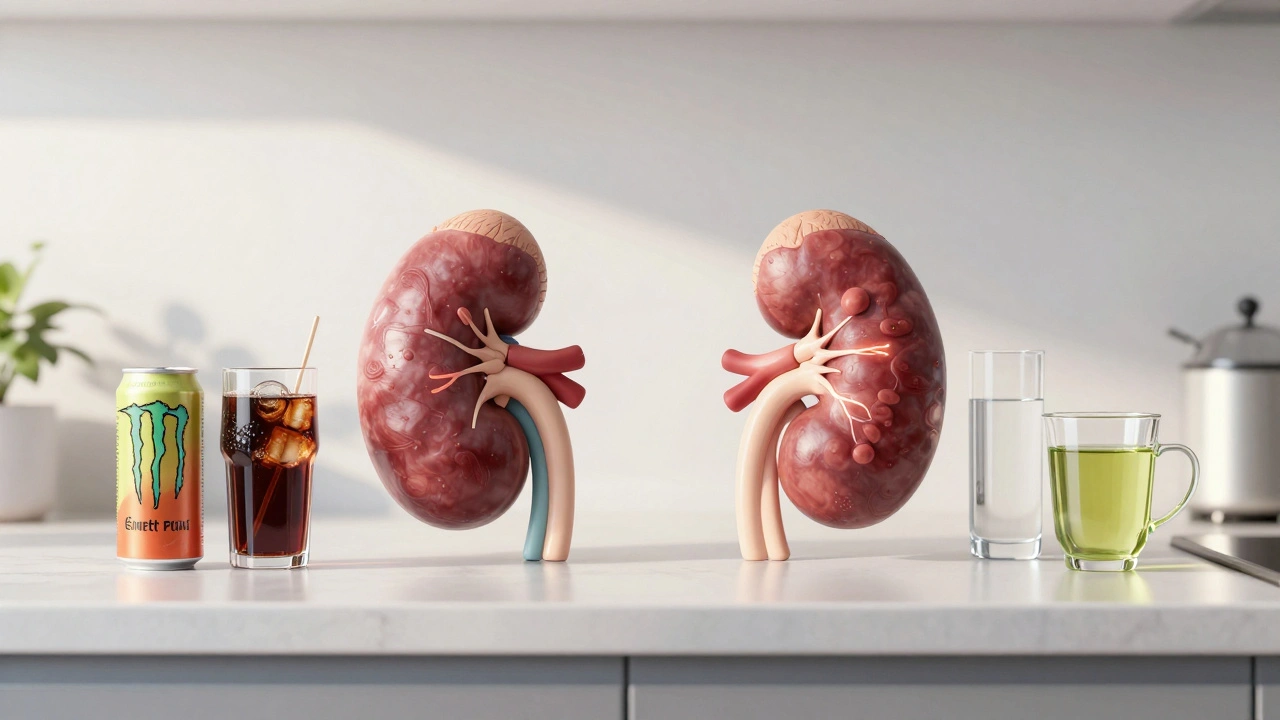
If you’re drinking energy drinks regularly, the best thing you can do is cut back-or quit. Start by replacing one drink a day with water. Add a slice of lemon or cucumber if you want flavor. If you need a caffeine boost, try black coffee or green tea. Both have less sugar, less sodium, and no artificial additives.
Drink water throughout the day. Aim for at least eight cups (2 liters), more if you’re active or in hot weather. Your kidneys work best when they’re well-hydrated. Dehydration is the silent killer of kidney health, and it’s often caused by the very drinks people think are helping them.
Check labels. Look for drinks with under 5 grams of sugar per 100ml and under 100mg of sodium. Avoid anything with more than 200mg of caffeine per serving. If you see ingredients like taurine, guarana, or inositol listed high on the label, be cautious. These aren’t natural-they’re added to boost effects, and they come with hidden costs.
Get tested. If you’ve been drinking energy drinks daily for more than a year, ask your doctor for a simple blood test: serum creatinine and estimated glomerular filtration rate (eGFR). These two numbers tell you how well your kidneys are filtering waste. Early detection is the only way to stop damage before it becomes permanent.
What you can drink instead
You don’t need energy drinks to feel alert. Here are real alternatives that won’t hurt your kidneys:
- Water with a splash of lime or mint
- Unsweetened green tea (contains gentle caffeine and antioxidants)
- Black coffee (limit to 2 cups a day)
- Coconut water (natural electrolytes, low sugar)
- Herbal teas like rooibos or ginger
These options give you hydration, mild stimulation, and no toxic load. They don’t spike your blood sugar or flood your kidneys with sodium. And they cost a fraction of what energy drinks do.
Final thought: Your kidneys can’t talk-but they can fail
Kidney damage is silent. You won’t feel pain until it’s advanced. By then, it’s often irreversible. Energy drinks, soda, alcohol, and even sports drinks are marketed as quick fixes. But your kidneys are working every minute to keep you alive. Don’t ask them to clean up a chemical storm every day.
One energy drink a week? Probably fine. Two a day? That’s a recipe for trouble. Your kidneys don’t need energy-they need rest. Give them that.
Can one energy drink a day damage your kidneys?
One energy drink a day can contribute to kidney stress over time, especially if you’re not drinking enough water. The sugar, sodium, and caffeine add up. While occasional use is unlikely to cause immediate damage, daily consumption increases your risk of high blood pressure, dehydration, and chronic kidney disease. People with existing kidney issues should avoid them entirely.
Is diet energy drink better for kidneys?
Diet energy drinks may have no sugar, but they’re not safer for your kidneys. Artificial sweeteners like aspartame and sucralose have been linked to faster kidney function decline in long-term studies. They may also alter gut bacteria, which affects how your body processes waste. Plus, these drinks still contain high caffeine and sodium. Zero sugar doesn’t mean zero risk.
Do energy drinks cause kidney stones?
Yes, they can. Energy drinks are often high in sugar, sodium, and oxalates (from ingredients like guarana). These substances increase calcium in your urine and reduce citrate, which normally prevents stones from forming. Dehydration from caffeine makes it worse. People who drink two or more energy drinks a week have a significantly higher risk of developing kidney stones, according to the National Kidney Foundation.
How do I know if my kidneys are damaged from energy drinks?
Early kidney damage doesn’t cause symptoms. The only way to know is through blood and urine tests. Look for elevated creatinine levels or a low eGFR (below 60). You might also notice swelling in your legs, fatigue, or changes in urination. If you’ve been drinking energy drinks daily for over a year, get tested-even if you feel fine.
Can kidney damage from energy drinks be reversed?
Mild kidney damage from dehydration or short-term overuse can improve if you stop drinking energy drinks, hydrate well, and manage blood pressure. But if scarring or chronic inflammation has set in, the damage is permanent. The goal isn’t to reverse it-it’s to prevent it in the first place. Your kidneys don’t regenerate like your liver. Once they’re damaged, you’re managing a condition, not curing it.



Comments (11)
Soham Dhruv
10 Dec 2025
man i used to crush 2 energy drinks a day before work and thought i was being smart
turns out i was just training my kidneys to hate me
switched to black coffee and water with lemon and my energy actually improved
no more afternoon crashes either
Bob Buthune
12 Dec 2025
i know right 😔 i used to think diet drinks were the answer but then i read that study about artificial sweeteners and kidney decline and now i just stare at my fridge like it’s judging me
like why does everything have to be poison now
even my water bottle feels like a betrayal 🥲
Jane San Miguel
13 Dec 2025
It is statistically irrefutable that chronic consumption of sugar-sweetened and artificially sweetened beverages correlates with a significant decline in glomerular filtration rate, as evidenced by longitudinal cohort studies published in the Journal of the American Society of Nephrology and the American Journal of Kidney Diseases. The metabolic burden imposed by these substances is neither trivial nor incidental-it is a systemic assault on renal homeostasis.
Kasey Drymalla
15 Dec 2025
theyre lying about the sugar content
big pharma and soda companies own the FDA
they want you sick so you keep buying meds
your kidneys are just the first target
next theyll ban water and sell you electrolyte packets for $12 a bottle
Dave Sumner Smith
15 Dec 2025
you think its about drinks
its about control
they put all that crap in so you get addicted so you dont question the system
you think you chose the drink
no you were programmed to crave it
your body is a lab rat and your kidneys are the test tubes
Cait Sporleder
16 Dec 2025
It is profoundly disconcerting to observe the normalization of metabolic toxicity in everyday consumer behavior. The biochemical burden imposed by repeated exposure to fructose, sodium, and synthetic additives-particularly when consumed in liquid form, which bypasses satiety signals-is not merely an inconvenience but a form of slow-motion self-harm. One must ask: if we would not ingest these substances in solid form, why do we permit them to flow unimpeded into our renal filtration systems? The cultural glorification of chemical stimulation, masquerading as vitality, is a tragic misreading of physiological necessity.
Paul Timms
18 Dec 2025
Water is the only drink your kidneys actually want.
Jeroen Post
18 Dec 2025
you ever think the whole kidney thing is a distraction
they want you focused on drinks so you dont notice the microchips in the bottles
or how the sodium is syncing with your brainwaves
your kidneys are just the canary in the coal mine
the real experiment is in your nervous system
Nathaniel Petrovick
20 Dec 2025
bro i started drinking green tea instead and honestly its been a game changer
no crash no weird aftertaste
and i feel like i’m not poisoning myself
also way cheaper
Honey Jonson
21 Dec 2025
im so glad someone finally said this
i was drinking 3 energy drinks a day and thought i was fine
then i got dizzy one day and my legs swelled up
doctor said my kidneys were screaming for mercy
now i drink water with mint and feel like a new person
youre not weak for quitting
youre smart
Sally McElroy
23 Dec 2025
It is morally irresponsible to continue consuming these chemical cocktails under the guise of "convenience" or "energy." You are not a machine. You are a living organism with delicate, irreplaceable systems. To poison them daily in exchange for a fleeting stimulant high is not just poor health-it is a profound moral failure. Your body does not owe you energy. You owe your body respect.