
What Are the Top 5 Healthiest Drinks?
When you reach for a drink, you’re not just quenching thirst-you’re feeding your body. What you choose matters more than you think. Sugary sodas, flashy energy drinks, and even some "healthy" juices can sabotage your energy, mess with your blood sugar, and add empty calories without real nutrition. But the right drinks? They can boost focus, support recovery, balance your gut, and keep you feeling sharp all day. Here are the top five healthiest drinks backed by science and real-world results-not marketing.
Water-The Original Performance Enhancer
It sounds basic, but water isn’t just a drink. It’s the foundation of every bodily process. Your brain is 75% water. Your muscles need it to contract. Your kidneys rely on it to flush toxins. Even mild dehydration-just 2% loss of body weight-can cause brain fog, fatigue, and reduced physical performance. A 2023 study in the Journal of Nutrition found that participants who drank 2.5 liters of water daily reported better concentration and lower stress levels compared to those who drank less.
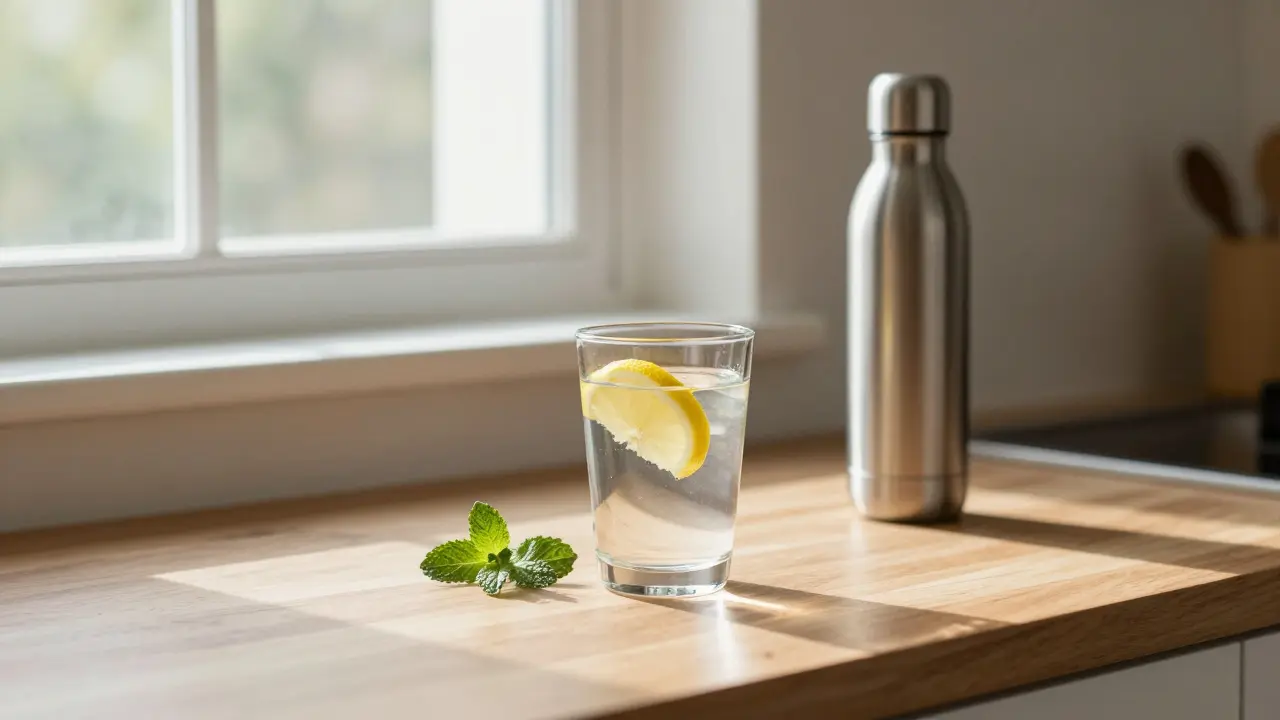
Tap water in Australia is safe and regulated. If you don’t like the taste, add a slice of lemon, cucumber, or mint. No sugar. No artificial flavors. No caffeine crash. Just pure, clean hydration. Skip the bottled stuff unless you’re hiking in the outback. A reusable bottle saved me hundreds of dollars a year-and kept me from buying those "electrolyte" drinks that were just sugar water with a fancy label.
Green Tea-Calm Energy Without the Jitters
Green tea is the quiet superstar of healthy drinks. It’s not a coffee substitute. It’s better. It contains L-theanine, an amino acid that works with caffeine to give you steady focus without the nervous energy or crash. One cup of high-quality matcha or sencha has about 30-50 mg of caffeine-less than half a cup of coffee-but the effects last longer and feel smoother.
A 2024 meta-analysis in The American Journal of Clinical Nutrition showed that people who drank 2-3 cups of green tea daily had a 20% lower risk of developing type 2 diabetes and improved cholesterol levels. The catechins in green tea are powerful antioxidants that fight inflammation. I started drinking it hot in the morning and iced in the afternoon. No sugar. No cream. Just tea. Within two weeks, my afternoon slumps disappeared. My skin looked clearer. I didn’t even realize how much I’d been relying on sugary drinks until they were gone.
Unsweetened Kombucha-Gut Health in a Bottle
If you’ve ever felt bloated, sluggish, or just "off" without knowing why, your gut might be sending a signal. Kombucha is a fermented tea drink packed with live probiotics. It’s made by fermenting sweetened tea with a SCOBY (symbiotic culture of bacteria and yeast). The result? A slightly fizzy, tangy drink that supports digestion and immune function.
Not all kombucha is created equal. Many store-bought brands load it with added sugar-sometimes as much as 15 grams per serving. Look for brands with under 5 grams of sugar per 100 mL. Brands like Health-Ade or local Brisbane makers like The Kombucha Co. keep it clean. I started with a small 250 mL bottle in the morning. Within a month, my digestion improved. My cravings for sweets dropped. I didn’t feel bloated after lunch anymore. It’s not a magic pill, but it’s one of the few drinks that actively helps your body function better from the inside out.

Coconut Water-Nature’s Electrolyte Drink
After a sweaty workout or a long day in the Brisbane heat, you might reach for a sports drink. But most of those are just sugar and food coloring with a pinch of salt. Coconut water is the real thing. It’s naturally rich in potassium, magnesium, and sodium-the same electrolytes lost in sweat. One cup has about 600 mg of potassium, more than a banana.
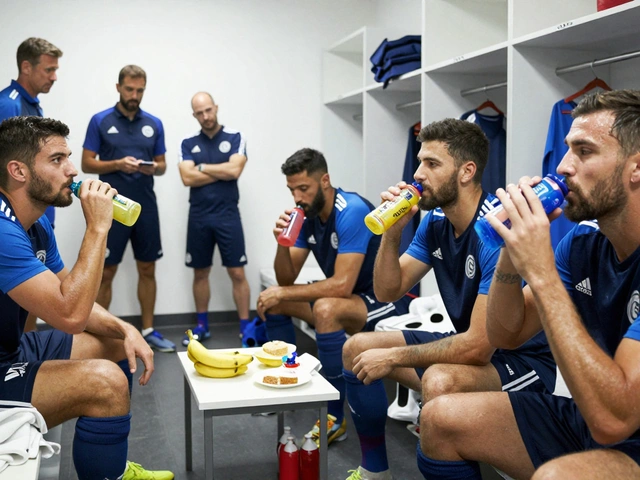
A 2022 study in the Journal of the International Society of Sports Nutrition compared coconut water to traditional sports drinks after endurance exercise. Participants who drank coconut water rehydrated just as well, with less stomach upset. The kicker? It has only about 45 calories per cup and no artificial additives. Just make sure it’s 100% pure coconut water-no added sugars, flavors, or preservatives. I keep a carton in the fridge and sip it after my morning walk. It’s sweet, refreshing, and actually helps me recover instead of just masking fatigue.
Sparkling Water with Lemon or Lime-The Smart Alternative to Soda
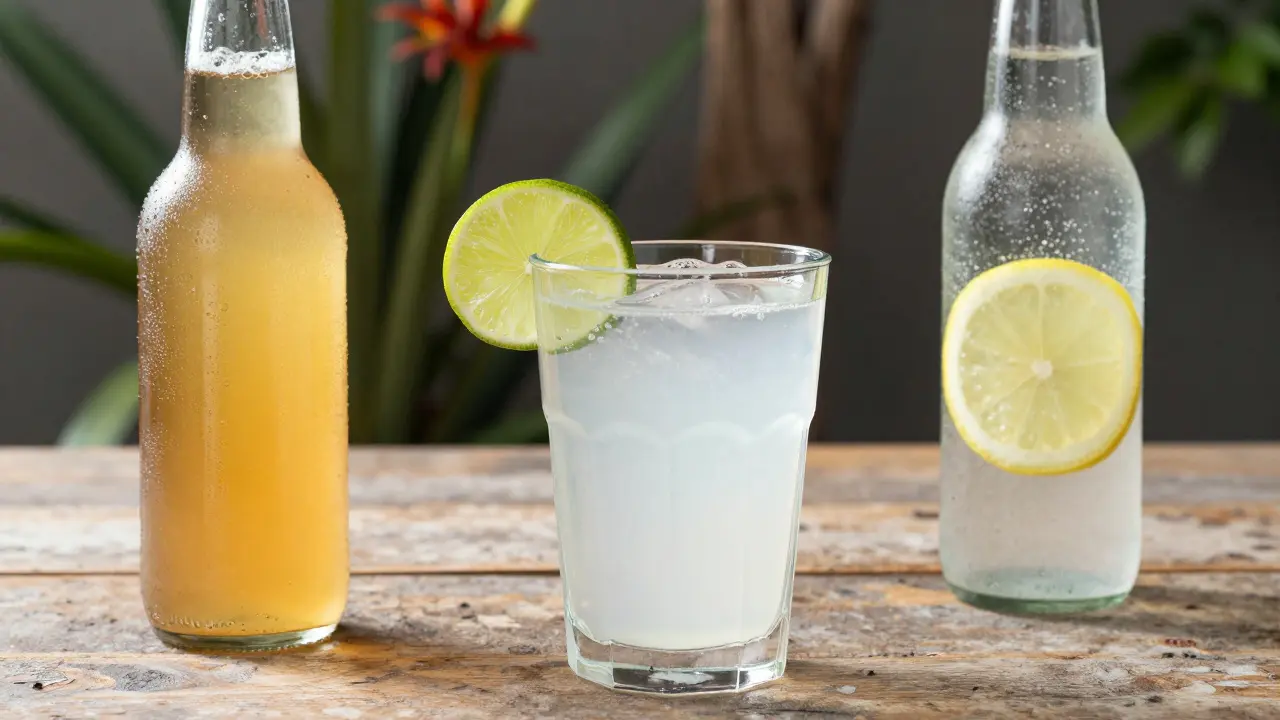
If you miss the fizz of soda but want something better, sparkling water is your answer. Plain carbonated water has zero calories, no sugar, and no artificial sweeteners. Add a squeeze of fresh lemon or lime, and you’ve got a drink that tastes indulgent but does your body good.
Many people think sparkling water harms teeth or leaches calcium from bones. That’s a myth. A 2023 review in the Journal of the American Dental Association found that plain sparkling water is only slightly more acidic than still water and doesn’t damage enamel when consumed in moderation. The real danger? Flavored sparkling waters with citric acid or added sugars. Stick to the simple kind. I switched from diet soda to sparkling water with lime two years ago. My sugar cravings faded. My energy stabilized. I stopped feeling bloated after meals. And I saved money-no more weekly soda runs.
What to Avoid
Just as important as knowing what to drink is knowing what to skip. Energy drinks with 200+ mg of caffeine, artificial colors, and high-fructose corn syrup? They spike your heart rate, crash your blood sugar, and can lead to anxiety or insomnia. Fruit juices-even "100% natural"-are concentrated sugar bombs. One glass of orange juice has the sugar of four oranges, with none of the fiber. Even "vitamin water" and "enhanced" beverages are mostly marketing. Read labels. If the ingredient list looks like a chemistry lab, put it back.
How to Make This Stick
Changing your drink habits doesn’t require perfection. Start with one swap. Replace your afternoon soda with sparkling water and lemon. Swap your morning latte for green tea twice a week. Keep a water bottle with you at all times-even if it’s just half full. Your body will thank you. You’ll notice better sleep, clearer skin, and more steady energy. No extreme diets. No supplements. Just better drinks.
It’s not about being perfect. It’s about making smarter choices, one sip at a time.
Are energy drinks ever healthy?
Most commercial energy drinks are not healthy. They typically contain high doses of caffeine (often over 200 mg per can), large amounts of sugar or artificial sweeteners, and unregulated herbal stimulants like guarana or taurine. These can cause rapid heart rate, anxiety, sleep disruption, and even heart rhythm problems in sensitive individuals. A few newer brands offer low-sugar, naturally caffeinated versions using green tea or yerba mate, but even these should be consumed sparingly. For consistent energy, focus on hydration, sleep, and whole foods instead.
Is coconut water better than sports drinks?
For most people doing moderate exercise-like a 60-minute workout or a long walk-yes, coconut water is better. It provides natural electrolytes without artificial colors, flavors, or excessive sugar. Traditional sports drinks are designed for elite athletes doing prolonged, intense activity (over 90 minutes) who need rapid glucose and sodium replacement. For the average person, coconut water hydrates effectively without the sugar overload. Just check the label: avoid brands with added sugars or flavors.
Can I drink green tea if I’m sensitive to caffeine?
You can, but choose wisely. Green tea has less caffeine than coffee-about 20-45 mg per cup, depending on brewing time and type. If you’re sensitive, opt for decaffeinated green tea or brew it for only 1-2 minutes (caffeine leaches out slowly). Matcha has more caffeine than regular green tea, so start with a small amount. Many people find that the L-theanine in green tea balances out the caffeine, making it easier to tolerate than coffee. Try switching gradually to see how your body responds.
Is sparkling water bad for your teeth?
No, plain sparkling water is not harmful to teeth. It’s slightly more acidic than still water due to carbonation, but studies show it’s far less erosive than soda, juice, or even fruit-flavored sparkling waters with added citric acid. The real risk comes from flavored varieties with sugar or added acids. Stick to plain sparkling water with a squeeze of fresh citrus, and rinse your mouth with water afterward if you’re concerned. Avoid sipping it slowly throughout the day-drink it with meals instead.
What’s the best drink to have first thing in the morning?
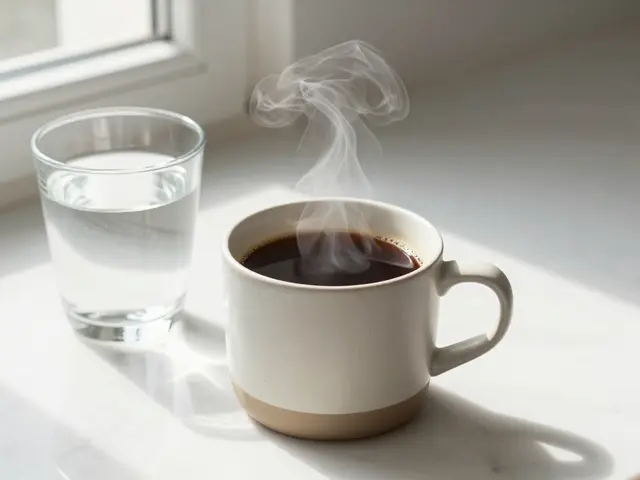
Water. Right after waking up, your body is mildly dehydrated. Drinking a glass of water (or warm water with lemon) kickstarts your metabolism, flushes out overnight toxins, and prepares your digestive system. Wait 20-30 minutes before having coffee or tea. This gives your body time to rehydrate and helps prevent caffeine from masking true fatigue. Many people report feeling more alert and less bloated after making this simple change.
Comments (12)
Nalini Venugopal
17 Dec 2025
Okay but let’s be real - water is the OG. I used to think I needed fancy electrolyte drinks after yoga, then I just started drinking tap water with lemon and saved like $80 a month. No more sugar crashes either. My skin cleared up. My brain stopped feeling like mush by 3 PM. Why complicate it?
Also, green tea > coffee. Always. Even if it’s just one cup a day.
Pramod Usdadiya
17 Dec 2025
i was skeptical about kombucha but tried health ade after reading this and wow. my digestion changed. no more bloating after lunch. also the fizz makes me feel like im drinking soda but its not sugar. i buy it from a local shop in delhi. their version has only 3g sugar per 100ml. best decision ever. also dont drink it on empty stomach if you sensitive like me. wait till after breakfast.
Aditya Singh Bisht
18 Dec 2025
Man this hit different. I used to drink 3 energy drinks a day just to get through work. Then I switched to green tea and sparkling water with lime. No joke - within 10 days I stopped needing naps. My hands stopped shaking. My boss even asked if I was on some new supplement. I just smiled and said ‘tea’.
Coconut water after my morning walk? Absolute game changer. I used to think it was just hippie stuff. Turns out nature knew what it was doing. No more sugary sports drinks for me. Ever.
And water? I carry a 1L bottle everywhere now. Even to the bathroom. People think I’m weird. I don’t care. My kidneys thank me.
Agni Saucedo Medel
19 Dec 2025
YES TO GREEN TEA!! 🫖 I started drinking it cold in the afternoon and my anxiety dropped like a rock. Also, no more 4pm sugar cravings. I even got my mom hooked. She used to drink 2 glasses of juice a day - now she sips sencha with a slice of ginger. 🙌
And kombucha? I used to think it tasted like vinegar. Then I tried a brand with ginger and it was like a party in my mouth. 🤩
ANAND BHUSHAN
20 Dec 2025
Water is good. Green tea is okay. I drink both. No need to overthink it. Just don’t drink soda. That’s the main thing.
Indi s
21 Dec 2025
I used to think sparkling water was boring. Then I started adding lime and a tiny bit of mint. Now I can’t go back. It’s like soda but without the guilt. And I feel lighter. Like my stomach isn’t full of air bubbles from sugar. Also, I sleep better now. Not sure if it’s the drink or just less sugar, but I’m not waking up at 3am anymore.
Rohit Sen
22 Dec 2025
Water? Groundbreaking. Green tea? Basic. Coconut water? Only if you’re a yoga instructor in Bali. Real men drink black coffee and cold tap water. Also, kombucha is just fermented sugar water with a cult following. You’re not ‘gut health warrior’ - you’re just drinking sweet tea with bubbles.
Vimal Kumar
24 Dec 2025
Hey Rohit - I get you’re joking but I’ve seen people actually feel better switching to these drinks. My cousin was always tired, bloated, and moody. She swapped soda for sparkling water with lemon and green tea for coffee. In two weeks she said she felt like a new person. No magic pills. Just less junk. Maybe not everyone needs kombucha, but for some of us? It’s a game changer. No shame in listening to your body.
Amit Umarani
25 Dec 2025
‘Tap water in Australia is safe’ - irrelevant. This is a global forum. Also, ‘2.5 liters daily’? That’s not scientifically backed for everyone. Hydration needs vary by weight, climate, activity. And ‘matcha has 30-50 mg caffeine’ - wrong. Matcha can have up to 70mg per gram. You’re misinforming people. Also, ‘no sugar’ in kombucha? Most store brands have 12g+ per bottle. You’re being dangerously lazy with facts.
Noel Dhiraj
26 Dec 2025
Just started drinking water first thing in the morning like you said and wow. I used to wake up and reach for coffee like it was oxygen. Now I wait 20 minutes. My stomach doesn’t feel like it’s in a war anymore. I even feel more awake without caffeine. Who knew? Also, I’ve been adding a slice of lemon and it’s weirdly satisfying. Like a little ritual. I think I’m becoming a healthy person. Who knew it could be this simple
vidhi patel
27 Dec 2025
It is imperative to note that the assertion regarding sparkling water’s safety for dental enamel is fundamentally flawed. The pH of carbonated water, even when unflavored, is approximately 4.5–5.5, which is below the critical threshold of 5.5 for enamel demineralization. Furthermore, the reference to the Journal of the American Dental Association is misleading - the study cited does not conclude ‘no damage’ but rather ‘less erosive than sugary beverages.’ To imply equivalence with still water is scientifically indefensible. Additionally, the recommendation to consume coconut water post-exercise is ill-advised for individuals with renal insufficiency due to its high potassium content. This article, while well-intentioned, exhibits a dangerous level of oversimplification.
Priti Yadav
28 Dec 2025
Wait - you’re telling me to drink green tea and kombucha? Have you seen what’s in those ‘natural’ brands? They’re all owned by big corporations that also make soda. It’s all a scam. They’re just repackaging sugar with buzzwords. And sparkling water? It’s laced with microplastics from the bottles. They don’t tell you that. Your ‘healthy’ drinks are poisoning you slowly. Water from a glass bottle, boiled and cooled - that’s the only real option. Everything else is corporate propaganda.