
Where Do Athletes Get Their Energy? The Real Sources Behind Peak Performance
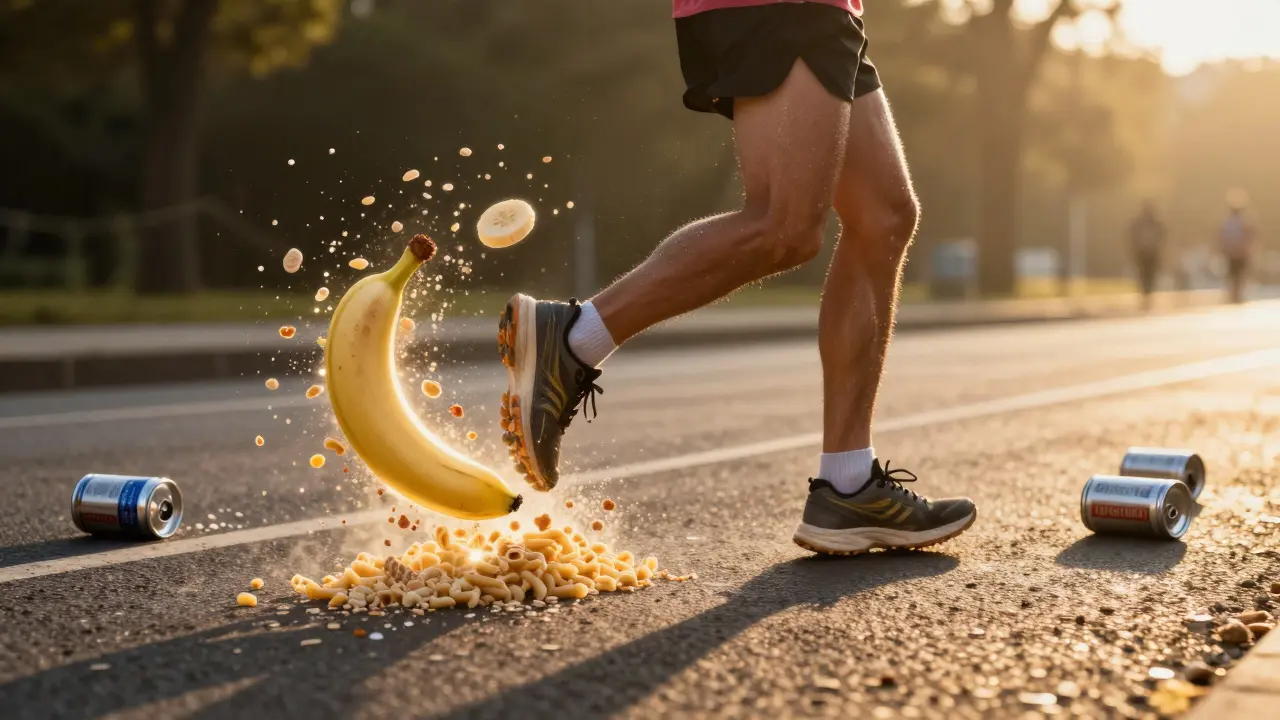
Ever watch a sprinter explode out of the blocks or a basketball player dive for a loose ball in the final seconds? It looks like pure power. But where does that energy actually come from? It’s not magic. It’s not just caffeine. And it’s definitely not the energy drink they chugged before the game.
The truth is, athletes get their energy from a mix of food, sleep, hydration, and smart timing-not from a can. Energy drinks might be everywhere at sports events, but they’re not the main fuel. Let’s cut through the noise and look at what really keeps athletes moving.
Carbohydrates: The Primary Fuel
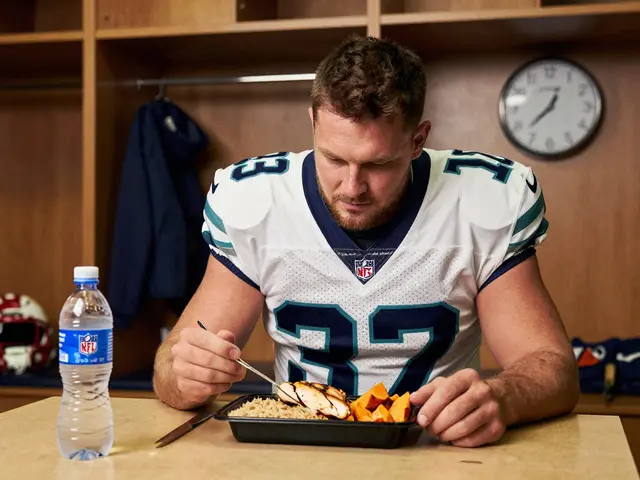
When you think of energy, think of glucose. That’s the sugar your body runs on during intense activity. Athletes load up on carbohydrates long before competition. A marathoner might eat pasta the night before. A soccer player eats rice, bananas, or oatmeal hours before kickoff. These aren’t random choices-they’re science-backed.
Your muscles store glucose as glycogen. When you start moving, your body breaks that down into usable energy. The average athlete can store about 350-400 grams of glycogen. That’s enough for roughly 90 minutes of high-intensity effort. After that? Fatigue hits hard. That’s why endurance athletes eat during events-gels, sports bars, even dried fruit. They’re not trying to get a buzz. They’re refueling.
Fats and Proteins: The Backup Plan
Carbs are the star, but fats and proteins play supporting roles. Fats provide slow-burning energy for low-to-moderate intensity activities. A cyclist on a long training ride burns fat as their body taps into reserves. Proteins don’t directly fuel movement, but they help repair muscle tissue after training. Without recovery, performance drops. No amount of energy drink can fix torn muscle fibers.
Many athletes eat balanced meals with lean meat, eggs, nuts, and avocados. These aren’t trendy superfoods. They’re practical. They keep energy steady. They prevent crashes. Energy drinks? They spike blood sugar fast, then drop it harder. That’s the opposite of what athletes need.
Hydration: The Hidden Energy Source
Dehydration kills performance faster than lack of food. Even a 2% loss of body water can reduce strength, endurance, and focus. Athletes don’t just drink water. They track electrolytes-sodium, potassium, magnesium. These minerals help nerves fire, muscles contract, and fluids move where they’re needed.
Look at elite swimmers or tennis players. They sip from bottles during matches. Not because they’re addicted to sugar, but because they’re replacing what they lose through sweat. A 2023 study from the Australian Institute of Sport found that athletes who maintained proper hydration performed 12% better in repeated sprints than those who didn’t. No energy drink could replicate that.
Sleep: The Ultimate Performance Enhancer
You can eat the perfect diet, hydrate like a pro, and still crash if you’re running on four hours of sleep. Sleep isn’t downtime-it’s repair time. During deep sleep, your body releases growth hormone. That’s what rebuilds muscle, balances hormones, and resets your nervous system.
NBA players like LeBron James and tennis champion Novak Djokovic sleep 9-10 hours a night. College athletes who get less than 7 hours are 1.7 times more likely to get injured, according to a 2024 study in the Journal of Clinical Sleep Medicine. Energy drinks might help you stay awake. But they can’t replace sleep. No supplement can.
What About Energy Drinks?
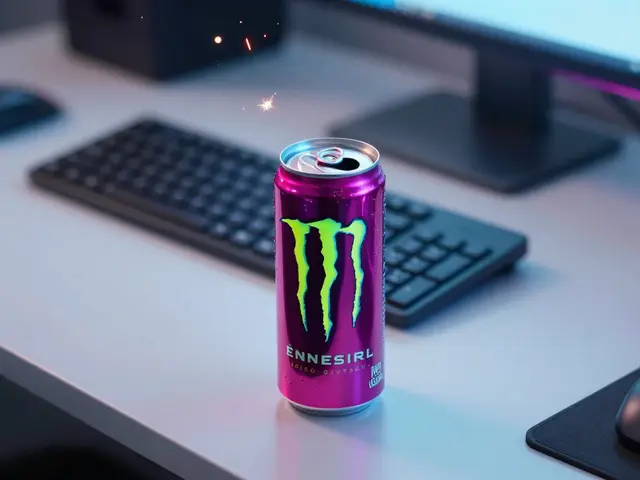
So why do athletes drink them? Sometimes, it’s habit. Sometimes, it’s marketing. Brands sponsor teams, put logos on water bottles, and make it look essential. But here’s the reality: most energy drinks are just sugar water with caffeine and a handful of vitamins.
Take a typical energy drink: 27 grams of sugar, 80mg of caffeine, maybe some B-vitamins. That’s like drinking a can of soda with a stimulant. For a 100-meter sprint? It might give a short mental boost. For a 3-hour match? It’ll cause a sugar crash, jitters, and dehydration.
Some athletes use them strategically-like a sprinter before a race or a gamer before a tournament. But even then, they’re not relying on it for energy. They’re using caffeine for focus, not calories. And they’re careful. Too much caffeine can raise heart rate, disrupt sleep, and even cause heart rhythm issues in extreme cases.
The Real Energy Formula
Here’s what actually works for athletes:
- Carbs before: Eat complex carbs 2-4 hours before activity.
- Hydrate early: Drink water with electrolytes hours before-not right before.
- Snack smart: During long events, use easily digestible carbs like bananas or gels.
- Sleep hard: Aim for 7-9 hours. No exceptions.
- Recover with protein: Eat a mix of protein and carbs within 30 minutes after training.
This isn’t complicated. It’s consistent. It’s boring. And it works better than any flashy can with a logo on it.
Why Energy Drinks Are a Trap
Energy drinks promise a quick fix. But they’re designed to create dependence, not performance. They train your body to expect a sugar rush, then punish you with a crash. Athletes who rely on them often find themselves needing more and more just to feel normal.
And the cost? Beyond the sugar and caffeine, many energy drinks contain unregulated ingredients-taurine, guarana, synthetic stimulants. The FDA doesn’t strictly monitor these. A 2025 report from the Australian Therapeutic Goods Administration flagged 17 energy drinks with unapproved additives. Some had doses of caffeine higher than listed. Others had stimulants banned in sports.
For amateur athletes, especially teens, the risk is real. High caffeine intake can lead to anxiety, insomnia, and even heart palpitations. The American Academy of Pediatrics says adolescents should avoid energy drinks entirely.
What Should Athletes Drink Instead?
Simple. Water. Electrolyte solutions. Coconut water. Milk. Even a banana with peanut butter.
For endurance events, sports drinks with 6-8% carbohydrates and sodium are ideal. They’re formulated to match what your body loses. Brands like Gatorade or Powerade have versions with no artificial colors or high-fructose corn syrup. Look for the label: no added sugar or low glycemic.
Post-workout? Chocolate milk. Yes, really. It has the right ratio of carbs to protein for recovery. Studies show it works as well as expensive recovery shakes. And it’s cheaper.
Final Thought: Energy Isn’t Bought. It’s Built.
Athletes don’t get their energy from stores. They build it. Day after day. Through meals. Through rest. Through discipline. Through consistency.
That energy comes from the kitchen, not the convenience store. From the bed, not the vending machine. From training, not marketing.
So next time you see an athlete reach for a drink before a game, ask yourself: Are they grabbing a performance tool? Or just falling for the hype?
Do energy drinks actually improve athletic performance?
Caffeine in small doses (1-3 mg per kg of body weight) can improve focus and delay fatigue in short, high-intensity events. But the sugar and additives in most energy drinks do more harm than good. They cause energy crashes, dehydration, and digestive issues. For most athletes, the risks outweigh the benefits.
Can energy drinks replace proper nutrition?
No. Energy drinks provide empty calories and stimulants, but no real nutrients. Athletes need complex carbs, protein, healthy fats, vitamins, and minerals to rebuild muscle, fuel workouts, and recover. No drink can replace a balanced meal. Relying on energy drinks leads to nutrient gaps and long-term performance decline.
Are energy drinks safe for teen athletes?
The American Academy of Pediatrics strongly advises against energy drink use for adolescents. Teen bodies are still developing. High caffeine levels can disrupt sleep, increase heart rate, and affect brain development. Many energy drinks also contain unregulated stimulants. For teens, the safest fuel is food, water, and sleep.
Why do professional athletes use energy drinks if they’re bad?
Many don’t. Those who do often use them for psychological reasons-habit, routine, or placebo effect. Some use them in very controlled ways: a small sip before competition for caffeine, not sugar. But most top athletes rely on whole foods, hydration, and sleep. The energy drinks you see in ads are usually paid endorsements, not performance choices.
What’s the best pre-workout snack for athletes?
A banana with almond butter, oatmeal with berries, or a rice cake with honey. These provide steady-release carbs and a little protein or fat to avoid blood sugar spikes. Eat them 1-2 hours before activity. Avoid sugary snacks or drinks right before-your energy will crash faster than it rises.


Comments (11)
Elmer Burgos
11 Feb 2026
Honestly this made me rethink everything I thought I knew about energy drinks. I used to chug one before gym like it was water. Now I just eat a banana and call it a day. Feels way better too.
Who knew the answer was always in the kitchen and not the vending machine?
Jason Townsend
12 Feb 2026
Big Pharma and the NCAA are in bed together. Energy drinks are a trap to keep athletes dependent while they sell you fake science. The real fuel is hidden. They don't want you to know about magnesium and circadian rhythm optimization. They want you hooked on sugar and caffeine so you keep buying their crap.
Antwan Holder
13 Feb 2026
Think about it. Energy isn't just calories. It's rhythm. It's silence between heartbeats. It's the breath you hold before the sprint. The body doesn't need a can. It needs harmony.
We've turned sport into a chemical transaction. We've forgotten that sweat is sacred. That rest is holy. That food is prayer.
When you eat a banana before a race, you're not fueling muscle. You're honoring the earth. You're becoming one with the rhythm of the sun. The energy drink? That's the sound of the system screaming at you to consume. To be addicted. To be numb.
Angelina Jefary
13 Feb 2026
You wrote 'no added sugar' but then mentioned chocolate milk. That's literally added sugar. And you said 'low glycemic' but bananas are high glycemic. You're contradicting yourself. This article is full of sloppy science and inconsistent terminology. Fix your facts before preaching.
Jennifer Kaiser
13 Feb 2026
I used to be the person who drank energy drinks before every workout. Then I started tracking my sleep and hydration. My recovery time cut in half. My anxiety dropped. I didn't need the buzz. I just needed to stop lying to myself.
It's not about willpower. It's about listening. Your body is screaming for water, sleep, and real food. Not a can with a logo.
TIARA SUKMA UTAMA
13 Feb 2026
I'm a coach. Saw a 16-year-old pass out after a game because he drank two energy drinks. Mom said he 'needed the boost.' He just needed a nap and a sandwich.
Stop letting marketing make decisions for kids.
Jasmine Oey
13 Feb 2026
OMG I'm so done with people who think they're 'healthy' because they eat 'complex carbs' like oatmeal. Have you SEEN how much sugar is in those 'sports bars'? And chocolate milk?! Like, really? That's your recovery drink? I mean... if you're into that whole 'basic' vibe I guess. But I'm out here eating fermented kimchi and bone broth before my runs. Real food. Not Instagram nutrition.
Marissa Martin
15 Feb 2026
I read this whole thing and just felt... calm. Like someone finally said what I’ve been feeling for years. No need to shout. No need to prove anything. Just eat. Sleep. Rest. Repeat. It’s simple. And that’s why it’s hard.
James Winter
16 Feb 2026
Canada doesn't have this problem. We don't drink that sugar water. We have real sports science here. You Americans are obsessed with quick fixes. Real athletes train. They don't chug soda before a match.
Aimee Quenneville
17 Feb 2026
So... you're saying the reason LeBron sleeps 10 hours is because he's too rich to be lazy? Lol. Meanwhile I'm over here trying to get 6 hours between my two jobs and my kid's soccer games. Don't act like this is accessible to everyone. Real talk: not everyone has time to prep banana and almond butter before work. Sometimes you just need the can.
Cynthia Lamont
19 Feb 2026
This whole article is a joke. You say energy drinks are dangerous but then recommend Gatorade? Did you even read the ingredients? High-fructose corn syrup. Artificial flavors. Sodium citrate. It's the same garbage with a different label. And chocolate milk? Are you kidding? That's just sugar with a protein garnish. You're not solving the problem. You're just rebranding the poison. Real athletes don't need snacks. They need discipline. And discipline doesn't come from a banana. It comes from sacrifice. And you're not talking about that.