
Is Alpine Bliss Healthy? The Real Facts Behind the Buzz
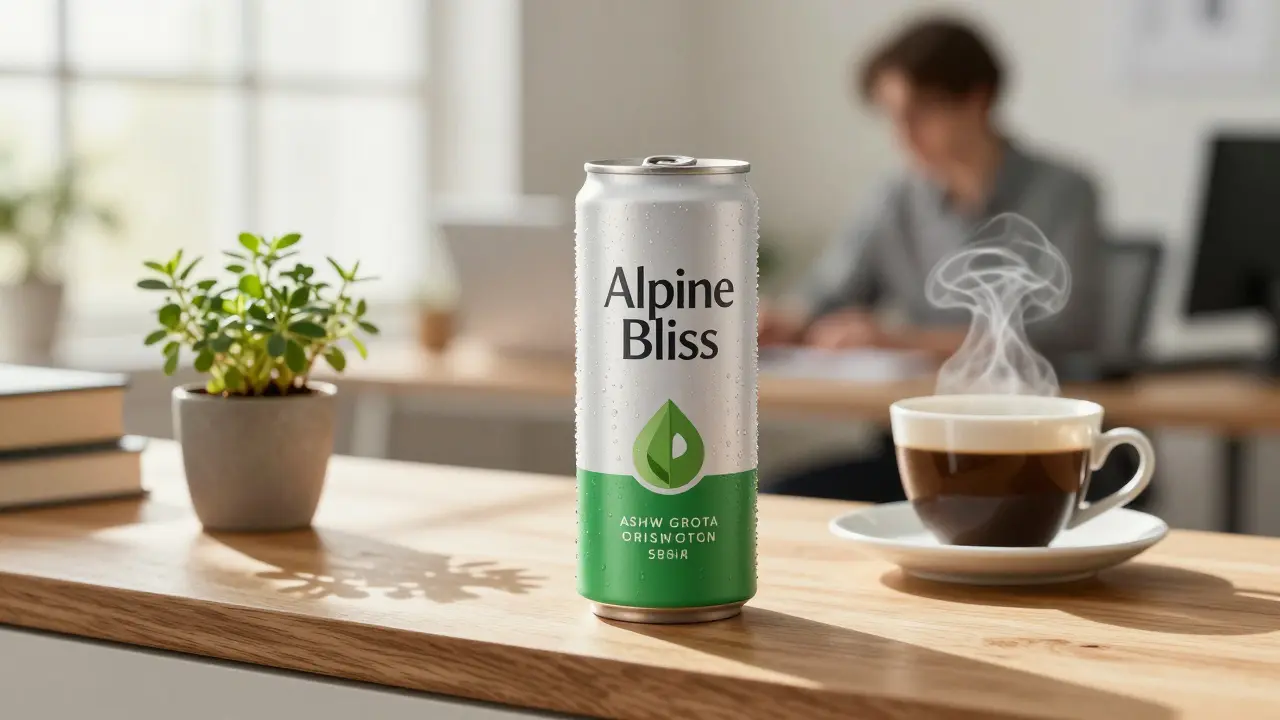
When you see a can of Alpine Bliss sitting on the shelf next to the usual sugary energy drinks, it’s easy to assume it’s the healthier choice. After all, it’s marketed as ‘alpine bliss’-crisp, pure, natural. But is it really? Or is this just another clever label masking a sugar-coated punch? Let’s cut through the marketing and look at what’s actually inside.
What’s in Alpine Bliss?
Alpine Bliss is a low-calorie energy drink that claims to deliver clean energy using natural ingredients. The base includes carbonated water, erythritol (a sugar alcohol), and stevia leaf extract for sweetness. That’s a good start-no high-fructose corn syrup, no sucrose. The caffeine content is 120 mg per can, which is about the same as a strong cup of coffee. Not extreme, but enough to make you feel alert without the jitters if you’re not sensitive.
The real differentiator? The added adaptogens. Alpine Bliss includes ashwagandha, rhodiola rosea, and L-theanine. These aren’t just buzzwords. Ashwagandha is an herb used in Ayurvedic medicine for over 3,000 years to reduce stress. Rhodiola has been studied in Scandinavian countries for fatigue resistance. And L-theanine, found naturally in green tea, helps smooth out caffeine’s sharp edge, giving you focus without the crash.
Compare that to traditional energy drinks. Most pack 30-40 grams of sugar-roughly 8 teaspoons-and rely on synthetic caffeine, taurine, and B-vitamins in doses that don’t match real science. Alpine Bliss avoids all of that.
Is 120 mg of Caffeine Safe?
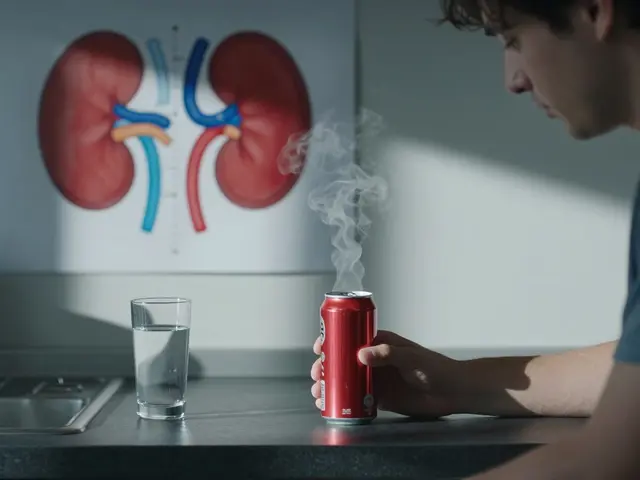
The FDA says healthy adults can safely consume up to 400 mg of caffeine daily. So one can of Alpine Bliss is well within limits. But here’s the catch: people don’t stop at one. If you’re sipping one in the morning, another after lunch, and maybe a third in the afternoon, you’re flirting with overconsumption. That’s not the drink’s fault-it’s human behavior.
Also, if you’re pregnant, under 18, or have anxiety or heart conditions, 120 mg can be too much. Always check with your doctor if you’re unsure. Alpine Bliss doesn’t hide this-it clearly labels caffeine content and includes a warning for sensitive individuals.
The Sugar Alcohol Factor
Erythritol is the sweetener of choice in Alpine Bliss. It’s about 70% as sweet as sugar, has zero calories, and doesn’t spike blood glucose. That’s why it’s popular in keto and diabetic-friendly products. But here’s what most people don’t know: in 2023, a major study in Nature Medicine linked high doses of erythritol to increased blood clot risk in people with existing cardiovascular conditions. The study used amounts far beyond what’s in one can-like 10-20 grams daily, while Alpine Bliss only has 3 grams per can.
For most healthy people, that 3 grams won’t matter. But if you’re managing heart disease or blood clotting disorders, it’s worth talking to your doctor. Alpine Bliss doesn’t claim to be ‘heart-healthy’-it just says ‘low-sugar.’ That’s honest.
Adaptogens: Hype or Help?
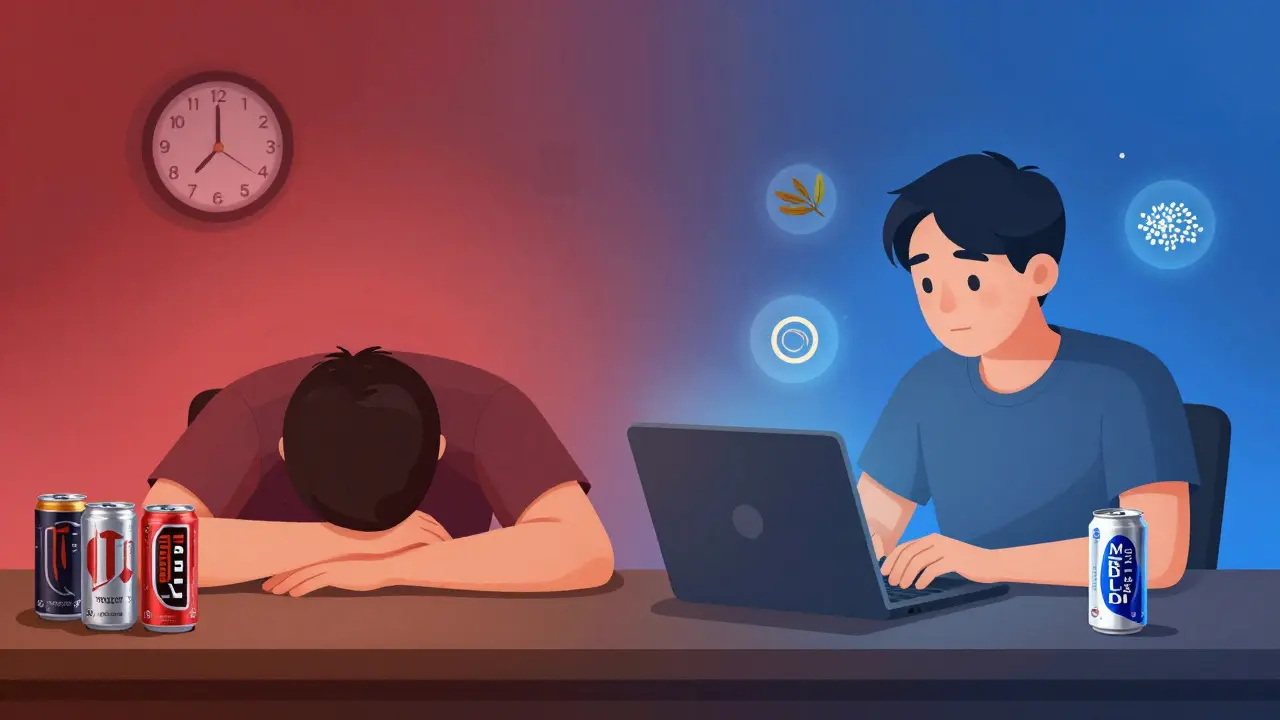
Let’s be real: adaptogens like ashwagandha and rhodiola are trendy. But they’re not magic. A 2022 meta-analysis in the Journal of Alternative and Complementary Medicine found that rhodiola reduced perceived fatigue in 7 out of 10 clinical trials. Ashwagandha showed moderate stress reduction in 8 of 12 studies. The effects are real, but subtle. You won’t feel a surge. You’ll notice you’re less irritable after a long day. Your focus might hold longer. That’s not a buzz-it’s a quiet improvement.
Alpine Bliss doesn’t overpromise. It doesn’t say ‘cures stress’ or ‘boosts immunity.’ It just adds them. And since the doses are standardized (150 mg ashwagandha, 100 mg rhodiola per can), you know exactly what you’re getting. That’s rare in this industry.
Who Should Drink Alpine Bliss?
It’s a good fit for:
- People who want to cut sugar but still need an afternoon pick-me-up
- Remote workers or students needing steady focus without crashing
- Those avoiding artificial sweeteners like aspartame or sucralose
- Anyone who’s tried other energy drinks and felt wired then wrecked
It’s not ideal for:
- Children or teens under 18
- People with severe anxiety or insomnia
- Those with known sensitivity to caffeine or sugar alcohols
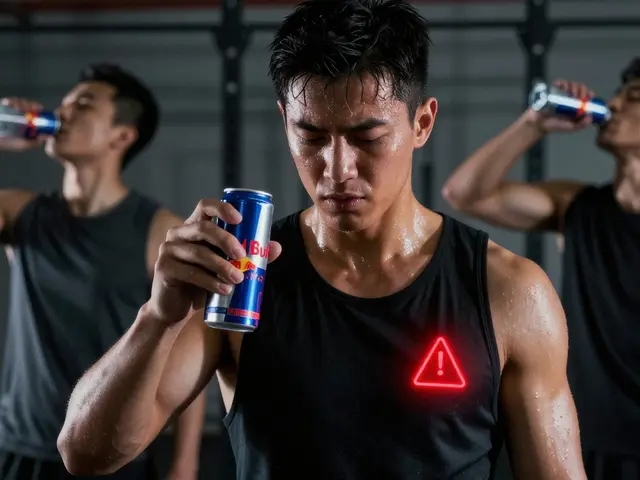
- People who need instant energy for high-intensity workouts (it’s not a pre-workout)
How It Compares to Other ‘Healthy’ Energy Drinks
| Brand | Caffeine (mg) | Sweetener | Adaptogens | Calories | Added Sugar |
|---|---|---|---|---|---|
| Alpine Bliss | 120 | Erythritol + Stevia | Ashwagandha, Rhodiola, L-theanine | 5 | 0 g |
| Keto Energy | 150 | Stevia only | None | 0 | 0 g |
| Guru Lite | 100 | Organic cane sugar | Green tea extract | 10 | 2.5 g |
| Monster Zero | 160 | Aspartame, acesulfame K | None | 0 | 0 g |
| Zevia Energy | 120 | Stevia only | None | 0 | 0 g |
Alpine Bliss stands out because it combines moderate caffeine with science-backed adaptogens and avoids artificial sweeteners. Most others either go all-in on caffeine (Monster) or use sugar (Guru Lite). Alpine Bliss tries to balance energy, calm, and cleanliness.
Is It Truly Healthy?
‘Healthy’ is a loaded word. No energy drink is a health food. But Alpine Bliss is one of the least harmful options on the market. It doesn’t trick you with false promises. It doesn’t hide ingredients. It doesn’t load you up with sugar or synthetic stimulants.
Think of it this way: if you’re going to drink an energy drink, this is the version you’d pick if you were trying to minimize harm. It’s not a substitute for sleep, hydration, or good nutrition. But for occasional use-say, a long workday or a study session-it’s a smart choice.
And here’s the kicker: it tastes good. Not like medicine. Not like chalk. It’s crisp, lightly sweet, with a subtle herbal finish. No aftertaste. No metallic bite. That matters. If it tasted awful, no one would drink it regularly-even if it was ‘healthy.’
Final Verdict
Is Alpine Bliss healthy? Not in the way spinach or oatmeal is. But compared to every other energy drink on the shelf? Yes, it’s the healthiest option you can reasonably choose. It’s low in calories, free of sugar and artificial sweeteners, and contains ingredients with real research backing their effects on focus and fatigue.
Drink it occasionally. Don’t rely on it daily. Stay hydrated. Get enough sleep. And if you’re concerned about erythritol or caffeine, talk to your doctor. But if you’re looking for a clean, effective, tasty energy boost without the crash? Alpine Bliss delivers.
Is Alpine Bliss safe for daily use?
For most healthy adults, having one can of Alpine Bliss daily is generally safe. The caffeine (120 mg) is within recommended limits, and the ingredients are non-toxic at this dose. However, daily use of any stimulant can lead to tolerance, disrupted sleep, or increased anxiety in sensitive individuals. It’s best to limit it to 3-4 times a week and take breaks.
Does Alpine Bliss help with anxiety?
Not directly. While it contains ashwagandha and L-theanine-both linked to reduced stress in studies-it’s not a treatment for anxiety. The caffeine can even worsen anxiety in some people. If you have diagnosed anxiety, avoid energy drinks entirely or consult your doctor before trying Alpine Bliss.
Can I drink Alpine Bliss while pregnant?
The American College of Obstetricians and Gynecologists recommends limiting caffeine to under 200 mg per day during pregnancy. One can of Alpine Bliss (120 mg) fits within that, but the adaptogens (ashwagandha, rhodiola) haven’t been studied enough in pregnancy. Most doctors advise avoiding herbal supplements during pregnancy unless approved. Better to skip it.
Why does Alpine Bliss have erythritol if it might cause blood clots?
The 2023 study linked very high doses of erythritol (10-20 grams daily) to clotting risk in people with existing heart disease. Alpine Bliss contains only 3 grams per can. For healthy people, that’s not a concern. The brand uses erythritol because it’s one of the few natural sweeteners that doesn’t spike blood sugar or cause digestive issues like other sugar alcohols. It’s a trade-off-but a low-risk one for most.
Is Alpine Bliss better than coffee?
It depends. Coffee has no added ingredients and delivers pure caffeine. Alpine Bliss adds adaptogens and L-theanine, which may improve focus and reduce jitters. If you like the ritual of coffee and don’t need extra support, stick with it. If you want a smoother, more sustained energy with herbal support, Alpine Bliss offers something coffee can’t.
If you’re tired of energy drinks that leave you wired then wrecked, Alpine Bliss is worth a try. It’s not perfect, but it’s one of the few that actually tries to do better. Just don’t expect miracles. Real energy comes from rest, water, and good food. This just helps you get through the day a little smoother.
Comments (10)
mani kandan
20 Feb 2026
Alpine Bliss is one of those rare products that actually walks the talk. Most energy drinks hide behind buzzwords like 'natural' or 'clean' while packing in chemically derived junk. But here? You've got erythritol, stevia, and actual adaptogens with clinical backing. Not hype-science. I’ve switched from Monster Zero to this for my afternoon slump, and the difference isn’t just in taste-it’s in how I feel afterward. No crash. No jittery brain fog. Just steady focus. It’s not a miracle, but it’s the closest thing to a guilt-free stimulant I’ve found.
And yes, the taste is surprisingly elegant. Not sugary, not medicinal. Like a crisp mountain stream with a whisper of herbal depth. Who knew an energy drink could be… refined?
Rahul Borole
21 Feb 2026
From a clinical nutrition perspective, Alpine Bliss represents a significant step forward in functional beverage design. The inclusion of standardized phytochemicals-ashwagandha at 150 mg and rhodiola at 100 mg-aligns with evidence-based dosing ranges identified in meta-analyses from the Journal of Alternative and Complementary Medicine. Moreover, the absence of artificial sweeteners eliminates potential metabolic disruptions associated with aspartame and sucralose.
The erythritol content, at 3g per serving, remains well below the 10g threshold associated with thrombotic risk in the 2023 Nature Medicine study. For healthy adults adhering to one can per day, the risk-benefit profile is favorable. However, chronic daily consumption may still induce mild tolerance to caffeine’s ergogenic effects, suggesting intermittent use is optimal.
Sheetal Srivastava
23 Feb 2026
Let’s be honest-this isn’t ‘healthy.’ It’s corporate greenwashing with a Himalayan filter. Ashwagandha? Rhodiola? L-theanine? These are not ingredients. They’re marketing pawns. You think your body can’t tell the difference between a 120mg caffeine hit and a placebo with fancy Latin names? The real issue isn’t sugar-it’s the cult of ‘biohacking’ that convinces people they’re optimizing their lives while chugging a can of overpriced herbal soda.
And don’t get me started on ‘no aftertaste.’ That’s just a fancy way of saying ‘it’s bland enough to be forgettable.’ If you’re drinking this because you think it’s healing you, you’re just another sucker in the wellness-industrial complex.
Bhavishya Kumar
23 Feb 2026
There is a comma missing after 'erythritol' in the second paragraph. Also, 'l-theanine' should be capitalized as 'L-theanine' throughout. The FDA guidelines are correctly cited but the sentence 'you're flirting with overconsumption' is grammatically incorrect-it should be 'you are flirting' or 'you're flirting' with overconsumption. The hyphen in 'low-sugar' is inconsistent in places. These may seem trivial, but precision matters in scientific communication. A product making clinical claims deserves editorial rigor.
ujjwal fouzdar
25 Feb 2026
There’s something deeply poetic about this drink. It’s not just a beverage-it’s a quiet rebellion against the scream of modern life. We live in a world that tells us to go faster, to burn brighter, to consume more. But Alpine Bliss? It whispers. It doesn’t scream caffeine into your veins. It offers a pause. A breath. A moment where ashwagandha, that ancient root of stillness, meets the sharp clarity of L-theanine.
It’s not about energy. It’s about presence. You don’t drink it to survive the day-you drink it to remember you’re alive in it. And isn’t that what we’re all really searching for? Not a jolt. Not a rush. Just… a little grace.
Now excuse me while I sip my can and contemplate the nature of consciousness.
Anand Pandit
26 Feb 2026
For anyone new to adaptogens, this is a gentle intro. I started with one can a week and noticed my afternoon irritability dropped. Not overnight-but over time. The L-theanine really does soften the caffeine edge. I used to need three coffees by 3 PM. Now I’m fine with one and this. It’s not a magic pill, but it’s a smart swap.
Also, the flavor is underrated. I expected it to taste like herbal tea gone wrong. Instead, it’s clean, slightly sweet, and just… pleasant. No weird aftertaste. No chemical bite. That alone makes it worth a try. Give it a shot if you’re tired of energy drinks that leave you feeling like a shaken soda can.
Reshma Jose
27 Feb 2026
I tried this because my coworker swore by it. Honestly? I was skeptical. But after two weeks of using it instead of my usual Red Bull? I’m hooked. No more 4 PM crash. No more sugar hangover. And the fact that it doesn’t taste like liquid medicine? Huge win. I don’t care if it’s ‘healthy’-I care that it works without wrecking me. Also, the can design is cute. That helps.
Just don’t drink it after 5 PM unless you like staring at the ceiling at 2 AM.
rahul shrimali
1 Mar 2026
One can a day works. No crash. Tastes fine. Better than coffee. Skip the sugar drinks. Done.
Eka Prabha
1 Mar 2026
Of course they use erythritol. It’s cheap. It’s ‘natural.’ It lets them slap ‘low sugar’ on the label while ignoring the real science. That 2023 study? They buried it under marketing fluff. And now they’re telling us ‘3 grams is fine’-but who tracks how many cans you drink in a week? Or how many people combine this with other erythritol products? It’s a slow poison disguised as wellness. They don’t care if you get a blood clot. They care about your subscription.
And don’t even get me started on adaptogens. These aren’t supplements-they’re placebo fillers. If they actually worked, they’d be in pharmaceuticals. But no, they’re in energy drinks because it’s easier to sell dreams than results.
Bharat Patel
2 Mar 2026
It’s funny how we treat energy drinks like they’re either evil or enlightened. But maybe they’re just… tools. Like a hammer. You can use it to build or to break. Alpine Bliss isn’t about health. It’s about intention. Are you drinking it to replace sleep? Then it’s dangerous. Are you drinking it to sustain focus during a 12-hour work sprint while still getting 7 hours of sleep and drinking water? Then it’s just a smart ally.
The real question isn’t ‘Is this healthy?’ It’s ‘Why do I need this?’ If you’re using it to avoid confronting exhaustion, no drink will fix that. But if you’re using it to honor your limits while pushing through a real challenge? Then maybe, just maybe, this little can is doing something right.