
Is Red Bull a sports energy drink? Here's what the label and science actually say
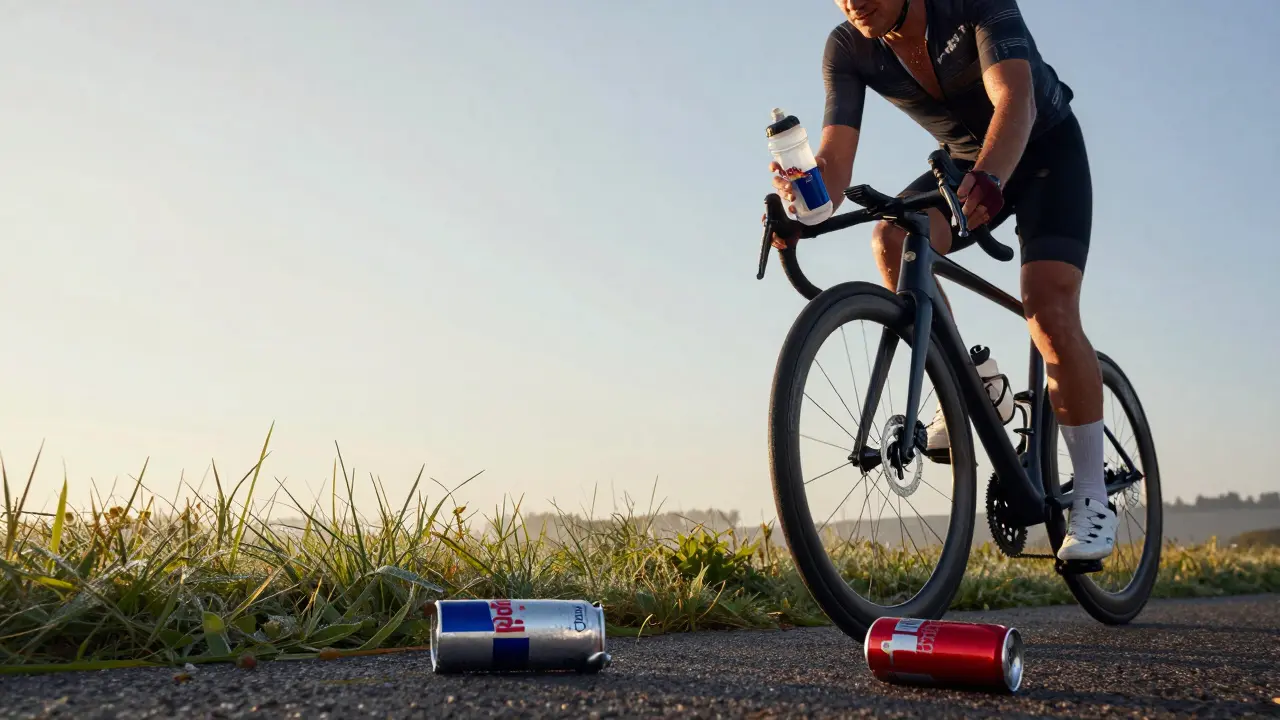
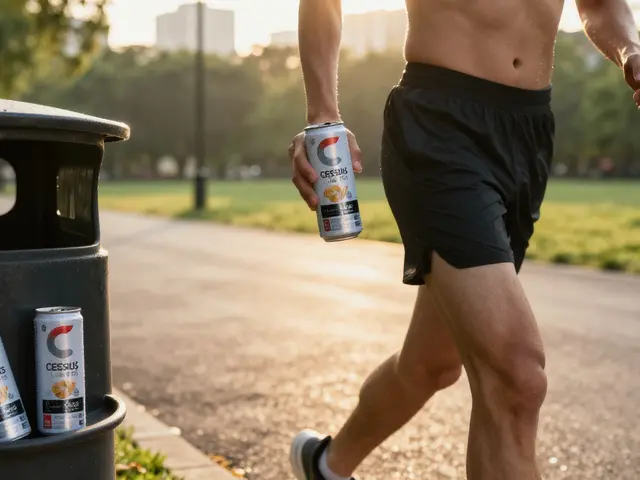
Red Bull is everywhere at gyms, soccer fields, and marathon finish lines. You see athletes chugging it before a big game or after a tough workout. But is it really a sports energy drink? Or is that just marketing? Let’s cut through the noise and look at what’s inside, how it’s used, and what experts actually say.
What’s in Red Bull?
Red Bull’s ingredient list is simple: sugar, caffeine, taurine, B vitamins, and carbonated water. A standard 250ml can has 27 grams of sugar - about 7 teaspoons - and 80mg of caffeine. That’s roughly the same as a cup of home-brewed coffee. The B vitamins (B3, B6, B12) are there in amounts that exceed daily needs, but your body doesn’t store excess B vitamins - it just pees them out. Taurine, an amino acid, is often touted as a performance booster, but studies show it doesn’t significantly improve endurance or strength in healthy adults.
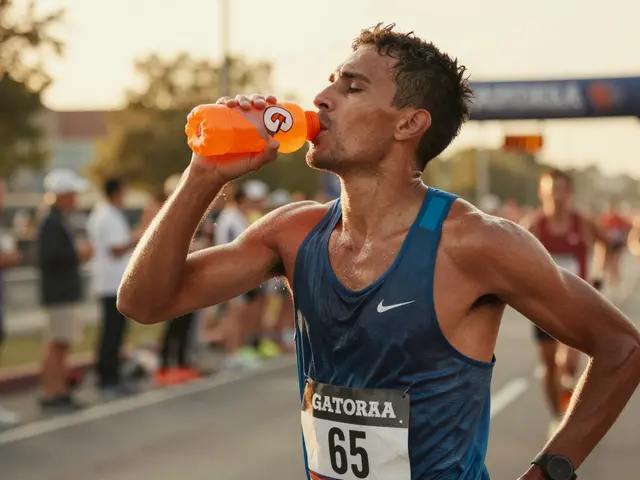
Compare that to a true sports drink like Gatorade or Powerade. Those are designed to replace electrolytes lost through sweat - sodium, potassium, magnesium. Red Bull has none of that. No sodium. No potassium. No chloride. If you’re sweating for more than an hour, you need those minerals back. Red Bull won’t help you recover from dehydration.
Who uses Red Bull and why?
Professional athletes do drink it - but rarely during competition. You’ll see them sip it before a game, during warm-ups, or right after a match. Why? Because it gives them a mental edge. Caffeine is a proven stimulant. It reduces perceived effort, sharpens focus, and delays fatigue. That’s why the NCAA allows up to 500mg of caffeine per day for athletes - Red Bull falls well under that limit.
But here’s the catch: the performance boost comes from caffeine, not the sugar or taurine. And caffeine works just as well from coffee, tea, or even caffeine pills - and without the sugar crash. Many elite runners, cyclists, and weightlifters skip Red Bull entirely and use caffeine gels or shots instead. They know sugar isn’t helping their endurance - it’s just adding empty calories.
Is Red Bull designed for sports?
Red Bull doesn’t market itself as a hydration solution. It markets itself as a mental and physical ‘boost.’ The brand sponsors extreme sports - wingsuit flying, cliff diving, motocross - not marathons or triathlons. The imagery is adrenaline, not endurance. The slogan, ‘Red Bull gives you wings,’ isn’t about recovery. It’s about feeling invincible for a few hours.
There’s a reason you don’t see Red Bull at the Olympic hydration stations. The IOC and most national sports federations don’t list it as a recommended sports beverage. They recommend water, electrolyte solutions, and sometimes carbohydrate gels - not sugary, non-electrolyte drinks.
What do nutritionists say?
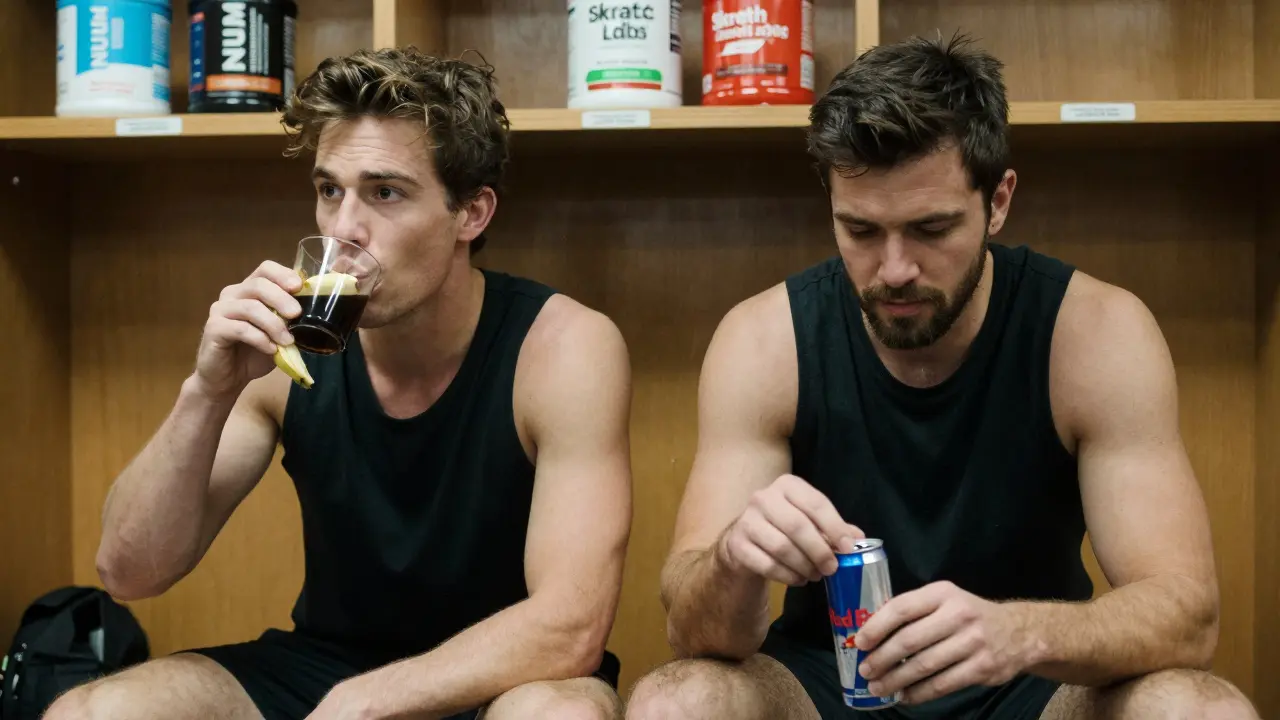
Registered dietitians who work with athletes are clear: Red Bull is not a sports drink. It’s an energy drink. And the difference matters.
Dr. Sarah Lin, a sports nutritionist in Melbourne, puts it bluntly: ‘If your goal is to hydrate, refuel, and recover after training, Red Bull is the wrong tool. If you need a quick mental jolt before a big presentation or a late-night study session, sure - go ahead. But don’t confuse a stimulant with a recovery aid.’
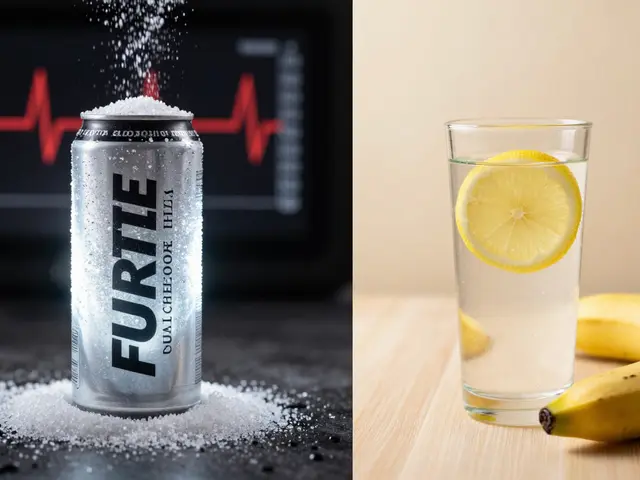
Studies from the Journal of the International Society of Sports Nutrition show that athletes who rely on sugary energy drinks like Red Bull for pre-workout fuel often experience worse performance in longer events due to blood sugar spikes and crashes. One 2023 trial with 80 amateur cyclists found those who drank Red Bull before a 40km ride had higher initial power output - but dropped off 30% faster in the final 10km than those who drank water with a pinch of salt and a banana.
When is Red Bull actually useful for athletes?
There are two real scenarios where Red Bull makes sense for someone active:
- Before a short, high-intensity event - like a 100m sprint, a powerlifting session, or a 15-minute boxing match. The caffeine helps with reaction time and aggression.
- As a mental pick-me-up after a long day - if you’re training after work and you’re mentally drained, a can might help you push through the door.
But even then, it’s not ideal. A better option? A small black coffee (no sugar) and a piece of fruit. Same caffeine, no sugar crash, and actual nutrients.
What about the sugar?
Twenty-seven grams of sugar per can is a problem. The World Health Organization recommends no more than 25 grams of added sugar per day for adults. One Red Bull hits that limit. For kids, teens, or anyone trying to manage weight or blood sugar, that’s a red flag.
There’s a version called Red Bull Zero - no sugar, no calories. It still has the same caffeine and taurine. If you’re looking for the stimulant effect without the sugar, that’s a better choice. But again - it’s still not replacing electrolytes or fueling muscle recovery.
So, is Red Bull a sports energy drink?
No. It’s not.
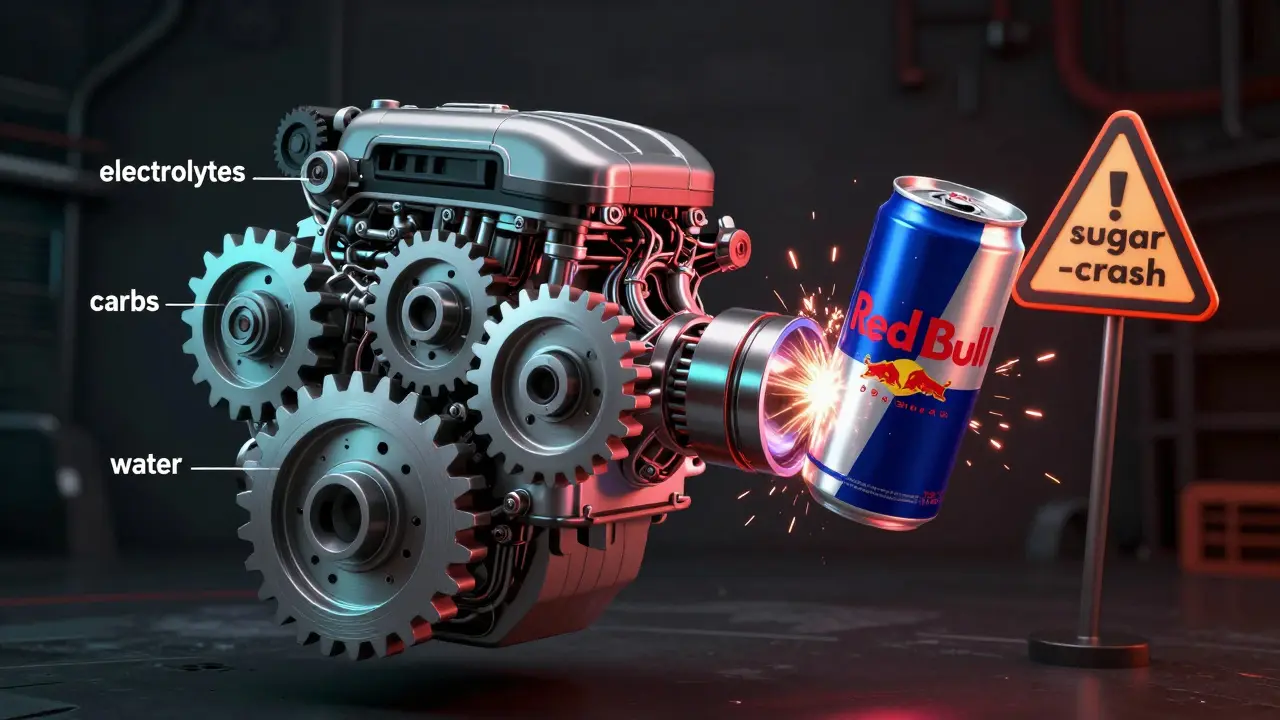
It’s an energy drink that some athletes use for its caffeine content. But it lacks the core components of a true sports drink: electrolytes, carbohydrates for sustained energy, and hydration support. Calling it a ‘sports energy drink’ is misleading. It’s like calling a chainsaw a hammer because you once used it to knock a nail in.
If you’re training hard, your body needs more than a jolt. It needs hydration, minerals, and real fuel. Red Bull doesn’t deliver that. It delivers a quick buzz - and then a crash. And if you’re drinking it regularly, you’re likely replacing water with sugar, not supporting your performance.
What should athletes drink instead?
For workouts under 60 minutes: water. Plain, cold water.
For longer sessions (60+ minutes): an electrolyte drink with 20-30g of carbs per hour - like Nuun, Skratch Labs, or even a homemade mix of water, lemon juice, salt, and honey.
For pre-workout focus: a small cup of black coffee or a caffeine tablet (100-200mg). No sugar. No additives. Just caffeine.
For recovery: chocolate milk. Yes, really. It has the perfect ratio of carbs to protein, plus electrolytes and fluids. It’s been studied in over 20 peer-reviewed papers. Red Bull? Not even close.
Is Red Bull good for athletes?
Red Bull isn’t good for athletic performance in the way sports drinks are. It can help with mental alertness before short, intense efforts thanks to caffeine, but it doesn’t hydrate, replenish electrolytes, or provide sustained energy. For recovery or endurance, it’s ineffective and potentially harmful due to its high sugar content.
Does Red Bull improve endurance?
No. Studies show Red Bull doesn’t improve endurance performance. The caffeine may delay fatigue slightly, but the sugar spike leads to a crash later in long events. Athletes who rely on it often perform worse over time compared to those using water and real carbohydrates like bananas or energy gels.
Can I drink Red Bull before a game?
You can - and many athletes do - but only if it’s part of a broader plan. Drink it 30-45 minutes before a short, high-intensity game (like basketball or soccer) for a mental boost. But don’t rely on it. Skip the sugar version. Go for Red Bull Zero and pair it with water and a light snack. Avoid drinking it during or right after the game - it won’t help you recover.
Is Red Bull Zero better for athletes?
Yes, if you’re looking for caffeine without sugar. Red Bull Zero has the same 80mg of caffeine and taurine but zero grams of sugar and no calories. It’s still not a sports drink - it doesn’t replace electrolytes - but it’s a cleaner option for pre-workout stimulation. Still, coffee or caffeine pills are cheaper and more precise.
Why do so many athletes drink Red Bull if it’s not good for them?
Because of branding and habit. Red Bull spends millions sponsoring athletes and events. You see them on the sidelines, and it feels like a performance tool. But most elite athletes who know the science avoid it. The ones you see drinking it are often in team sports where it’s part of team culture - not because it’s scientifically beneficial.
Bottom line
Red Bull isn’t a sports energy drink. It’s a caffeine-and-sugar product with a slick marketing machine behind it. Athletes use it for the caffeine - not because it helps them perform better. If you’re serious about your training, treat your body like the machine it is. Fuel it with real nutrients. Hydrate with water and electrolytes. Use caffeine if you need it - but skip the sugar. Your body will thank you.
Comments (15)
Jen Becker
27 Jan 2026
Red Bull is just sugar water with a fancy logo. I drank it before a 5K once and crashed harder than my phone battery. Don't be fooled.
Also, why do people think caffeine = performance? I just drink water and call it a day.
Ryan Toporowski
29 Jan 2026
Yessss!! This is exactly why I switched to black coffee before workouts 🙌 No sugar crash, just clean focus. Also, chocolate milk after? Genius. I’m telling my whole team.
👏👏👏
Samuel Bennett
29 Jan 2026
Correction: Red Bull doesn’t even have ‘taurine’ as a performance enhancer - it’s a synthetic amino acid derived from bull semen, which is why they use bulls in the logo. You’re being manipulated by corporate mythology. Also, ‘B vitamins’? Your body excretes them - so you’re literally paying to pee gold.
And yes, I checked the patent filings. It’s all smoke and mirrors.
Rob D
31 Jan 2026
Look, I don’t care what some ‘nutritionist’ in Melbourne says - if it’s good enough for the UFC, it’s good enough for me. You think LeBron’s sipping electrolyte water? Nah. He’s got a can of Red Bull in his locker like a war chest. This is America. We don’t do ‘moderation.’ We do wings. Real wings. Not the kind you get from Domino’s.
Also, sugar’s not the enemy - weak people are the enemy.
Franklin Hooper
1 Feb 2026
Interesting. The distinction between energy drink and sports drink is clinically significant. The absence of sodium and potassium renders it physiologically inert for post-exertional recovery. Caffeine’s ergogenic effect is well-documented, yet its adjuncts - sugar, taurine - are pharmacologically redundant.
Still, marketing trumps biology.
Jess Ciro
1 Feb 2026
They’re hiding something. Why do you think Red Bull sponsors extreme sports and not Olympic swimming? Because they know if you actually use it for endurance, people would notice it makes you dehydrated and shaky. The government knows. The WHO knows. But they let it slide because the sugar industry owns everything.
Also, taurine is from bull testicles. You’re drinking bull junk.
saravana kumar
1 Feb 2026
Actually, in India, we have a drink called Electral - it has proper electrolytes, no sugar, and costs 10 rupees. Red Bull is a Western overpriced gimmick. Athletes here who train in 40°C heat don’t drink it - they drink coconut water and salted lemonade. Simple. Effective. No marketing needed.
Tamil selvan
2 Feb 2026
Thank you for this thoughtful, well-researched article. As someone who has coached youth athletes for over two decades, I can confirm: hydration, electrolyte balance, and natural carbohydrates are the true pillars of athletic performance. Red Bull may offer a fleeting psychological lift, but it undermines long-term health and recovery. I will be sharing this with every parent and student in my program.
With sincere appreciation.
Mark Brantner
3 Feb 2026
ok so i just tried red bull zero before a spin class and i swear i felt like a robot on caffeine mode 🤖⚡ but then i ate a banana and i was like… why did i even do that? also who invented taurine? was it a mad scientist? i need answers.
Kate Tran
3 Feb 2026
My cousin’s a pro cyclist and he swears by coffee + banana. Says Red Bull makes his stomach feel like it’s full of soda bombs. I used to drink it after gym… now I just drink tea and laugh at the ads.
Also, ‘gives you wings’? More like ‘gives you a 3pm crash and regret’.
amber hopman
5 Feb 2026
I love how this breaks it down so clearly. I used to think Red Bull was ‘fuel’ until I started tracking my energy levels. Sugar spike, then 2 hours of zombie mode. Now I use a 100mg caffeine pill and an apple. Same effect, no crash. Why didn’t anyone tell me this sooner?
Also, chocolate milk? I’m trying it after my next run. Fingers crossed.
Jim Sonntag
5 Feb 2026
Look, I get it. Marketing is powerful. But let’s be real - if Red Bull was truly a sports drink, they’d put it in the locker room next to the ice baths. Instead, it’s next to the energy bars and the glow sticks at raves.
Also, ‘gives you wings’? More like ‘gives you a caffeine hangover and a credit card bill’.
Deepak Sungra
5 Feb 2026
Bro, I used to chug Red Bull before my 10km runs in Delhi heat. Ended up in the hospital once - dehydration, sugar shock, the whole thing. Now I drink lassi with a pinch of salt. Tastes better, doesn’t make me feel like I’m dying. Also, taurine? That’s just bull juice. No thanks.
Samar Omar
6 Feb 2026
It is not merely a question of electrolytes or caffeine - it is a profound metaphysical betrayal of athletic integrity. The modern athlete, seduced by neon branding and the illusion of biochemical transcendence, has abandoned the ancient wisdom of hydration, rest, and whole foods. Red Bull is not a drink - it is a symbol of our collective spiritual decay. The body is a temple, and we have replaced its sacred nectar with corporate syrup laced with synthetic amino acids harvested from the existential void.
And yet… I still buy it. I am not proud.
chioma okwara
6 Feb 2026
you guys are overthinking this. red bull is just a drink. if it helps you get through your workout, then good for you. who cares if it has sugar? my grandma drinks it every morning with her chai. she’s 82 and still walks 5 miles. science? pfft. real life is not a lab report.