
What Happened to 4 Loko? The Rise, Fall, and Comeback of a Controversial Energy Drink
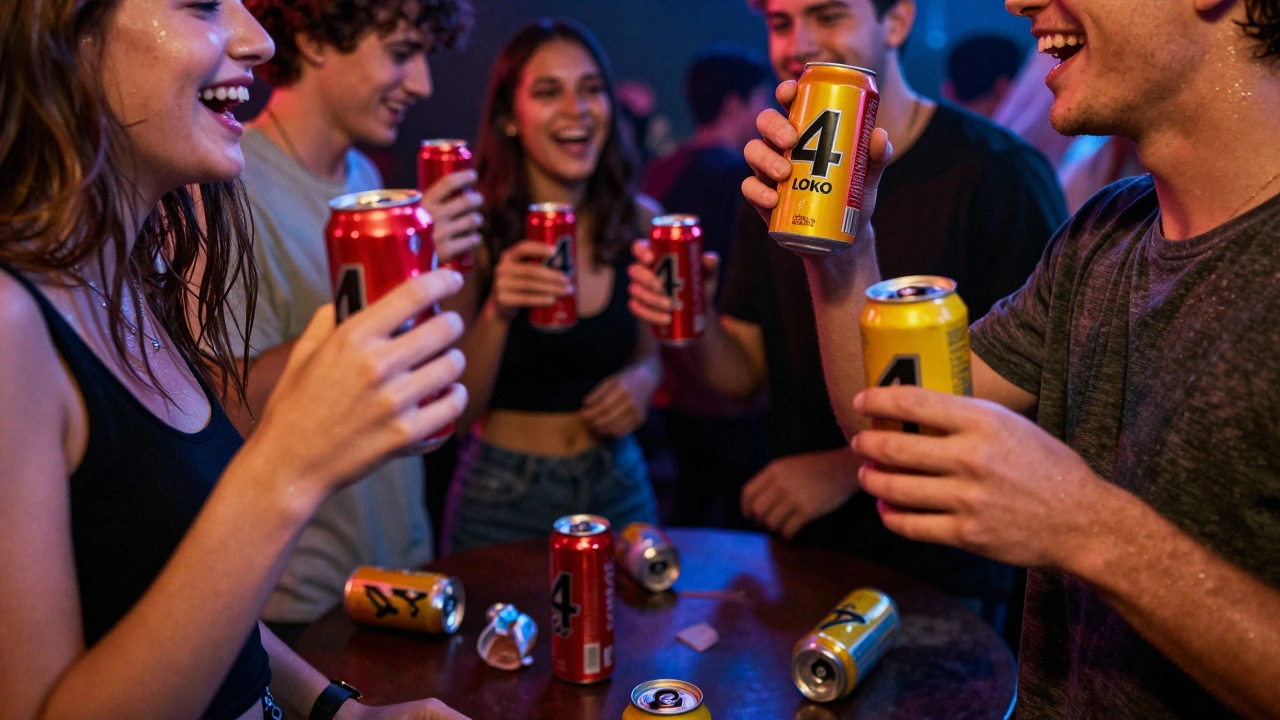
Back in 2009, if you were at a college party, there was a good chance someone was holding a can of 4 Loko. It wasn’t just another energy drink-it was a punch in a can. One can had as much caffeine as five cups of coffee, plus enough alcohol to get you drunk. It was cheap, it was loud, and it was everywhere. Then, in 2010, everything changed.
The Perfect Storm: Caffeine, Sugar, and Alcohol
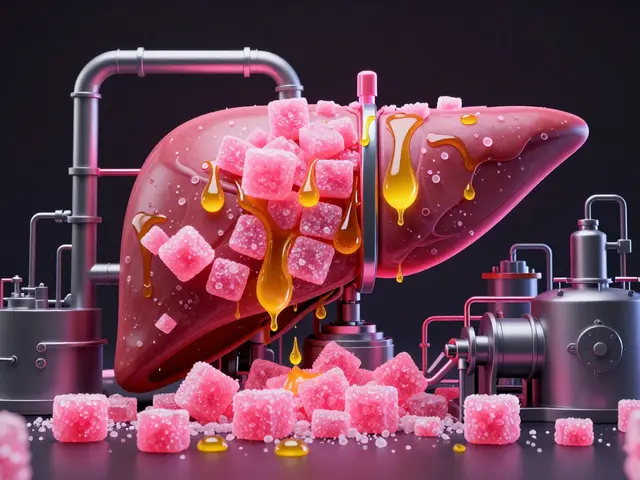
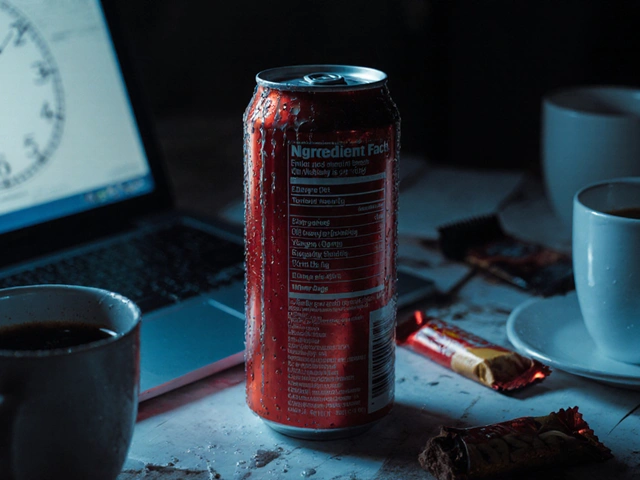
4 Loko wasn’t designed to be a drink for athletes. It was made for people who wanted to party hard without buying multiple bottles. The original formula mixed 12% alcohol (equivalent to four beers) with 260 milligrams of caffeine-more than a Starbucks Venti. Add in 66 grams of sugar and a mix of guarana and taurine, and you had a drink that masked how drunk you actually were.
People didn’t feel the usual signs of intoxication because caffeine kept them awake and alert. They thought they were fine to drive, to keep drinking, or to do things they’d normally avoid when drunk. That’s what made it dangerous. Emergency rooms started seeing young adults passed out, in cardiac arrest, or needing IV fluids after drinking just one or two cans. The CDC reported over 1,200 emergency visits linked to 4 Loko in 2010 alone.
The Crackdown: How the Government Took It Off the Shelf
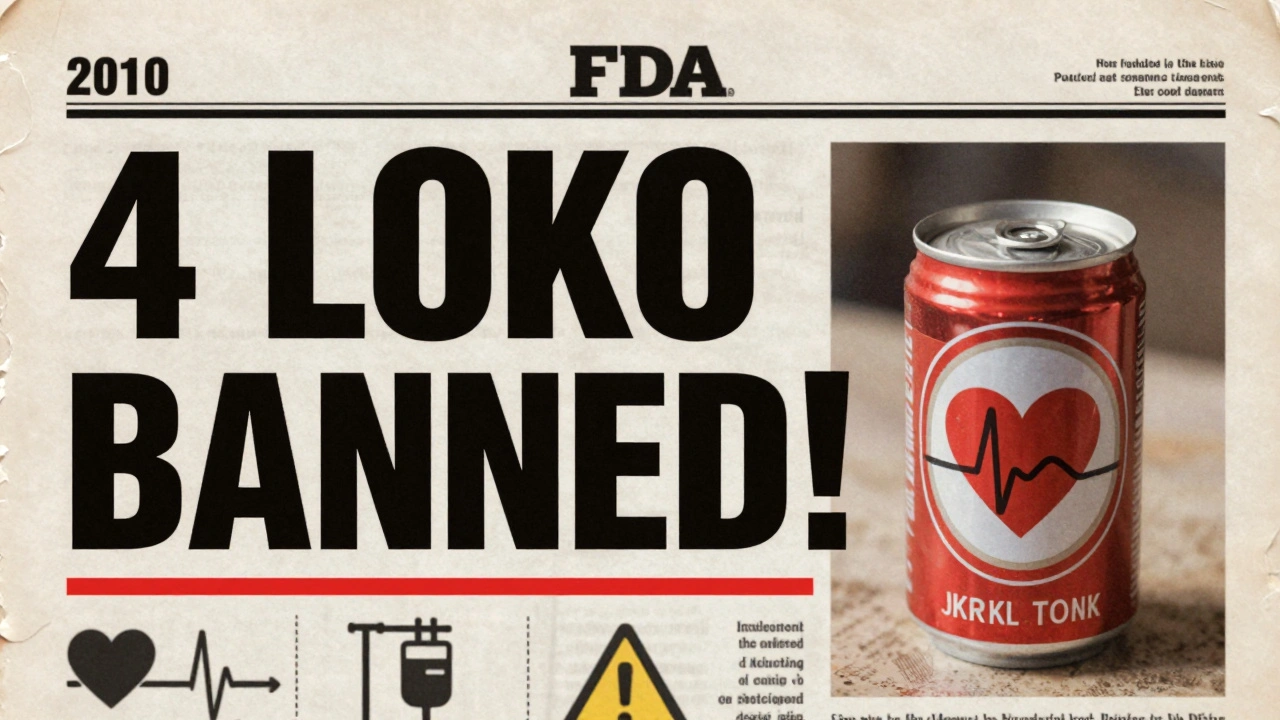
In November 2010, the U.S. Food and Drug Administration (FDA) sent warning letters to 4 Loko’s makers-Phusion Projects-calling the drink a public health threat. They said combining caffeine and alcohol was unsafe and illegal because caffeine was not approved as an ingredient in alcoholic beverages.
By December 2010, 4 Loko was pulled from shelves in 28 states. By 2011, the company had to reformulate the drink entirely. They removed the caffeine, guarana, and taurine. What was left? A 12% alcohol malt beverage, basically a strong beer with a fruity flavor.
It wasn’t just the FDA. Colleges banned it. State attorneys general sued. Public outrage grew after several high-profile cases, including the death of a 14-year-old girl in Washington who drank it at a party. The narrative shifted from ‘cool party drink’ to ‘deadly cocktail.’
The Aftermath: Did 4 Loko Just Disappear?
No. It didn’t vanish. It just changed.
By 2012, 4 Loko returned to stores-but without the stimulants. The new version had the same bold branding, the same bright cans, and the same high alcohol content. But now, it was just alcohol. No caffeine. No energy boost. Just a sugary, fruity alcoholic drink that looked like it still had a punch.
Some people were disappointed. They missed the old version. Others were relieved. The drink that had once been blamed for binge drinking on campuses was now just another high-alcohol malt liquor, like Storm or Four Horsemen.
But here’s the twist: sales didn’t crash. In fact, they held steady. People still bought it. Why? Because it was still cheap. Still strong. Still easy to hide in a backpack. The danger didn’t disappear-it just got quieter.
What’s 4 Loko Like Today?
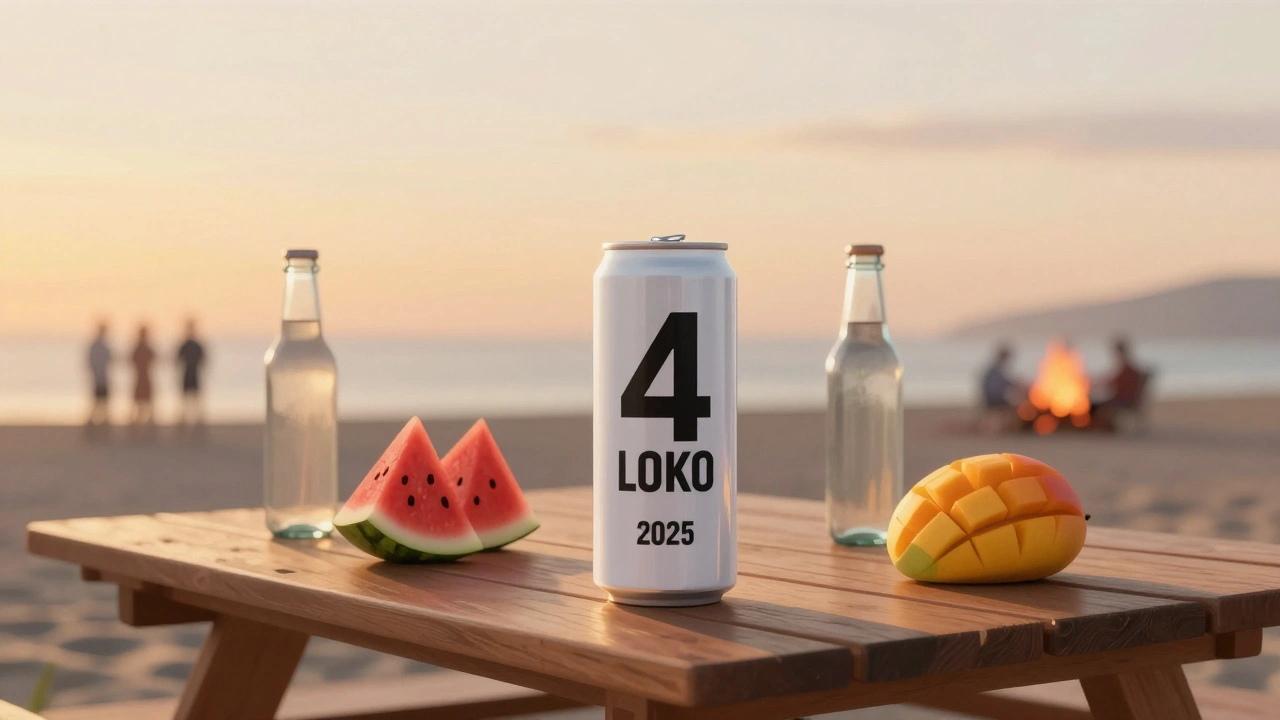
As of 2025, 4 Loko is still sold across the U.S. and in some parts of Canada and Europe. It comes in flavors like Blue Razz, Watermelon, and Mango. The alcohol content ranges from 8% to 14%, depending on the state and version. The cans still look like they’re bursting with energy-but they’re just alcohol.
It’s no longer marketed as an energy drink. The company doesn’t say ‘energy’ on the label anymore. Instead, they use words like ‘bold,’ ‘intense,’ and ‘flavor-packed.’ The old ads with party scenes and flashing lights? Gone. Now, their social media shows people at tailgates, BBQs, and beach trips-normalizing it as a casual drink.
But the legacy remains. Every time a college student drinks a 4 Loko today, they’re drinking a product that once sparked a national debate. And every time a parent hears the name, they remember the headlines from 2010.
Why Does This Matter Now?
Because the same pattern is happening again.
New drinks like ‘Spiked Seltzers’ and ‘Hard Seltzers’ are booming. They’re low-calorie, flavored, and easy to drink. But some still contain 8% or more alcohol. And while they don’t add caffeine anymore, they’re still designed to be consumed quickly-often in packs of four or six.
The lesson from 4 Loko isn’t just about one bad product. It’s about how companies exploit loopholes. How marketing targets young adults. How regulation lags behind innovation. And how people don’t always realize how much alcohol they’re consuming just because it tastes good.
4 Loko didn’t fail because it was bad. It failed because it was too effective at hiding the truth: that one can could make you dangerously drunk without you knowing it.
Is It Safe to Drink 4 Loko Today?
It’s as safe-or as dangerous-as any other high-alcohol drink. Without caffeine, you’ll feel the effects of the alcohol faster. That means you might get drunk quicker than you expect. One can today can still knock you out. Two can land you in the hospital.
There’s no magic ingredient to make it safer. No ‘energy’ to keep you going. Just alcohol. And alcohol doesn’t care how bright the can is or how sweet it tastes.
If you’re drinking it, know this: 4 Loko isn’t an energy drink anymore. It’s a strong alcoholic beverage that looks like one. And that’s exactly why people still buy it.
The Bigger Picture
4 Loko’s story is a case study in how fast consumer trends can turn into public health crises. It’s also a reminder that regulation often comes too late. The drink was on shelves for years before anyone acted. By then, it had already reached millions of young people.
Today, similar products are being launched under different names-some with added sugar, some with added vitamins, some with ‘natural’ flavors. But they still pack the same punch. And they’re still being sold to the same audience.
4 Loko didn’t disappear. It evolved. And if you’re not paying attention, the next version might already be in your local store.
What to Do If You See It
If you’re a parent, know what it looks like. The cans are still bright. The names still sound fun. Don’t assume it’s just a soda.
If you’re a college student, don’t be fooled by the flavor. One can is still more than enough to get you into trouble.
If you’re a consumer, read the label. Look for alcohol content-not just calories or sugar. And remember: if it tastes too good to be a drink, it probably is.

Comments (9)
James Winter
3 Dec 2025
4 Loko was a joke. Canada banned it before the US even blinked. We don’t let junk like that near our kids.
Marissa Martin
5 Dec 2025
It’s terrifying how easily companies exploit young people’s desire to feel invincible. Caffeine masking alcohol? That’s not innovation-that’s predatory design. And now? They just repackaged the same danger with a new label. No one’s learning.
Aimee Quenneville
7 Dec 2025
so like… 4 loko’s just a fancy malt liquor now?? 😅 i mean… cool? i still remember my roommate chugging one and then trying to dance with a fire extinguisher… we all laughed then… now i just feel sad 🥲
Cynthia Lamont
8 Dec 2025
Let’s be clear: the FDA didn’t ban 4 Loko because it was dangerous-it banned it because it was too obvious. The real criminals are the colleges that turned it into a status symbol and the parents who thought ‘it’s just a drink’ until their kid ended up in ICU. And now? The same companies are selling 14% alcohol in glitter cans labeled ‘beach vibes.’ It’s not a comeback-it’s a rerun with better marketing.
Dmitriy Fedoseff
9 Dec 2025
What’s interesting isn’t the drink-it’s the cultural mirror. In the U.S., we treat alcohol like a rebellion. In Canada, we treat it like a responsibility. 4 Loko wasn’t evil-it was a product of a system that rewards speed, shock, and silence. We didn’t fix the problem. We just made the packaging less flashy. The hunger for escape? That’s still on the shelf.
Meghan O'Connor
11 Dec 2025
Why is everyone acting like this is new? We had Jägerbombs in the 90s. We had Four Loko in the 00s. Now we have Spiked Seltzer. The cycle repeats because nobody wants to admit that alcohol is alcohol. And yes-I checked the label. It’s still 12%. Still dangerous. Still stupid.
Morgan ODonnell
12 Dec 2025
I remember seeing 4 Loko at a party and thinking it looked like a cartoon. Now I see my niece’s friends drinking the new version and I just sigh. It’s not about the drink. It’s about how we talk-or don’t talk-to young people about drinking. They don’t need bans. They need honesty.
Liam Hesmondhalgh
12 Dec 2025
4 Loko was the original hard seltzer before hard seltzer was cool. They just took the caffeine out and called it a day. Same can. Same buzz. Same dumb kids. The only thing that changed? The price tag went up. Classic capitalism
Patrick Tiernan
12 Dec 2025
so like… the real villain here is the fact that we still buy it? i mean… if it tasted like dirt no one would drink it. but it tastes like candy. so we do. and then we pretend we’re smart because we read the label. lol