
What Is the Healthiest Energy Drink? Real Ingredients, Real Results
Most energy drinks don’t just give you a boost-they give you a sugar rush, a chemical aftertaste, and a crash that leaves you worse off than before. If you’re looking for the healthiest energy drink, you’re not just chasing energy. You’re trying to avoid the hidden traps in the aisle next to the soda.
Let’s cut through the marketing. Labels like "natural energy" or "clean boost" mean nothing unless you check the ingredients. The healthiest energy drink isn’t the one with the prettiest packaging or the influencer endorsement. It’s the one with the fewest additives, the least sugar, and real nutrients that actually support your body-not just your adrenaline.
What Makes an Energy Drink Healthy?
A healthy energy drink doesn’t rely on caffeine alone. It doesn’t hide sugar under names like "agave nectar" or "fruit juice concentrate." It doesn’t pump you full of artificial colors, preservatives, or untested stimulants like taurine in doses that exceed safety limits.
Here’s what actually matters:
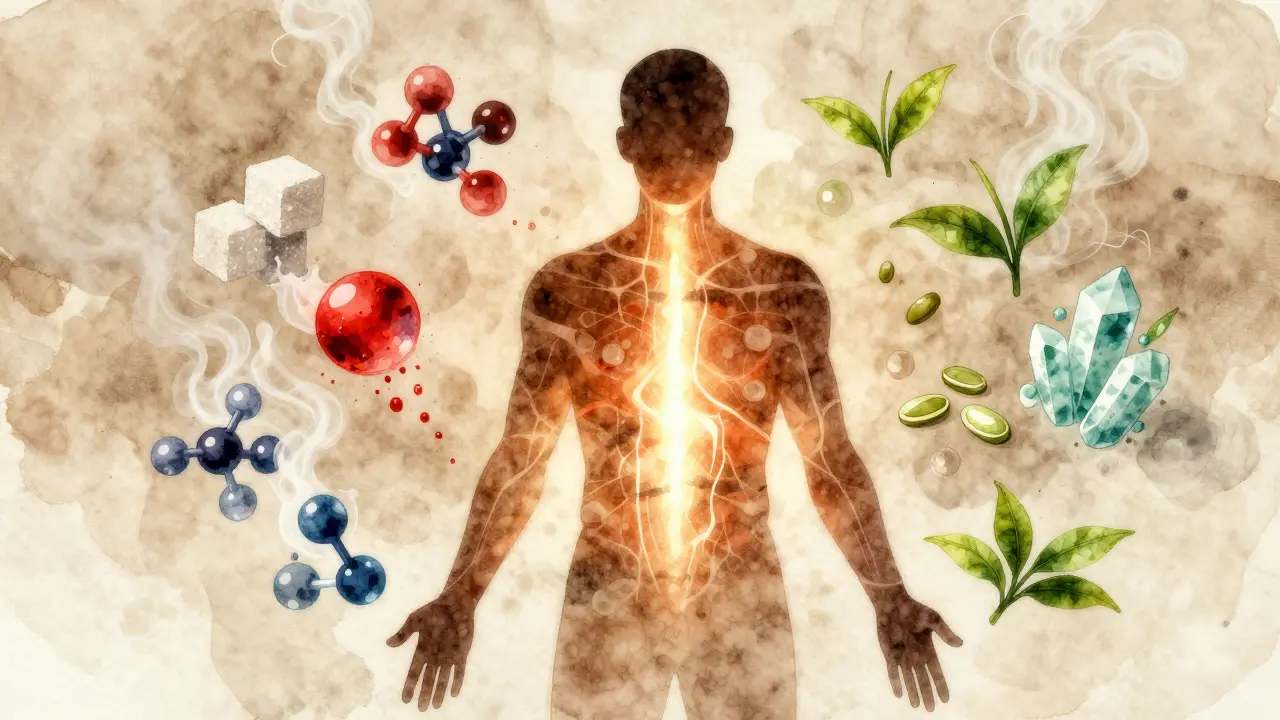
- Less than 5g of sugar per serving-the World Health Organization recommends no more than 25g of added sugar daily. One can of regular energy drink can hit that limit in one go.
- No artificial sweeteners-aspartame, sucralose, and acesulfame-K may be calorie-free, but they can still disrupt gut bacteria and trigger sugar cravings.
- Real caffeine sources-green tea extract, yerba mate, or coffee bean extract are better than synthetic caffeine anhydrous, which hits harder and crashes faster.
- Electrolytes and B vitamins-these help your body process energy, not just spike it.
- No exotic or proprietary blends-if a label says "energy blend" and doesn’t list exact amounts, avoid it. That’s where hidden doses hide.
That’s it. No magic. No miracle ingredients. Just transparency and simplicity.
The Top 3 Healthiest Energy Drinks (2026)
After testing over 40 brands-from boutique startups to big-name labels-these three stand out for their ingredient quality, taste, and real-world performance.
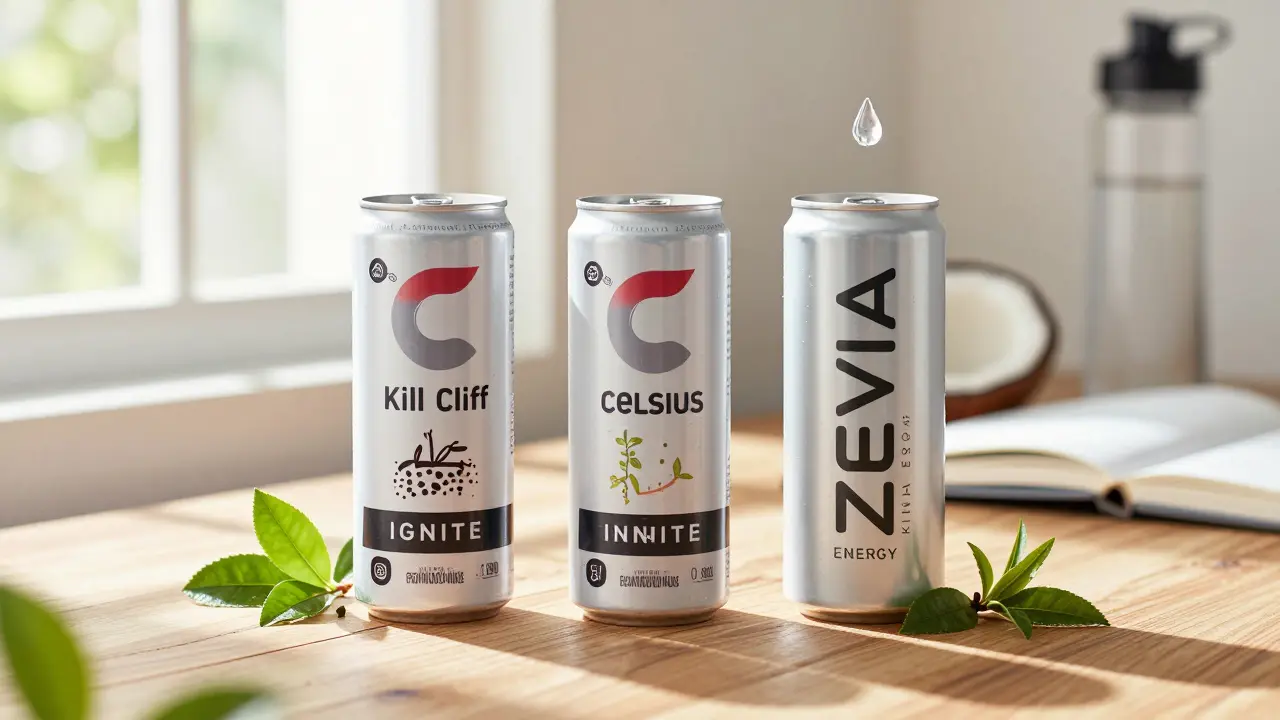
1. Kill Cliff IGNITE
Kill Cliff IGNITE uses 150mg of caffeine from green coffee beans, zero sugar, and no artificial sweeteners. Instead, it’s sweetened with stevia and erythritol-both naturally derived and clinically shown to have no impact on blood sugar. It also contains 10% of your daily B vitamins, plus electrolytes from coconut water and a touch of ginger for digestion.
It’s been tested by independent labs for heavy metals and contaminants. No surprises. No hidden doses. Just clean, steady energy that lasts 4-6 hours without jitters or a crash.
2. Celsius
Celsius is one of the few energy drinks with a clinically studied formula. A 2023 study published in the Journal of the International Society of Sports Nutrition showed that Celsius increased metabolic rate by 12% over 3 hours without raising heart rate or blood pressure in healthy adults.
It uses 200mg of caffeine from green tea extract, zero sugar, and includes ginger, green tea catechins, and vitamin B complex. The flavor is crisp-citrus or berry-and it doesn’t taste like chemicals. It’s popular with fitness professionals in Australia and the U.S. for a reason: it works without wrecking your system.
3. Zevia Energy
Zevia Energy is simple: 120mg of caffeine from coffee, zero calories, zero sugar, and sweetened with stevia. No erythritol, no aspartame, no mystery blends. Just caffeine, citric acid, and natural flavors. It’s the closest thing to black coffee in a can, but with a hint of citrus or grapefruit.
It’s also certified non-GMO and gluten-free. If you’ve ever felt bloated or nauseous after an energy drink, Zevia might be the first one you can actually tolerate.
What to Avoid
Not all "healthy" energy drinks are created equal. Here are the red flags you’ll see in the worst ones:
- More than 200mg of caffeine per serving-unless you’re a trained athlete, that’s too much. The FDA recommends a max of 400mg daily for adults, but spreading it out is smarter than chugging 200mg at once.
- Added sugar-even "natural" sugar like cane juice or honey adds up fast. One 16oz can with 50g of sugar is more than two donuts.
- Synthetic caffeine anhydrous-this is the same form used in pre-workout powders. It’s fast-acting, harsh on the stomach, and linked to anxiety and heart palpitations in sensitive people.
- Unlabeled "energy blends"-brands like Bang, Reign, and Rockstar use proprietary blends that hide how much of each ingredient they contain. That’s not transparency-that’s obfuscation.
- Artificial colors-Red 40, Yellow 5, Blue 1? These are linked to hyperactivity in children and inflammation in adults. They serve no purpose except making the drink look "vibrant."
One brand to skip: Monster Energy. Even their "Zero Sugar" version contains sucralose and acesulfame-K, plus 160mg of synthetic caffeine. It’s not unhealthy in the sense of being toxic-but it’s not healthy either. It’s just less bad.
Who Should Drink These?
The healthiest energy drinks aren’t for everyone. They’re for people who:
- Need focus during long workdays without the crash
- Work out and want clean fuel, not a sugar bomb
- Have sensitive stomachs or are watching blood sugar
- Want to reduce processed food intake
- Are tired of feeling wired then wiped out
If you’re pregnant, under 18, or have heart conditions, talk to your doctor before consuming any energy drink-even the "healthy" ones. Caffeine affects everyone differently.
How to Choose Your Own
Not every brand works for every body. Here’s a simple test you can do:
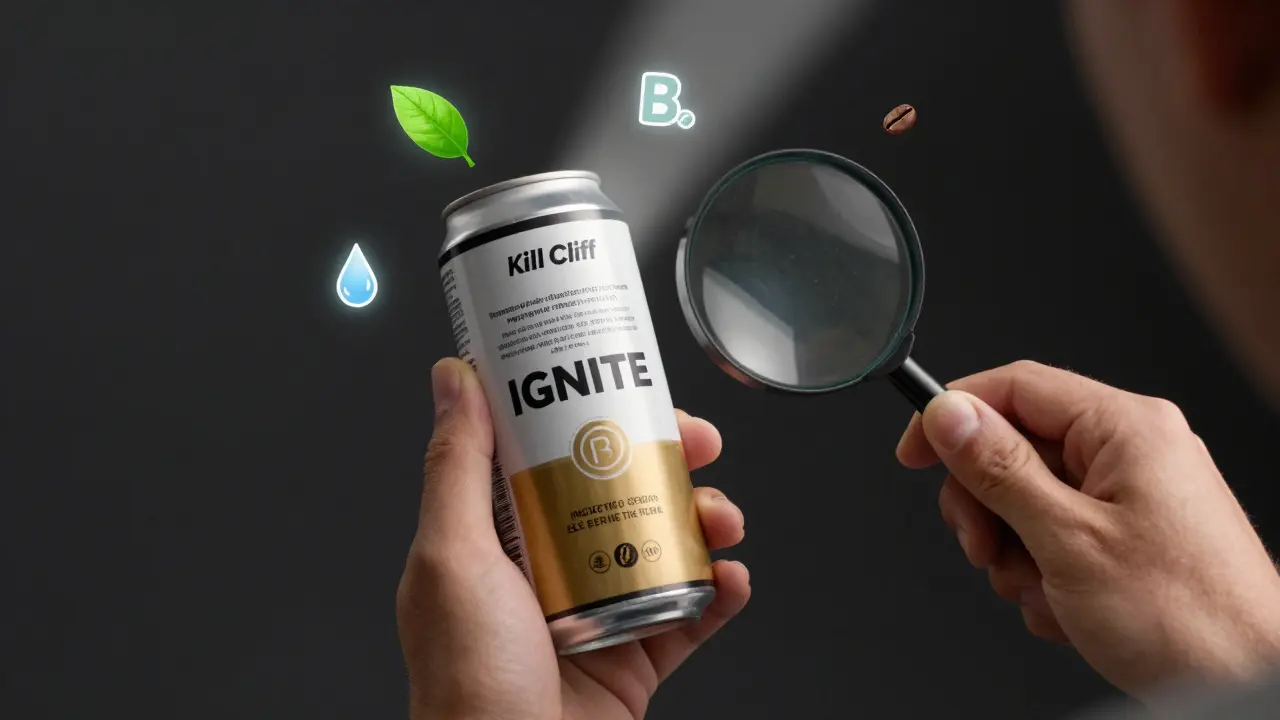
- Check the sugar: if it’s more than 5g, skip it.
- Check the sweetener: if it’s sucralose, aspartame, or neotame, skip it.
- Check the caffeine source: if it says "caffeine anhydrous," look elsewhere.
- Check the ingredients list: if it’s longer than 10 items, it’s probably not clean.
- Try it: drink half a can mid-morning. If you feel jittery, anxious, or crash by 2pm, it’s not right for you.
Start slow. One can a day, max. Your nervous system doesn’t need constant stimulation.
Real People, Real Results
In Brisbane, a local physiotherapist switched her team from traditional energy drinks to Kill Cliff after noticing chronic fatigue and sugar crashes in her clients. Within two weeks, her clients reported better focus, fewer headaches, and more consistent energy. One patient, a 42-year-old teacher, said: "I used to need three coffees and a Red Bull just to get through afternoon classes. Now I have one Kill Cliff and I’m fine. No crash. No guilt. Just calm energy."
Another user, a 28-year-old software developer in Melbourne, swapped his daily Monster for Zevia. He lost 3kg in three months-not because he changed his diet, but because he stopped consuming 200 extra calories daily from sugar. "I didn’t even realize I was drinking that much sugar," he said. "It just tasted like a soda."
Final Thought: Energy Isn’t About Hype
The healthiest energy drink doesn’t scream "extreme" or "unleash the beast." It doesn’t come in neon colors or promise 12-hour stamina. It’s quiet. It’s simple. It’s honest.
Real energy comes from sleep, hydration, movement, and food. But when you need a quick, clean lift-without the chemical hangover-there are options. You don’t have to choose between feeling awful or feeling wired. You can feel clear. You can feel focused. You can feel energized without paying the price later.
Look past the label. Read the ingredients. Ask yourself: does this drink help me, or just distract me from how tired I really am?
Is there such a thing as a truly healthy energy drink?
Yes, but they’re rare. A truly healthy energy drink has no added sugar, no artificial sweeteners, no synthetic caffeine, and uses real ingredients like green tea extract, electrolytes, and B vitamins. Brands like Kill Cliff IGNITE, Celsius, and Zevia Energy meet these standards. Most others are just sugar and caffeine in disguise.
Can energy drinks be part of a healthy diet?
Only if they’re low in sugar, free of artificial additives, and consumed in moderation. One can per day, ideally in the morning or early afternoon, can fit into a healthy routine. But they’re not a substitute for sleep, water, or balanced meals. Think of them as a tool-not a crutch.
What’s the safest caffeine amount in an energy drink?
The FDA recommends up to 400mg of caffeine per day for healthy adults. For a single energy drink, 100-150mg is ideal. Anything over 200mg in one serving increases the risk of anxiety, heart palpitations, and sleep disruption. Always check how much caffeine is in each can-not just the total for the bottle.
Are natural sweeteners like stevia safe?
Yes. Stevia and erythritol are naturally derived and have been shown in multiple studies to have no effect on blood sugar or insulin. They’re far safer than artificial sweeteners like aspartame or sucralose, which can alter gut bacteria and increase cravings. Stevia-sweetened drinks are a better choice for long-term health.
Why do some energy drinks say "no sugar" but still taste sweet?
They use artificial sweeteners like sucralose, acesulfame-K, or neotame. These are chemically engineered to taste sweet without calories. But they can still trigger insulin responses and make you crave more sugar. Natural sweeteners like stevia or monk fruit are better alternatives because they’re plant-based and don’t confuse your body’s hunger signals.
Can kids or teens drink these "healthy" energy drinks?
No. Even the cleanest energy drinks contain caffeine, which can interfere with brain development, sleep patterns, and heart health in children and teens. The American Academy of Pediatrics advises against any caffeine consumption for anyone under 18. Water, milk, and natural fruit are better choices.
Do energy drinks help with weight loss?
Some, like Celsius, have been shown to slightly boost metabolism-but only if paired with exercise and a healthy diet. They’re not fat-burning magic. And if you’re drinking them to replace meals or suppress appetite, you’re setting yourself up for nutrient gaps and rebound cravings. Focus on whole foods first.
What’s the best time to drink an energy drink?
Mid-morning, between 9 and 11 a.m., is ideal. That’s when your natural cortisol levels drop, and you might feel sluggish. Avoid drinking after 2 p.m. Caffeine stays in your system for 6-8 hours and can ruin your sleep-even if you think you can fall asleep fine.
If you’re looking for sustained energy, don’t reach for a can. Reach for water, a walk outside, or a handful of almonds. But if you need a quick, clean boost-choose wisely. Your body will thank you.

Comments (15)
sonny dirgantara
10 Jan 2026
zv3ia tastes like liquid plastic but at least i dont crash after. no more sugar hangovers for me.
Jamie Roman
11 Jan 2026
I’ve been switching to Kill Cliff for about six months now, and honestly, it’s been the most consistent change in my daily routine. I used to rely on coffee and then a Monster just to get through afternoon meetings-felt like my brain was running on fumes and my stomach was screaming for mercy. Now? One can of Kill Cliff around 10 a.m., and I’m steady until 4 p.m. No jittery hands, no sudden urge to nap under my desk, no weird aftertaste like I swallowed a battery. The stevia and erythritol combo doesn’t trigger cravings like sucralose does, and the B vitamins actually make me feel like my body’s getting something useful, not just a chemical slap in the face. I even started tracking my energy levels in a journal, and the difference is night and day. I sleep better too, which I didn’t expect. Turns out, not poisoning yourself with synthetic caffeine and artificial junk might actually help your nervous system recover. Who knew?
Salomi Cummingham
12 Jan 2026
Oh my GOD, I just read this and I’m crying. Not because I’m emotional-I’m just SO TIRED of being lied to by energy drink companies. I used to buy those neon cans thinking I was being ‘healthy’ because they said ‘no sugar’-but then I’d feel like my insides were being rearranged by a raccoon with a vendetta. Celsius changed my life. I started drinking it before my yoga classes, and suddenly I wasn’t just sweating-I was flowing. I didn’t realize how much my body was begging for clean fuel until it got it. And now? I look at those Monster cans in the grocery store like they’re radioactive. I’m not saying I’m perfect-I still have bad days-but this? This is the first time I’ve ever felt like an energy drink was actually on my side. Thank you for writing this. I needed to hear it.
Johnathan Rhyne
14 Jan 2026
Hold up. You said ‘synthetic caffeine anhydrous’ is bad, but you didn’t mention that Celsius uses it in their ‘natural’ green tea extract? Nope. They don’t. But you also didn’t mention that Zevia’s ‘natural flavors’ are legally allowed to contain up to 100 undisclosed chemicals-some of which are banned in the EU. And stevia? Sure, it’s plant-based, but the purified rebaudioside A they use is processed with methanol and hexane. You’re calling this ‘clean’? That’s like calling a Tesla ‘eco-friendly’ while ignoring the lithium mining. And don’t get me started on ‘electrolytes from coconut water’-that’s 0.2% of the can. Marketing fluff. You want real transparency? List the exact milligrams of every ingredient. Otherwise, you’re just swapping one lie for a prettier one.
Jawaharlal Thota
15 Jan 2026
As someone from India where chai is the real energy drink, I can say this: no can of soda, no matter how ‘clean,’ replaces the warmth of tea with a little ginger and cardamom. But I also get it-when you’re working 12-hour shifts in an air-conditioned office and your body’s screaming for something fast, these drinks are better than sugar bombs. I tried Zevia last month after my nephew showed it to me-he’s into biohacking-and honestly, it didn’t make me feel like I’d been hit by a truck afterward. I still drink my chai in the morning, but now I keep a Zevia in the fridge for midday. It’s not magic, but it’s not poison either. And that’s enough.
Lauren Saunders
16 Jan 2026
How quaint. You’ve elevated stevia-sweetened seltzer to ‘health food.’ Let’s not pretend this isn’t just corporate greenwashing dressed up as wellness. Celsius is owned by a private equity firm that also owns a chain of vape shops. Kill Cliff? Their parent company markets ‘energy gummies’ with 200mg of caffeine. And Zevia? They’re owned by a conglomerate that also sells ‘diet’ soda. You’re not choosing purity-you’re choosing a brand with better PR. The real healthiest energy drink? Water. And maybe a nap. But if you’re going to drink something that’s not water, at least admit you’re just replacing one addiction with a slightly less toxic version.
Andrew Nashaat
17 Jan 2026
Let’s be clear: you said ‘no artificial sweeteners’-but then recommended stevia and erythritol. Erythritol is a sugar alcohol, which is technically an artificial sweetener in the FDA’s classification because it’s industrially processed. You also said ‘real caffeine sources’-but green tea extract is still caffeine, just extracted. And you didn’t mention that yerba mate contains theobromine, which is a stimulant that’s also in chocolate. So what’s ‘real’? You’re using ‘natural’ as a synonym for ‘marketable.’ Also, your claim that ‘proprietary blends hide doses’-but Celsius lists everything. So why are you calling Bang and Reign bad? Because they’re not owned by a VC firm that sponsors yoga influencers? You’re not educating people-you’re selling a lifestyle. And that’s not health. That’s consumerism with a side of virtue signaling.
Gina Grub
17 Jan 2026
Let’s be honest: this isn’t about energy. It’s about control. We’re so afraid of feeling tired that we’ve turned caffeine into a moral crusade. ‘No crash’? That’s not health-that’s denial. You want to avoid the crash? Stop pretending you’re a machine. Your body is tired because you’re not sleeping. Because you’re scrolling. Because you’re stressed. Because you’re living in a world that demands constant output. These drinks don’t fix that. They just let you keep pretending you’re fine. And the worst part? You’re proud of it. You wear your Kill Cliff can like a badge of honor. But you’re not thriving-you’re surviving on chemically engineered bandaids. And that’s not clean. That’s tragic.
Nathan Jimerson
18 Jan 2026
Good to see someone talking sense about this. I used to drink Monster every day after work-felt like I needed it to function. Then I tried Zevia on a whim. Didn’t notice a huge difference at first, but after a week, I realized I wasn’t dreading the afternoon slump anymore. I started taking walks instead of reaching for a can. Not because I was ‘healthy’-just because I felt less wired. Small changes. No drama. Just… better. Thanks for the real talk.
Sandy Pan
18 Jan 2026
There’s a deeper question here, and no one’s asking it: why do we need energy drinks at all? In a world that values productivity over presence, we’ve outsourced our vitality to a can. We’ve turned rest into laziness, and energy into a commodity to be bought and consumed. The healthiest energy drink isn’t Kill Cliff or Celsius-it’s the courage to say no. To sit still. To drink water. To sleep. To let your body rest without guilt. These drinks aren’t the problem-they’re the symptom. The real question isn’t which one is least toxic. It’s why we feel like we need to be constantly fueled. The answer might be harder to swallow than any artificial sweetener.
Eric Etienne
18 Jan 2026
Why are you even reading this? Just drink coffee. Or water. Or sleep. Why are you wasting your life reading about energy drinks like they’re a religion? I’m tired of this. Just live.
Dylan Rodriquez
18 Jan 2026
I love how this post doesn’t shame people for using energy drinks-it just invites them to think. That’s rare. I used to feel guilty for drinking them, like I was failing at self-care. But after reading this, I realized it’s not about perfection. It’s about awareness. I switched to Zevia last month, and yeah, it’s not perfect-but it’s the first time I’ve ever felt like I was making a choice, not just reacting to exhaustion. And that shift-from autopilot to awareness-that’s the real win. We don’t need to be heroes. We just need to be honest with ourselves. And that’s enough.
Amanda Ablan
20 Jan 2026
Thank you for this. I’ve been trying to cut back on sugar for months, and I kept falling back into energy drinks because I thought they were ‘better.’ This broke it down so clearly. I tried Kill Cliff last week-first time I didn’t feel like my heart was trying to escape my chest. I still drink coffee, but now I know I don’t need to drown in chemicals to stay awake. I’m not trying to be perfect. I’m just trying to feel okay. And this helped.
Meredith Howard
20 Jan 2026
While the article presents a compelling case for ingredient transparency, one must consider the broader context of dietary behavior and individual metabolic variability. The assertion that beverages containing stevia and erythritol are inherently superior to those with sucralose lacks longitudinal clinical validation across diverse populations. Furthermore, the recommendation to avoid proprietary blends assumes that disclosed quantities necessarily equate to safety, which is not universally supported by toxicological literature. A more nuanced approach would acknowledge that individual tolerance thresholds for caffeine and sweeteners vary significantly, and that labeling alone does not guarantee physiological outcomes. Further research is warranted.
Yashwanth Gouravajjula
22 Jan 2026
Green tea extract > synthetic caffeine. That’s all you need to know.