
Why Athletes Should Avoid Caffeine Before Competition
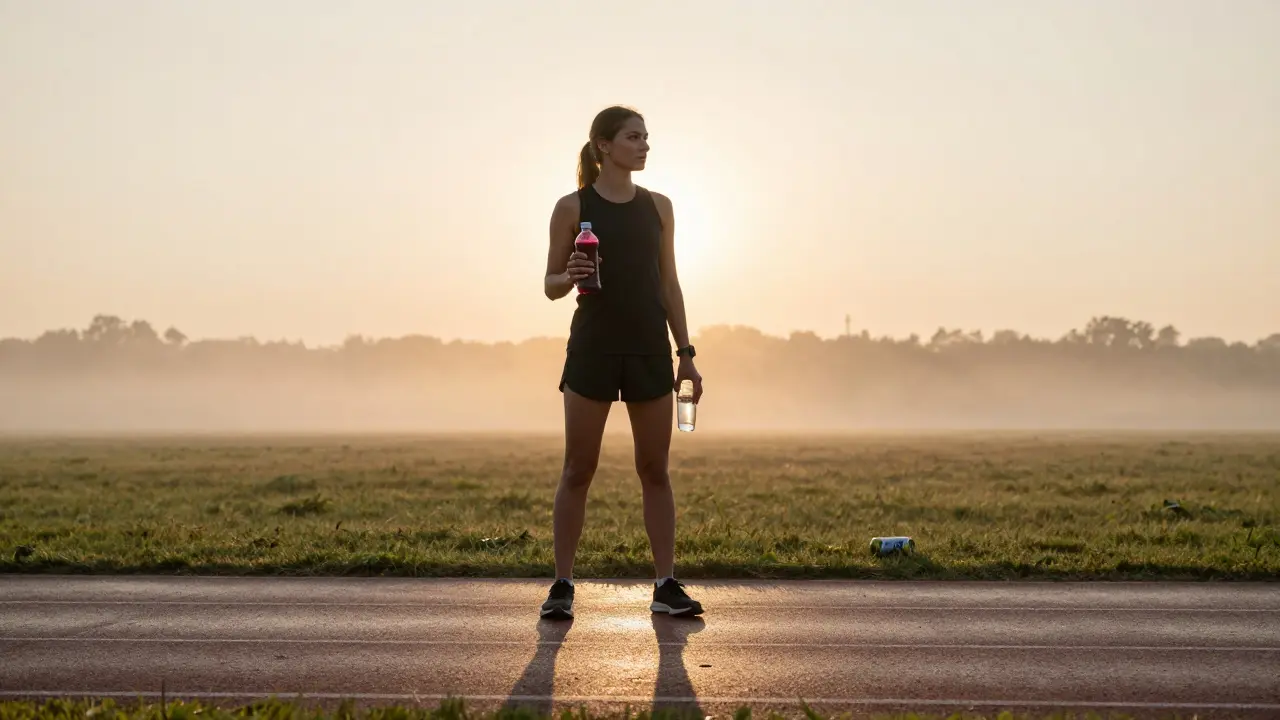
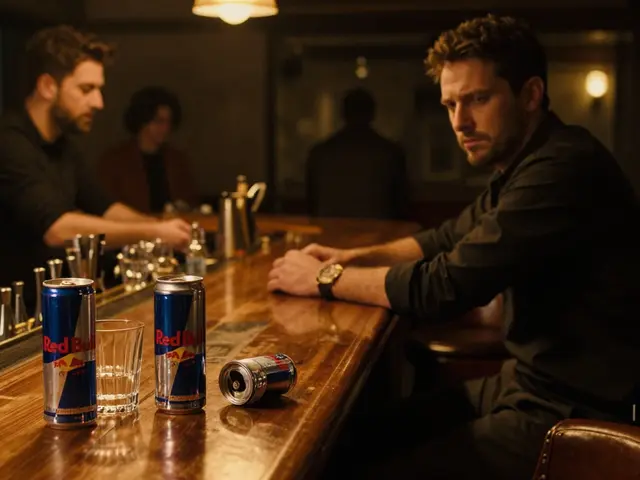
Many athletes reach for energy drinks before training or competition, believing caffeine will give them an edge. But what if that boost is actually costing you more than it’s giving? For serious athletes, caffeine isn’t always the ally it’s made out to be - especially when timing, dosage, and individual biology aren’t taken into account.
Caffeine can disrupt your sleep cycle
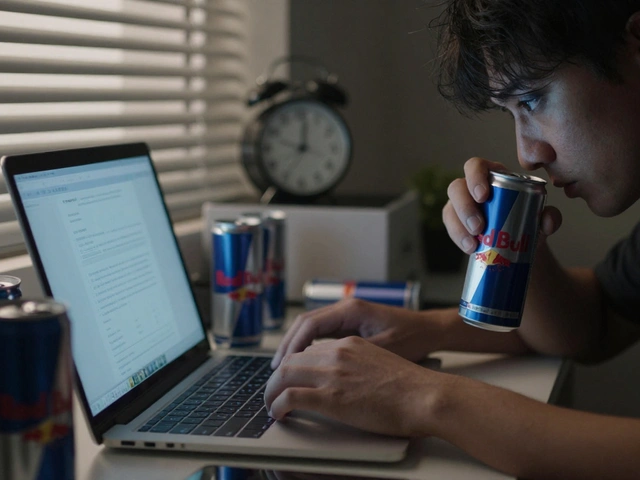
Sleep is the most underrated recovery tool in sports. A 2023 study from the Australian Institute of Sport found that athletes who consumed caffeine within six hours of bedtime lost an average of 1.2 hours of deep sleep per night - even if they didn’t feel awake. Deep sleep is when your body repairs muscle tissue, balances hormones like growth hormone and cortisol, and consolidates motor skills learned during training. Without it, you’re not just tired - you’re slower, weaker, and more prone to injury.
Many athletes think they’ve "built a tolerance" and can drink coffee at 7 p.m. without issue. That’s a myth. Your brain still processes caffeine like a stimulant. Your body doesn’t adapt to the damage - it just learns to ignore the signals. Over time, this leads to chronic sleep debt, which shows up as poor reaction time, reduced endurance, and longer recovery windows.
It dehydrates you - even if you drink water
"But I drink water after my energy drink," you might say. That’s not enough. Caffeine is a mild diuretic, and while regular users may develop a slight tolerance, it still increases urine output by 10-20% compared to non-caffeinated fluids. In hot, humid conditions - like outdoor track meets in Brisbane in January - that small loss adds up fast.
A 2024 meta-analysis in the Journal of Sports Science & Medicine tracked 187 endurance athletes during 40°C conditions. Those who consumed 3 mg/kg of caffeine (about two cups of coffee) before exercise had 12% higher sweat loss and 8% lower plasma volume than those who avoided it. That’s not just discomfort - that’s performance decline. Lower plasma volume means your heart works harder to pump blood, your muscles get less oxygen, and fatigue hits earlier.
It spikes cortisol - and kills recovery
Cortisol is your body’s stress hormone. A little bit helps you wake up and focus. Too much, especially at the wrong time, turns against you. Caffeine triggers a cortisol surge that can last up to six hours. For athletes training twice a day - morning session and afternoon lift - that means cortisol stays elevated through recovery windows.
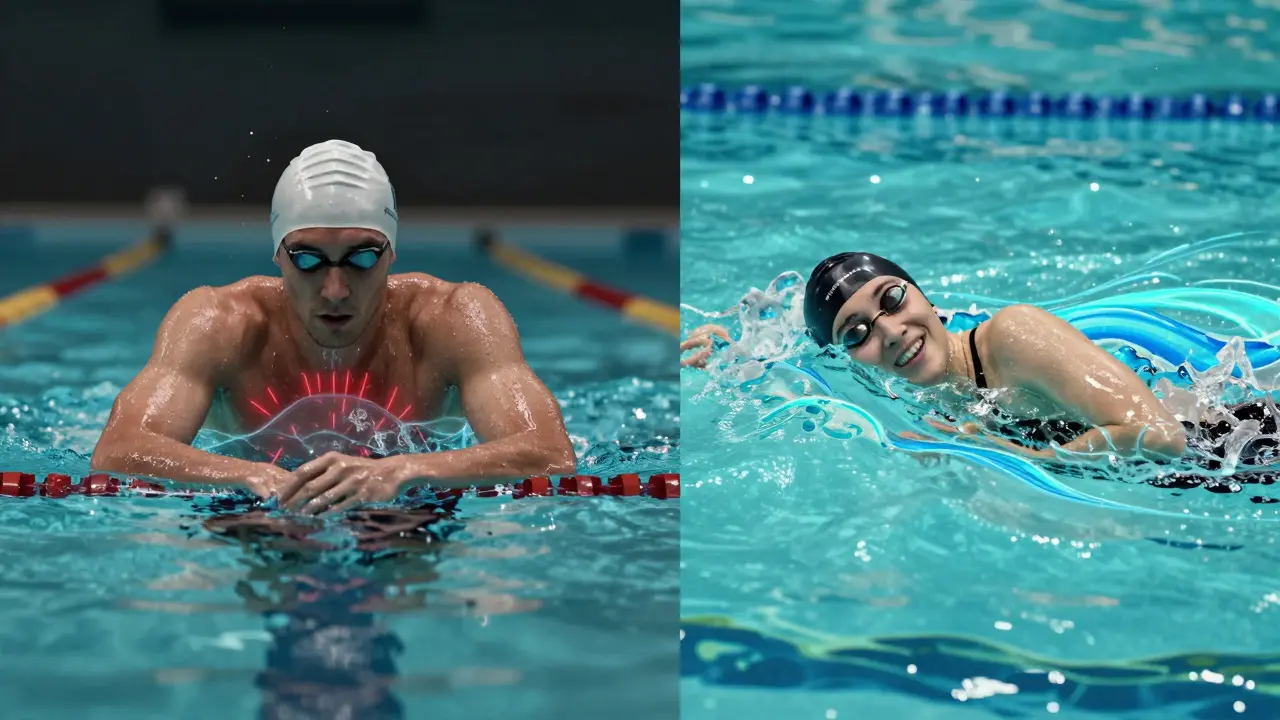
High cortisol breaks down muscle tissue. It suppresses immune function. It interferes with glycogen replenishment. One 2022 study on collegiate swimmers showed that those who consumed caffeine before morning practice had 18% lower muscle protein synthesis during afternoon recovery compared to their caffeine-free peers. That’s not a small difference - that’s weeks of lost progress over a season.
It masks fatigue, not enhances performance
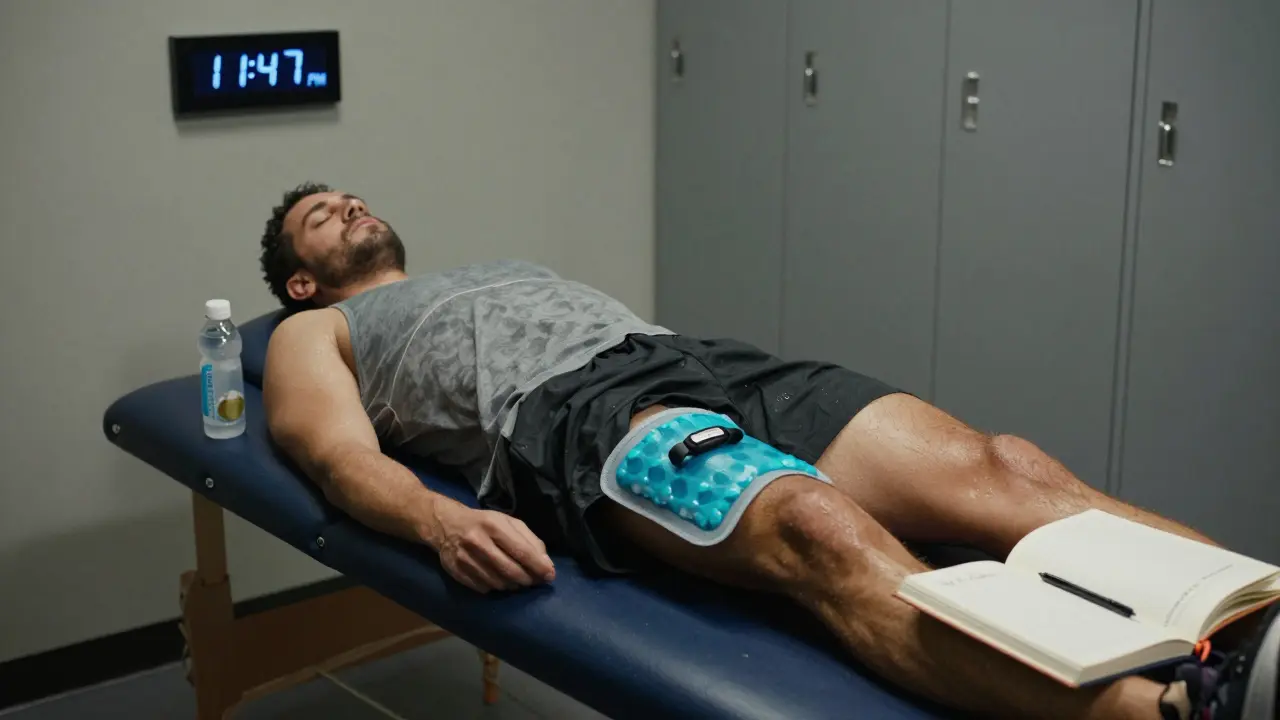
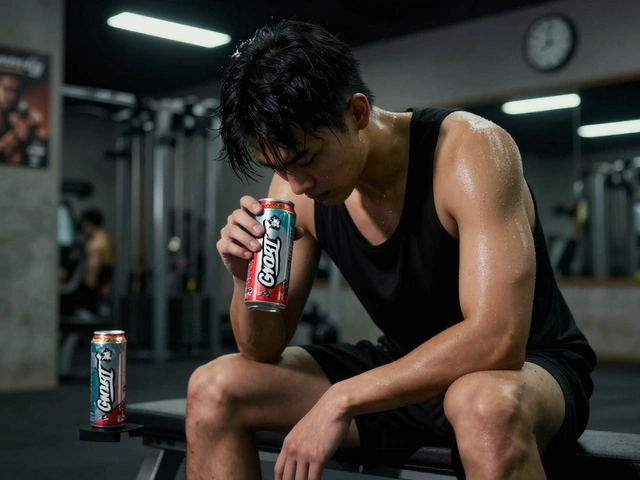
Here’s the dirty secret: caffeine doesn’t make you stronger or faster. It makes you feel like you’re not tired - even when you are. That’s dangerous. Your body gives you fatigue signals for a reason: to protect you from injury and overtraining. Caffeine silences those signals.
Think of it like turning off the check-engine light in your car. The problem doesn’t go away - you just stop noticing it. Athletes who rely on caffeine to push through exhaustion are more likely to tear ligaments, pull muscles, or develop stress fractures. A 2023 review of NCAA injury reports found that athletes who regularly consumed pre-workout caffeine had a 34% higher rate of overuse injuries compared to those who didn’t.
It interferes with electrolyte balance
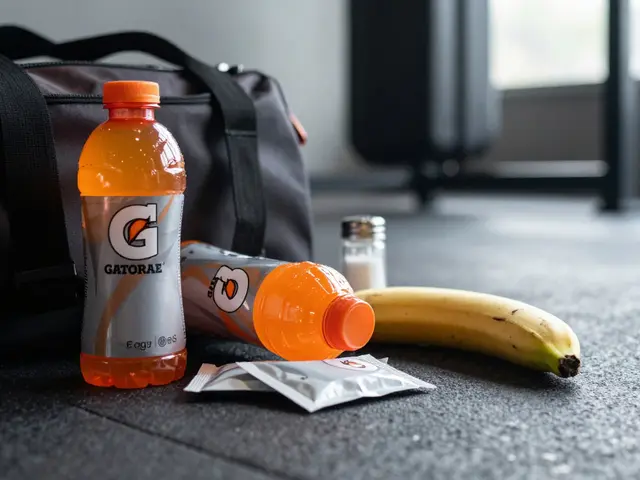
Electrolytes - sodium, potassium, magnesium, calcium - are the spark plugs of your muscles. Caffeine increases urinary excretion of magnesium and potassium. For athletes who sweat heavily, this creates a double hit: you lose electrolytes through sweat, then lose more through increased urine output.
Low magnesium means more muscle cramps. Low potassium means irregular heart rhythms under stress. A 2025 field study on marathon runners in Queensland tracked 92 participants. Those who drank caffeinated energy drinks before the race had 2.3 times more cramping episodes and 37% more cases of abnormal heart rate variability during the final 10K than those who drank electrolyte-only hydration.
It creates dependency - and crashes
Regular caffeine use leads to physical dependence. Your brain starts making more adenosine receptors to compensate. That means you need more caffeine just to feel "normal." Skip it, and you get headaches, brain fog, irritability, and low energy - symptoms that look exactly like overtraining.
Many athletes think they’re "fueling" with caffeine when they’re really just avoiding withdrawal. That’s not performance enhancement - that’s addiction management. When you stop, your body doesn’t just feel tired. It feels broken. And if you’re trying to peak for a championship, you can’t afford to be in withdrawal.
What should athletes drink instead?
Replace energy drinks with simple, proven alternatives:
- Electrolyte-rich water with a pinch of sea salt and lemon
- Beetroot juice - naturally high in nitrates that boost blood flow
- Coconut water - low sugar, high potassium, no additives
- Cherry juice - reduces inflammation and speeds muscle recovery
- Plain water - still the most effective performance enhancer
Some athletes swear by pre-workout supplements with beta-alanine, citrulline, or creatine. These have real, measurable benefits without the downsides of caffeine. Creatine, for example, increases ATP production naturally. Beta-alanine buffers lactic acid. Neither tricks your nervous system. Both build real strength.
When caffeine might be okay - and how to use it safely
There are exceptions. Elite endurance athletes sometimes use caffeine strategically - 3-6 mg per kg of body weight - about 60 minutes before competition. But this is not for daily use. It’s a race-day tool, used sparingly, and only after years of testing how their body responds.
Even then, it’s not for everyone. Some athletes metabolize caffeine slowly - meaning it lingers for 8-10 hours. Others are hypersensitive. Genetic testing (like 23andMe’s caffeine metabolism report) can tell you if you’re a fast or slow metabolizer. If you don’t know, assume you’re sensitive.
And never use caffeine as a crutch. If you need it to get through training, your training load is too high, your sleep is too poor, or your nutrition is off. Fix those first. Caffeine isn’t the solution - it’s a symptom of something else.
Final thought: Real performance comes from consistency, not stimulants
Champions aren’t made by energy drinks. They’re made by sleep, hydration, recovery, and smart training. Caffeine might give you a temporary rush, but it steals from your long-term gains. Your body doesn’t need a chemical push - it needs time, fuel, and rest.
Try going caffeine-free for 14 days before your next big event. Track your sleep, recovery, energy levels, and performance. You might be surprised how much better you feel - and how much faster you become - without it.
Comments (14)
Rakesh Dorwal
20 Jan 2026
Bro, this is what the FDA doesn’t want you to know. Caffeine is a CIA mind-control agent disguised as coffee. They pump it into sports drinks so athletes stay docile while the elite get stronger from deep sleep they’re stealing from you. I’ve seen it in my village in UP - boys drinking Red Bull, then collapsing during trials. Coincidence? I think not.
Vishal Gaur
22 Jan 2026
Okay so i read this whole thing and i think like maybe caffeine is bad but like what if you just drink one cup in the morning and then dont touch it again? like i know people who train at 5am and they need that jolt or they just lie on the floor like a dead fish and its not even funny. also i think the study about deep sleep is kinda sus because my cousin who runs marathons drinks espresso at 8pm and sleeps like a baby. maybe its just his genes? idk but i think the article is a bit too much. like i get the point but its not universal.
Nikhil Gavhane
22 Jan 2026
I really appreciate how thorough this is. As someone who’s been recovering from overtraining for two years, I can say without hesitation - cutting caffeine was the single best decision I made. My sleep improved. My mood stabilized. My times dropped. No magic pills. Just rest, water, and patience. You’re not weak for needing sleep - you’re smart.
sumraa hussain
23 Jan 2026
So… caffeine is bad… but beet juice is good? I mean… what’s next? Are we gonna ban oxygen too? I just… I just want to run without my brain screaming at me to stop. I’m not asking for a rocket boost - just a little push. But okay, I guess if you’re rich enough to drink cherry juice and have a personal nutritionist, sure. For the rest of us? Coffee is survival.
Raji viji
24 Jan 2026
Let’s be real - this article is a glorified LinkedIn post written by a yoga instructor who thinks ‘hydration’ is a spiritual practice. Caffeine doesn’t ‘kill recovery’ - lazy athletes with bad routines do. You want to blame a molecule for your lack of discipline? Go ahead. Meanwhile, I’ll be over here crushing PRs on 3 espressos and zero guilt. Also, ‘electrolyte lemon water’? Bro, that’s what you drink when you’re too broke to afford real fuel.
Rajashree Iyer
25 Jan 2026
Think about it - caffeine is the modern-day opium of the masses. We’ve been conditioned to believe that energy must be bought, not earned. That fatigue is an enemy to be silenced, not a messenger to be heard. In this race to be faster, louder, brighter - we’ve forgotten how to simply be. The body knows. It always knows. We just stopped listening.
Parth Haz
26 Jan 2026
While the article presents compelling evidence, it’s important to acknowledge that individual responses to caffeine vary significantly. For some, the performance benefits outweigh the risks - particularly in short-duration, high-intensity events. A blanket recommendation against caffeine may not be appropriate for all athletes. Further research with personalized biomarkers is warranted.
Vishal Bharadwaj
27 Jan 2026
Wait so you’re saying caffeine causes sleep loss but then you say ‘your brain doesn’t adapt’? That’s literally the definition of adaptation. Also, the study on 187 athletes - where’s the DOI? And who funded it? I bet it’s the same people who sell coconut water. Also, I’ve seen athletes drink 8 coffees before a meet and still win. So… maybe the problem isn’t caffeine… maybe the problem is you don’t train hard enough to need it?
anoushka singh
28 Jan 2026
Hey, I just read this and I’m wondering - do you think this applies to my 14-year-old daughter who drinks matcha before her dance recitals? I mean, she’s not an athlete per se, but she’s competitive. Should I take it away? I don’t want to be the mom who ruins her dreams… but I also don’t want her to have a heart problem at 16. Help?
Jitendra Singh
29 Jan 2026
I used to be a hardcore coffee guy. Then I tried 14 days without it before nationals. Didn’t feel like a zombie. Actually felt clearer. Didn’t win gold, but I didn’t cramp in the final 200m either. Maybe it’s not about banning caffeine. Maybe it’s about knowing your own body. I’m not preaching. Just sharing.
Madhuri Pujari
31 Jan 2026
Oh wow, so you’re telling me that people who drink coffee are dumb? And that only people who drink ‘cherry juice’ are enlightened? Please. I’ve seen your ‘alternatives’ - beet juice tastes like dirt, coconut water is just sugar water with delusions of grandeur, and ‘plain water’? Congrats, you discovered thirst. Meanwhile, I’m crushing 5Ks on espresso and zero regrets. You’re not a coach - you’re a cult leader with a blog.
Sandeepan Gupta
1 Feb 2026
For anyone reading this - if you’re considering cutting caffeine, start slow. Replace one energy drink with electrolyte water. Track your sleep with a free app. Notice how you feel after 7 days. Don’t go cold turkey unless you’re ready for headaches and irritability. And if you’re an endurance athlete - test caffeine only on race day, not during training. Small changes, big results.
Tarun nahata
2 Feb 2026
Listen - your body is a machine. Caffeine is the turbo button. You don’t need it to drive - but if you’re racing against the clock? You damn well use it. I’ve seen kids in rural India run barefoot for 10K just to get to school. They don’t have beet juice. They have chai. And they still win. Stop overthinking. Train hard. Sleep well. And if you need a cup of coffee to get out of bed - that’s not weakness. That’s hustle.
Aryan Jain
4 Feb 2026
They’re all lying. Caffeine is a government tool to make athletes weak so they can’t rebel. The real reason they ban it in some sports? Because if you cut caffeine, you cut the power of the people. They don’t want you to know that your sweat, your pain, your willpower - it’s all stronger than any chemical. They want you dependent. Wake up.