
How to Calm a Racing Heart After an Energy Drink

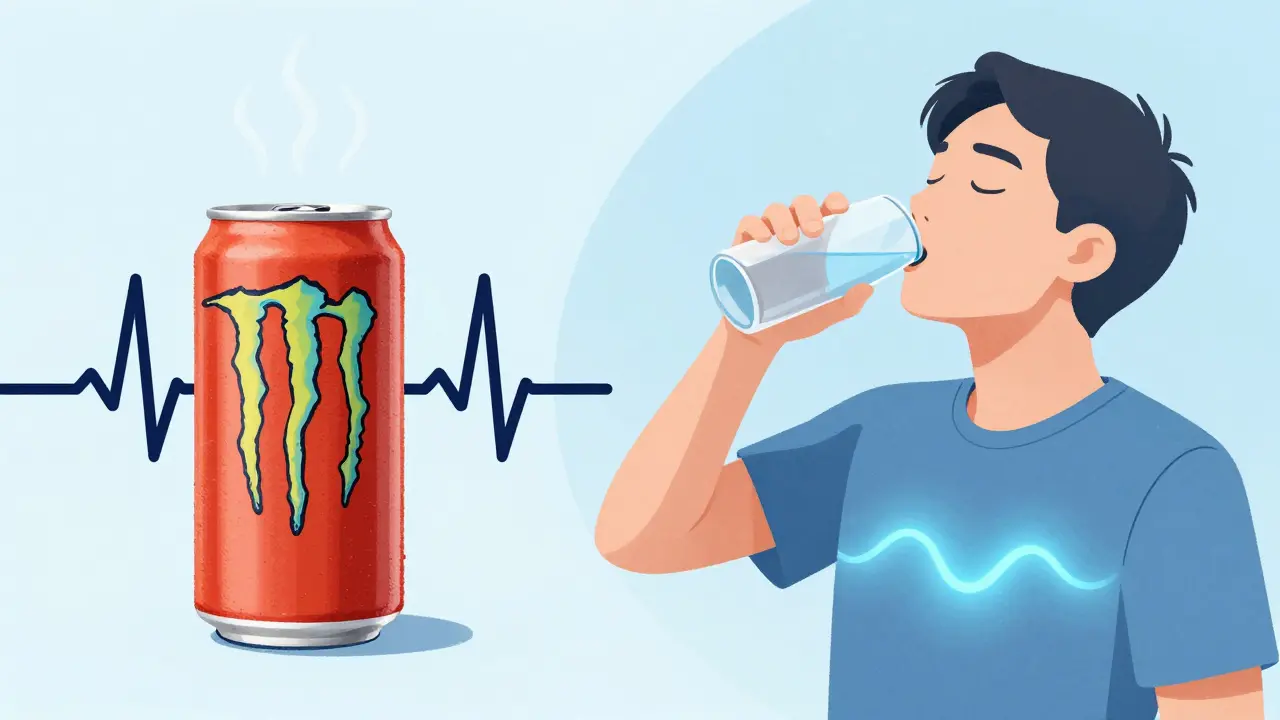
You drank an energy drink, and now your heart is pounding like it’s trying to escape your chest. You’re not imagining it. Your chest feels tight, your fingers tingle, and you can’t catch your breath. It’s scary-but it’s also common. Energy drinks pack a punch: 200 to 300 milligrams of caffeine in a single can, plus sugar, taurine, guarana, and other stimulants. For some people, that’s enough to send their heart racing. The good news? You can calm it down. And you don’t need medicine.
Why Your Heart Races After an Energy Drink
Caffeine blocks adenosine, a chemical that tells your brain it’s time to rest. When adenosine can’t do its job, your nervous system goes into overdrive. Your adrenal glands pump out adrenaline. Your heart rate jumps. Blood pressure rises. That’s the point of energy drinks-to make you feel wired. But if your body isn’t used to it, or if you’re sensitive, the effect can feel like a panic attack.
It’s not just caffeine. Many energy drinks contain guarana, which has even more caffeine than coffee beans. Some add synephrine or yohimbine-stimulants banned in sports because they spike heart rate. A 2023 study in the Journal of the American Heart Association found that people who drank two or more energy drinks in a day had a 40% higher chance of experiencing heart palpitations than those who didn’t.
It’s not dangerous for most healthy adults-but it’s uncomfortable. And if you’re under 18, pregnant, have high blood pressure, or a heart condition, it can be risky.
What to Do Right Now: 5 Immediate Steps
When your heart is racing, your body thinks it’s in danger. Your job is to trick it into calming down. Here’s how:
- Stop moving. Sit or lie down. Don’t try to walk it off or keep working. Movement makes your heart work harder. Find a quiet spot. Close your eyes.
- Breathe slowly. Inhale for four seconds through your nose. Hold for four. Exhale for six through your mouth. Repeat five times. This activates your vagus nerve, which slows your heart rate. Try the 4-7-8 method: breathe in for 4, hold for 7, breathe out for 8.
- Drink cold water. Sip slowly. Cold water stimulates the vagus nerve too. It also helps flush out excess caffeine. Don’t chug-it can trigger more palpitations.
- Apply a cold compress. Wet a washcloth, freeze it for 10 minutes, then press it to your neck or chest. The shock of cold can reset your heart rhythm. Some people report feeling better within 30 seconds.
- Don’t panic. Fear makes your heart race faster. Remind yourself: This is temporary. It’s not a heart attack. Most episodes last less than 10 minutes. If it lasts longer, call for help.
How Long Does It Last?
Caffeine hits your bloodstream in 15 to 45 minutes. Peak levels are around one hour. Half of it leaves your body in 5 to 6 hours. That means your heart might keep racing for up to 8 hours after that energy drink.
But the worst part usually passes in 15 to 30 minutes. After that, it’s just a slow fade. Drink water. Rest. Avoid more caffeine. Don’t reach for another can thinking it’ll help. It won’t.
When to Worry: Red Flags
Most racing hearts after energy drinks are harmless. But some signs mean you need medical help:
- Chest pain that spreads to your arm, jaw, or back
- Shortness of breath that doesn’t improve with rest
- Dizziness or fainting
- Heart rate over 140 beats per minute for more than 10 minutes
- History of heart disease, arrhythmia, or epilepsy
If any of these happen, call emergency services. Don’t wait. Even if you think it’s just caffeine, it could be something serious.
Prevention: How to Avoid It Next Time
Once you’ve felt it, you’ll want to avoid it again. Here’s how:
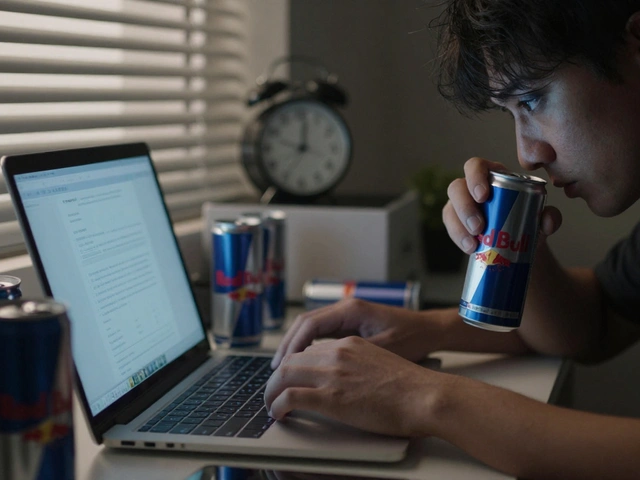
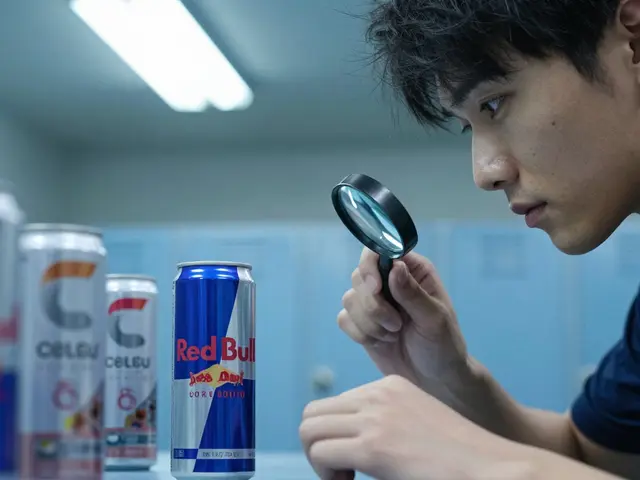
- Check the label. Look for caffeine content. Anything over 150 mg per serving is high. The FDA recommends no more than 400 mg per day for adults. That’s about two cans of most energy drinks.
- Know your limit. If you’re not a regular coffee drinker, one energy drink might be too much. Start with half a can. See how you feel.
- Don’t mix with alcohol or exercise. Alcohol dehydrates you. Exercise raises your heart rate. Combine them with energy drinks, and you’re asking for trouble.
- Choose low-caffeine or caffeine-free options. Brands like Runa, Zevia, or Guayaki Yerba Mate have less caffeine and no synthetic stimulants.
- Hydrate before you drink. Dehydration makes caffeine hit harder. Drink a glass of water before opening the can.
What to Drink Instead
You don’t need energy drinks to feel alert. Here are better options:
- Black coffee (100-150 mg caffeine per cup)
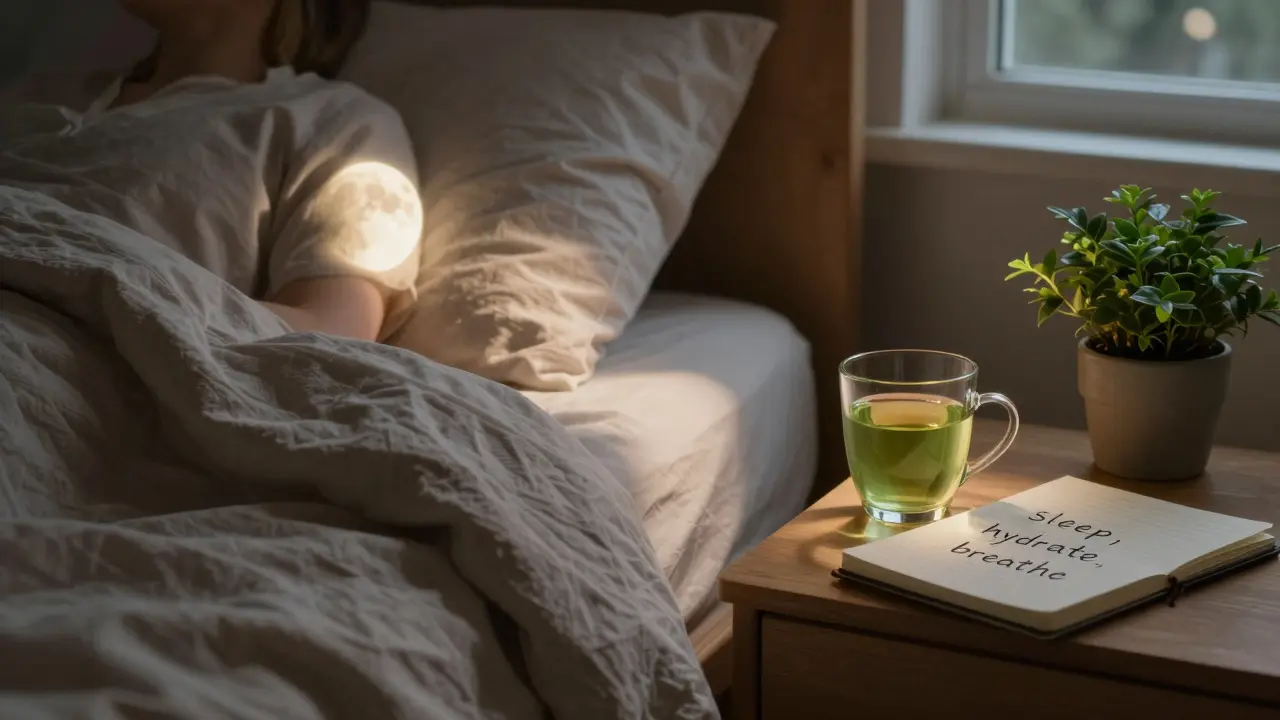
- Green tea (25-40 mg caffeine, plus calming L-theanine)
- Electrolyte water with a splash of citrus
- Chilled coconut water (natural potassium, no stimulants)
- Herbal teas like peppermint or ginger (caffeine-free, soothing)
Green tea is especially good. It gives you gentle energy without the crash. The L-theanine in tea helps you stay calm while staying focused.
Long-Term Fixes
If this keeps happening, it’s not just about the drink-it’s about your body’s stress response. Chronic stress, poor sleep, and anxiety make you more sensitive to caffeine. Fix those, and your heart won’t race as easily.
- Get 7-8 hours of sleep every night.
- Reduce sugar and processed foods-they spike adrenaline.
- Move your body daily. Walking 30 minutes lowers stress hormones.
- Try meditation or box breathing. Just 5 minutes a day helps.
- Consider a caffeine detox. Cut it out for two weeks. Notice how you feel.
Many people report feeling more energized-not less-after quitting energy drinks. Their sleep improves. Their anxiety drops. Their heart stops racing.
Final Thought: You’re Not Alone
Thousands of people feel this way after energy drinks. It’s not weakness. It’s biology. Your body is telling you it’s overloaded. Listen to it. Slow down. Breathe. Drink water. You don’t need another can to feel alive. You just need to give your body a chance to recover.
Can energy drinks cause a heart attack?
Rarely, but it’s possible-especially if you have an undiagnosed heart condition, drink multiple cans in a short time, or mix them with alcohol or stimulants. A 2022 case study in Circulation documented a 21-year-old who suffered a heart attack after drinking three energy drinks in one day. The risk is low for healthy people, but it’s not zero.
How long does caffeine stay in your system?
Caffeine’s half-life is about 5 to 6 hours. That means half the caffeine you consumed is still in your body after that time. It can take up to 12 hours to fully clear. If you’re sensitive, even small amounts can trigger palpitations for hours.
Is it safe to take magnesium after an energy drink?
Yes. Magnesium helps regulate heart rhythm and can reduce caffeine-induced palpitations. A 200 mg dose of magnesium glycinate or citrate is safe for most adults. Don’t take it on an empty stomach-it can cause loose stools. Talk to your doctor if you have kidney problems.
Why do I feel shaky after an energy drink?
Shakiness comes from adrenaline surging through your body. It’s the same feeling as being scared or excited. Caffeine tricks your brain into thinking you’re under threat. The tremors usually fade within an hour as your body processes the stimulants. Eating a small snack with protein can help stabilize your blood sugar and reduce shaking.
Should I avoid energy drinks if I have anxiety?
Yes. Caffeine worsens anxiety symptoms in most people. It increases heart rate, triggers panic attacks, and disrupts sleep-all of which make anxiety worse. If you have diagnosed anxiety, energy drinks are not worth the risk. Try herbal teas, water with lemon, or a short walk instead.
Comments (8)
Glenn Celaya
30 Jan 2026
bro just stop drinking liquid lightning and you wont have this problem
Wilda Mcgee
31 Jan 2026
so many people dont realize caffeine isnt a nutrient its a drug. and like any drug, your body reacts. the 4-7-8 breathing trick saved me after my first monster can at 19. also green tea with lemon and honey? absolute game changer. no crash no jitters just quiet energy. you dont need to be wired to be alive
Priyank Panchal
1 Feb 2026
you people act like energy drinks are some new invention. we had Red Bull in the 90s and nobody lost their minds. its not the drink its your weak nervous system. if you cant handle 200mg caffeine you shouldnt be on a keyboard
chioma okwara
1 Feb 2026
u spelled 'palpitations' wrong in the post and u said 'vagus nerve' like its a brand name. also magnesium glycinate? no one says that unless they read a study on pubmed. just say mag citrate dumbass
John Fox
2 Feb 2026
the cold washcloth trick actually works. tried it last week after a 5-hour energy. felt like my heart was gonna punch through my ribs. 30 seconds later it was just a thumpin not a drum solo
Tasha Hernandez
4 Feb 2026
oh so now its my anxiety? my sleep? my sugar intake? lets blame the victim again. maybe if you stopped selling liquid panic in neon cans to teenagers this wouldnt be a thing. also i lost my cousin to a caffeine-induced arrhythmia. so dont tell me its just 'uncomfortable'
Anuj Kumar
5 Feb 2026
the real problem is the government lets these drinks be sold like soda. they know its dangerous. they just dont care. big caffeine owns the FDA. wake up sheeple
Chris Atkins
6 Feb 2026
my grandma drinks 3 cups of coffee a day and never flinches. i tried one energy drink and felt like i swallowed a hornet. guess my body just dont like the extra junk. now i stick to cold brew and walk to work. best decision ever