
Author: Amelia Starling - Page 8
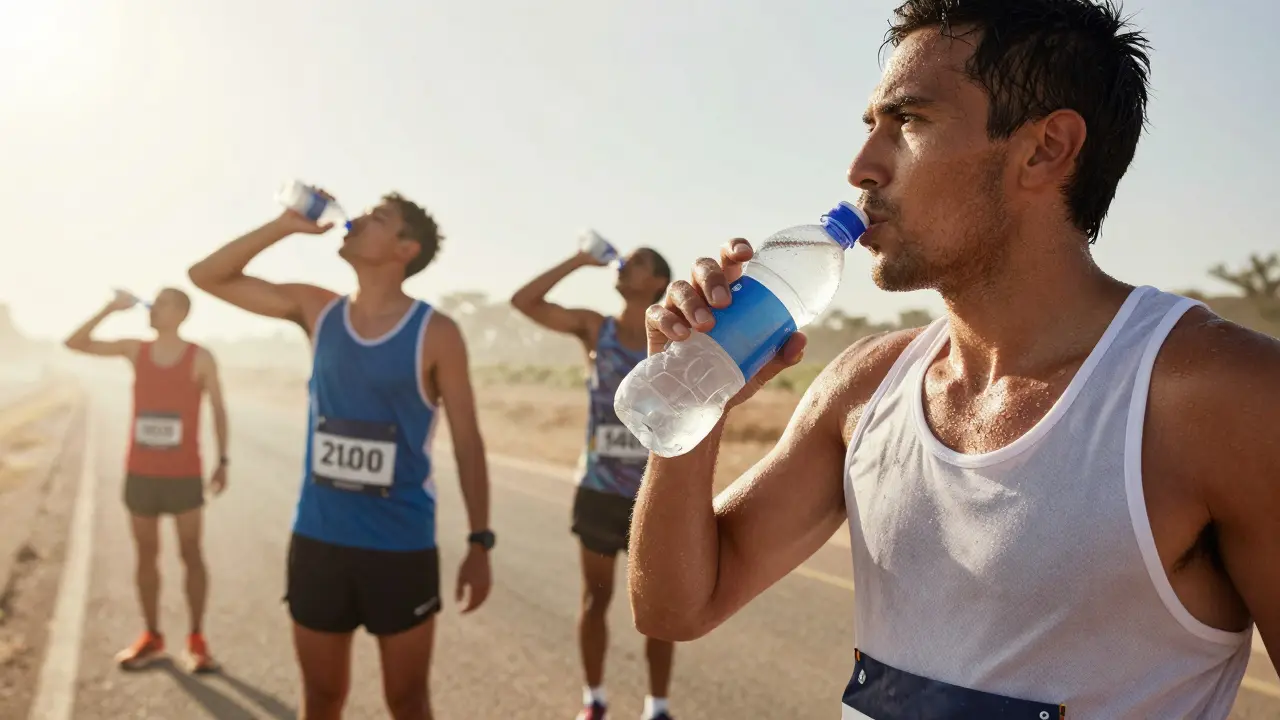
Sports drinks aren't necessary for most athletes. Learn when they actually help performance, when water is enough, and how to avoid sugar traps. Science-backed advice for real training needs.
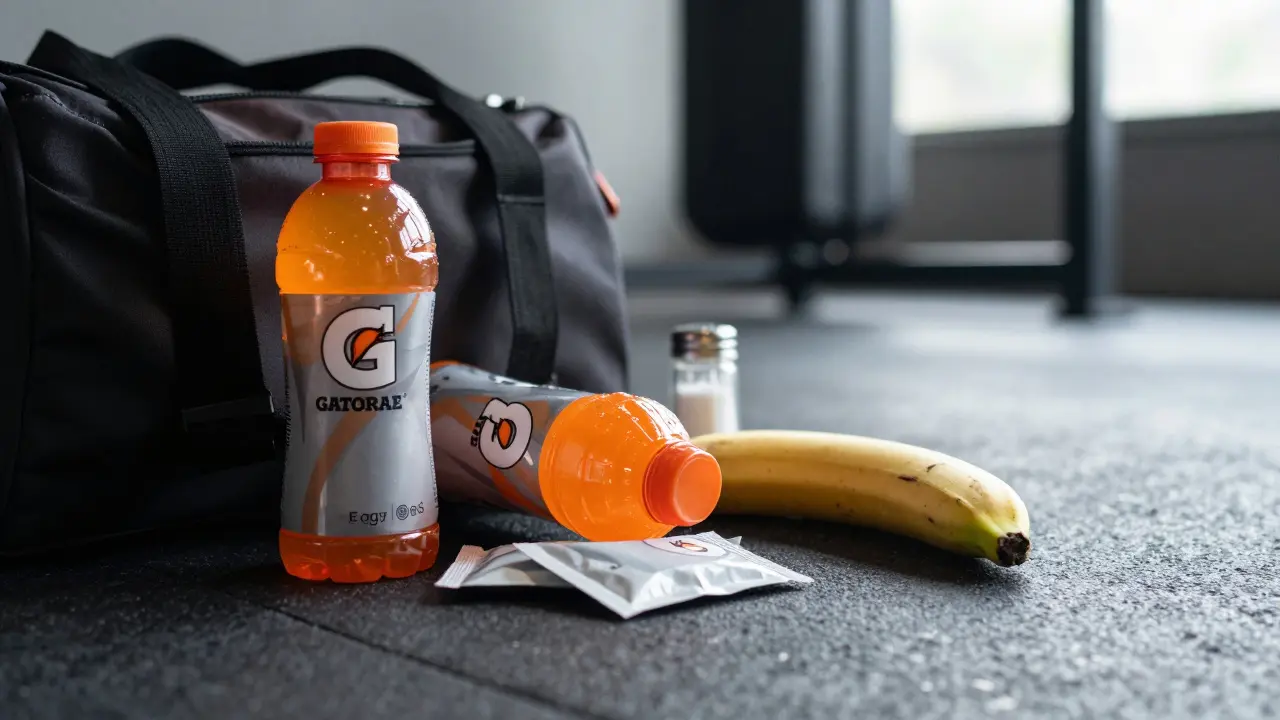
Sports drinks aren’t gone-they’ve changed. With sugar crackdowns and better science, the old sugary bottles are fading out. Here’s what’s replacing them and what you should actually be drinking after exercise.

Green tea is the #1 weight loss drink backed by science - not sugary energy drinks. Learn how brewed green tea or clean low-calorie green tea energy drinks boost fat burning, what to look for in a product, and why most so-called 'fat-burning' drinks don’t work.
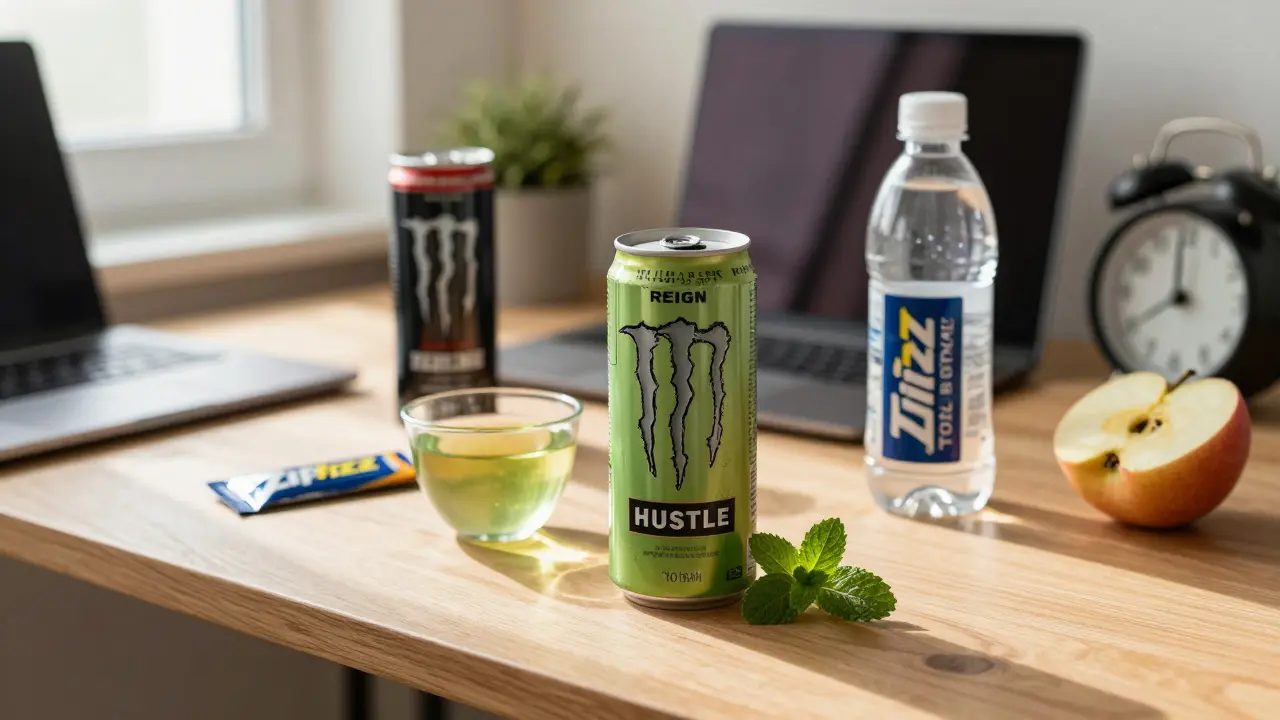
No energy drink is healthy, but some are less harmful than others. Learn which ones have the least sugar, caffeine, and artificial additives-and what actually works better than any can.
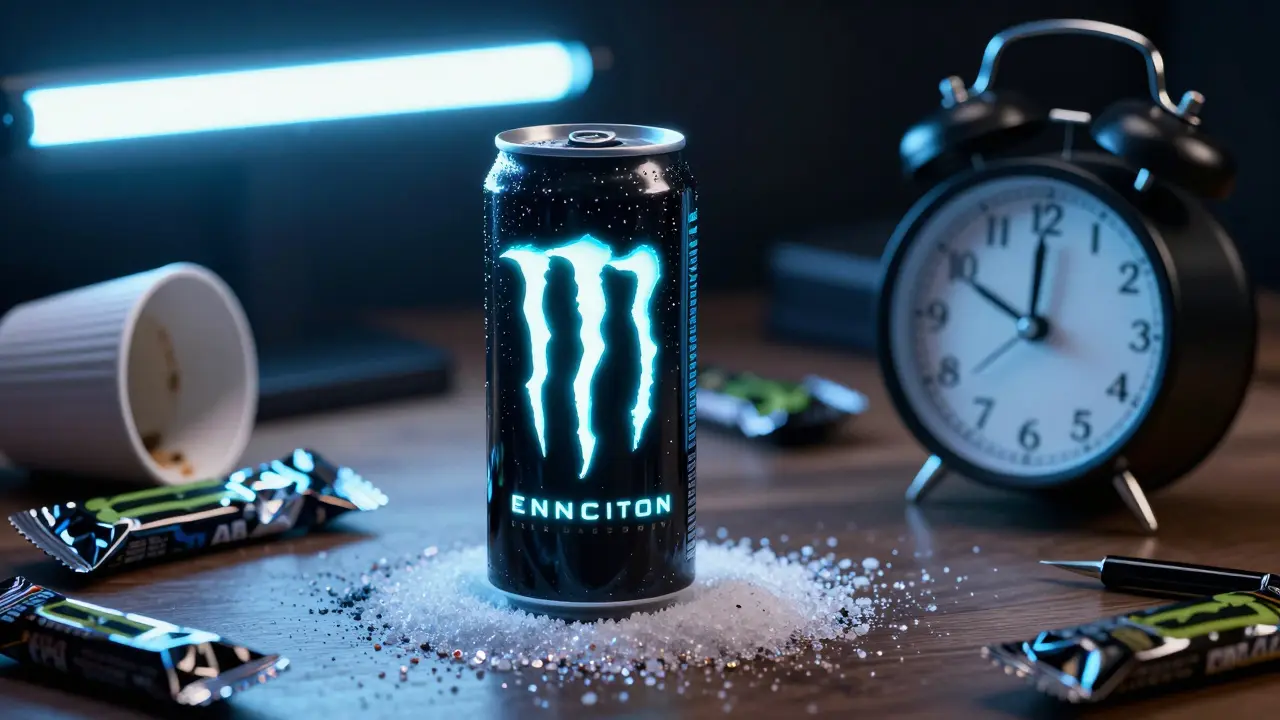
The unhealthiest drink ever isn't soda or alcohol - it's the standard energy drink. Packed with sugar, artificial sweeteners, and unregulated stimulants, these drinks damage your metabolism, sleep, and heart. Here's what's really inside and what to drink instead.
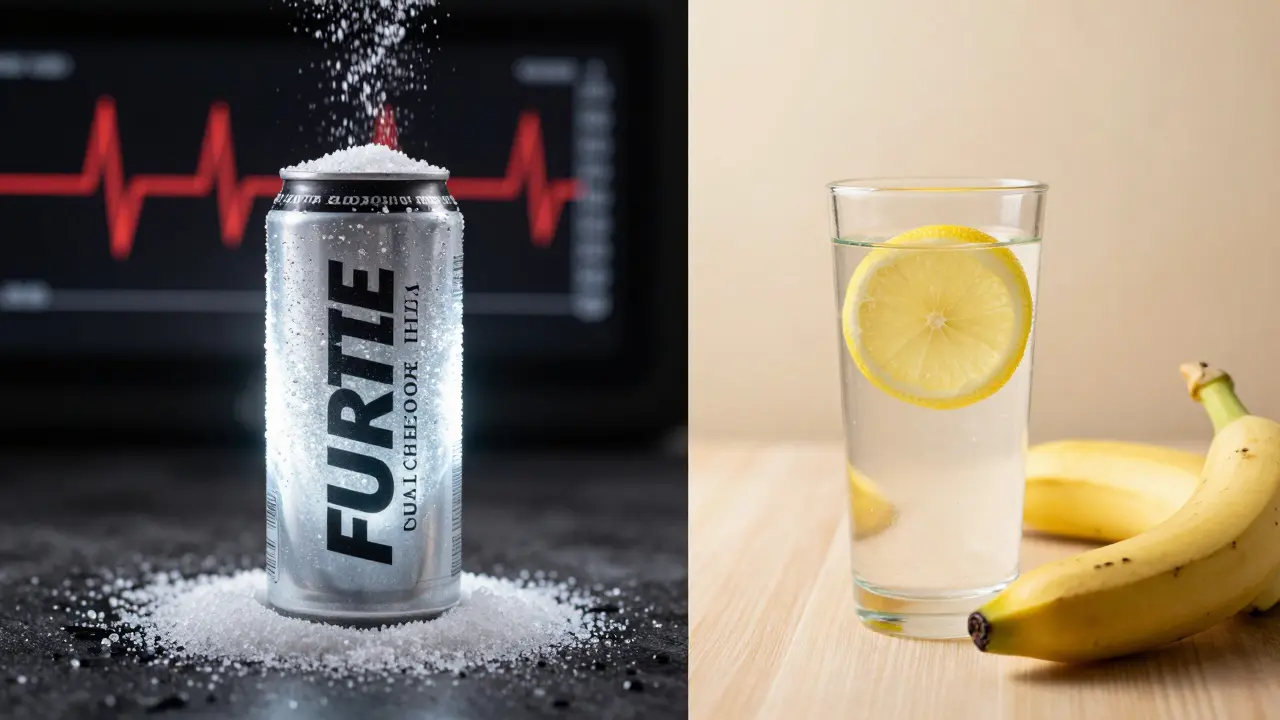
Some energy drinks pack dangerous levels of caffeine, sugar, and artificial stimulants that can harm your heart, metabolism, and kidneys. Learn which ones to avoid and what to drink instead.

Powerade is a sports drink designed to replace electrolytes lost during exercise-not an energy drink. It contains no caffeine, making it ideal for athletes but not for quick energy boosts.

The healthiest energy drinks have zero sugar, natural caffeine, electrolytes, and no artificial ingredients. Kill Cliff IGNITE, Runa, and Celsius lead the pack in 2025 with science-backed formulas that boost energy without the crash.
Discover the top 5 healthiest drinks that actually support energy, focus, and long-term wellness-without sugar, caffeine crashes, or artificial junk. No energy drinks here, just real, natural options that work.
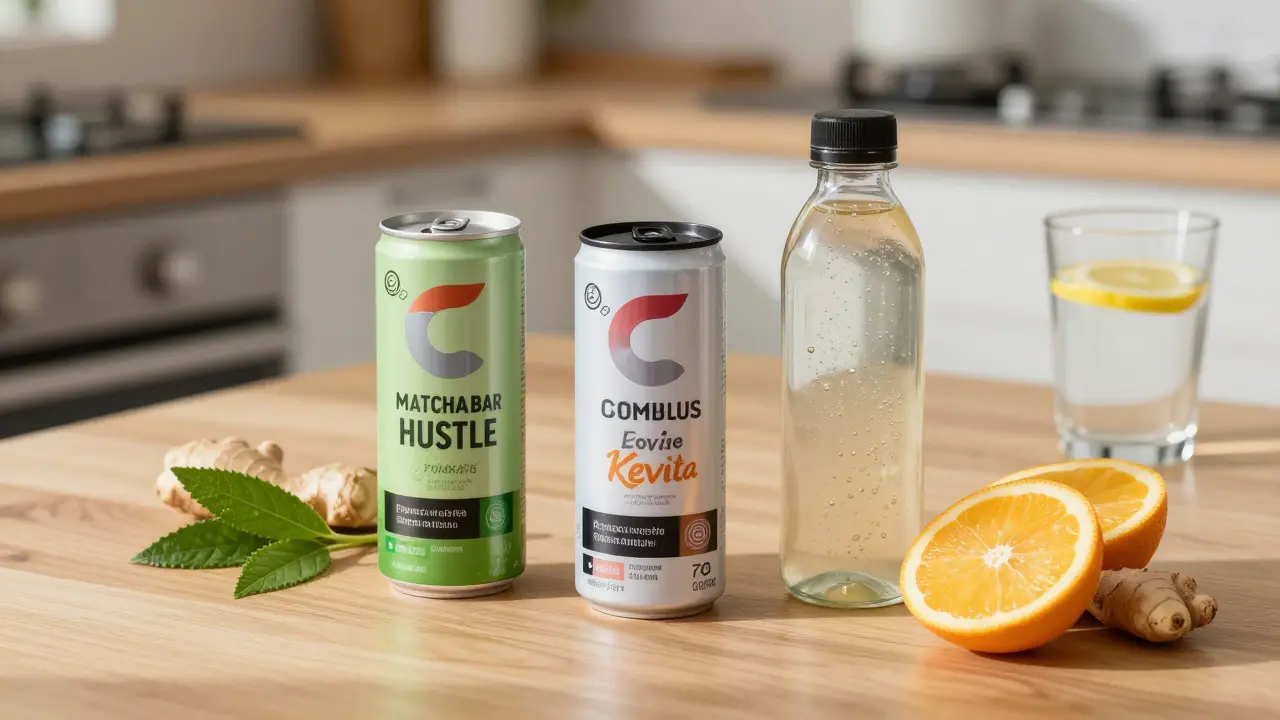
The healthiest drink isn't always the one with the most caffeine. Learn which low-calorie energy drinks actually support your health-and which ones to avoid for better energy without the crash.
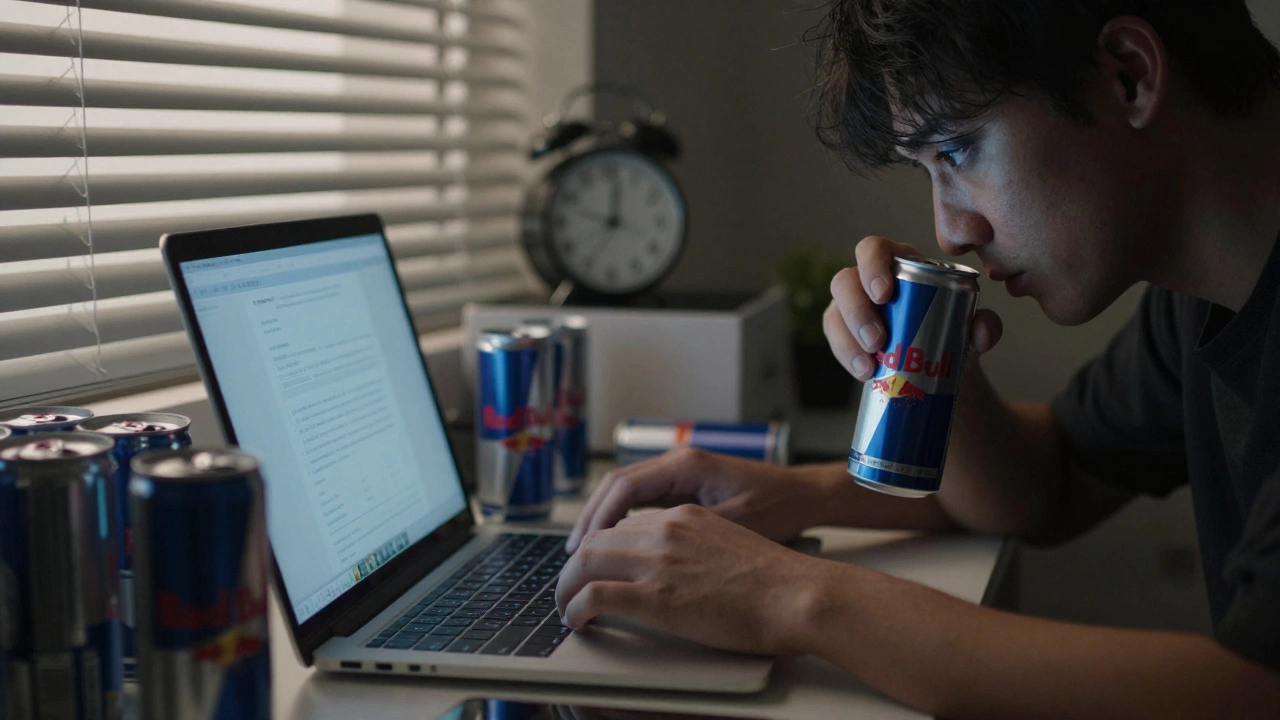
Is Red Bull unhealthy? Daily consumption can lead to weight gain, tooth decay, sleep issues, and heart rhythm problems due to high sugar and caffeine. Here's what science says about long-term effects and healthier alternatives.
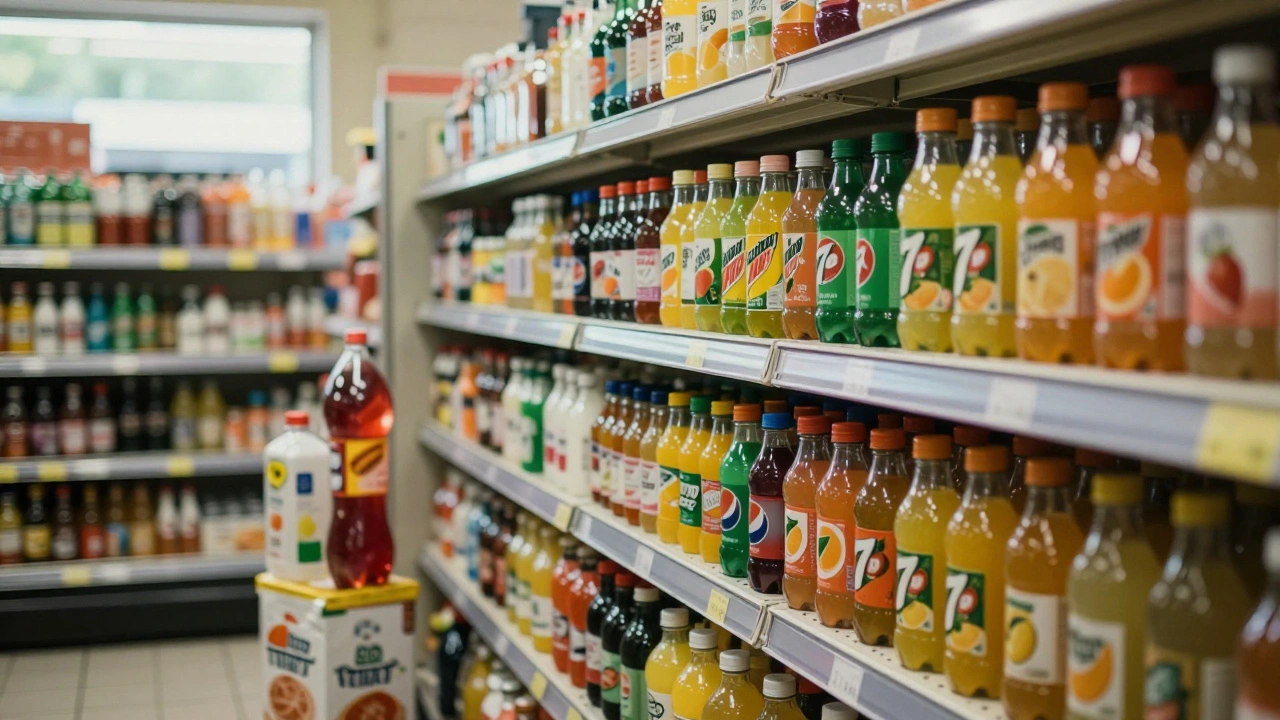
Mountain Dew isn't sold in Europe because it once contained BVO, a chemical banned for potential health risks. While the U.S. formula changed in 2014, Europe never got the updated version. Here's why it's still missing from shelves.