
What Happened to All Sports Drinks Today? The Real Story Behind the Change
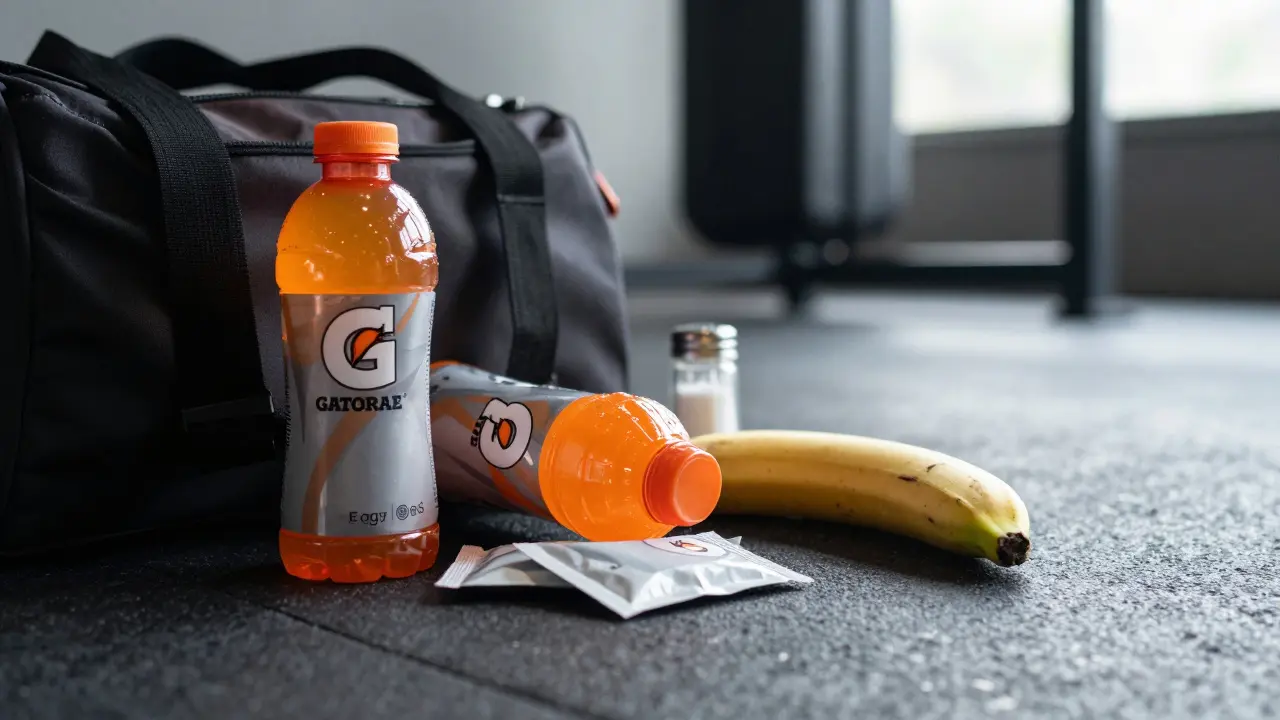
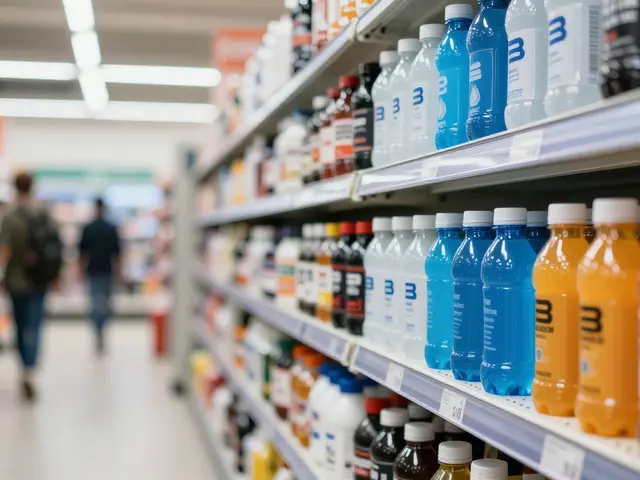
Remember when every gym bag, soccer sideline, and marathon finish line had a bright blue or orange bottle of sports drink? You’d chug it after a hard workout, feel the sugar rush, and think you were doing the right thing. Today? Those bottles are vanishing. Shelves are emptier. Brands are shrinking sizes. Prices are climbing. And the ones still around? They look nothing like the ones from five years ago.
They’re not gone-they’re changed
Sports drinks haven’t disappeared. They’ve been rewritten. The formula that once said "replenish electrolytes and carbs after exercise" now reads "low sugar, no artificial colors, non-GMO, plant-based electrolytes." The big players-Gatorade, Powerade, Lucozade-haven’t vanished. But they’ve been forced to adapt. Why? Because consumers stopped believing the old promises.
In 2020, the average American drank 1.8 gallons of sports drinks a year. By 2024, that number dropped to 0.9. In Australia, sales fell 22% between 2021 and 2023. Not because people stopped exercising. But because they started asking: "Why am I drinking this?"
The sugar shock
A typical 600ml bottle of classic Gatorade had 36 grams of sugar. That’s nearly 9 teaspoons. The World Health Organization recommends no more than 25 grams of added sugar per day for adults. So one bottle? It’s more than your entire daily limit.
Parents noticed. Athletes noticed. Even casual gym-goers noticed. A 2023 study from the University of Queensland tracked 1,200 regular exercisers. Half were given traditional sports drinks after training. The other half got water with a pinch of salt and a squeeze of lemon. After six weeks, both groups recovered equally well. The sugar group? They gained an average of 1.8 kg. The lemon-water group? No change.
That’s when brands panicked. Gatorade Zero launched. Powerade Zero got a redesign. Even lesser-known brands like Nuun and Skratch Labs exploded in popularity-not because they tasted better, but because they had under 5 grams of sugar per serving.
Electrolytes aren’t magic
Here’s the truth most ads don’t tell you: You don’t need a special drink to replace electrolytes. Sweat contains sodium, potassium, magnesium, and chloride. But you also get those from food.
After a 90-minute run, you lose about 800mg of sodium. A single banana gives you 420mg of potassium. A small serving of yogurt? 250mg of calcium. A handful of pretzels? 300mg of sodium. You can replace everything you lost through sweat-without sugar, without additives, without a $3 bottle.
Elite athletes still use electrolyte tablets. But they’re not chugging them like soda. They’re dissolving one tablet in a liter of water, sometimes adding a pinch of sea salt. No flavoring. No dyes. Just what the body needs.

The rise of the minimalist drink
Today’s best-selling sports drinks aren’t from big corporations. They’re from small brands that look more like health food startups. Brands like:
- LMNT-no sugar, 1,000mg sodium, 200mg potassium, 60mg magnesium. Sold in powder packs.
- TrueNatty-organic coconut water, no added sugar, no preservatives. Tastes like slightly salty water.
- HydroPump-used by triathletes in Brisbane. Contains only sodium, potassium, and trace minerals from Himalayan salt.
These drinks don’t market themselves as "performance boosters." They market themselves as "hydration without the junk." And people are buying them-not because they’re trendy, but because they work.
What about endurance athletes?
Yes, marathoners and Ironman competitors still need carbs during long events. But even they’re changing how they get them.
Five years ago, runners carried gels with 27 grams of sugar and a shot of caffeine. Now? Many use real food: dates, banana slices, honey packets, or even homemade rice cakes with salt. A 2024 study in the Journal of Sports Science tracked 300 long-distance runners. Those using real food performed just as well as those using gels-but had 40% fewer stomach issues.
Big brands are catching on. Gatorade now sells a "Fuel Gel" with only 18 grams of sugar and added electrolytes. But it’s still a niche product. Most runners stick with bananas.
The cost of change
Here’s the uncomfortable truth: The new sports drinks cost more. A 12-pack of traditional Gatorade used to cost $15. Now? $22. A box of 20 LMNT packets? $35. Why? Because real ingredients cost more. No high-fructose corn syrup. No artificial colors. No cheap preservatives.
But here’s what’s surprising: People are paying it. In Australia, sales of low-sugar electrolyte drinks grew 47% in 2024. The market for sugar-free hydration products is now bigger than the traditional sports drink market.
What should you drink?
Here’s the simple rule:
- Under 60 minutes of exercise? Water. No exception.
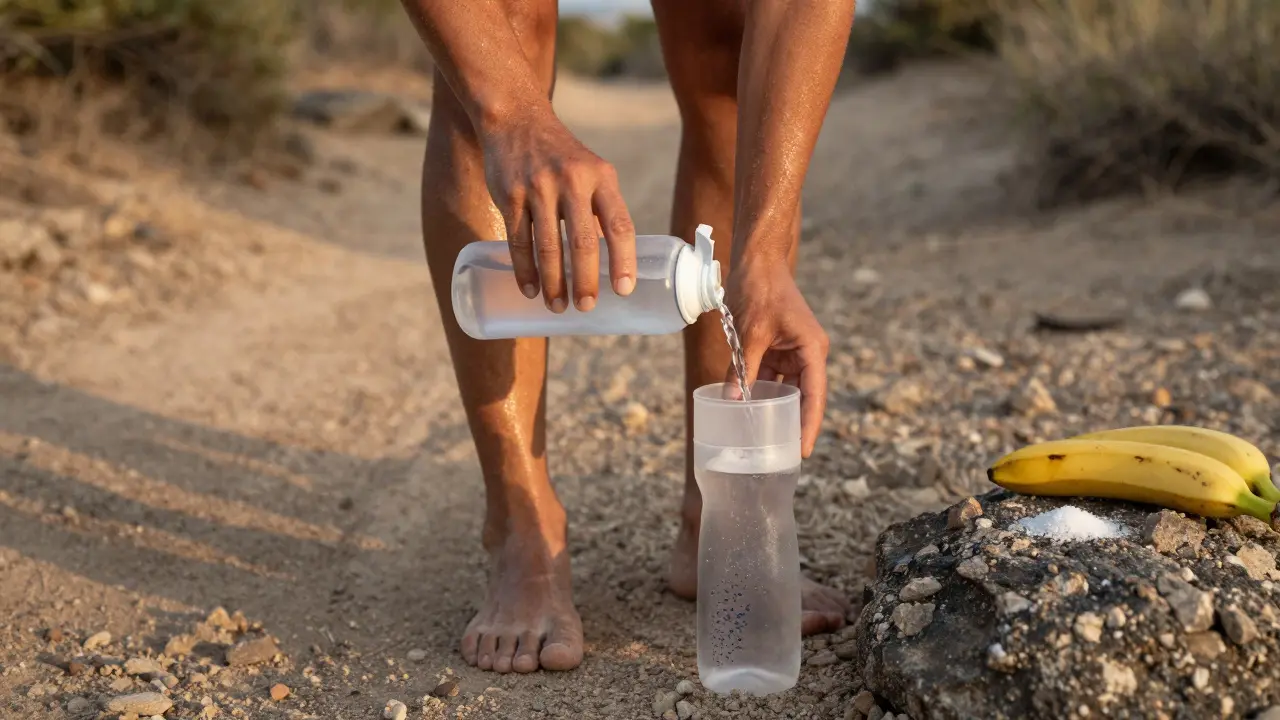
- 60-90 minutes of intense sweating? Water + a pinch of salt + a small piece of fruit.
- Over 90 minutes of endurance effort? Electrolyte powder with no sugar, or real food like dates and pretzels.
- Still want the old-school taste? Go for zero-sugar versions-but check the label. Some still have artificial sweeteners like sucralose, which can upset your gut.
You don’t need a drink that tastes like candy to recover. Your body doesn’t care about the flavor. It cares about sodium, potassium, and water.
What’s next?
The next wave? Drinks that don’t even look like drinks. Think: electrolyte-infused chewing gum. Salt capsules you swallow with water. Even wearable patches that release minerals through your skin.
Big companies are investing in all of it. But the real winners? The ones who stop pretending sports drinks are for everyone. They’re not. They’re for people who sweat hard for long periods. Everyone else? Just drink water. Add salt if you need it. Eat real food. Your body already knows what to do.
The sports drink aisle didn’t shrink because people stopped exercising. It shrank because people started thinking.
Are sports drinks still useful for regular gym-goers?
For most people working out 30-60 minutes at a time, sports drinks offer no benefit over water. The sugar and sodium in them are unnecessary unless you’re training for over 90 minutes in extreme heat. If you’re just lifting weights or doing a spin class, water is enough.
Why do sports drinks have so much sugar if it’s bad for you?
Sugar was added because it helps the body absorb water and electrolytes faster. It also makes the drink taste good so people will buy it. But research now shows you don’t need sugar for absorption-sodium alone does the job. The sugar was a marketing tool, not a physiological necessity.
Do zero-sugar sports drinks work as well?
Yes, for hydration and electrolyte replacement. But many zero-sugar versions use artificial sweeteners like sucralose or acesulfame K, which can cause bloating or gut discomfort in some people. Look for ones sweetened with stevia or monk fruit, or better yet-unsweetened electrolyte powders.
Can I make my own sports drink at home?
Absolutely. Mix 1 liter of water, ¼ teaspoon of sea salt, 2 tablespoons of orange juice (for potassium and flavor), and a teaspoon of honey (optional for longer workouts). It costs less than $0.50 per bottle and has no additives.
Are sports drinks better than water for recovery?
Only if you’ve been sweating heavily for over 90 minutes. For shorter workouts, water and a snack like a banana or yogurt are just as effective-and healthier. Your muscles recover from protein and carbs in food, not from a sugary drink.
What to do next
Check your fridge. If you still have old-school sports drinks sitting there, ask yourself: When was the last time I trained for more than 90 minutes in 30°C heat? If the answer is "never," toss them. Replace them with water, a salt shaker, and a piece of fruit.
That’s not a trend. That’s common sense. The sports drink industry didn’t fail. It just got caught selling a lie. And now, the truth is winning.

Comments (9)
adam smith
24 Dec 2025
Wow. I didn’t realize I was basically drinking liquid candy after my 45-minute spin class. Guess I’ll stick to water. Easy fix.
Mongezi Mkhwanazi
24 Dec 2025
Let me be perfectly clear-this isn’t merely a shift in consumer preference; it is, in fact, a systemic collapse of corporate deception, meticulously engineered over decades to exploit physiological ignorance, masked as science, and aggressively marketed to parents who believe their children need ‘performance enhancement’ after soccer practice-when, in reality, they just need a banana, a glass of water, and a damn nap!
The sugar content in those bottles is not just excessive-it is criminally negligent, and the fact that regulatory bodies allowed it to persist for so long speaks volumes about the capture of public health institutions by Big Beverage. And now, with the rise of minimalist electrolyte powders, we see the inevitable backlash-slow, quiet, and utterly inevitable.
LMNT? TrueNatty? These aren’t ‘trends’-they’re the sound of a generation finally waking up from a 30-year sugar coma. And yes, they cost more-because quality costs more, and corporations can’t profit off truth the way they profited off high-fructose corn syrup.
Don’t mistake this for ‘health consciousness.’ This is rebellion. Quiet, effective, and deliciously inconvenient for the Gatorade executives who still think they’re selling hydration when they’re really selling dopamine triggers.
Mark Nitka
25 Dec 2025
I used to chug Gatorade after every workout. Then I tried making my own with salt, lemon, and a splash of juice-and I felt better. No crash. No bloating. Just clean hydration. The science is clear: you don’t need sugar to recover. The marketing? That’s the real performance enhancer.
Kelley Nelson
25 Dec 2025
How utterly pedestrian. One might assume that the average gym-goer, having been conditioned by decades of advertising to equate hydration with artificial citrus-flavored glucose syrup, would require a 2,000-word treatise to comprehend that water + sodium suffices. And yet, here we are-still baffled that the human body, having evolved over millennia, does not require a 36-gram sugar bolus to maintain homeostasis after a treadmill session. Truly, the spectacle of modern consumerism is less science, more spectacle.
Aryan Gupta
26 Dec 2025
Wait-so you’re telling me the entire sports drink industry was a controlled demolition to get us addicted to sugar, while the real electrolyte science was buried by Big Pharma and the FDA? And now they’re selling ‘zero sugar’ versions with sucralose-another chemical trap? This isn’t evolution. It’s rebranding. They’re just swapping one poison for another. And don’t get me started on how they’re using ‘plant-based electrolytes’ as a buzzword to sell the same product in a new bottle. It’s all a lie. They’re watching us. They know we’re onto them. That’s why they’re pushing gum and patches next. You think this is about health? No. It’s about control.
Fredda Freyer
27 Dec 2025
This is one of the clearest, most grounded takes I’ve read on hydration in years. The truth is, our bodies are ancient machines built for efficiency-not sugar-fueled marketing campaigns. The idea that you need a $3 bottle to recover from a run is absurd. Your kidneys know how to regulate sodium. Your muscles know how to use potassium. You don’t need a flavor packet to tell you what to do.
I’ve been using LMNT for marathon training, and honestly? I didn’t notice a difference in performance. But I noticed I stopped craving sweets afterward. That’s the real win. The sugar was rewiring my brain, not helping my legs.
And for those saying, ‘But what about elite athletes?’-they’re not chugging bottles. They’re using measured doses of powder, sometimes just salt in water. The rest? That’s theater. Performance science has known this for decades. The public just caught up.
Also, homemade version? Brilliant. I make mine with sea salt, lime, and a teaspoon of maple syrup for long rides. Costs pennies. Tastes better. No guilt. And no weird aftertaste from artificial sweeteners.
What’s next? Maybe we’ll stop buying drinks that look like they were designed by a cartoon character and start trusting our own biology again. It’s not radical. It’s just… obvious.
Gareth Hobbs
28 Dec 2025
Right then-so we’re supposed to believe that some American startup selling salty powder in little sachets is ‘better’ than good ol’ British Lucozade? Pah! We had electrolyte drinks back in the 80s that didn’t need a degree in nutrition to understand. And now? We’ve got people paying £5 for a packet of ‘Himalayan salt crystals’ like it’s some kind of sacred ritual. Absolute nonsense. And don’t even get me started on ‘plant-based electrolytes’-as if potassium from a coconut is somehow more ‘pure’ than good old-fashioned sodium citrate. This isn’t progress. It’s wellness witchcraft.
And why’s it so expensive? Because they’re charging for the *idea* of purity-not the product. You can buy salt, lemon, and water at any corner shop. But no, we need a brand with a logo that looks like it was designed by a yoga instructor on acid.
Next they’ll be selling ‘breathable socks’ that ‘release hydration through osmosis.’ Mark my words.
Zelda Breach
29 Dec 2025
Wow. Just wow. You wrote a 1,500-word essay to tell people to drink water. Congratulations. You’ve unlocked the ‘Basic Human Biology’ achievement. Meanwhile, the rest of us who actually train for 2+ hours in 95°F heat are over here using electrolyte powders because we don’t want to cramp mid-marathon. But sure-let’s pretend everyone’s just a casual jogger who needs a banana. Your privilege is showing.
Alan Crierie
29 Dec 2025
Thank you for this. I’ve been trying to explain this to my friends for years-‘Why are you drinking that?’-and they always say, ‘But it’s for recovery!’ 😅
Now I can just send them this. The DIY version? I make it with water, a pinch of sea salt, a splash of apple juice, and a drop of stevia if I’m feeling fancy. It’s delicious, cheap, and I don’t feel like I’ve swallowed a soda can.
Also, the shift to powder packs? Genius. Less plastic. Less waste. More control. It’s not a trend-it’s just… smarter. And I’m so glad we’re finally moving away from the ‘taste over function’ era. 🙌