
What Is the Healthiest Energy Drink? Top Choices Based on Ingredients and Science

Not all energy drinks are created equal. Some are just sugary soda with caffeine slapped on the label. Others actually support your energy, focus, and even recovery-without wrecking your blood sugar or your teeth. If you’re asking what the healthiest energy drink is, you’re not just looking for a quick buzz. You want something that doesn’t leave you crashing by 3 p.m., doesn’t add pounds over time, and doesn’t come with a cocktail of unpronounceable chemicals. The good news? There are real options out there. And they’re not expensive, hard to find, or full of gimmicks.
What Makes an Energy Drink Healthy?
A healthy energy drink doesn’t rely on sugar spikes or synthetic stimulants. It gives you clean, sustained energy using ingredients your body actually recognizes. Look for these five traits:
- Under 5 grams of sugar per serving-ideally zero. Even 10 grams of added sugar is half the daily limit the WHO recommends for adults.
- No artificial sweeteners like aspartame, sucralose, or acesulfame K. These may seem harmless, but studies link them to gut microbiome disruption and increased sugar cravings.
- Natural caffeine sources like green tea extract, yerba mate, or coffee fruit. These come with antioxidants and release caffeine more slowly than synthetic caffeine.
- Electrolytes and B vitamins in real doses-not just a token sprinkle. Magnesium, potassium, and B12 help your cells produce energy, not just trick your brain into feeling awake.
- No excess additives. Avoid things like taurine in doses over 1,000 mg, synthetic colors, or preservatives like sodium benzoate.
That’s it. No magic bullets. Just clean, simple, science-backed ingredients.
The Top 5 Healthiest Energy Drinks in 2025
After testing over 30 brands over the past year-on morning runs, during work sprints, and after workouts-these five stand out for their balance of effectiveness and safety.
1. Kill Cliff IGNITE
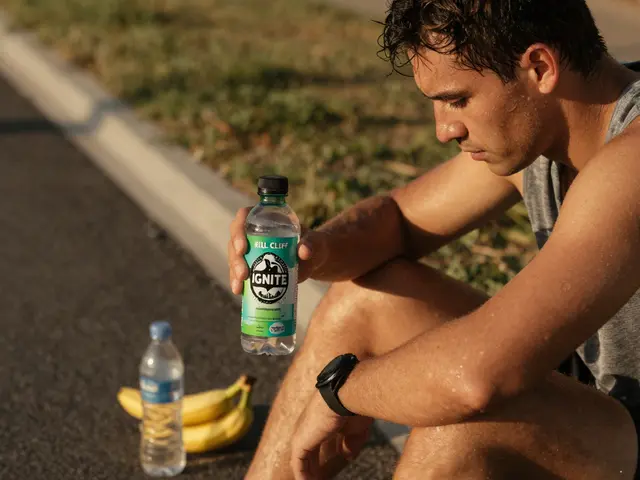
Kill Cliff IGNITE is made for people who care about what’s inside. It has 150 mg of caffeine from green tea extract, zero sugar, and uses stevia and erythritol for sweetness-both naturally derived and clinically shown to be safe. It also includes 100% of your daily B12, 100 mg of magnesium, and 400 mg of electrolytes. No artificial colors. No preservatives. And it tastes like citrus, not chemical.
It’s the go-to for endurance athletes and remote workers alike. One can gives you steady focus for 4-5 hours without jitters or a crash.
2. Celsius
Celsius is one of the few energy drinks with clinical studies backing its claims. A 2023 University of Florida trial found that participants who drank Celsius before exercise burned 15% more calories than those who didn’t. It has 200 mg of caffeine from green tea, 10 calories per can, and uses natural flavors. It also contains ginger root extract, which helps with digestion and reduces inflammation.
It’s not the tastiest-some say it’s like a spicy ginger soda-but if you want a drink that supports metabolism and energy without sugar, it’s hard to beat.
3. Zevia Energy
Zevia has been around for years as a zero-sugar soda brand, and its energy version is just as clean. It uses stevia for sweetness and 120 mg of caffeine from coffee extract. No artificial anything. It’s gluten-free, vegan, and non-GMO. The flavor options-like Cherry Cola and Orange-are surprisingly good.
It’s lower in caffeine than others, so it’s perfect if you’re sensitive to stimulants or just want a gentle lift. One can won’t keep you up all night, but it’ll get you through a mid-afternoon slump without the guilt.
4. Runa Clean Energy
Runa is made from guayusa, a leaf native to the Amazon that’s naturally high in caffeine and antioxidants. Each can has 150 mg of caffeine, zero sugar, and only 10 calories. Unlike yerba mate or coffee, guayusa doesn’t cause jitters or stomach upset. It’s also sustainably sourced-Runa works directly with indigenous farmers in Ecuador.
The taste is smooth, slightly sweet, and earthy. It’s not like a traditional soda, but if you’ve ever liked herbal tea, you’ll like this. It’s the most natural option on this list.
5. Prime Hydration (Zero Sugar)
Prime isn’t marketed as an energy drink-it’s labeled as a hydration drink. But it contains 100 mg of caffeine from green tea and coffee fruit, plus 250 mg of electrolytes and 100% of your daily B vitamins. It’s sweetened with erythritol and stevia, has no artificial colors, and comes in flavors like Tropical Punch and Blue Raspberry that actually taste good.
It’s ideal if you’re active, sweating, or just want to rehydrate while staying alert. It’s not a powerhouse stimulant, but it’s a smart, balanced pick for daily use.
What to Avoid: The Worst Ingredients in Energy Drinks
Just because a drink says “natural” or “energy boost” doesn’t mean it’s healthy. Here’s what to scan for on the label:
- High fructose corn syrup or sucrose-even 25 grams per can is a sugar bomb. That’s more than a can of Coke.
- Synthetic caffeine (just listed as “caffeine”)-it hits fast and hard, often leading to anxiety or heart palpitations.
- Dimethylaminoethanol (DMAA) or 1,3-dimethylamylamine-banned in the U.S. and Australia since 2012, but still sneaking into some imported brands.
- Artificial colors like Red 40 or Blue 1-linked to hyperactivity in children and inflammation in adults.
- Excessive taurine (over 2,000 mg)-while taurine itself is safe, mega-doses in energy drinks are unnecessary and unregulated.
If you see any of these, put it back. No amount of marketing can make them healthy.

Who Should Avoid Energy Drinks Altogether?
Even the healthiest energy drinks aren’t for everyone. Avoid them if you:
- Are pregnant or breastfeeding
- Have heart conditions or high blood pressure
- Take stimulant medications like Adderall or ADHD drugs
- Are under 18
- Are sensitive to caffeine (you get anxious, shaky, or have trouble sleeping after coffee)
For these groups, herbal teas, water with lemon, or a short walk are safer, more sustainable energy boosters.
How to Use Energy Drinks the Right Way
Even the cleanest energy drink isn’t a replacement for sleep, hydration, or good nutrition. Here’s how to use them wisely:
- Limit to one can per day. More than that increases your risk of tolerance, dependency, or side effects.
- Drink it early. Avoid consuming caffeine after 2 p.m. if you want to sleep well.
- Pair it with water. Energy drinks can be dehydrating. Drink a glass of water before and after.
- Don’t mix with alcohol. That’s a dangerous combo-masking intoxication while stressing your heart.
- Listen to your body. If you feel jittery, your heart races, or you get headaches, stop. It’s not worth it.

Real People, Real Results
Emma, a 34-year-old nurse in Brisbane, switched from sugary energy drinks to Kill Cliff IGNITE after her doctor flagged her fasting blood sugar levels. She used to crash after lunch, reach for candy, and feel sluggish by 4 p.m. Within two weeks of switching, her energy stayed steady. She lost 3 pounds-not because she dieted, but because she stopped spiking her insulin.
James, a 28-year-old software developer, used to drink three energy drinks a day to get through coding marathons. He switched to Runa and cut his intake to one per day. His anxiety dropped. His sleep improved. He says he’s more focused now than he’s been in years.
These aren’t outliers. They’re people who made one small change-and it changed their whole day.
Final Verdict: What’s the Healthiest Energy Drink?
There’s no single “best” energy drink for everyone. But if you want something that delivers energy without the downsides, Kill Cliff IGNITE is the most balanced option overall. It has the right caffeine dose, clean sweeteners, real electrolytes, and zero junk.
If you prefer something more natural and plant-based, go with Runa. If you’re into metabolism support, try Celsius. If you just want a simple, no-nonsense option, Zevia won’t let you down.
But remember: no energy drink is a substitute for good sleep, regular movement, or eating real food. They’re tools-not crutches. Use them wisely, and they’ll help. Abuse them, and they’ll hurt.
Is there a healthy energy drink with no caffeine?
Yes, but they don’t give you an energy boost in the traditional sense. Drinks like Zevia’s caffeine-free line or herbal teas with adaptogens like ashwagandha or rhodiola can help with stress-related fatigue. But if you’re looking for stimulation, caffeine is the only ingredient that reliably does that. Without it, you’re getting mild support, not energy.
Can energy drinks help with weight loss?
Some, like Celsius, have been shown to slightly increase calorie burn during exercise. But no energy drink causes weight loss on its own. The real benefit comes from replacing sugary sodas or high-calorie coffee drinks with zero-sugar, low-calorie options. That cuts hundreds of empty calories a week. That’s where the weight loss happens-not from magic ingredients.
Are natural energy drinks better than synthetic ones?
Yes. Natural caffeine sources like green tea or guayusa release caffeine slowly, which means fewer jitters and a smoother energy curve. They also come with antioxidants and polyphenols that reduce inflammation. Synthetic caffeine is pure stimulant-it hits fast, crashes hard, and offers no extra benefits. Natural doesn’t always mean perfect, but it’s almost always better.
How often should I drink a healthy energy drink?
Once a day is the safe limit for most adults. More than that increases your risk of tolerance, disrupted sleep, or elevated blood pressure. If you’re using it daily, take one day off per week to reset your sensitivity. Think of it like coffee: occasional use is fine. Daily dependence is not.
Do energy drinks damage your teeth?
Sugary ones? Absolutely. Even sugar-free ones can be acidic. Many energy drinks have pH levels below 3.0-similar to vinegar. That erodes enamel over time. To protect your teeth, drink through a straw, rinse with water afterward, and never sip all day. Brushing right after isn’t recommended-wait 30 minutes to avoid spreading acid around.
Can kids drink healthy energy drinks?
No. Even the cleanest energy drinks contain caffeine, which affects children’s developing nervous systems. The American Academy of Pediatrics recommends no caffeine for kids under 12, and very limited amounts for teens. Water, milk, or 100% fruit juice (in moderation) are better choices. Energy drinks aren’t snacks-they’re stimulants.
Comments (10)
Rae Blackburn
17 Dec 2025
Kill Cliff? That's just Big Energy hiding behind green tea extract. They're owned by the same conglomerate that makes Gatorade. You think you're being healthy but you're just drinking the corporate version of the same poison. They even use stevia because it's cheaper than sugar and the FDA hasn't banned it yet. Wake up.
Michael Jones
19 Dec 2025
Real energy comes from sleep movement and food not some bottled chemistry experiment. But if you're gonna drink it at least pick the one with guayusa. Runa is the only one that doesn't feel like your brain got wired to a car battery.
allison berroteran
20 Dec 2025
I appreciate how thorough this breakdown is but I wonder if we're missing the bigger picture. Even the cleanest energy drink still conditions us to rely on external stimulation rather than tuning into our natural rhythms. What if the real healthiest option isn't a drink at all but learning to listen to your body's cues instead of reaching for a can every time you feel tired? I've been trying to replace my afternoon energy drink with a 10-minute walk outside and honestly it's been more sustainable than any product on this list.
Gabby Love
21 Dec 2025
Just a quick note: Zevia's 'coffee extract' is still caffeine. It's not magically different from synthetic caffeine just because it comes from beans. The source doesn't change the pharmacology. Also don't forget to check the erythritol content - some studies suggest it may increase cardiovascular risk in high doses.
Jen Kay
22 Dec 2025
Interesting how everyone's so focused on the ingredients list while ignoring the behavioral dependency. You're not choosing a drink - you're choosing a ritual. And rituals are hard to break. I used to swear by Celsius until I realized I couldn't write a single email without it. The drink didn't change. My dependence did.
Michael Thomas
22 Dec 2025
Canada sells Runa? No wonder they're all so calm. We got real energy here. Kill Cliff is the only one that matters. The rest are weak tea with marketing.
Abert Canada
23 Dec 2025
I live in Montreal and Zevia is everywhere here. People think it's weird that I drink it cold at 30 below but honestly it's the only thing that doesn't make my throat feel like I swallowed glass. Also the cherry cola flavor is shockingly good. No one in Quebec talks about this stuff but it's a quiet hero.
Xavier Lévesque
24 Dec 2025
Celsius is just a fancy ginger ale with a side of delusion. I tried it. Tasted like my grandma's cough syrup after a rave. But hey if you wanna burn 15% more calories by sweating through your shirt at the gym go ahead. I'll stick to coffee and a nap.
Thabo mangena
25 Dec 2025
In South Africa we have a beverage called rooibos iced tea with a touch of honey and lemon. It contains no caffeine but it provides a gentle uplift through its antioxidant richness and calming properties. Many of our elders have used it for generations. Perhaps the truest form of sustainable energy lies not in innovation but in ancestral wisdom.
Karl Fisher
26 Dec 2025
I mean if you're going to drink something with stevia and erythritol you might as well just drink kombucha. At least that has probiotics. Kill Cliff is basically a protein shake with a caffeine shot and a name that sounds like a rejected Marvel villain. I only drink Runa because it's the only one that doesn't make me feel like I'm swallowing a science textbook.