
What Energy Drink Has the Most Caffeine? Top Picks for Athletes in 2025
If you're an athlete pushing through intense training or competing at a high level, you need every edge you can get. One of the biggest questions you might ask yourself is: what energy drink has the most caffeine? It’s not just about feeling wired-it’s about timing, tolerance, and what your body can actually handle under stress. Not all energy drinks are created equal, and some pack a punch that could make or break your performance-or your recovery.
Top Energy Drinks with the Highest Caffeine Content
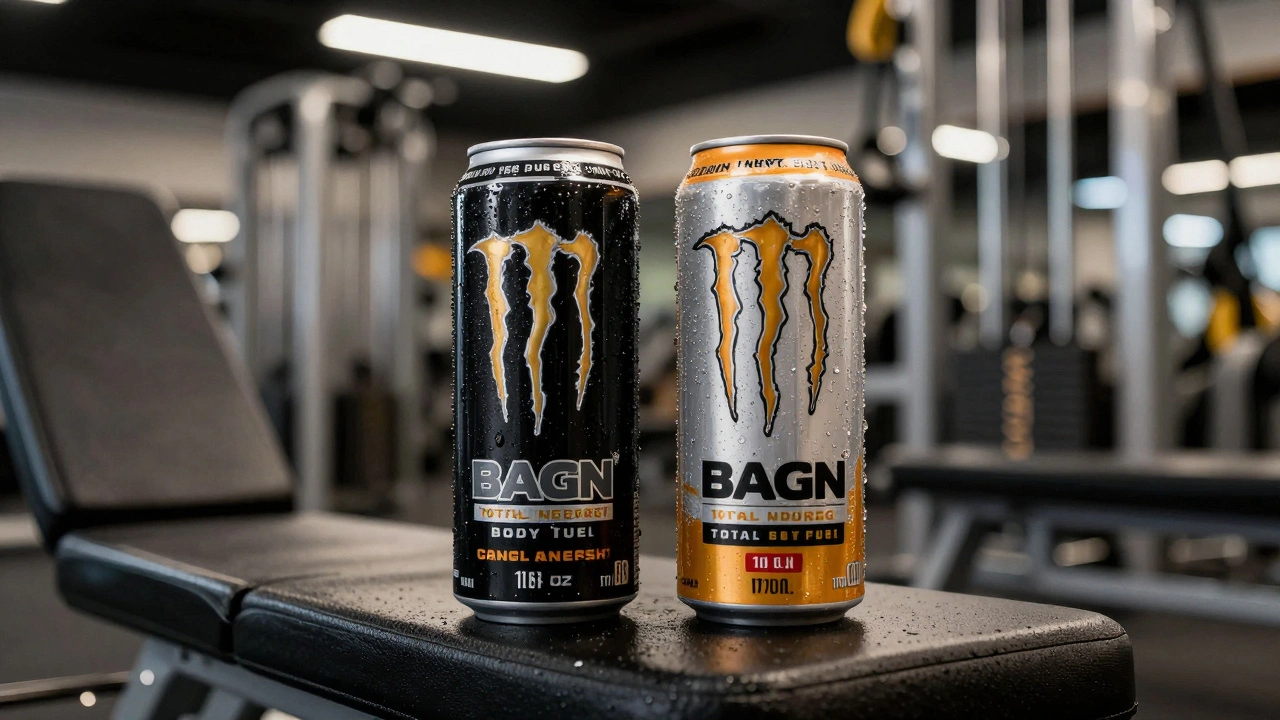
In 2025, the energy drink market is more crowded than ever, but only a few stand out for sheer caffeine power. The current leader is Bang Energy, which delivers 300 mg of caffeine per 16 oz can. That’s nearly double the amount in a standard cup of brewed coffee (95 mg) and more than most prescription stimulants prescribed for ADHD. Bang doesn’t use sugar-it relies on sucralose and a proprietary blend called Super Creatine-but its caffeine dose is no joke.
Right behind Bang is Reign Total Body Fuel, also at 300 mg per 16 oz can. Reign markets itself as a fitness-focused drink, with branched-chain amino acids (BCAAs), CoQ10, and electrolytes. It’s popular among CrossFit athletes and gym-goers who want sustained energy without the crash. Both Bang and Reign are available in most major Australian supermarkets and online retailers like Chemist Warehouse and Amazon Australia.
Then there’s Rockstar Pure Zero with 240 mg per 16 oz. It’s a solid middle-ground option-strong enough to give you a boost but not so extreme that it triggers jitters or heart palpitations for most people. For comparison, Monster Energy’s original formula has 160 mg per 16 oz, and Red Bull has 80 mg per 8.4 oz can.
One lesser-known but powerful contender is NOS Energy Drink with 260 mg per 16 oz. NOS has been around since the early 2000s and still holds a loyal following among motorsports fans and endurance athletes. Its formula includes taurine, guarana, and ginseng, which can enhance mental focus alongside the caffeine.
Why Caffeine Matters for Athletes
Caffeine isn’t just a stimulant-it’s a proven performance enhancer. Multiple studies, including those from the International Society of Sports Nutrition, show that 3-6 mg of caffeine per kilogram of body weight improves endurance, reduces perceived exertion, and sharpens reaction time. For a 70 kg athlete, that’s 210-420 mg. So the 300 mg in Bang or Reign falls right in the sweet spot.
But here’s the catch: caffeine works differently for everyone. Genetics play a big role. Some people metabolize it quickly and feel alert for hours. Others feel anxious, jittery, or even nauseous after just 100 mg. If you’ve never tried a high-caffeine drink before, start with half a can. Test it during training, not on race day.
Also, timing matters. Drinking a high-caffeine energy drink 30 to 60 minutes before activity gives your body time to absorb it. Taking it too early? The effects fade. Too late? You risk disrupting sleep, which hurts recovery.
What Happens When You Go Too High?
There’s a reason the FDA recommends a daily caffeine limit of 400 mg for healthy adults. Going beyond that can lead to:
- Rapid heartbeat or palpitations
- High blood pressure
- Insomnia or disrupted sleep cycles
- Stomach upset or acid reflux
- Anxiety or panic attacks
For athletes, poor sleep is one of the biggest performance killers. If you’re drinking a 300 mg energy drink at 5 PM after a late training session, you’re sabotaging your recovery. That’s why many elite athletes avoid high-caffeine drinks after noon.
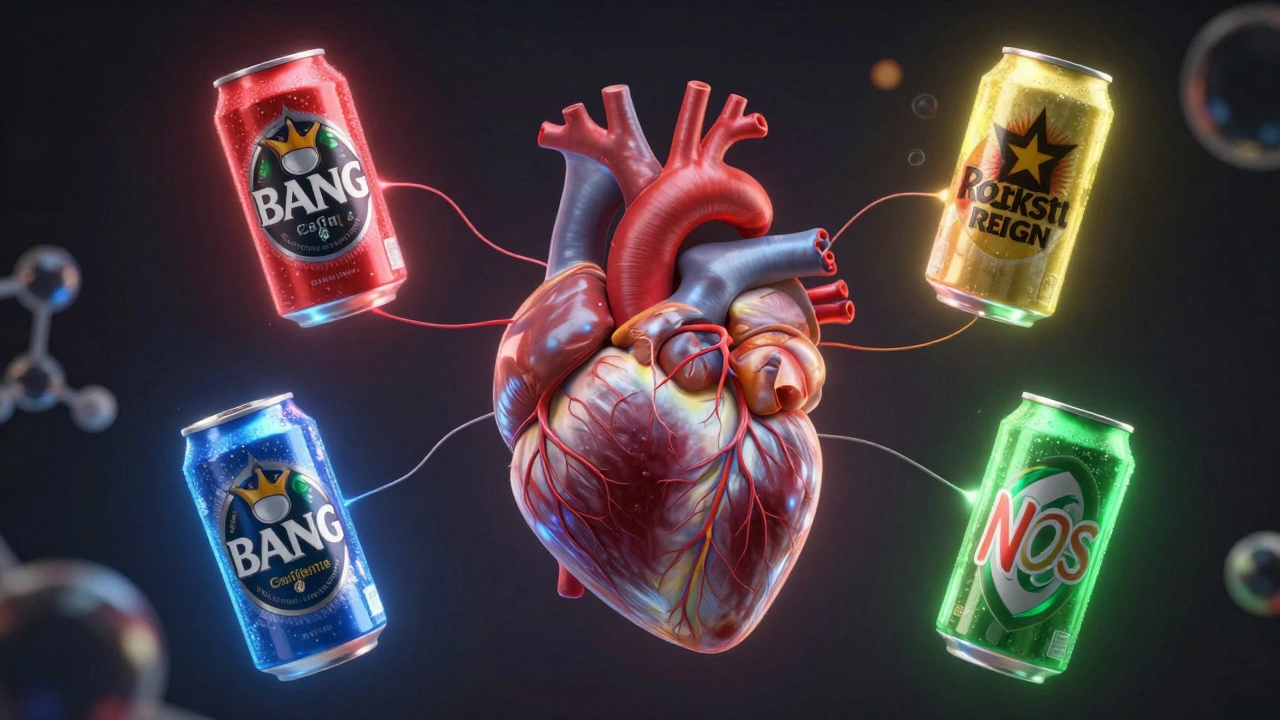
And don’t forget: some athletes stack caffeine with pre-workout powders or supplements. That’s a dangerous combo. One athlete in Queensland was hospitalized in early 2025 after combining a 300 mg energy drink with a 250 mg pre-workout-totaling 550 mg in under two hours. He had chest pain and an irregular heartbeat. It was avoidable.
Alternatives to High-Caffeine Drinks
Not everyone needs or wants 300 mg of caffeine. If you’re sensitive, or just want a cleaner option, there are better paths:
- Green tea extract: Provides 50-100 mg of caffeine with L-theanine, which smooths out the jitteriness.
- Electrolyte-focused drinks: Like Nuun Sport or Liquid I.V., which hydrate and replenish without stimulants.
- Black coffee: A simple, cheap, and effective option. A 12 oz cup of strong drip coffee can hit 180-200 mg of caffeine.
- Beetroot juice: Natural nitrates improve blood flow and oxygen delivery-no caffeine needed.
Many pro cyclists and marathoners swear by coffee before races. It’s cheaper, easier to control dosage, and doesn’t come with artificial sweeteners or preservatives.
How to Choose the Right One for You
Here’s a simple decision flow:
- Do you train for more than 90 minutes straight? (e.g., triathlons, long-distance running) → High-caffeine drinks like Bang or Reign can help.
- Do you train 2-3 times a week with short, intense sessions? (e.g., HIIT, weightlifting) → Stick with 100-200 mg. Rockstar Pure Zero or a strong coffee works fine.
- Do you get anxious, have heart issues, or struggle to sleep? → Skip the 300 mg options. Go for low-caffeine or caffeine-free alternatives.
- Are you under 18? → Avoid high-caffeine energy drinks entirely. The American Academy of Pediatrics advises against it.
Also, check the label. Some brands hide caffeine sources under "natural stimulants" or "energy blends." If it doesn’t list exact caffeine content, walk away.
What About Energy Shots?
Energy shots like 5-hour Energy or NOS Shot claim to pack 200-250 mg into just 2 oz. They’re convenient, but the small volume means you’re gulping concentrated caffeine. That can spike your heart rate faster than sipping a full can. They’re not ideal for endurance athletes who need steady fuel. Save them for quick bursts-like a last-minute push before a game or a night shift.
Final Takeaway
The energy drink with the most caffeine in 2025 is Bang Energy and Reign Total Body Fuel, both at 300 mg per can. But having the highest number doesn’t mean it’s the best choice for you. Your body, your training, your sleep habits, and your health history matter more than the label.
Use caffeine as a tool, not a crutch. Test it in training. Track how you feel. And never mix it with other stimulants unless you’ve consulted a sports dietitian. The goal isn’t to feel the strongest-it’s to perform your best, recover faster, and stay healthy long after the race is over.
What energy drink has the most caffeine in 2025?
Bang Energy and Reign Total Body Fuel both contain 300 mg of caffeine per 16 oz can, making them the highest-caffeine energy drinks available in 2025. Other strong options include NOS Energy Drink (260 mg) and Rockstar Pure Zero (240 mg).
Is 300 mg of caffeine safe for athletes?
For healthy adults, 300 mg of caffeine is within the FDA’s recommended daily limit of 400 mg. Many athletes use this dose effectively before endurance events. However, sensitivity varies. If you’re new to caffeine, start lower. Avoid combining it with pre-workout supplements or other stimulants, as this can lead to dangerous side effects like rapid heartbeat or anxiety.
When should I drink a high-caffeine energy drink before training?
Drink it 30 to 60 minutes before your workout or competition. That’s when caffeine levels peak in your bloodstream. Avoid drinking it after 2 PM if you want to sleep well-caffeine can stay in your system for 6-8 hours, disrupting recovery.
Can I drink energy drinks every day?
Regular daily use of high-caffeine energy drinks can lead to tolerance, dependence, and disrupted sleep. It’s better to use them strategically-before key training sessions or competitions-rather than daily. Over time, your body may need more caffeine to feel the same effect, increasing health risks.
Are there natural alternatives to high-caffeine energy drinks?
Yes. Black coffee (180-200 mg per 12 oz), green tea (50-100 mg with calming L-theanine), beetroot juice (improves blood flow), and electrolyte drinks like Nuun Sport offer performance benefits without artificial ingredients or extreme caffeine levels. Many elite athletes prefer these for daily use.



Comments (10)
Liam Hesmondhalgh
7 Dec 2025
Bang and Reign both at 300mg? That’s not a drink, that’s a dare. I’ve seen lads in Cork chug those before pub crawls and end up in A&E with their heart doing the samba. Who even needs this much caffeine? You’re not launching a rocket, you’re going for a jog.
Patrick Tiernan
9 Dec 2025
300mg is nothing if you’ve ever had a double espresso after a 3am shift and then tried to sleep. People these days act like caffeine is some kind of magic potion. It’s just a drug. A legal one, sure, but still a drug. And yeah, I’ve seen guys crash harder after Bang than after a 12-pack.
Patrick Bass
11 Dec 2025
Actually, the FDA recommends 400mg daily, so 300mg is technically within limits-but only if you’re not consuming any other sources of caffeine. Many people forget about tea, chocolate, or even certain medications. Also, the timing advice is spot on: drinking it after 2 PM can seriously mess with REM sleep, especially for endurance athletes who need deep recovery.
Tyler Springall
12 Dec 2025
It’s pathetic how the average athlete now thinks they need a chemical cocktail just to get out of bed. Back in my day, we had coffee, a cold shower, and discipline. Now it’s all about who can consume the most synthetic stimulants before breakfast. This isn’t performance enhancement-it’s self-medication disguised as fitness.
Colby Havard
13 Dec 2025
While it is undeniably true that Bang Energy and Reign Total Body Fuel contain 300 mg of caffeine per 16 oz serving, it is equally imperative to recognize that caffeine metabolism is governed by cytochrome P450 1A2 polymorphisms, which vary significantly across populations. Furthermore, the absence of sugar does not equate to physiological safety; artificial sweeteners such as sucralose have been shown in longitudinal studies to alter gut microbiota composition, potentially undermining endurance adaptation. Therefore, the assertion that these beverages are optimal for athletes is, at best, reductive.
Amy P
15 Dec 2025
OMG I JUST ATE A BANG BEFORE MY WORKOUT AND NOW I’M SHAKING LIKE A LEAF AND MY HEART FEELS LIKE IT’S TRYING TO ESCAPE MY CHEST??!!?? I THOUGHT I WAS READY FOR THIS BUT NOW I’M SITTING HERE STARE AT THE WALL AND WONDERING IF I’M GOING TO DIE??
Ashley Kuehnel
17 Dec 2025
Hey, I get it-high caffeine feels like a cheat code, but seriously, try switching to black coffee for a week before your big sessions. You’ll get the same boost without the sugar-free weirdness, and your stomach will thank you. Also, if you’re mixing it with pre-workout? Please stop. I’ve seen too many people end up in the ER over this. You don’t need 500mg of caffeine to hit PRs. Just train smart.
adam smith
17 Dec 2025
High caffeine content is not recommended for individuals under the age of 18. This is a fact supported by the American Academy of Pediatrics. Please consider your long-term health before consuming energy drinks regularly. Thank you.
Mongezi Mkhwanazi
17 Dec 2025
Let me be blunt: the entire energy drink industry is a predatory scam targeting young, impressionable athletes who have been convinced that artificial stimulants are synonymous with strength. You think you’re getting an edge? You’re actually conditioning your nervous system to require ever-increasing doses just to feel normal. And let’s not forget: the ‘Super Creatine’ in Bang? It’s a trademarked term with zero clinical backing. It’s marketing jargon dressed up as science. People are dying because they think this stuff is ‘performance fuel’-it’s not. It’s a chemical gamble with your heart, your sleep, and your future. If you’re relying on a can to perform, you’ve already lost.
Mark Nitka
19 Dec 2025
Everyone’s got strong opinions here, and I get it-but let’s not demonize caffeine. It’s one of the most studied ergogenic aids out there. The issue isn’t the drink-it’s how it’s used. Use it smart: test it in training, don’t stack it, know your limits, and prioritize sleep. There’s no shame in choosing coffee over a can. But if you need 300mg to push through a 100-mile ride? That’s valid. Just don’t pretend it’s magic. It’s chemistry. And chemistry needs respect.