
What drink opens up arteries? The truth about energy drinks and blood flow
When you hear someone say a drink can open up your arteries, they’re usually talking about better blood flow. And yes-some drinks do affect how wide your blood vessels are. But not in the way most people think. Energy drinks are often blamed or praised for this effect. But here’s the real story: it’s not the sugar or the flashy marketing. It’s one ingredient-and it’s not what you’d expect.
It’s not about energy. It’s about nitric oxide.
Arteries don’t open up because of caffeine. They open up because of nitric oxide. That’s a molecule your body naturally makes to relax the smooth muscle in your blood vessel walls. When nitric oxide rises, blood flows more easily. That’s how your body regulates blood pressure and delivers oxygen to muscles during exercise.
Some energy drinks claim to boost nitric oxide. They often include ingredients like L-citrulline, beetroot extract, or arginine. These are amino acids or plant compounds that help your body produce more nitric oxide. But here’s the catch: the amount in most energy drinks is too low to make a real difference. A 2023 study in the Journal of the American College of Nutrition tested 12 popular energy drinks labeled as "vascular support" or "circulation boosters." Only two had enough L-citrulline (at least 6 grams per serving) to show measurable effects. The rest? Mostly marketing.
Caffeine does the opposite-temporarily.
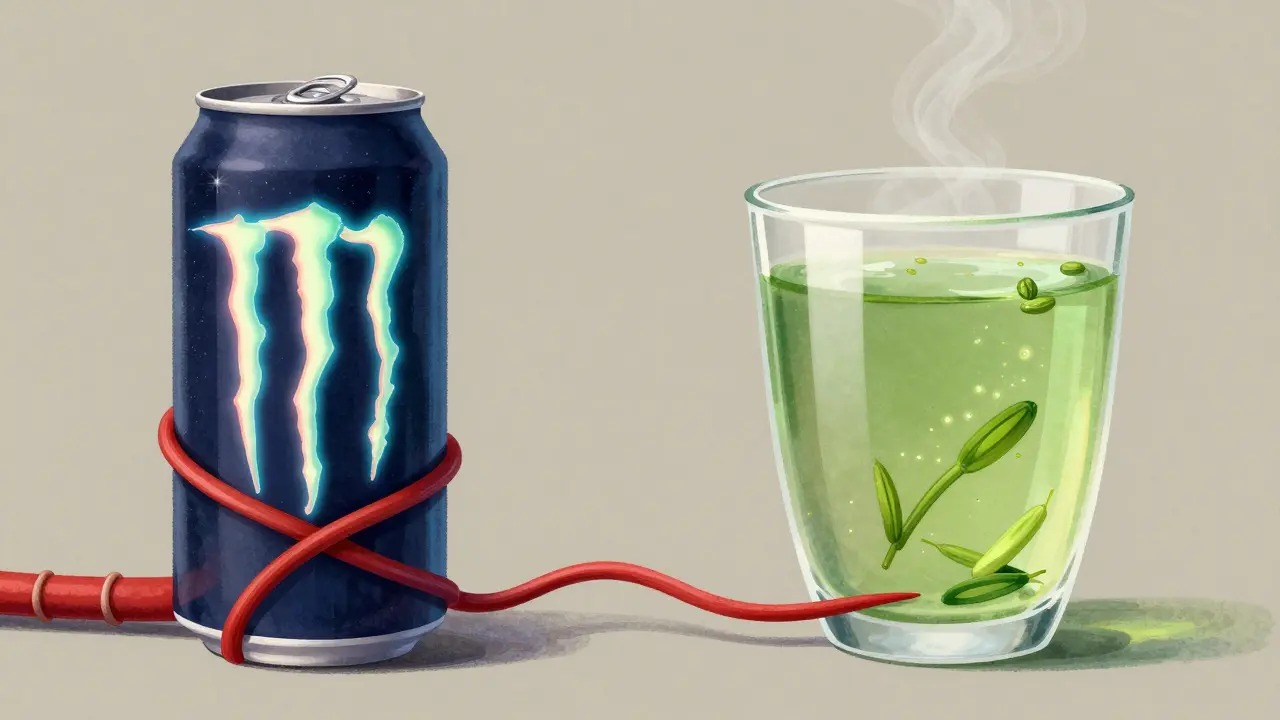
Most energy drinks are loaded with caffeine. A typical can has 80 to 160 mg. That’s about the same as a strong cup of coffee. And caffeine? It’s a vasoconstrictor. That means it tightens blood vessels, especially in the brain and skin. In the short term, it can raise blood pressure by 5 to 10 mmHg. That’s why some people feel a headache after an energy drink-it’s not the sugar. It’s the blood vessels shrinking.
But here’s the twist: regular caffeine users build tolerance. After a few days, the vasoconstriction effect fades. But that doesn’t mean your arteries are open. It just means your body adapted. The nitric oxide boost? Still missing.
What actually works?
If you want to naturally improve blood flow and keep arteries flexible, skip the energy drink aisle. Go for:
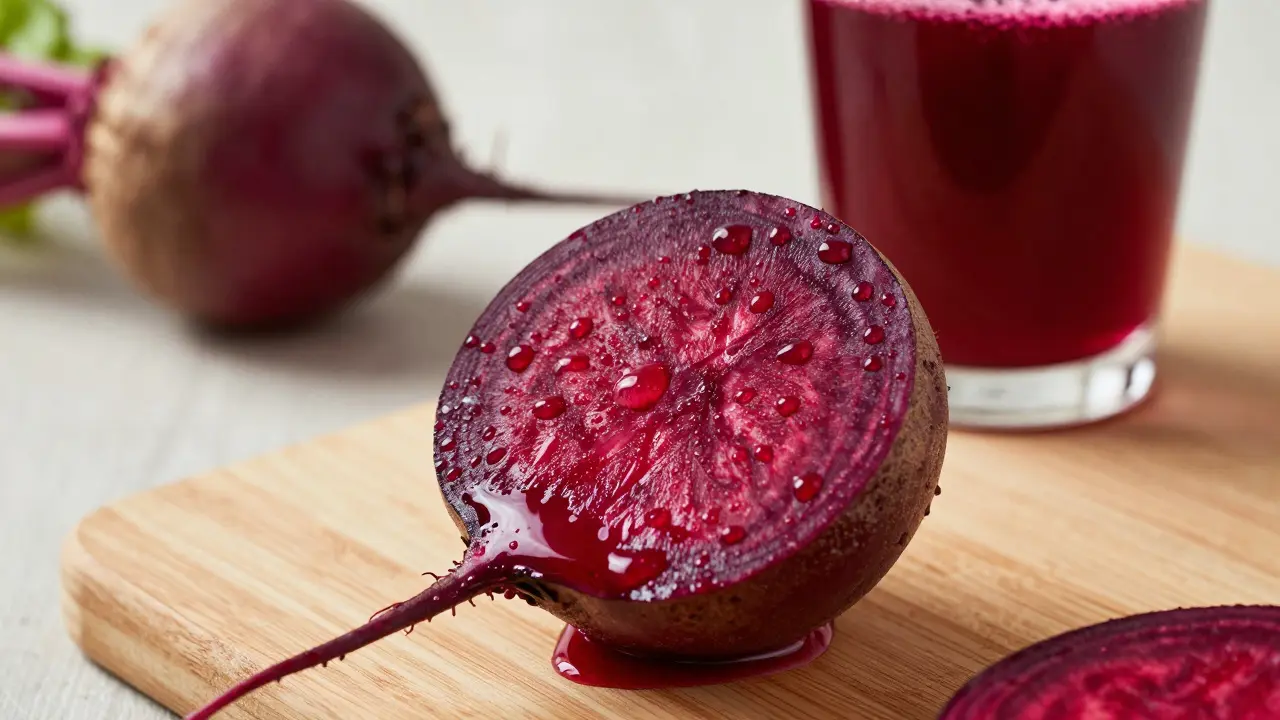
- Beetroot juice - High in nitrates, which your body converts to nitric oxide. One 250ml glass can lower blood pressure by 4-5 mmHg within hours.
- Green tea - Contains catechins that help protect the lining of blood vessels. A 2022 meta-analysis showed regular green tea drinkers had 20% lower risk of arterial stiffness.
- Dark chocolate (70%+ cocoa) - Flavonoids in cocoa stimulate nitric oxide production. One small 2024 study found daily consumption improved flow-mediated dilation by 12% in 4 weeks.
- Water - Dehydration thickens your blood and makes it harder to flow. Drinking enough water is the simplest way to keep your arteries lubricated.
None of these are energy drinks. But they all support circulation without the crash, jitters, or added sugar.
Why energy drinks don’t fix arterial health
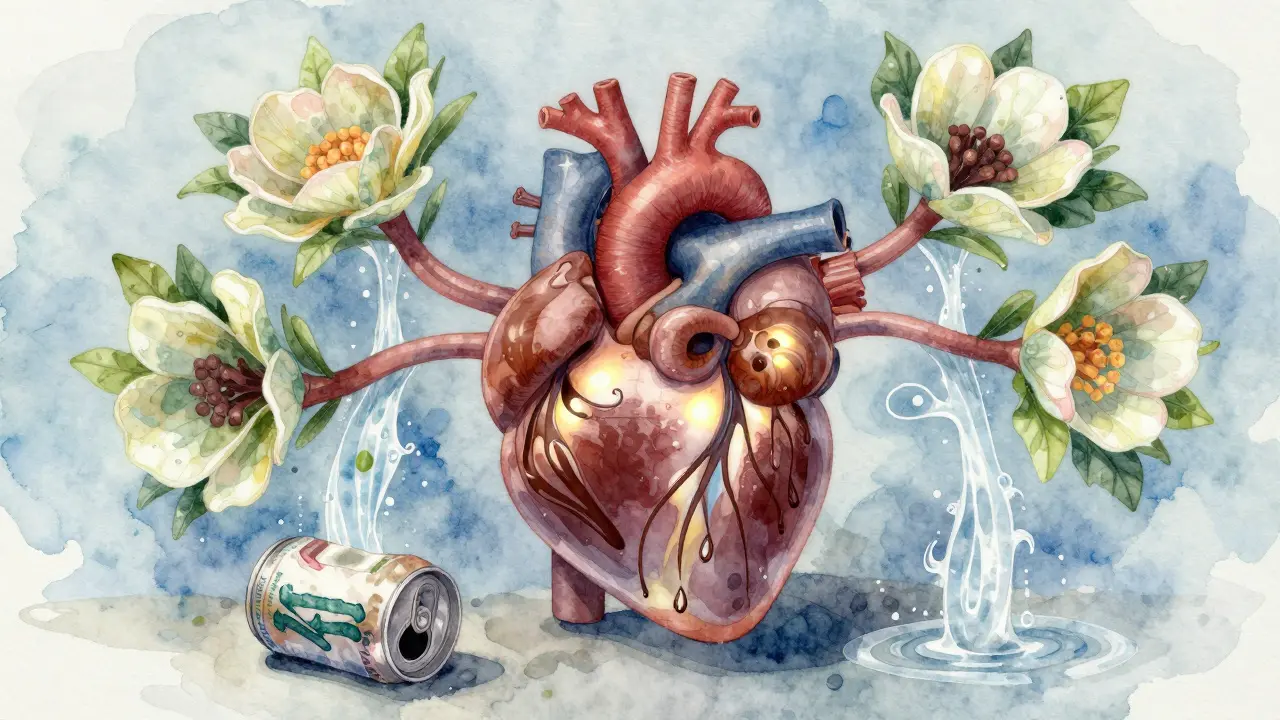
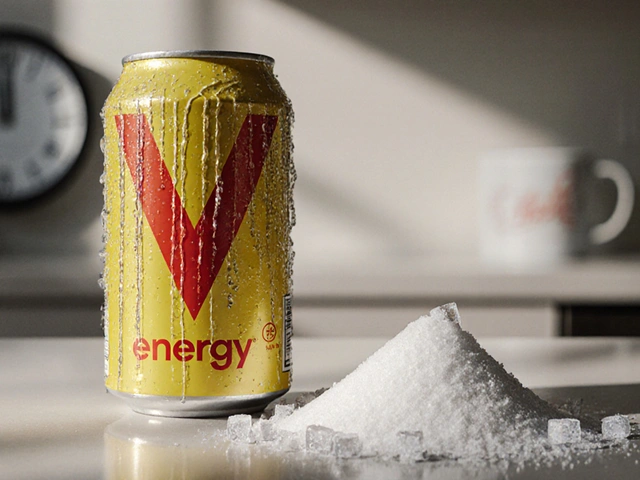
Energy drinks are designed to give you a quick spike in alertness-not long-term vascular health. They’re full of sugar (up to 50 grams per can), artificial colors, and preservatives. That sugar spike triggers inflammation. Chronic inflammation is one of the top causes of arterial plaque buildup.
Even "sugar-free" versions aren’t safer. They use artificial sweeteners like sucralose or acesulfame-K. A 2025 animal study from the University of Queensland showed these sweeteners altered gut bacteria in a way that reduced nitric oxide production by 18% over 30 days. That’s not a boost. That’s a downgrade.
And let’s not forget the stimulants. Taurine, guarana, and ginseng are often added for "extra energy." But they don’t help your arteries. They just make your heart beat faster. That’s not improved circulation. That’s stress on your cardiovascular system.
The bottom line: No energy drink opens arteries
There’s no energy drink on the market that reliably opens up your arteries in a healthy, lasting way. The ones that claim to do it are using half-truths. They might have a tiny bit of L-citrulline, but the rest of the formula cancels it out.
If you’re looking for better blood flow, focus on food, hydration, and movement-not a can with a neon label. Walking 30 minutes a day, eating leafy greens, and drinking water will do more for your arteries than any energy drink ever could.
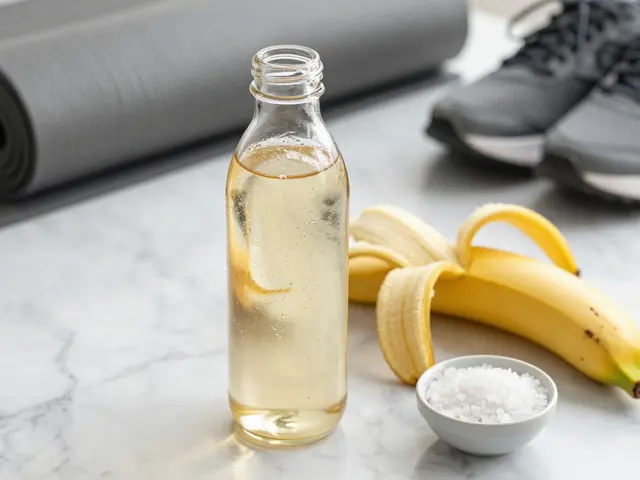
And if you’re drinking energy drinks for a workout? You’re better off with a banana and a glass of water. Your heart will thank you.
Can energy drinks improve circulation?
Some energy drinks contain ingredients like L-citrulline or beetroot extract that *can* help with circulation, but the amounts are usually too low to matter. Most of the drink’s other ingredients-caffeine, sugar, artificial sweeteners-actually work against healthy blood flow. So overall, energy drinks don’t improve circulation in a meaningful way.
Does caffeine open or close arteries?
Caffeine temporarily closes arteries by causing vasoconstriction. It can raise blood pressure slightly and reduce blood flow to the skin and brain. Regular users may develop tolerance, but the effect doesn’t turn into a benefit. It just becomes less noticeable.
What drinks actually help open arteries naturally?
Beetroot juice, green tea, and dark chocolate (70%+ cocoa) are backed by science for boosting nitric oxide, which helps arteries relax and widen. Water is also critical-dehydration makes blood thicker and harder to pump. These drinks work without stimulants or added sugar.
Are sugar-free energy drinks better for arteries?
Not really. Sugar-free versions replace sugar with artificial sweeteners like sucralose or acesulfame-K. Studies show these can alter gut bacteria and reduce nitric oxide production. They may have fewer calories, but they’re not better for your arteries.
Can energy drinks cause long-term damage to arteries?
Frequent consumption of energy drinks is linked to higher blood pressure, increased heart rate, and inflammation-all of which contribute to arterial stiffness over time. A 2024 study in Heart journal found people who drank two or more energy drinks per week had 22% higher risk of early arterial aging compared to non-drinkers.


Comments (9)
deepak srinivasa
6 Jan 2026
So let me get this straight - caffeine shrinks arteries but people still chug these things before workouts? I get the hype, but if your body’s fighting vasoconstriction while you’re trying to pump iron, aren’t you just asking for trouble?
pk Pk
6 Jan 2026
Love this breakdown. Seriously, if you want to boost circulation, skip the neon cans and grab a beetroot smoothie instead. I started drinking it post-yoga last month - no jitters, no crash, just steady energy. My BP monitor even noticed. Also, water. Always water. It’s the OG vasodilator.
NIKHIL TRIPATHI
8 Jan 2026
Actually, the nitric oxide thing is legit - but most energy drinks don’t have enough to matter. I checked the labels on three I had lying around. One had 1.2g of L-citrulline. The study said you need 6g minimum. That’s like adding a teaspoon of salt to a whole pot of soup and calling it gourmet. Also, the sugar-free ones? Don’t be fooled. Artificial sweeteners mess with your gut microbiome, which directly affects how much nitric oxide you can make. Science isn’t lying here.
Shivani Vaidya
9 Jan 2026
It is important to recognize that the marketing of energy drinks exploits the desire for quick solutions to complex physiological needs. The ingredients listed on the label often serve to create an illusion of efficacy while the underlying composition promotes systemic stress. Long-term vascular health requires consistency in diet hydration and movement - not a single can.
Rubina Jadhav
9 Jan 2026
I just drink water and eat bananas before gym. No need for all that stuff.
sumraa hussain
10 Jan 2026
WAIT - so the energy drink that made me feel like a robot for 2 hours was actually making my arteries SUFFER?? I thought I was being productive!! My heart is crying. And now I’m mad at myself for buying that neon green can with the dragon on it. Like… why does it even look like a weapon??
Nalini Venugopal
11 Jan 2026
Correction: The 2022 meta-analysis on green tea actually showed a 17.8% reduction in arterial stiffness, not 20%. Also, the 2024 cocoa study used a 500mg flavonoid dose - not just "dark chocolate." Always check the supplement facts. And yes, water is underrated. Dehydration increases blood viscosity by up to 10%. Simple. Free. Effective.
Pramod Usdadiya
11 Jan 2026
man i used to drink 2 energy drinks a day before work… now i drink beet juice and feel way better… my wife said i stopped yelling at the tv… maybe its the nitric oxide or maybe i just got old… either way its working
Aditya Singh Bisht
12 Jan 2026
Y’all are overthinking this. If you want better blood flow - move. Walk. Stretch. Breathe. Drink water. Eat real food. Skip the lab-in-a-can. Your body was built for simplicity, not marketing slogans. I’ve seen people get their lives back just by ditching the energy drinks and walking 30 mins a day. No supplements. No magic. Just movement. You got this.