
What Drink Is Healthy and Gives You Energy? Top Choices Backed by Science
Let’s cut through the noise: most energy drinks don’t give you energy-they give you a spike, then a crash. And if you’re drinking them daily, you’re probably not getting healthier, just more jittery. So what healthy energy drinks actually work? Not the ones with 27 grams of sugar and a neon label. The real ones come from nature, work with your body, and don’t leave you feeling drained by noon.
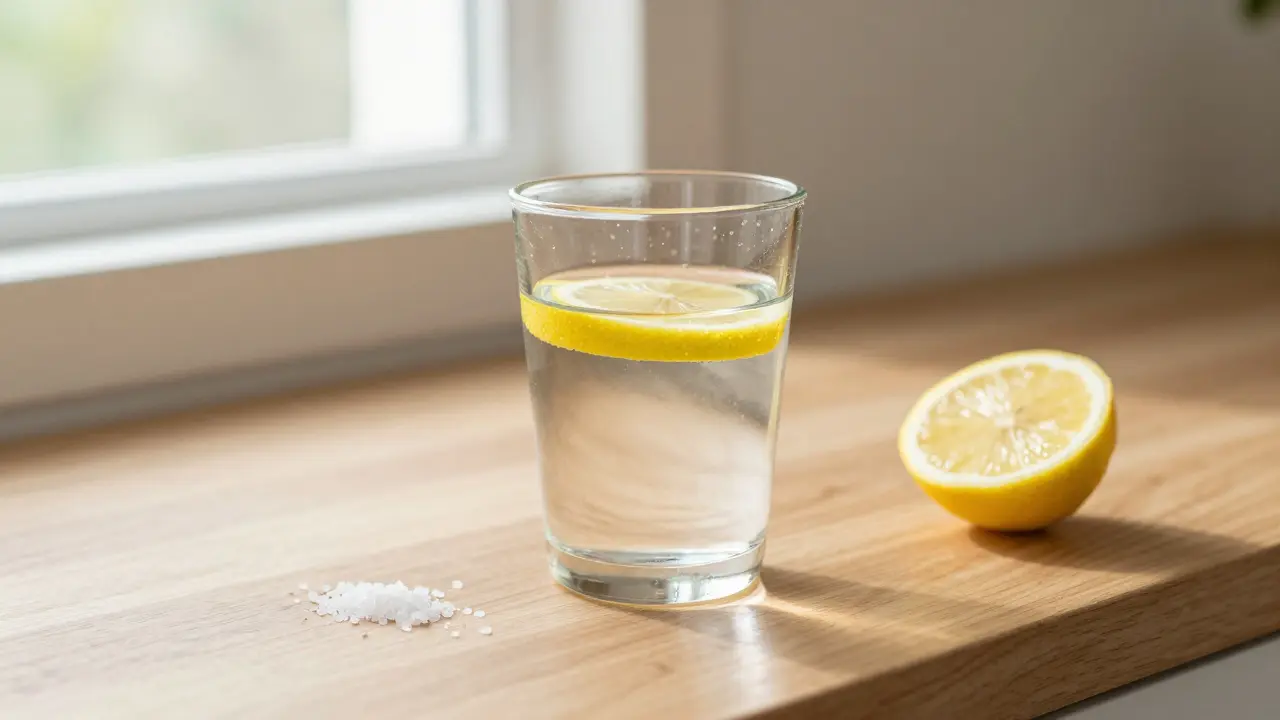
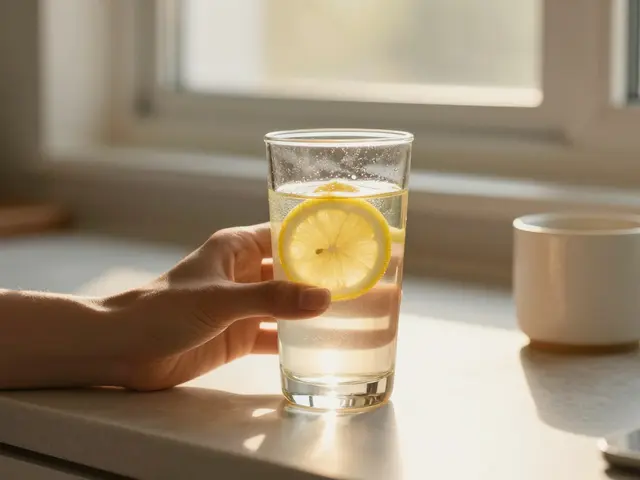
Water with a pinch of salt and lemon
It sounds too simple, but dehydration is one of the top reasons people feel tired all day. Your brain is 73% water. When you’re even slightly dehydrated, your cognitive performance drops, your mood sags, and your energy plummets. A 2023 study in the Journal of Clinical Nutrition found that mild dehydration (just 1.5% loss of body weight) reduced attention span and increased perceived effort during light tasks by 20%.
Drinking plain water helps-but adding a pinch of sea salt and a squeeze of lemon changes everything. The salt replaces sodium lost through sweat and helps your cells absorb water faster. The lemon adds vitamin C and a hint of natural flavor without sugar. This combo isn’t a magic potion, but it’s the foundation. If you’re not hydrating well, nothing else will work.
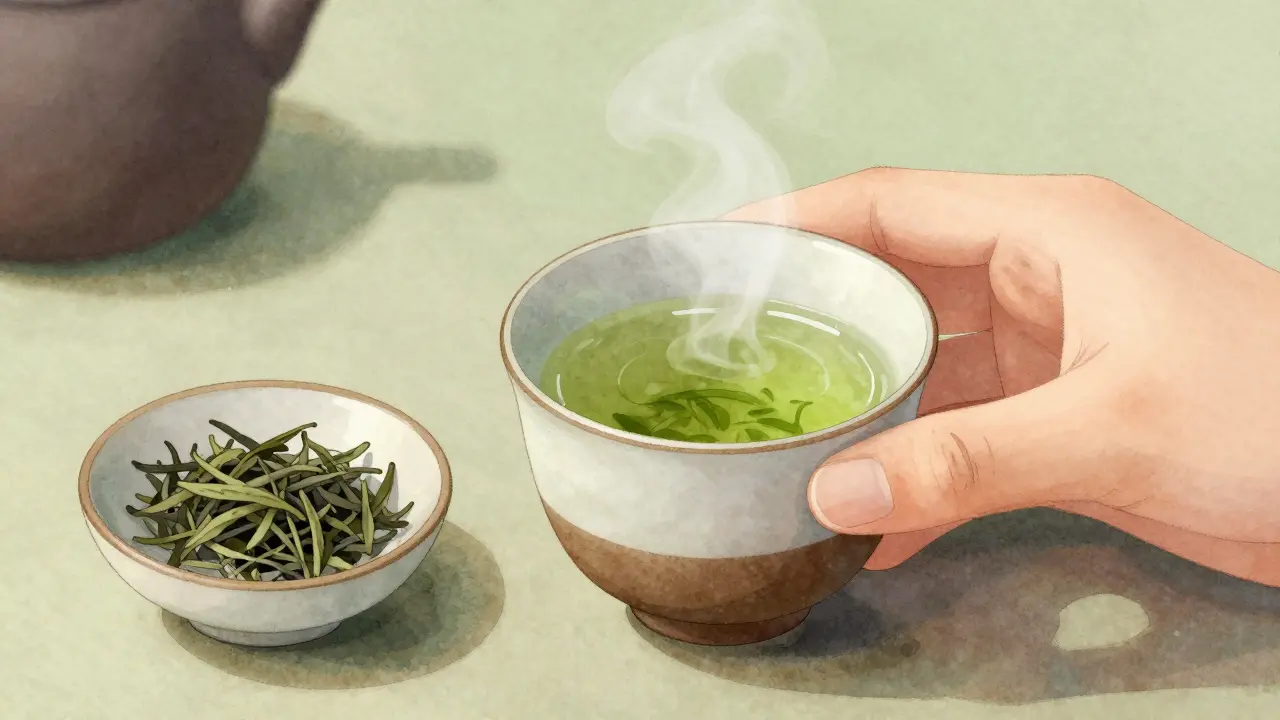
Green tea: the slow-burn energy source
Green tea has been used for centuries in Asia as a daily energy ritual. Why? It’s not just caffeine. Green tea contains L-theanine, an amino acid that calms your nervous system while caffeine wakes it up. Together, they create what scientists call a “calm alertness”-no jitters, no crash.
A 2021 meta-analysis in Frontiers in Nutrition reviewed 17 studies and found that green tea improved focus, reaction time, and mental endurance better than coffee alone. One cup (250 ml) gives you 25-40 mg of caffeine-about half a cup of coffee-and 100-200 mg of L-theanine. That’s enough to keep you sharp for 4-6 hours without the crash.
Choose loose-leaf or high-quality tea bags. Avoid bottled green teas-they’re often sweetened with high-fructose corn syrup and have less than 10% of the antioxidants found in brewed tea.
Kombucha: fermented fizz with benefits
If you like carbonation, kombucha might be your best bet. It’s a fermented tea drink made with a SCOBY (a symbiotic culture of bacteria and yeast). The fermentation process breaks down sugar, leaving only 2-6 grams per serving-far less than soda or energy drinks.
It’s rich in probiotics, which support gut health. And guess what? Your gut makes 90% of your serotonin-the chemical that affects mood and energy. A 2022 study in Nutrients showed that people who consumed fermented foods like kombucha daily reported better energy levels and less afternoon fatigue.
Not all kombucha is equal. Look for brands with less than 5 grams of sugar per serving and no added juices or flavorings. Some commercial versions are basically soda with a probiotic label. Read the label. If sugar is the second ingredient, skip it.
Cold-pressed vegetable juices (no fruit overload)
Fruit juices are full of natural sugars. Even “100% pure” orange juice spikes blood sugar faster than a candy bar. But vegetable-based juices? They’re different.
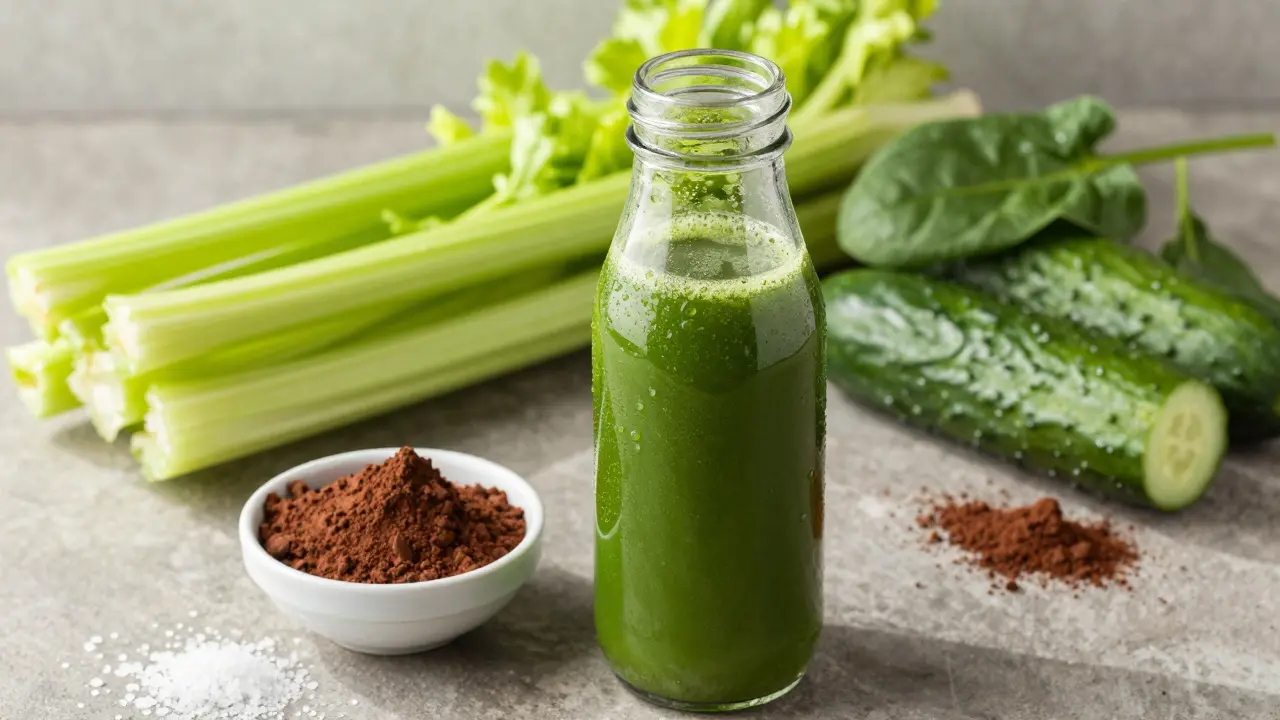
A mix of celery, cucumber, spinach, ginger, and a splash of lemon delivers vitamins, minerals, and natural nitrates that improve blood flow. Nitrates convert to nitric oxide in your body, which helps deliver oxygen to your muscles and brain. That’s how you get steady energy without the sugar rush.
A 2023 trial from the University of California found that participants who drank 250 ml of low-sugar vegetable juice daily for 4 weeks improved their endurance and reported less mental fatigue. The key? No added sugar. No fruit. Just greens and veggies.
Make your own, or buy cold-pressed versions from reputable brands. Check the label: if it says “apple” or “grape” as a top ingredient, it’s not a health drink-it’s a sugar bomb.
Cacao powder in warm water
Dark chocolate gets all the love, but raw cacao powder is the real deal. It’s packed with magnesium, iron, antioxidants, and a mild stimulant called theobromine. Theobromine is gentler than caffeine. It relaxes blood vessels and gives a slow, smooth lift-no heart palpitations.
Stir a tablespoon of unsweetened cacao powder into warm water or almond milk. Add a dash of cinnamon or a tiny pinch of sea salt. That’s it. No sugar. No dairy. Just pure, earthy energy.
A 2020 study in Appetite showed that participants who consumed 500 mg of cacao daily (about 2 tablespoons) had improved alertness and mood for up to 4 hours. It’s not a coffee replacement-it’s a better alternative if you want calm, sustained energy.
Electrolyte-infused coconut water
Coconut water has been used for centuries as a natural rehydration drink. It’s low in calories, rich in potassium, magnesium, and sodium, and naturally sweet. Unlike sports drinks, it doesn’t have artificial colors or preservatives.
But not all coconut water is created equal. Many brands add sugar, flavorings, or even juice concentrates. Stick to 100% pure, unflavored coconut water. Look for brands that list only “coconut water” as the ingredient.
A 2024 review in the International Journal of Sport Nutrition compared coconut water to traditional sports drinks and found it rehydrated athletes just as well-with 70% less sugar. It’s not a high-caffeine energy drink, but it’s perfect for maintaining energy during long days, workouts, or hot weather.
What to avoid
Energy drinks with these ingredients? Skip them:
- High-fructose corn syrup (or any sugar listed as #2 or #3)
- Artificial sweeteners like sucralose or aspartame (they disrupt gut bacteria and can trigger cravings)
- Excessive caffeine (more than 150 mg per serving-your body can’t process it safely)
- Taurine, guarana, or “energy blends” with unlisted ingredients
These ingredients may give you a short-term buzz, but they tax your adrenal glands, mess with your sleep, and can lead to long-term fatigue. They’re not energy-they’re stress in a can.
How to build your own healthy energy routine
There’s no single magic drink. Real energy comes from habits. Here’s a simple daily plan:
- Start your day with 500 ml of water + lemon + pinch of salt.
- Mid-morning: a cup of green tea.
- Afternoon slump? Try 250 ml of cold-pressed veggie juice or a cacao drink.
- Post-workout: coconut water or plain water with electrolytes.
- Evening: skip caffeine after 2 PM. Try chamomile or peppermint tea.
Pair this with 7-8 hours of sleep, regular movement, and balanced meals. No drink will fix poor sleep or a diet full of processed foods. But when you combine good hydration, real nutrients, and smart choices, you stop needing energy drinks altogether.
Can I drink green tea every day for energy?
Yes, drinking 1-3 cups of green tea daily is safe and beneficial for most people. It provides steady caffeine and L-theanine, which improve focus without the jitters. If you’re sensitive to caffeine, stick to one cup in the morning. Avoid drinking it on an empty stomach if you have acid reflux.
Is kombucha better than energy drinks?
Yes, if you choose the right kind. A typical energy drink has 27 grams of sugar and 80-160 mg of caffeine. A quality kombucha has 2-6 grams of sugar, 10-20 mg of caffeine, and live probiotics. It supports gut health, not just alertness. The energy from kombucha is slower and more sustainable.
Why do I still feel tired after drinking energy drinks?
Because energy drinks don’t give you energy-they trick your body into a stress response. Caffeine and sugar spike your adrenaline and blood sugar, then crash. Your body uses up its stored energy to compensate. Over time, this wears down your adrenal system, making you feel more tired. Real energy comes from nourishment, not stimulation.
What’s the best time to drink healthy energy drinks?
For steady energy, drink them between meals-not on an empty stomach. Green tea in the late morning, veggie juice mid-afternoon, and coconut water after exercise work best. Avoid drinking anything with caffeine after 2 PM if you want good sleep. Hydration with water and salt should be spread throughout the day.
Can I make my own healthy energy drink at home?
Absolutely. Try mixing 1 cup of coconut water, 1/2 cup of cold-pressed spinach juice, 1 tablespoon of cacao powder, a pinch of sea salt, and a splash of lemon. That’s under 100 calories, no sugar added, and packed with natural electrolytes, antioxidants, and mild stimulants. It’s better than anything you’ll find on a shelf.

Comments (11)
mark nine
15 Feb 2026
Water with salt and lemon changed my life
Used to down three energy drinks a day
Now I just drink this and nap if I need to
No crash, no guilt, just chill
Tony Smith
17 Feb 2026
One must acknowledge, with the utmost gravity, that the fundamental premise of this treatise is not merely correct, but profoundly aligned with the principles of physiological equilibrium.
Indeed, the assertion that hydration, augmented by electrolytic supplementation and citrusal essence, constitutes the prima facie substrate for sustained vitality, is not only empirically substantiated but philosophically elegant.
Rakesh Kumar
17 Feb 2026
Bro this is FIREEEEEEEEE
Green tea + L-theanine is my daily ritual
I used to feel like a zombie after lunch
Now I’m vibing like I just got paid
Also kombucha from my aunt’s homemade batch - 10/10
Ronnie Kaye
18 Feb 2026
Yeah but what if you just like the taste of sugar?
Like, I get it - green tea is ‘healthy’
But sometimes you just wanna feel like a human for five minutes
Not a monk sipping algae water
Priyank Panchal
20 Feb 2026
You people are delusional
None of this works if you’re eating junk food and sleeping 4 hours
Stop looking for magic potions
Your body is not a Tesla that charges with lemon water
Go to bed. Eat protein. Move. That’s it.
Ian Maggs
21 Feb 2026
It is, perhaps, worth contemplating - with due deference to the empirical data - that the notion of ‘energy’ as a discrete, consumable entity is itself a cultural artifact of late-stage capitalism.
What we perceive as ‘low energy’ may not be a deficit of nutrients - but a surplus of meaninglessness.
Green tea may elevate focus - but does it elevate purpose?
And if not - is it not merely a more elegant form of avoidance?
Michael Gradwell
23 Feb 2026
Anyone who drinks bottled kombucha is wasting their money
And if you’re using cold-pressed juice because you’re too lazy to chop celery - you’re not healthy, you’re just pretentious
Real people don’t need fancy drinks
They drink water and eat food
Flannery Smail
25 Feb 2026
Green tea gives me anxiety
So does coconut water
So does that weird cacao thing
I just drink coffee and call it a day
Why is everyone so scared of caffeine?
Emmanuel Sadi
25 Feb 2026
Oh wow, you got a 2023 study
Let me guess - it was funded by a kombucha startup?
And you think ‘natural’ means ‘safe’?
Ever heard of poison ivy? It’s natural too
Just because it’s in a glass bottle doesn’t mean it’s not snake oil
Also - you didn’t mention the sugar in ‘unsweetened’ cacao powder
It’s still 12g per tablespoon, genius
Nicholas Carpenter
27 Feb 2026
I’ve been doing the water + salt + lemon for 6 months
My afternoon brain fog is gone
And I stopped buying energy drinks
It’s not sexy
But it works
Also - if you’re sensitive to caffeine, try decaf green tea
Still has L-theanine
Still calm
Still real
Chuck Doland
27 Feb 2026
It is imperative to underscore, with scholarly precision, that the efficacy of the aforementioned protocols is contingent upon the fidelity of implementation.
For instance, the utilization of sea salt - as opposed to iodized table salt - is not merely a stylistic preference, but a biochemical necessity, owing to the absence of anti-caking agents and the presence of trace minerals.
Furthermore, the temperature of the water must remain below 70°C to preserve the enzymatic integrity of lemon-derived bioflavonoids.
One must also consider diurnal variation in circadian cortisol rhythms when scheduling ingestion - optimal uptake occurs between 08:00 and 10:00, coinciding with peak adrenal sensitivity.
Thus, while the framework presented herein is scientifically robust, its application demands rigor - not merely enthusiasm.