
Is Red Bull unhealthy? Here's what the science says about daily consumption
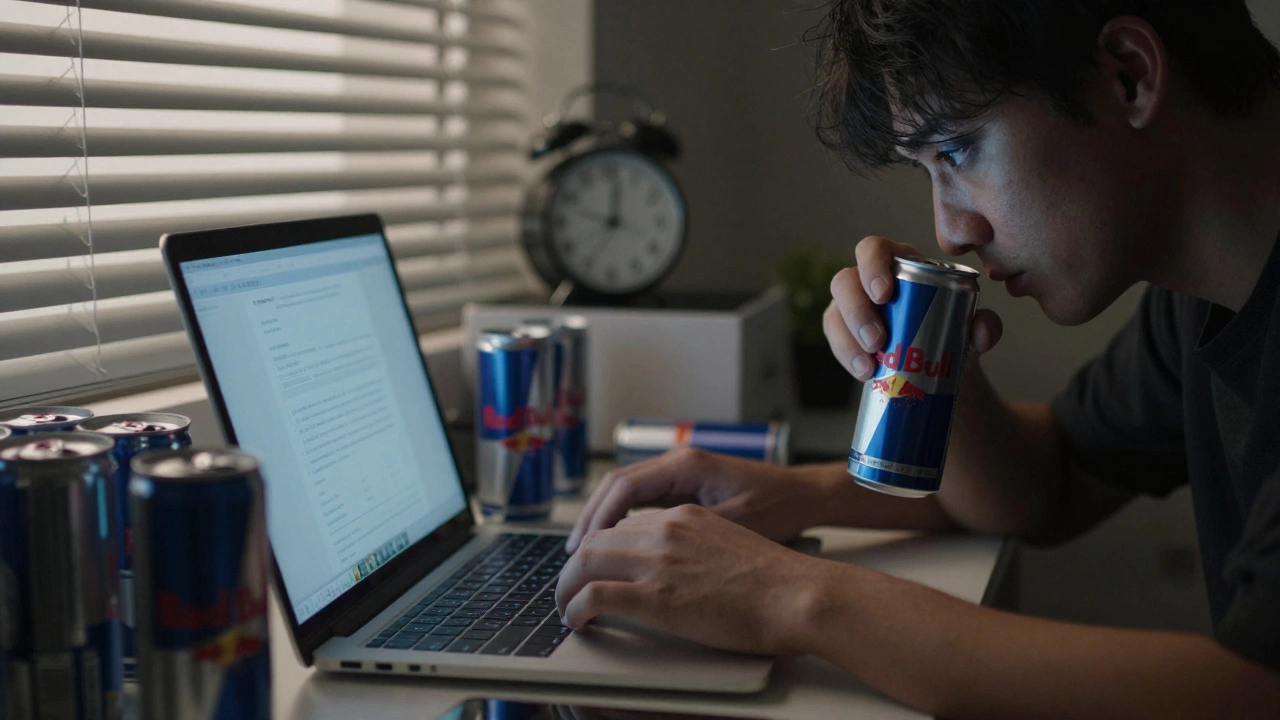
One can of Red Bull gets you through a late-night study session, a morning commute, or a post-workout slump. But if you’re drinking it every day, you might be asking: Is Red Bull unhealthy? The answer isn’t simple. It’s not poison. But it’s not health food either. What happens to your body when you make it part of your routine? Let’s break it down.
What’s actually in a can of Red Bull?
A standard 250ml can of Red Bull contains:
- 80mg of caffeine
- 27g of sugar (about 7 teaspoons)
- 1000mg of taurine
- B vitamins (B3, B6, B12)
- Glucuronolactone
That’s it. No hidden chemicals. No mystery ingredients. But the numbers matter. The caffeine dose is similar to a strong cup of coffee. The sugar? That’s more than half the daily limit recommended by the World Health Organization for added sugars. And while taurine and B vitamins are naturally found in the body, getting them from a sugary soda isn’t the same as getting them from food.
Short-term effects: The buzz and the crash
Within 15 to 45 minutes of drinking Red Bull, caffeine hits your bloodstream. Your heart rate goes up. Your alertness spikes. You feel focused. That’s the intended effect. But that high doesn’t last. Within two to three hours, your body starts breaking down the caffeine. Blood sugar drops fast after the sugar spike. That’s when the crash comes - fatigue, irritability, headaches.
People who drink Red Bull daily often mistake the crash for needing another can. It’s not hunger. It’s withdrawal. Caffeine is a stimulant, and your brain adapts. You need more to feel the same effect. That’s tolerance. And it’s a slippery slope.
Long-term risks: What happens when you drink it every day?
Drinking one can of Red Bull daily for months or years changes your body in ways you might not notice right away.
- Weight gain: 27g of sugar per can adds up to 9,855 extra calories a year. That’s over 2.8kg of body fat - just from one can a day.
- Tooth decay: Sugar + acid = enamel erosion. A 2023 study in the Journal of Clinical Dentistry found that people who drank energy drinks daily had 3 times more dental cavities than non-drinkers.
- Blood pressure spikes: Caffeine causes temporary increases in blood pressure. For people with existing hypertension, daily consumption can make it harder to control.
- Sleep disruption: Even if you fall asleep, caffeine can reduce deep sleep by up to 20%. That means you’re not truly recovering, even after 8 hours in bed.
- Heart rhythm issues: A 2021 study in the European Journal of Preventive Cardiology linked daily energy drink consumption to a 24% higher risk of irregular heartbeats (atrial fibrillation), especially in young adults under 35.
None of these happen overnight. But they add up. And once they do, they’re harder to reverse.
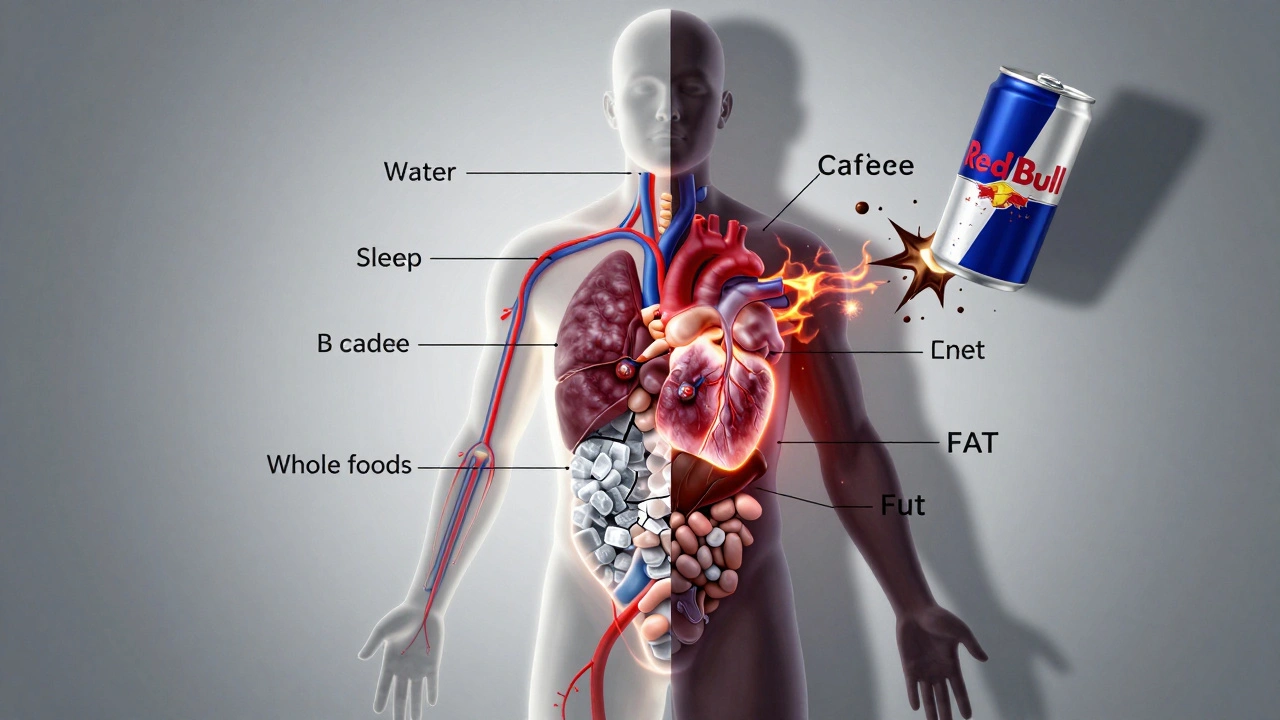
Is the sugar worse than the caffeine?
Yes. And here’s why.
Caffeine is a stimulant, yes. But it’s also found in coffee, tea, and dark chocolate - foods people have consumed safely for centuries. The real problem with Red Bull is the sugar. Your body doesn’t need added sugar. It doesn’t need 27g of it in a single drink. That’s not fuel. That’s a metabolic shock.
When you drink sugar without fiber or protein, your liver gets overwhelmed. It turns the excess into fat. That’s how fatty liver disease starts. That’s how insulin resistance begins. And that’s how type 2 diabetes creeps in - slowly, silently.
Compare that to coffee. A black coffee has zero sugar. You can add a splash of milk and call it a day. Red Bull doesn’t give you a choice. The sugar is baked in.
What about the ‘energy’ from B vitamins and taurine?
Don’t be fooled by the label. B vitamins help your body turn food into energy. But they don’t create energy out of nothing. If you’re already eating a balanced diet, you’re getting enough. Extra B vitamins in a drink? You just pee them out.
Taurine is an amino acid your body makes naturally. It’s involved in muscle function and brain health. But there’s no evidence that the 1000mg in Red Bull gives you any extra benefit. You get more from eating fish or meat. And you get it without the sugar.
The real ‘energy’ boost comes from caffeine and sugar. Everything else is window dressing.
Who should avoid Red Bull completely?
Some people shouldn’t touch it - even occasionally.
- Children and teens under 18
- Pregnant or breastfeeding women
- People with heart conditions, high blood pressure, or anxiety disorders
- Anyone taking stimulant medications (like ADHD drugs)
- People trying to lose weight or manage blood sugar
The American Academy of Pediatrics says energy drinks have no place in a child’s diet. The European Food Safety Authority warns that children should not exceed 3mg of caffeine per kg of body weight. A single can of Red Bull can blow past that limit for a 40kg teen.
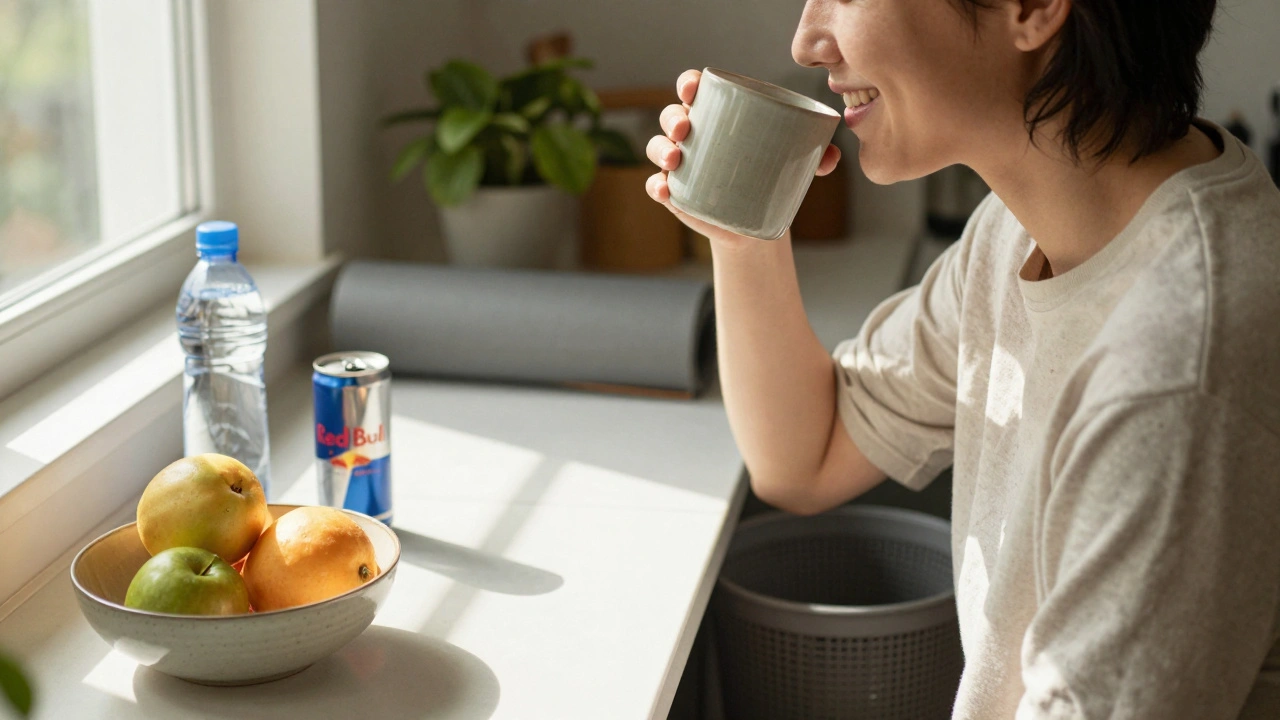
What are healthier alternatives?
You don’t need Red Bull to feel energized. Here’s what actually works:
- Water with a lemon wedge: Dehydration causes fatigue. Drink more water before reaching for a can.
- Green tea: Has about 30mg of caffeine and L-theanine - a calming amino acid that smooths out the jittery feeling.
- Black coffee: No sugar. No nonsense. Just caffeine and antioxidants.
- Low-sugar electrolyte drinks: Brands like Liquid I.V. or Nuun have under 5g of sugar and real minerals.
- Power naps: Just 10 to 20 minutes can reset your alertness better than any drink.
And if you really miss the taste? Try sparkling water with a splash of 100% fruit juice. You get fizz, flavor, and none of the damage.
Bottom line: Is Red Bull unhealthy?
One can, once in a while? Probably fine. But if you’re drinking it daily, yes - it’s unhealthy. Not because it’s toxic. But because it’s a sugar bomb disguised as energy.
Your body doesn’t need artificial boosts. It needs sleep, movement, hydration, and real food. Red Bull doesn’t fix those. It masks them.
If you’re using it to get through the day, ask yourself: What are you really tired from? Is it lack of sleep? Stress? Poor nutrition? Fix those, and you won’t need the can.
Red Bull isn’t evil. But it’s not helping you either. And when you’re drinking it every day, that’s the problem.
Can I drink Red Bull if I’m trying to lose weight?
It’s not recommended. One can of Red Bull has 110 calories - mostly from sugar. That’s empty calories that don’t fill you up. If you’re cutting calories to lose weight, that sugar adds up fast. A daily can means 770 extra calories a week. That’s nearly a pound of fat a month. Swap it for sparkling water or black coffee instead.
Is sugar-free Red Bull healthier?
Sugar-free Red Bull replaces sugar with artificial sweeteners like aspartame and acesulfame K. That cuts the calories and sugar, but doesn’t fix the caffeine or the habit. Some studies link artificial sweeteners to changes in gut bacteria and increased sugar cravings. It’s a better option than regular Red Bull, but still not a health drink. Water or tea are still better choices.
Does Red Bull give you energy or just mask fatigue?
It masks fatigue. The caffeine blocks adenosine, a chemical that tells your brain you’re tired. The sugar gives a quick spike in blood glucose. But your body’s energy systems aren’t actually replenished. You’re not creating energy - you’re overriding your body’s signals. That’s why you crash later. Real energy comes from rest, food, and movement - not chemicals.
Can Red Bull cause anxiety or panic attacks?
Yes, especially in sensitive individuals. Caffeine stimulates the nervous system. In people prone to anxiety, even 80mg - the amount in one can - can trigger jitteriness, racing thoughts, or full panic attacks. A 2020 study in the Journal of Anxiety Disorders found that energy drink consumers were twice as likely to report anxiety symptoms compared to non-consumers.
Is it safe to mix Red Bull with alcohol?
No. Mixing caffeine and alcohol is dangerous. Caffeine makes you feel more alert, so you might drink more alcohol than you realize. But your body is still processing the alcohol. This increases the risk of alcohol poisoning, dehydration, and heart strain. Emergency rooms see a spike in cases of this combo during weekends and holidays.
What to do next
If you’re drinking Red Bull daily, start by tracking how many you have each week. Then, pick one day to skip it. Replace it with water or tea. Notice how you feel - not just physically, but mentally. Are you less jittery? Sleeping better? Less irritable?
Small changes stick. You don’t need to quit cold turkey. Just cut back. One less can a week. Then two. Your body will thank you - not with a dramatic transformation, but with steady, quiet improvements: better sleep, steadier energy, and fewer crashes.
Real energy doesn’t come from a can. It comes from how you live. And that’s something no drink can give you - or take away.



Comments (8)
Aditya Singh Bisht
14 Dec 2025
Man I used to knock back 2-3 cans a day during college exams. Felt like a superhero until my heart started doing the cha-cha at 3am. Switched to green tea and now I actually sleep through the night. No crash, no jitters, just steady focus. Your body isn’t a battery you can juice up with sugar and caffeine - it’s a garden. Water it right.
Also, try a 10-minute walk instead of a can. Works better than any energy drink.
Agni Saucedo Medel
14 Dec 2025
Same. Used to think Red Bull was my best friend 😅 Now I just sip lemon water and laugh at how I used to think sugar = energy. My skin cleared up too. Who knew?
Also, power naps > caffeine. 15 mins and I’m back like a new human 🙌
ANAND BHUSHAN
15 Dec 2025
Red Bull is fine if you don’t drink it every day. People act like it’s poison but it’s just sugar and caffeine. Coffee does the same thing.
Indi s
16 Dec 2025
I get what you’re saying. I used to drink it every day after work just to stay awake. Turns out I was just tired because I wasn’t sleeping well. Started going to bed earlier and now I don’t even crave it anymore. It’s not the drink - it’s what’s missing in your life.
Rohit Sen
17 Dec 2025
Actually, the sugar content is irrelevant. Your body metabolizes glucose just fine. The real issue is your lack of discipline. If you can’t handle 27g of sugar, maybe you shouldn’t be alive. Also, taurine is a neuroprotective agent - you’re just mad because it’s not in your organic kale smoothie.
Vimal Kumar
18 Dec 2025
Big respect for laying this out so clearly. I’m 34 and I used to drink one daily for work. Didn’t realize I was slowly killing my sleep quality until I started tracking my hours. Switched to black coffee in the morning and sparkling water after lunch. My mood’s way better, my teeth don’t hurt anymore, and I actually wake up feeling rested. Small changes, huge payoff.
Also - if you’re reading this and you’re under 18, please don’t start. Your brain is still building. Don’t mess with it.
Amit Umarani
19 Dec 2025
"27g of sugar (about 7 teaspoons)" - incorrect. It’s 6.75 teaspoons. Also, "glucuronolactone" is not a "mystery ingredient." It’s a naturally occurring metabolite. And you didn’t cite the WHO sugar limit correctly - it’s 25g for optimal health, not "recommended" - that’s a misstatement. Fix your sources before writing.
Noel Dhiraj
20 Dec 2025
Just cut back one can a week. That’s it. No need to quit cold turkey. Try replacing one with sparkling water. Notice how you feel after a few days. You might be surprised. Your body’s smarter than you think. Just listen to it.
And yeah - sleep more. Always.