
Is 2 Energy Drinks a Day Bad for Your Health?

Drinking two energy drinks a day sounds like a quick fix for late-night study sessions, early morning workouts, or that mid-afternoon slump. But is it really harmless? The short answer: for most people, it’s pushing close to dangerous territory.
What’s actually in those cans?
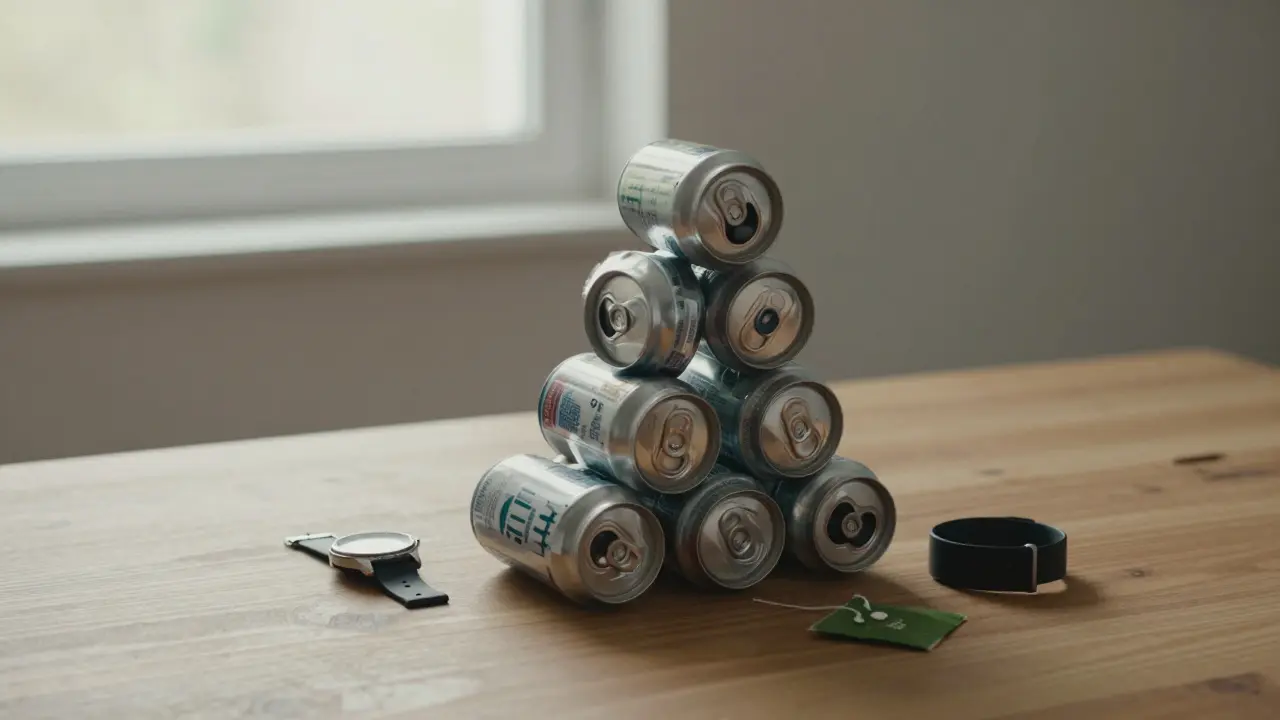
A typical 250ml energy drink packs about 80mg of caffeine-same as a strong cup of coffee. But it doesn’t stop there. Most also contain 27g of sugar, that’s over six teaspoons. Then there’s taurine, guarana, B-vitamins, and sometimes L-carnitine or ginseng. These aren’t just harmless additives. They interact with your body in ways you might not expect.Guarana, for example, is a plant that naturally contains caffeine. If a drink lists guarana as an ingredient, that’s extra caffeine you’re not counting. One can might say 80mg on the label, but with guarana, you could be hitting 120mg without realizing it.
Two cans = 160mg of caffeine. Is that too much?
The European Food Safety Authority says up to 400mg of caffeine a day is safe for healthy adults. That means two energy drinks fall well under that limit. But here’s the catch: that 400mg limit doesn’t include caffeine from coffee, tea, chocolate, or medication. If you’re also drinking two cups of coffee and eating dark chocolate, you’re already at 250-300mg before your first energy drink.Two energy drinks a day could easily push you past 400mg. And that’s when things get risky. Heart palpitations, jitteriness, insomnia, and anxiety are common signs of too much caffeine. In extreme cases, it can trigger abnormal heart rhythms-even in young, healthy people.
A 2023 study in the Journal of the American Heart Association followed 1,200 young adults who regularly consumed two or more energy drinks weekly. Those who drank two daily had a 22% higher chance of developing irregular heartbeats compared to those who drank less than one a week.
Sugar is the silent problem
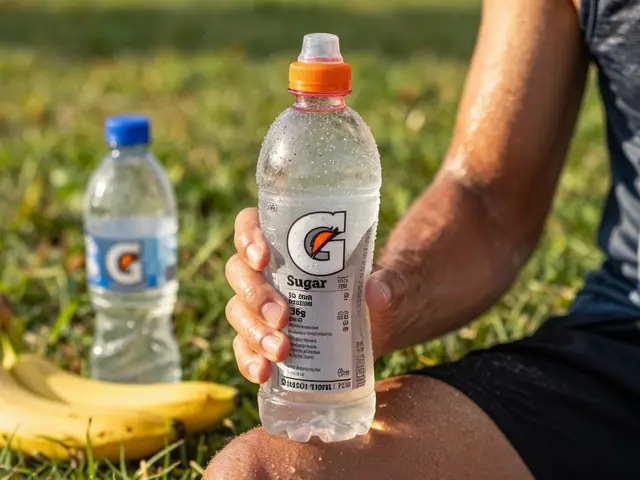
Let’s talk sugar. Two cans of most popular energy drinks mean 54g of sugar. The World Health Organization recommends no more than 25g of added sugar per day for adults. That’s more than double the limit. Sugar spikes your blood glucose, crashes your energy later, and over time, contributes to insulin resistance, fatty liver, and weight gain.It’s not just about calories. High sugar intake from drinks like these is linked to a 20% higher risk of type 2 diabetes over five years, even if you’re not overweight. Your body doesn’t process liquid sugar the same way it handles sugar in fruit. There’s no fiber to slow it down. It hits your liver fast.

Who’s most at risk?
Not everyone reacts the same. Teenagers, pregnant women, people with heart conditions, and those on certain medications (like antidepressants or ADHD drugs) are far more vulnerable.Teens under 18 shouldn’t consume more than 100mg of caffeine a day, according to the American Academy of Pediatrics. Two energy drinks? That’s double the safe limit. And their developing brains are more sensitive to caffeine’s effects on sleep and focus.
Pregnant women are advised to cap caffeine at 200mg a day. Two energy drinks? That’s already over. Caffeine crosses the placenta. High intake is linked to low birth weight and preterm delivery.
What about the ‘no sugar’ versions?
Zero-sugar energy drinks sound like the smarter choice. But they’re not harmless. They swap sugar for artificial sweeteners like aspartame, sucralose, or acesulfame K. While these are approved by health agencies, some studies suggest they may still disrupt your gut microbiome and increase sugar cravings over time.A 2024 meta-analysis in Nutrition & Diabetes found that people who regularly drank diet energy drinks were more likely to develop abdominal fat and metabolic syndrome-even though they consumed fewer calories. The brain still expects sugar when it tastes sweetness. When it doesn’t get it, it can mess with hunger signals.
What does your body do when you drink two a day?
Your adrenal glands get overworked. They’re meant to release adrenaline in short bursts-like when you’re running from danger. But constant caffeine stimulation keeps them firing. Over time, they get tired. That’s when you feel more tired, even after drinking more.You also build tolerance. What once gave you a boost now barely does anything. So you drink more. Or switch to stronger brands. It’s a cycle that’s hard to break.
Sleep gets wrecked. Even if you fall asleep, deep sleep drops by up to 25% after consuming caffeine within six hours of bedtime. That means your body doesn’t fully recover. Muscle repair slows. Memory consolidation falters. Your immune system weakens.
What’s the real cost?
Let’s say you drink two energy drinks a day, every day. That’s 14 a week. Around 60 a month. At $3 each, that’s $180 a month. Over a year, you’re spending over $2,100. For what? A short-term buzz that fades in 90 minutes and leaves you crashing harder than before.Compare that to a $100 annual investment in a good sleep tracker, a decent coffee maker, or even a personal trainer. Those give lasting results. Energy drinks give temporary relief-and long-term bills.
What should you do instead?
If you’re drinking two energy drinks a day because you’re tired, it’s not a caffeine problem-it’s a sleep, hydration, or nutrition problem.- Try drinking a large glass of water first. Dehydration mimics fatigue.
- Get 20 minutes of sunlight in the morning. It resets your circadian rhythm.
- Swap one energy drink for black coffee or green tea. Less sugar, less crash.
- Take a 10-minute walk after lunch. Movement boosts energy better than chemicals.
- If you’re running on fumes daily, talk to a doctor. Chronic fatigue isn’t normal.
There’s no magic fix. But there are better ways to feel energized-ones that don’t cost you your heart, your sleep, or your wallet.
Bottom line
Two energy drinks a day isn’t a disaster if it’s occasional. But if it’s your daily routine, you’re playing Russian roulette with your health. The caffeine might not kill you tomorrow. But the sugar, the sleep loss, the heart strain, the dependency-they add up. Slowly. Quietly. Until one day, you wake up and realize you can’t function without them.You don’t need to quit cold turkey. But start cutting back. One can a day. Then every other day. Replace them with real food, real rest, and real movement. Your body will thank you long before your bank account does.
Is it safe to drink two energy drinks a day?
For most healthy adults, two energy drinks a day may not cause immediate harm, but it’s not safe long-term. The combined caffeine, sugar, and stimulants can lead to heart rhythm issues, sleep disruption, insulin resistance, and dependency. The risks grow significantly if you also drink coffee, take medications, or have underlying health conditions.
Can two energy drinks a day cause heart problems?
Yes. Multiple studies, including one published in the Journal of the American Heart Association in 2023, show that people who consume two or more energy drinks daily have a significantly higher risk of developing irregular heartbeats (arrhythmias). This risk is higher in teens, pregnant women, and those with pre-existing heart conditions. Caffeine increases heart rate and blood pressure, and when combined with other stimulants in energy drinks, it can overwork the heart.
Do sugar-free energy drinks make it safer?
Not really. While they avoid sugar, sugar-free energy drinks use artificial sweeteners like aspartame and sucralose. Research suggests these may still disrupt metabolism, increase sugar cravings, and contribute to belly fat over time. They also contain the same high levels of caffeine and stimulants, which carry their own risks. So you’re trading one problem for another.
How long does caffeine from energy drinks stay in your system?
Caffeine has a half-life of about 5-6 hours. That means if you drink two energy drinks at 2 PM, half the caffeine is still in your system at 8-9 PM. For some people, especially those who are slow metabolizers, it can linger for over 10 hours. This disrupts deep sleep, which is critical for recovery, memory, and hormone balance.
What are healthier alternatives to energy drinks?
Try plain water with a lemon wedge, green tea, black coffee (in moderation), or a small handful of nuts and fruit for a natural energy boost. A 10-minute walk outside, deep breathing, or a short nap can also reset your energy without chemicals. If you’re constantly tired, look at your sleep, hydration, and diet-those are the real root causes.
Can you become addicted to energy drinks?
Yes. Regular use leads to tolerance-you need more to feel the same effect. When you stop, you experience withdrawal: headaches, fatigue, irritability, and difficulty concentrating. These symptoms are well-documented in medical literature and are signs of physical dependence. Energy drinks are not harmless snacks-they’re psychoactive substances with addictive potential.

Comments (13)
kelvin kind
5 Feb 2026
Two a day? Yeah I did that for months. Woke up one day and couldn't get out of bed without one. Not cool.
Peter Reynolds
5 Feb 2026
I used to chug two before work. Now I just drink black coffee and take a walk. Same energy, no crash. Seriously try it.
Kenny Stockman
6 Feb 2026
Bro this is the most realistic take I've seen on energy drinks. No hype, just facts. I'm cutting back to one a week now. Thanks for laying it out.
Ian Cassidy
7 Feb 2026
Adrenaline fatigue is real. Your HPA axis gets fried. It's not just caffeine-it's chronic sympathetic overdrive. You're basically living in fight-or-flight mode 24/7.
Sarah McWhirter
8 Feb 2026
They put fluoride in the drinks too, you know. That's why your teeth feel weird after. And the government knows. They don't want you to wake up and realize you're being manipulated.
Ananya Sharma
9 Feb 2026
Let’s be honest-this entire article is just corporate propaganda disguised as health advice. Energy drinks are the only thing keeping the working class functional under late-stage capitalism. You want us to drink green tea? While working two jobs and commuting three hours a day? Please. The real villain is the 12-hour workday, not the can in your hand.
Zach Beggs
9 Feb 2026
My buddy had a panic attack after two cans. ER visit. He’s been sober since. Just saying.
Tom Mikota
9 Feb 2026
Wait-you said '27g of sugar' but then wrote '54g' for two cans? That’s math. Not hard. And 'guarana' is italicized but 'L-carnitine' isn’t? Consistency matters. Also, 'your body doesn’t process liquid sugar the same way'-missing comma before 'there’s no fiber.'
Paritosh Bhagat
10 Feb 2026
You people act like energy drinks are the problem. What about the fact that your job makes you exhausted? You’re blaming the messenger. I drink two a day because I’m awake from 4am to midnight. You think I want this? I’d rather nap, but my boss won’t let me. So yes, I’ll keep drinking. And if my heart gives out? At least I got paid.
Antonio Hunter
11 Feb 2026
It’s not just about the physical toll-it’s the psychological dependency. You start associating productivity with the buzz. You feel guilty if you don’t drink. You start measuring your worth by how much you can push through. That’s not health. That’s a slow erosion of self. And it sneaks up on you. One day you realize you haven’t felt naturally awake in years. You think you’re just tired. But you’re addicted.
Amanda Harkins
12 Feb 2026
Kinda funny how we treat caffeine like it’s evil, but coffee’s fine. It’s the same molecule. The difference? Marketing. And the price tag. You pay $3 for a can that’s basically sugar water with a side of existential dread.
Jeanie Watson
12 Feb 2026
I just like the taste. Also, it’s my thing. Like people who drink red bull before gaming. It’s ritual. Not a health choice.
Fred Edwords
13 Feb 2026
It’s worth noting that the 400mg caffeine limit set by EFSA is based on acute toxicity thresholds-not long-term cardiovascular strain, metabolic disruption, or sleep architecture degradation. Moreover, the 2023 JAMA study controlled for confounders like BMI, smoking, and physical activity, yet still found a statistically significant association (p < 0.01) between daily consumption and arrhythmia incidence. Additionally, the WHO’s 25g sugar recommendation is for ‘added sugars’-not total sugars-which means even natural fruit sugars are excluded. Energy drinks, therefore, represent a concentrated, non-nutritive, pharmacologically active delivery system for substances that, in aggregate, are not benign. And yes-I punctuated correctly.