
Category: Health & Nutrition - Page 2
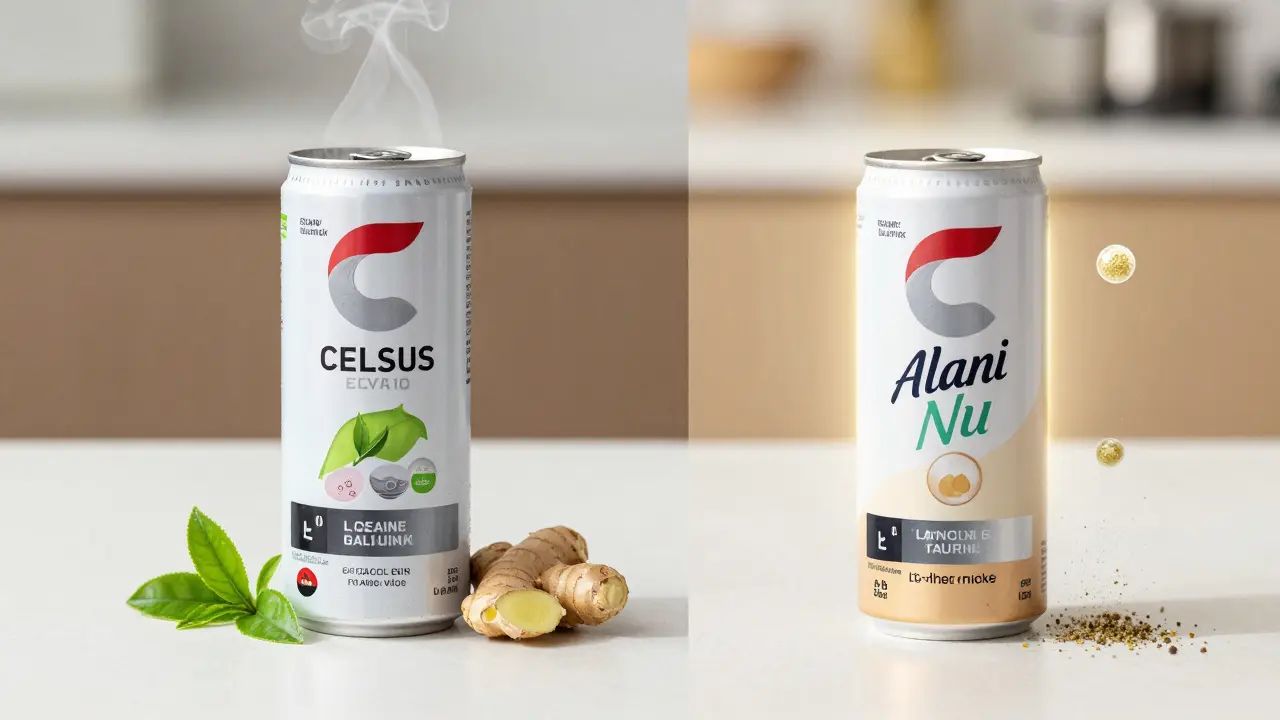
Celsius and Alani are two popular zero-sugar energy drinks. Alani offers smoother energy with L-theanine and taurine, while Celsius packs more caffeine with less balance. For most people, Alani is the healthier option.
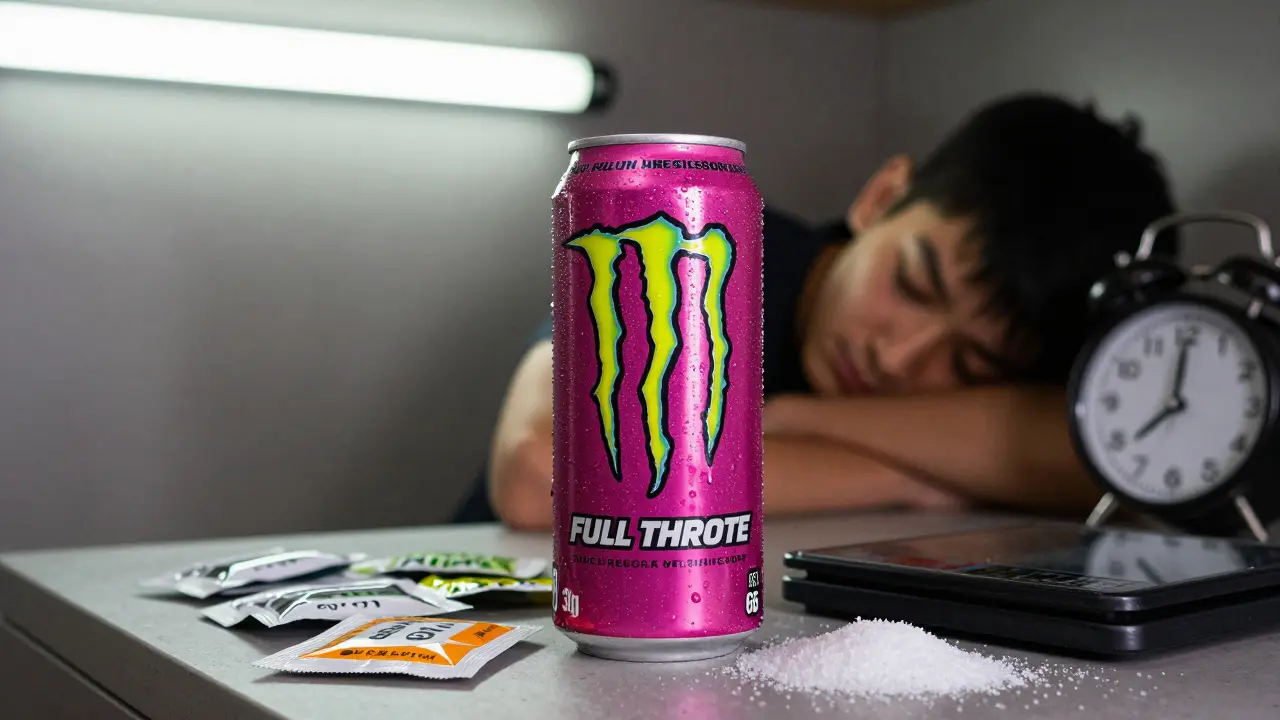
Full Throttle is the most unhealthy energy drink due to its extreme sugar, caffeine, and artificial additives. Regular consumption raises risks of metabolic syndrome, heart issues, and weight gain. Real energy comes from sleep and whole foods - not cans.
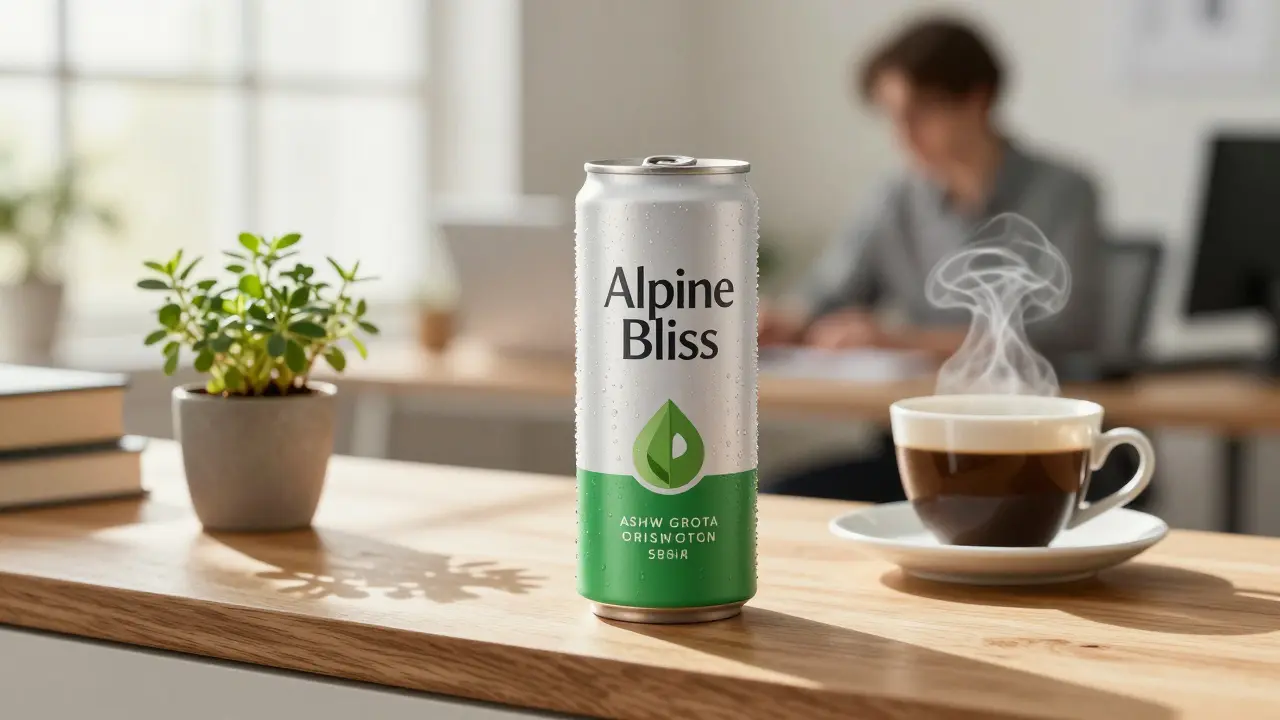
Alpine Bliss is a low-sugar energy drink with natural ingredients like ashwagandha, rhodiola, and L-theanine. It offers clean energy without artificial sweeteners or sugar crashes. Is it truly healthy? Here's what the science says.
Discover natural, science-backed drinks that give real energy without sugar crashes. From green tea to kombucha and veggie juices, learn what actually works to keep you alert and focused all day.
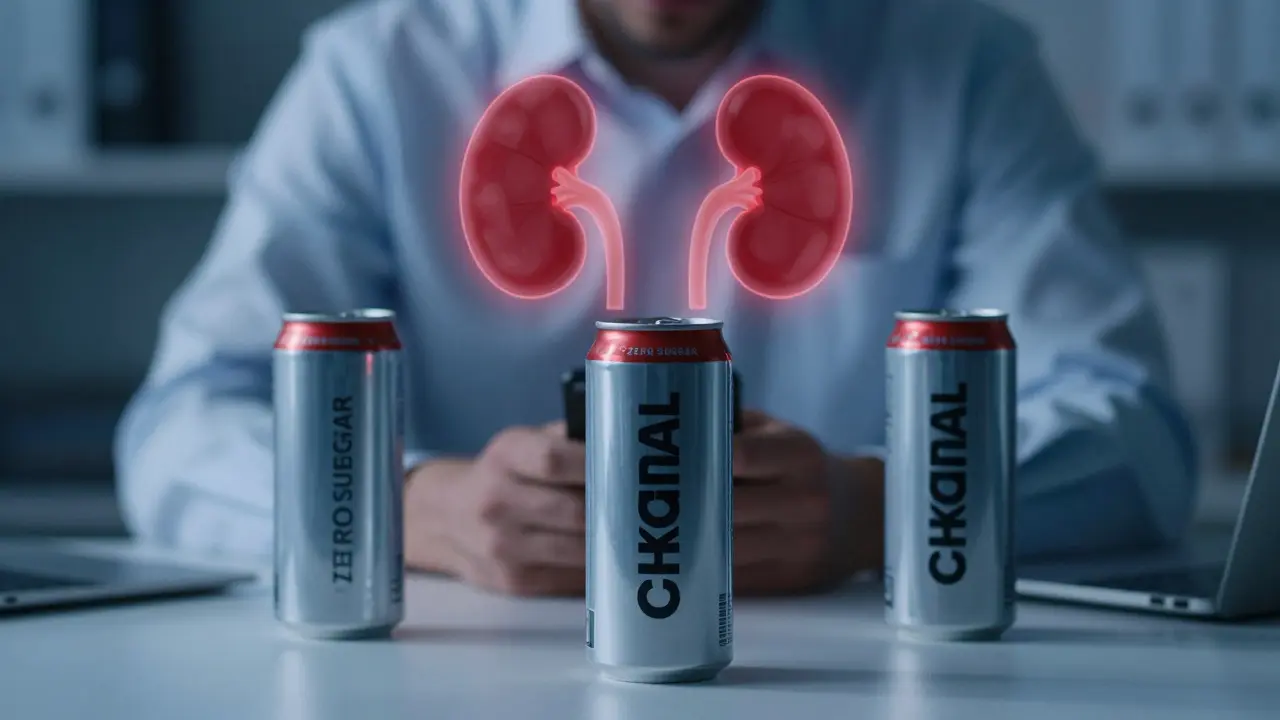
Zero sugar energy drinks may seem healthy, but daily consumption can strain your kidneys through artificial sweeteners, acids, and high caffeine. Learn the risks and how to protect your renal health.

Lemon water is often touted as a weight loss solution, but does it actually work? Learn the science behind the claims, how hydration affects metabolism, and why detox myths are misleading. Find out if this simple drink can truly support your weight loss goals.
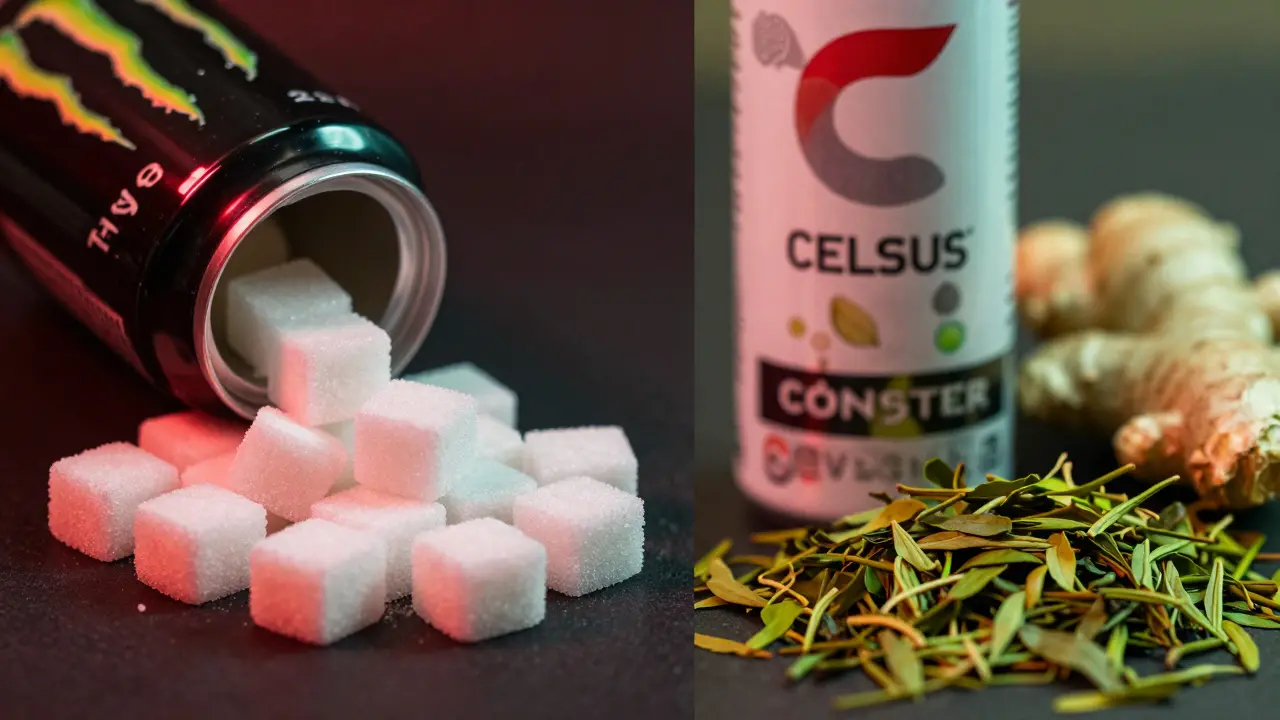
Celsius markets itself as a healthy energy drink, but is it truly the best choice? We break down the ingredients, compare it to competitors, and explain what science says about its health impact. Find out if Celsius is right for you.

Drinking two energy drinks a day may seem harmless, but it can lead to heart issues, sleep loss, and sugar overload. Here’s what your body really goes through-and what to do instead.

If your heart is racing after an energy drink, you’re not alone. Learn how to calm it down fast with breathing, cold water, and rest-and how to prevent it from happening again.
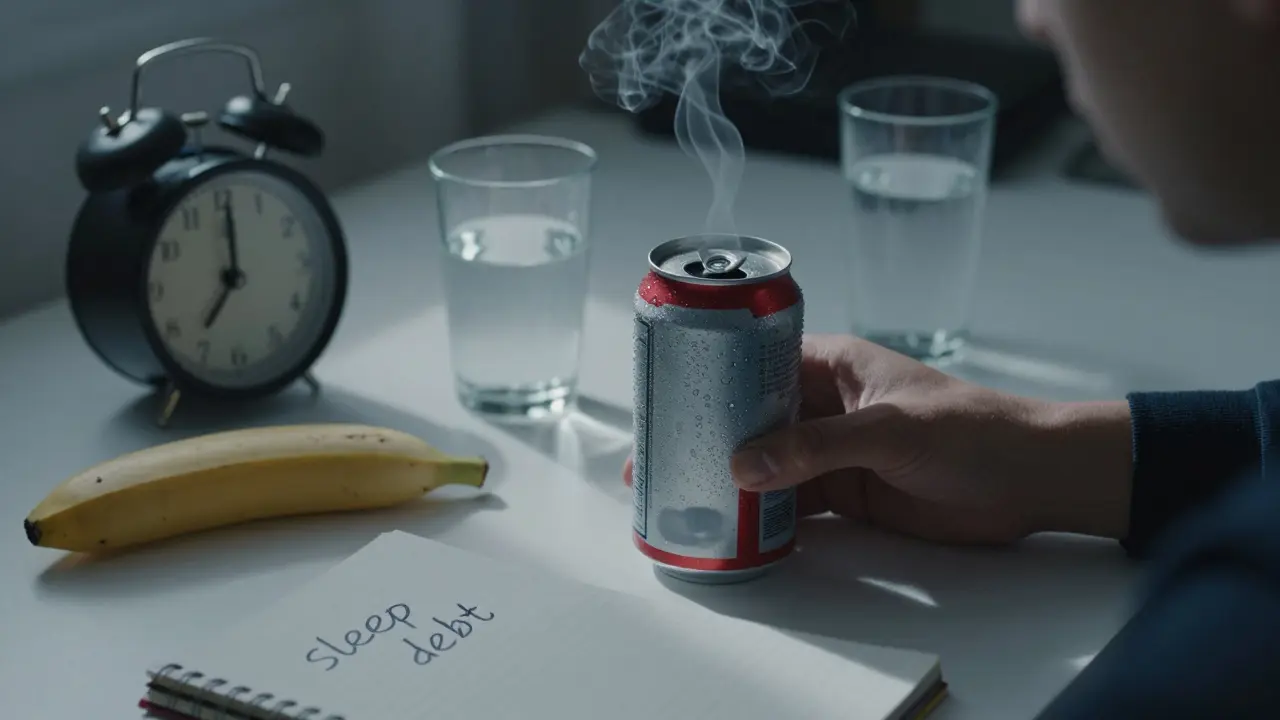
One energy drink a day might seem harmless, but it can spike blood pressure, disrupt sleep, and increase sugar intake. Here's what science says about daily consumption and safer alternatives.

Discover natural, caffeine-free ways to boost energy without coffee. From matcha to beetroot juice and cold showers, learn what actually works to feel alert all day-without the crash.
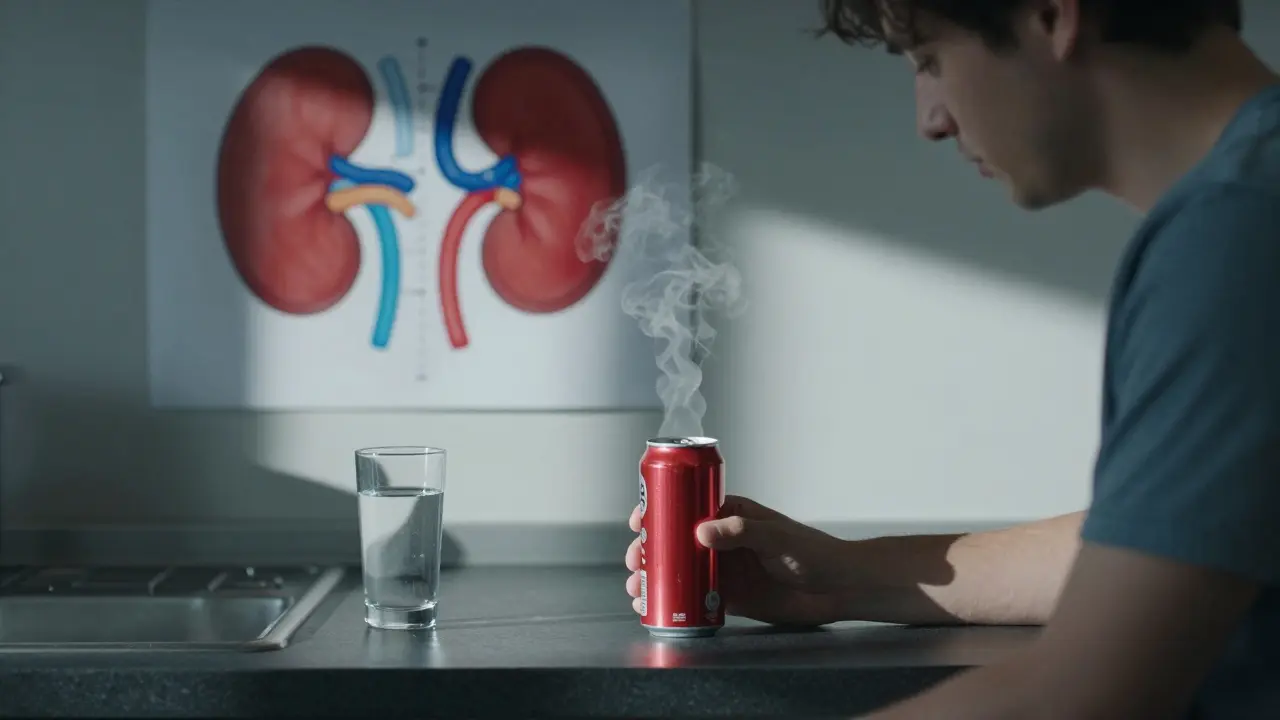
Energy drinks can stress your kidneys through caffeine, sugar, and dehydration. Regular use increases kidney stone risk and may cause long-term damage. Learn what science says and how to protect your kidneys.