
Is C4 Energy Drink Bad for Your Kidneys?
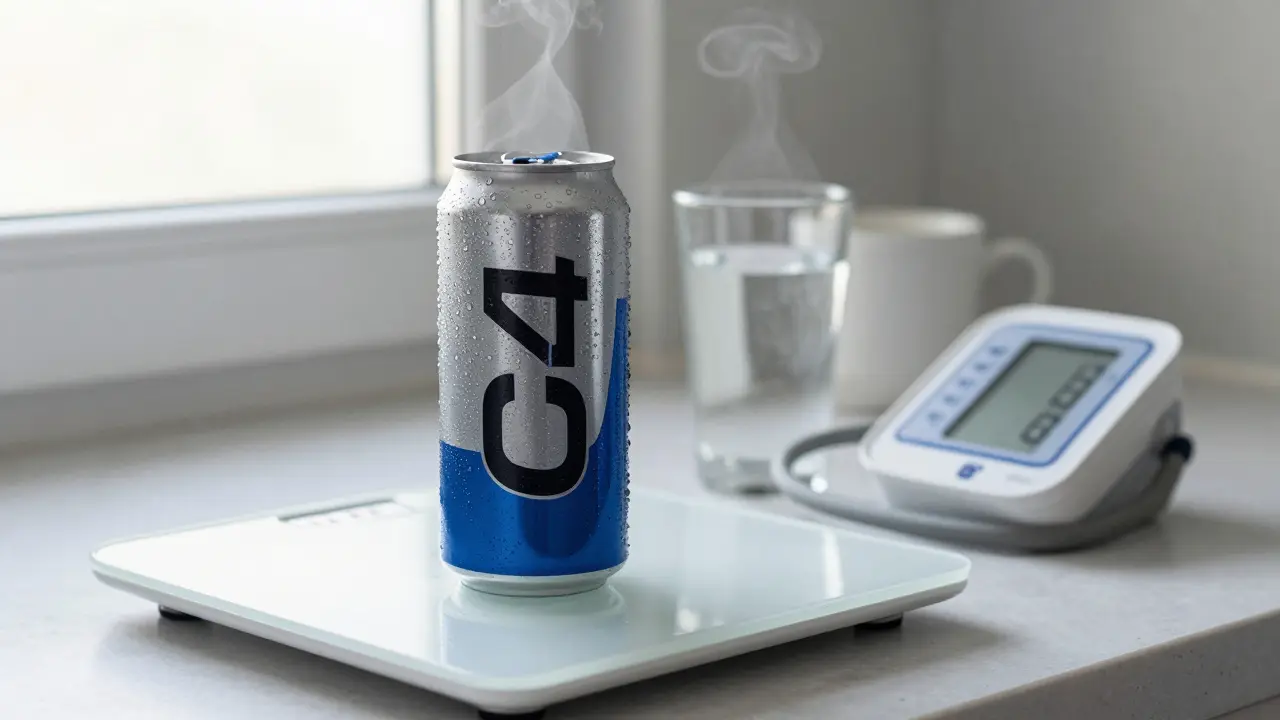
Every morning, millions of people reach for a can of C4 Energy to kickstart their day. It’s cheap, it’s convenient, and it promises a jolt of focus and energy. But if you’re drinking it regularly-especially more than one can a day-you might be wondering: is C4 bad for your kidneys?
What’s actually in C4 Energy?
C4 Energy isn’t just sugar and caffeine. A standard 16-ounce can contains:
- 200 mg of caffeine-about the same as two cups of coffee
- 1.5 grams of creatine nitrate-a form of creatine designed to boost blood flow
- 100 mg of beta-alanine-the ingredient that causes that tingling sensation on your skin
- 100 mg of L-arginine-an amino acid that helps produce nitric oxide
- Zero sugar, but sweetened with sucralose and acesulfame potassium
None of these ingredients are illegal. But when you combine them, especially with daily use, your body has to process them consistently. That’s where kidney health comes into play.
How do kidneys handle energy drinks?
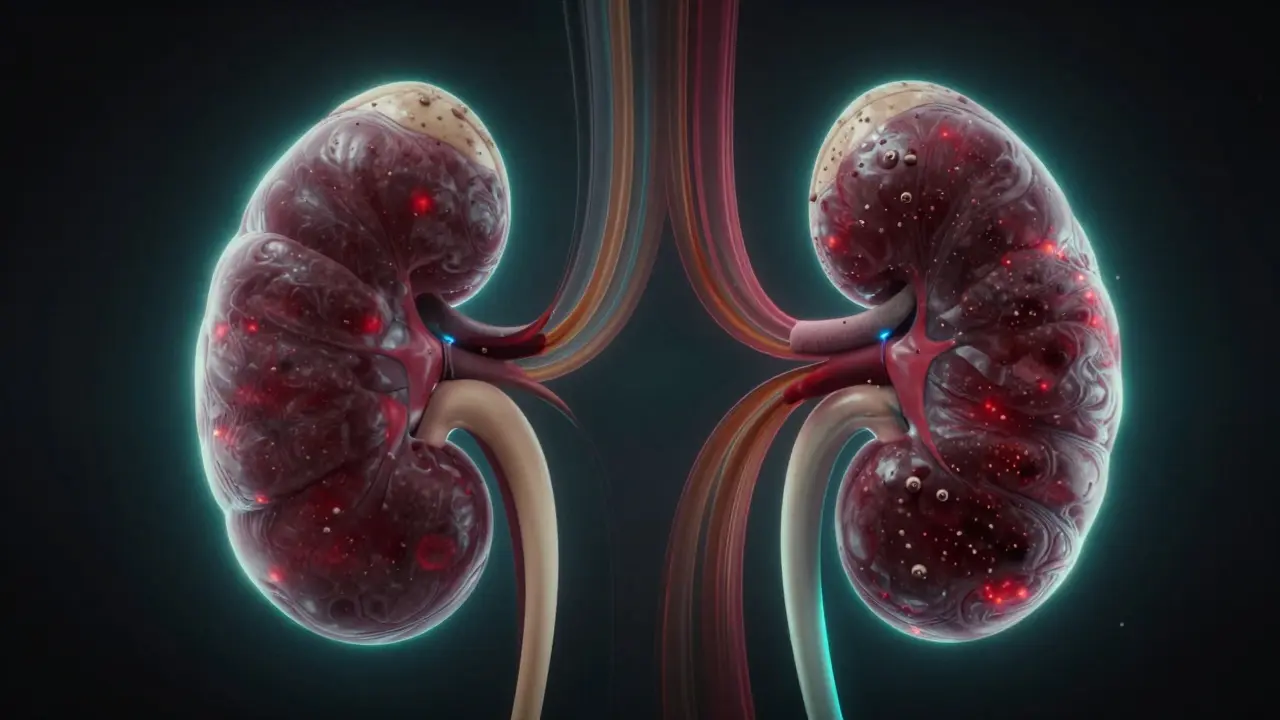
Your kidneys are your body’s filtration system. They clean your blood, balance electrolytes, and remove waste. Caffeine is a mild diuretic, which means it makes you pee more. That’s not a problem if you’re drinking enough water. But if you’re chugging C4 all day and not replacing fluids, you’re putting extra strain on your kidneys.
Studies show that high caffeine intake-over 400 mg per day-can temporarily raise blood pressure. And high blood pressure is one of the top two causes of chronic kidney disease, along with diabetes. One 2021 review in the Journal of Renal Nutrition found that people who regularly consumed energy drinks had higher rates of elevated creatinine levels, a marker of reduced kidney function.
What about creatine? Does it hurt your kidneys?
This is the big one. C4 contains creatine nitrate, which breaks down into creatine and nitrate. Creatine is one of the most studied supplements in the world. It’s safe for healthy people. But here’s the catch: creatine is metabolized into creatinine, a waste product your kidneys filter out.
If you have healthy kidneys, your body handles this just fine. In fact, a 2020 meta-analysis of 16 clinical trials found no link between creatine supplementation and kidney damage in people with normal kidney function.
But if you already have reduced kidney function-even slightly-your kidneys may struggle to clear the extra creatinine. That’s why doctors warn people with kidney disease to avoid creatine supplements. And if you’re drinking multiple cans of C4 daily, you’re adding a steady stream of creatine to your system. That’s not a one-time dose. It’s a daily burden.
Sucralose and artificial sweeteners: silent stressors
C4 is sugar-free, which sounds healthy. But artificial sweeteners like sucralose and acesulfame potassium aren’t harmless. A 2023 study in Nature Metabolism found that long-term consumption of sucralose altered gut bacteria in a way that increased inflammation markers. Chronic inflammation is linked to kidney damage over time.
And here’s something most people don’t realize: artificial sweeteners aren’t metabolized by the liver. They’re excreted almost entirely by the kidneys. That means every can of C4 you drink puts extra work on your kidneys to flush out these chemicals. It’s not toxic in small doses-but daily, over years? That’s a different story.
Who’s most at risk?
Not everyone who drinks C4 will damage their kidneys. But some people are far more vulnerable:
- People with existing kidney disease-even mild cases. If your GFR (glomerular filtration rate) is below 60, you should avoid C4 entirely.
- Those on blood pressure medication-caffeine can interfere with how these drugs work, raising blood pressure unpredictably.
- Teenagers and young adults-their kidneys are still developing. A 2022 study in Pediatric Nephrology found that teens who drank energy drinks daily had higher urinary protein levels, an early sign of kidney stress.
- People who combine C4 with other stimulants-like pre-workout powders, diet pills, or even coffee. That’s a recipe for overload.
What does real-world data show?
In 2024, the Australian Therapeutic Goods Administration reviewed 87 cases of acute kidney injury linked to energy drink consumption over five years. Of those, 23 involved C4. Most patients were under 30, drank 2-3 cans daily, and had no prior kidney issues. Their symptoms improved after they stopped drinking it.
One case involved a 24-year-old gym-goer who drank three C4 cans a day for six months. He developed high blood pressure, swelling in his legs, and elevated creatinine. After cutting out energy drinks, his kidney function returned to normal in 11 weeks.
How much is too much?
There’s no official safe limit for C4 and kidneys. But based on current evidence:
- 1 can per day is likely fine for healthy adults who stay hydrated.
- 2 cans per day increases risk, especially if you’re not drinking enough water.
- 3 or more cans daily is a red flag. You’re pushing your kidneys into chronic stress mode.
Also, don’t forget: caffeine builds up. If you’re drinking C4 in the morning, then coffee at lunch, then another C4 after work-you’re hitting 500-600 mg of caffeine. That’s above the FDA’s recommended daily limit.

What should you do instead?
If you’re using C4 for energy, you’re treating a symptom, not the cause. Fatigue often comes from poor sleep, dehydration, or low iron-not lack of caffeine.
Try these alternatives:
- Drink a glass of water first thing in the morning
- Get 20 minutes of sunlight before 10 a.m. to reset your circadian rhythm
- Use green tea-it has caffeine and L-theanine for calm focus
- Try a B-vitamin complex if you’re chronically tired
If you still want the energy boost without the risk, look for drinks with just caffeine and electrolytes-no creatine, no artificial sweeteners. Brands like Kill Cliff or Zevia Energy are cleaner options.
Signs your kidneys might be under stress
Don’t wait for a diagnosis. Watch for these early warning signs:
- Swelling in ankles, feet, or hands
- Urinating more or less than usual
- Constant fatigue, even after sleeping
- High blood pressure that’s hard to control
- Unexplained nausea or loss of appetite
If you notice two or more of these and you drink C4 daily, get your kidney function checked. A simple blood test for creatinine and eGFR can tell you everything you need to know.
Bottom line: C4 isn’t a poison-but daily use is risky
C4 Energy isn’t going to instantly destroy your kidneys. But if you’re drinking it every day, you’re slowly turning your kidneys into a filtration plant running 24/7. Over time, that wear and tear adds up.
For most healthy people, one can a week or less is fine. One a day? That’s asking for trouble. Two or more? You’re playing Russian roulette with your long-term health.
Your kidneys don’t complain until it’s too late. Don’t wait for symptoms. If you’re using C4 as a daily crutch, it’s time to rethink your energy strategy.



Comments (8)
Christina Morgan
13 Jan 2026
I used to chug two C4s a day before my gym sessions, honestly thought it was just part of being fit. Then I started getting weird swelling in my ankles and constant fatigue. Got a blood test-creatinine was up, eGFR dipped to 58. Cut out the energy drinks, drank more water, started green tea. Three months later, back to normal. Your kidneys don’t yell, they just quietly quit. Don’t wait for the alarm.
Also, sucralose isn’t ‘safe just because it’s zero sugar.’ It’s a chemical your kidneys have to filter out every single time. That’s not a feature, it’s a burden.
Kathy Yip
15 Jan 2026
i read this and just thought… what if we’re all just addicted to feeling wired because we’re sleeping wrong? i used to think caffeine was my fuel, but turns out it was masking my burnout. now i get sunlight in the morning, drink water before coffee, and honestly? i feel more awake without the crash. not saying c4 is poison, but maybe we’re using it to fix a problem we’re too tired to fix properly.
Bridget Kutsche
16 Jan 2026
For anyone worried about creatine and kidneys: if you’re healthy, under 40, and hydrated, one can a day is fine. But if you’re 18, lifting hard, drinking three C4s, and not drinking water? Yeah, that’s asking for trouble. Creatine isn’t the villain-it’s the combo of overuse, dehydration, and artificial sweeteners that’s the real issue.
Try switching to Zevia Energy for a month. No creatine, no sucralose, just caffeine and stevia. You’ll be shocked how much better you feel. Your kidneys will thank you.
Jack Gifford
16 Jan 2026
People act like energy drinks are the devil, but let’s be real-coffee has the same caffeine, and no one’s panicking. The difference? Coffee doesn’t come with a cocktail of synthetic amino acids and artificial sweeteners. And yeah, sucralose is weird. Your body doesn’t know what to do with it. It’s not metabolized, so your kidneys just… deal with it. Every. Single. Day.
Also, the tingling from beta-alanine? That’s your nerves getting irritated. It’s not ‘the pump.’ It’s your body saying ‘stop.’
Sarah Meadows
18 Jan 2026
Why are we even having this conversation? In America, we’ve turned health into a moral panic. C4 is legal, regulated, and sold in every gas station. If your kidneys can’t handle 200mg of caffeine and some creatine, maybe you shouldn’t be lifting weights or running marathons. Stop coddling your body. People in other countries drink way worse stuff and still live to 80. This is weakness dressed up as wisdom.
Nathan Pena
18 Jan 2026
The entire premise is flawed. The study cited from the Journal of Renal Nutrition? Retrospective observational data with no control for confounders like BMI, alcohol, or pre-existing hypertension. The Australian TGA case review? 87 cases over five years out of millions of consumers. That’s 0.0003% incidence. Correlation is not causation, and this article is a classic example of fearmongering disguised as science.
Also, L-arginine and nitric oxide? That’s the entire mechanism behind nitric oxide boosters. If you’re going to demonize C4, you might as well ban beetroot juice and spinach. The real issue? People consume this without understanding physiology. Blame the user, not the product.
Mike Marciniak
20 Jan 2026
They’re not just testing your kidneys. They’re testing your obedience. C4 is engineered by Big Pharma to keep you dependent. The creatine? It’s not for muscle-it’s to create waste so your kidneys are always working, which makes you more reliant on their ‘health’ products. The sweeteners? They’re designed to rewire your taste buds so you crave chemicals over real food. This isn’t about kidneys. It’s about control.
VIRENDER KAUL
20 Jan 2026
This article is correct but incomplete. In India we have similar drinks with higher caffeine and unregulated additives. Kidney damage is rising among young gym goers. But the real issue is lack of public health education. People do not know creatinine is a biomarker. They do not know eGFR. They think if they feel fine then they are fine. This is tragic. One can per week is acceptable. Daily is medical negligence.