
Health & Nutrition: What You Need to Know About Energy Drinks and Diet Choices
Energy drinks promise a quick energy boost but have you ever wondered what they might be doing inside your body? These beverages often contain high amounts of sugar and caffeine, which can affect more than just your energy levels. For example, excessive energy drink consumption might stress your kidneys and even increase the risk of kidney stones. It’s important to understand the link between these drinks and your health to avoid unwanted side effects.
How Energy Drinks Impact Your Body
Many people reach for an energy drink to shake off tiredness without realizing the load of sugars and stimulants they’re guzzling down. This combo can lead to dehydration, which isn’t great for your kidneys. When your kidneys don’t get enough water, minerals can build up and form painful kidney stones. So, if you rely on energy drinks daily, it’s smart to also drink plenty of water and keep an eye on your overall consumption to protect your kidney health.
Nutrition Choices That Matter: The Rice Debate Among Bodybuilders
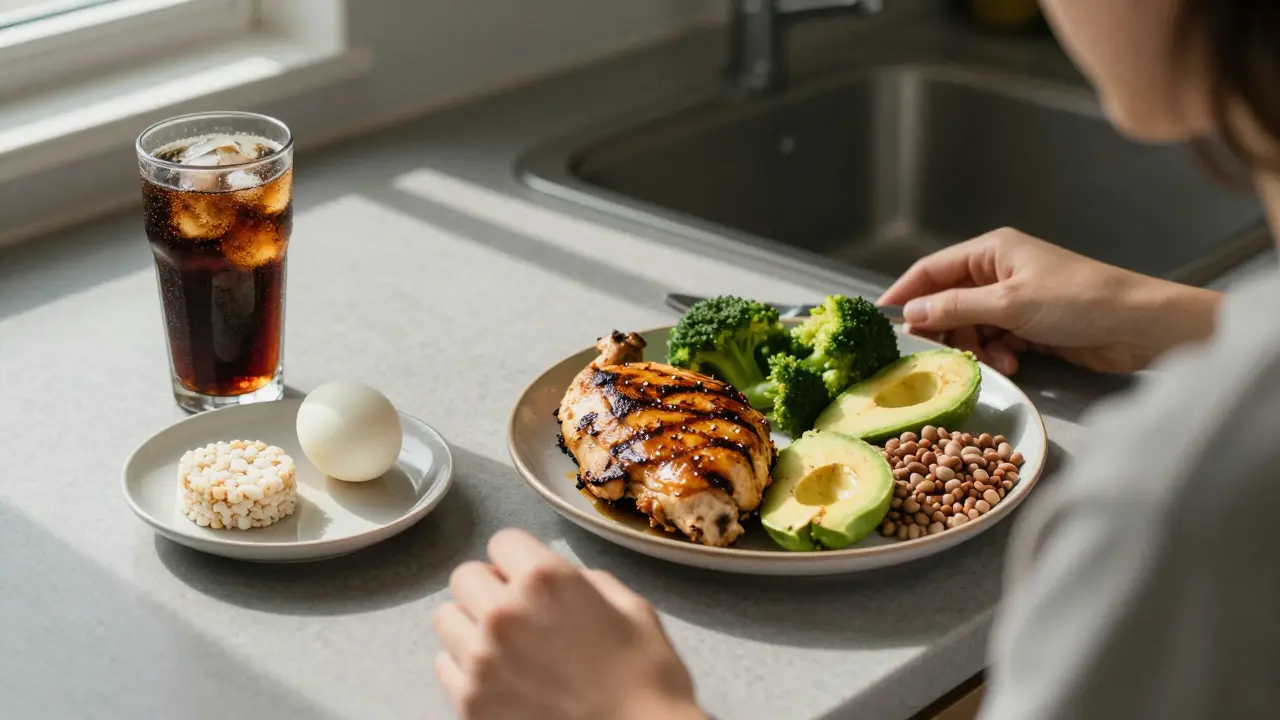
If you’ve noticed bodybuilders choosing white rice over brown rice, it’s not just a random preference. White rice digests faster, which helps muscles get carbs quickly after a workout, aiding recovery and muscle building. Brown rice, while healthier in many ways, takes longer to break down and doesn’t provide that quick fuel these athletes want. This small switch in food choices shows how paying attention to nutrition details can really impact performance and results.
Want to make smarter choices? Think about how your food and drink affect your body not just in the moment, but over time. Energy drinks can give you a buzz, but beware of the risks to your kidneys. Meanwhile, learning why some athletes swap foods like rice can give you handy tips for your own nutrition. Keeping your body fueled and safe means staying informed and balancing your diet with options that work best for your lifestyle.
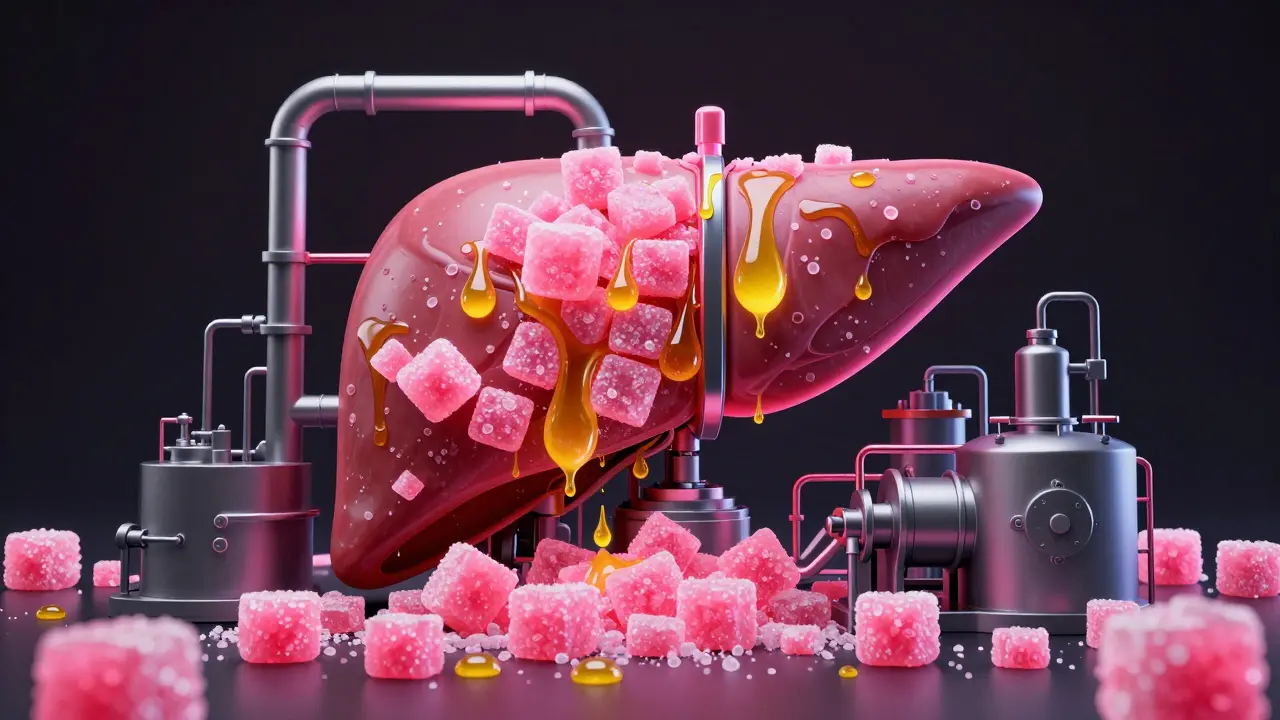
Comparing the health impacts of alcohol vs sugar. Discover how each affects your liver, insulin levels, and brain to determine which is more damaging to your body.

Discover which fruits to limit and which to prioritize for weight loss. Learn about calorie density, the glycemic index, and how to eat fruit without stalling your progress.

Discover the healthiest ways to get caffeine without the crash. Compare Matcha, Yerba Mate, and Black Coffee to find the best natural energy source for you.
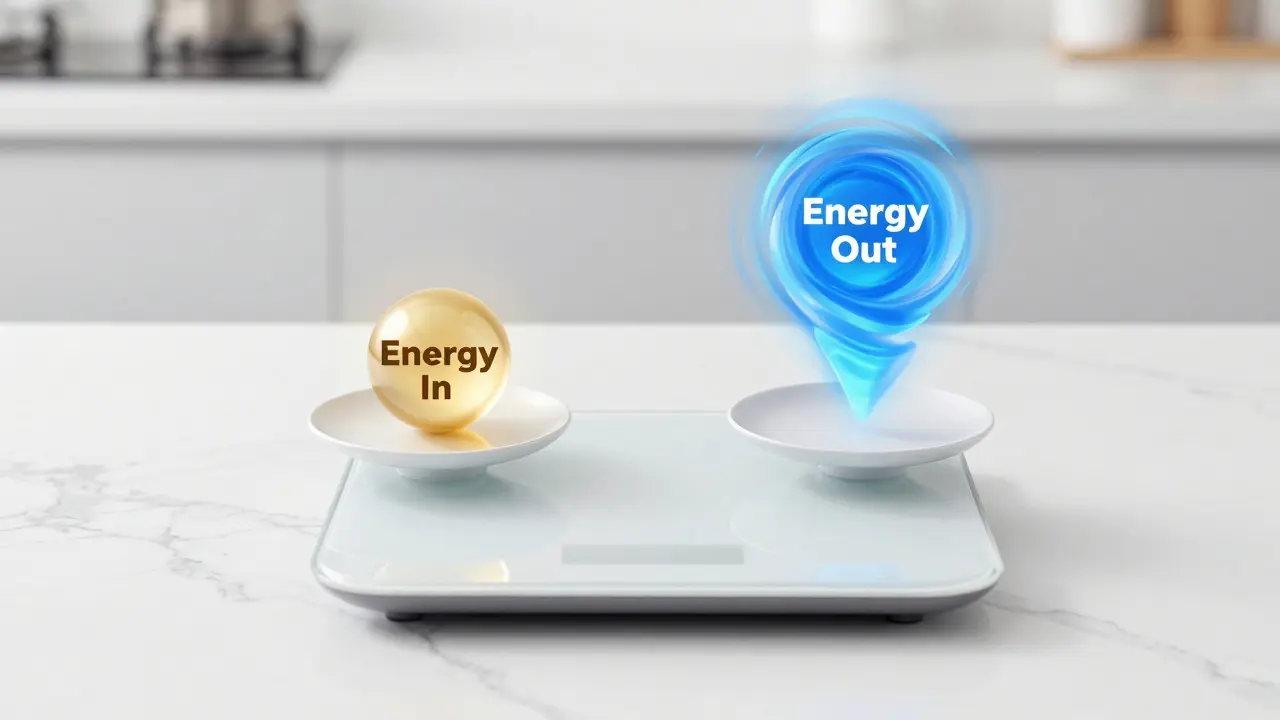
Discover exactly how many calories you need to eat to lose weight. Learn how to calculate your TDEE, set a safe deficit, and avoid common weight loss pitfalls.

Discover if energy drinks are actually good or bad for you. We break down the ingredients, heart effects, and better alternatives to avoid the caffeine crash.


Discover why fat feels jiggly during weight loss, the role of hydration, and how low-calorie energy drinks impact body texture and firmness.
Discover why certain energy drinks pose severe health threats through excessive caffeine, hidden sugars, and unregulated additives. Learn practical ways to identify safer beverage choices.

A hormonal belly is caused by imbalances in cortisol and insulin rather than just calories. Learn how stress and artificial sweeteners affect fat storage.

Too much caffeine from energy drinks can cause racing heart, anxiety, sleep loss, headaches, and dehydration. Learn the real signs you're overdoing it - and how to reset your body safely.
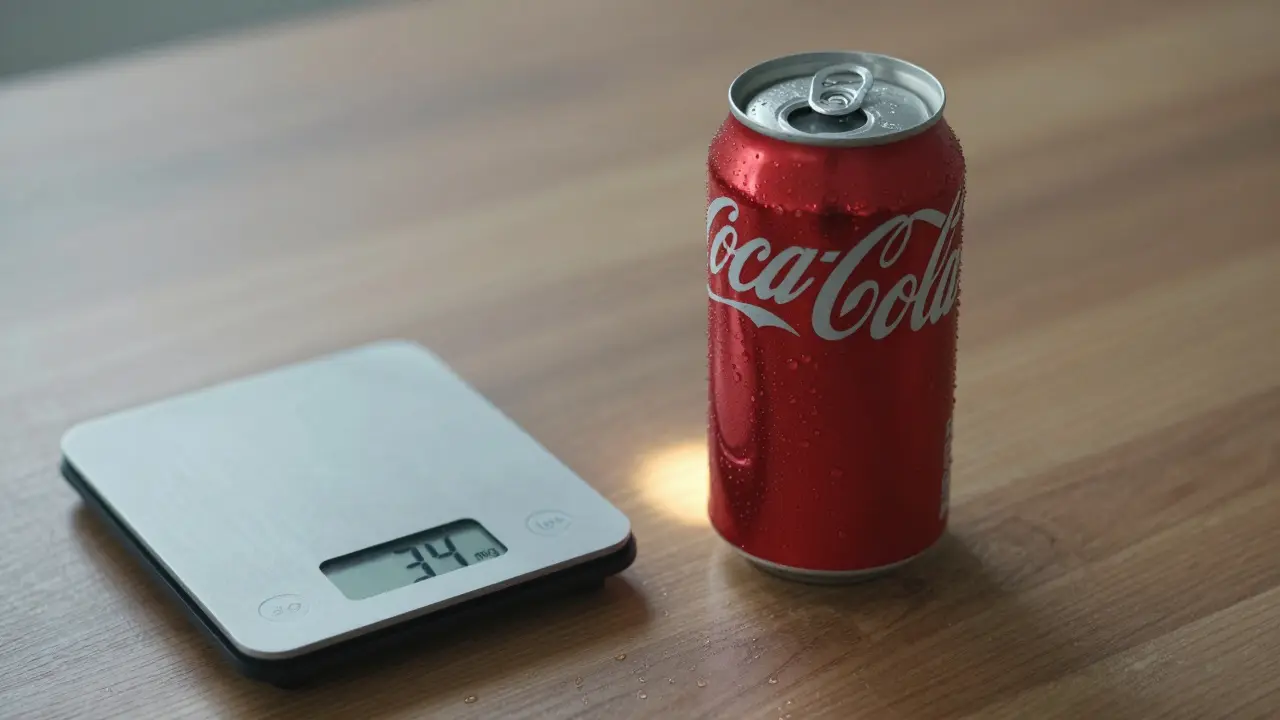
A 12-ounce Coke contains 34 mg of caffeine - less than coffee or energy drinks, but enough to affect sleep and health if consumed daily. Learn how it compares to Diet Coke, Red Bull, and safe daily limits.
Is 1200 calories a day too little for safe weight loss? Learn why extreme restriction backfires, how to find your true calorie needs, and why low-calorie energy drinks won't help. Sustainable fat loss starts with fuel, not famine.