
Spam Energy - Page 2

A hormonal belly is caused by imbalances in cortisol and insulin rather than just calories. Learn how stress and artificial sweeteners affect fat storage.
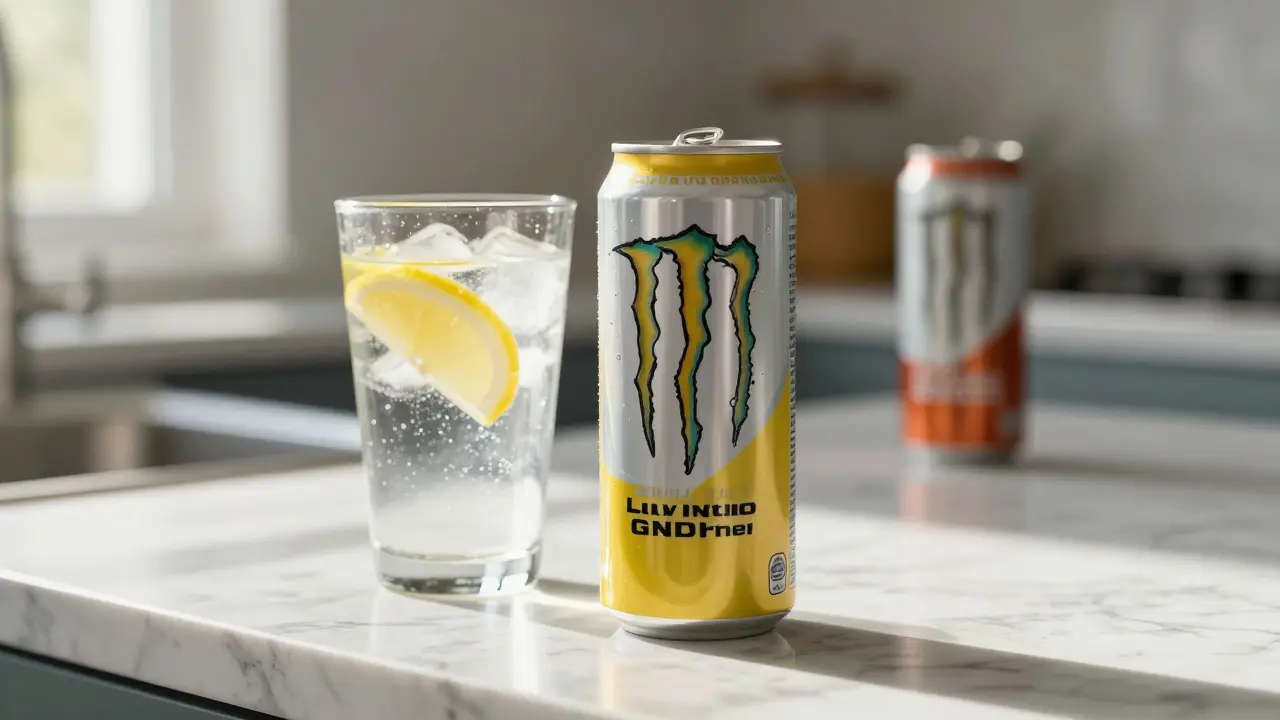
Discover a realistic 7-day plan to reduce bloating and reset your body using low-calorie energy drinks. Learn how to cut empty calories, boost metabolism, and manage water weight safely.
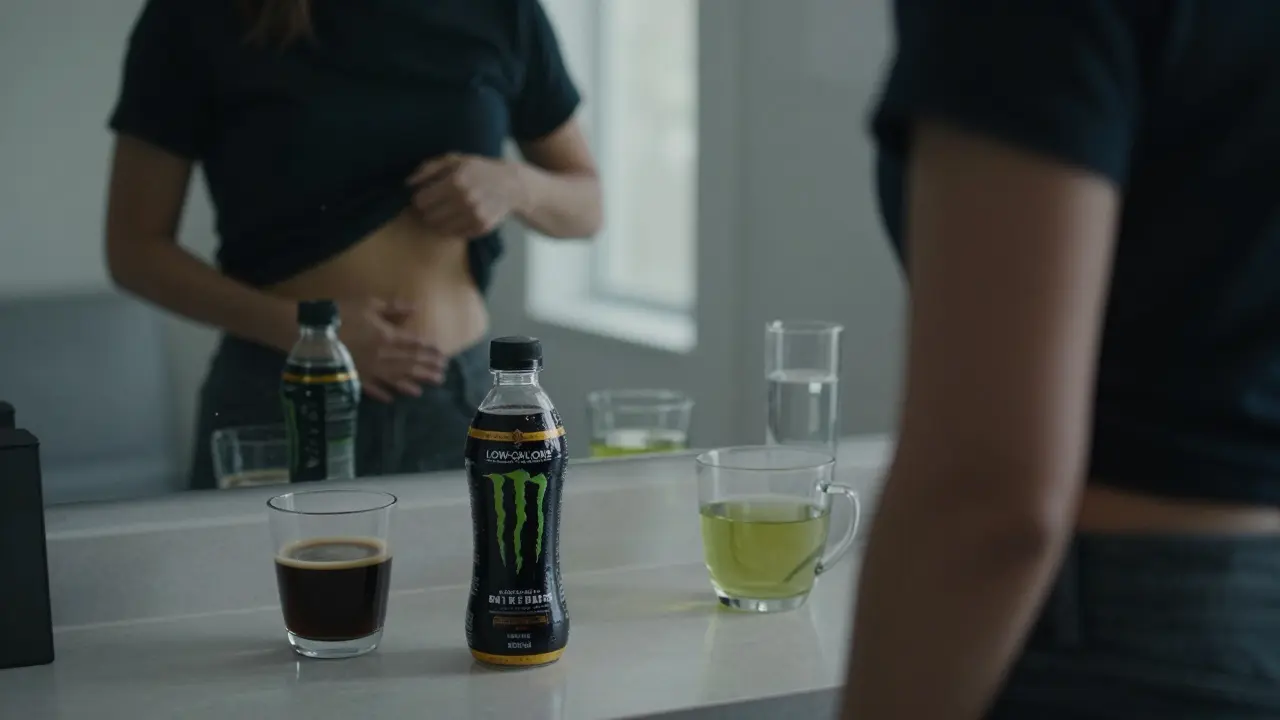
No drink can reduce belly fat in four days. Low-calorie energy drinks might help cut calories, but real fat loss comes from diet, movement, and sleep-not marketing claims. Learn what actually works.
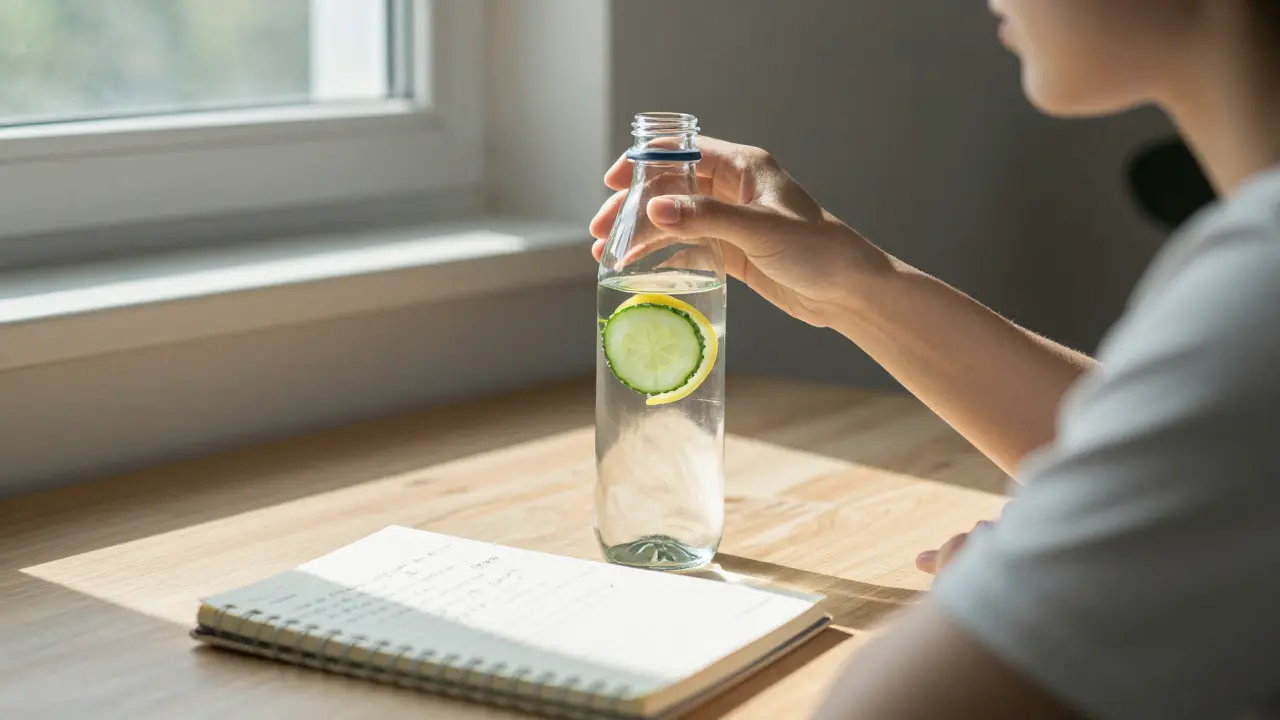
Water, green tea, black coffee, and smart low-calorie energy drinks can help you lose weight by reducing hunger, boosting metabolism, and avoiding sugar crashes. Skip artificial sweeteners and focus on hydration and natural ingredients.

Energy drinks can give a short-term boost during workouts, but their sugar, caffeine, and dehydration risks often outweigh the benefits. Learn when they help-and when to skip them.
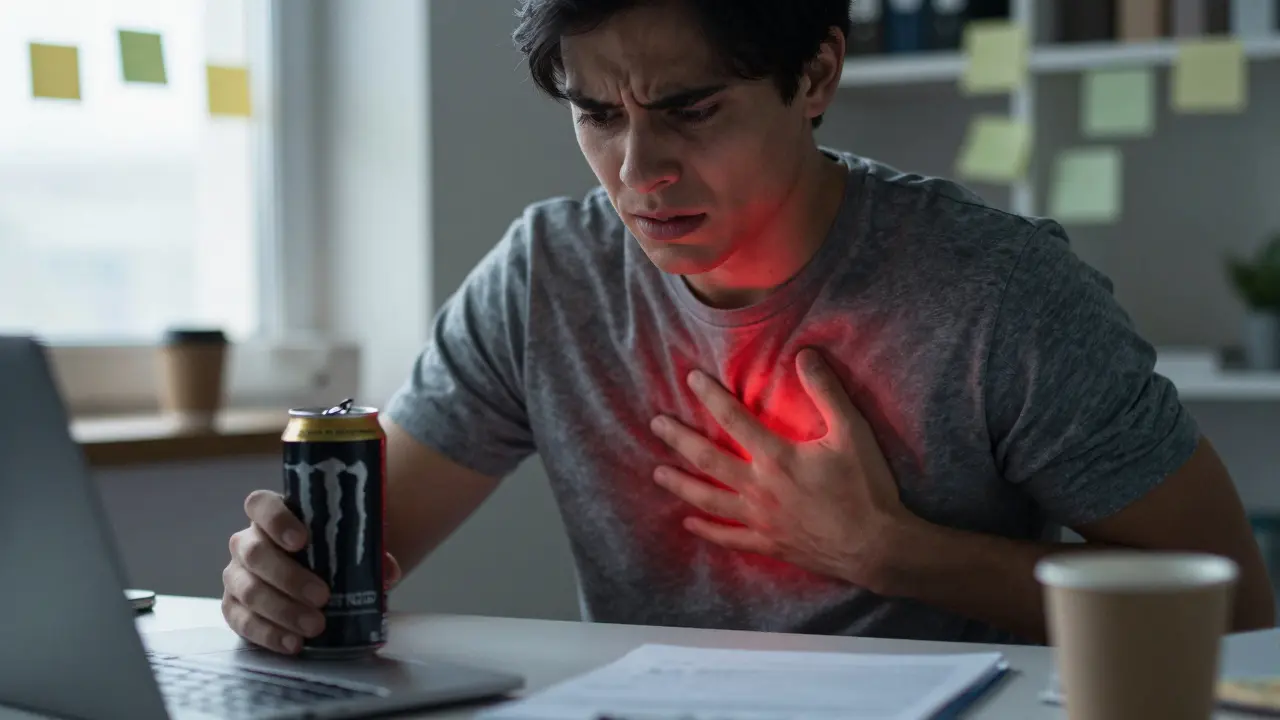
Too much caffeine from energy drinks can cause racing heart, anxiety, sleep loss, headaches, and dehydration. Learn the real signs you're overdoing it - and how to reset your body safely.
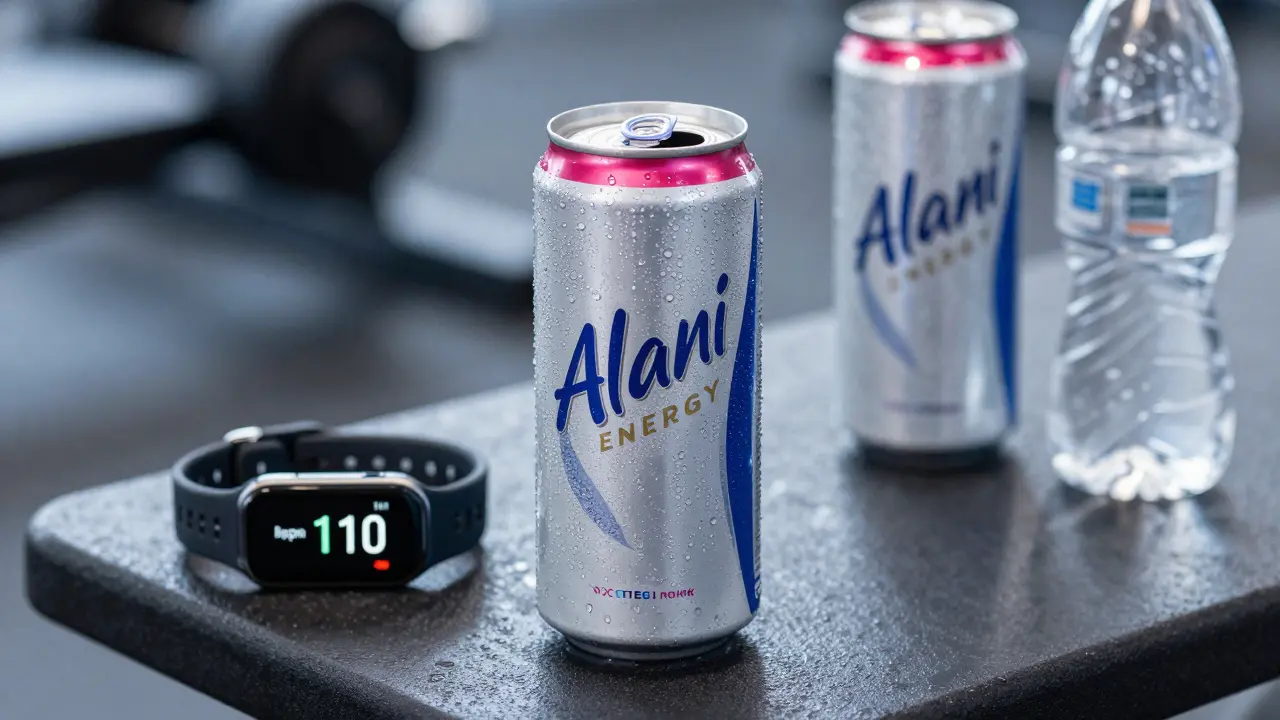
Alani Energy Drink is popular for its zero-sugar, low-calorie formula, but its 200 mg of caffeine and artificial sweeteners may pose health risks with daily use. Learn what's really in it and who should avoid it.
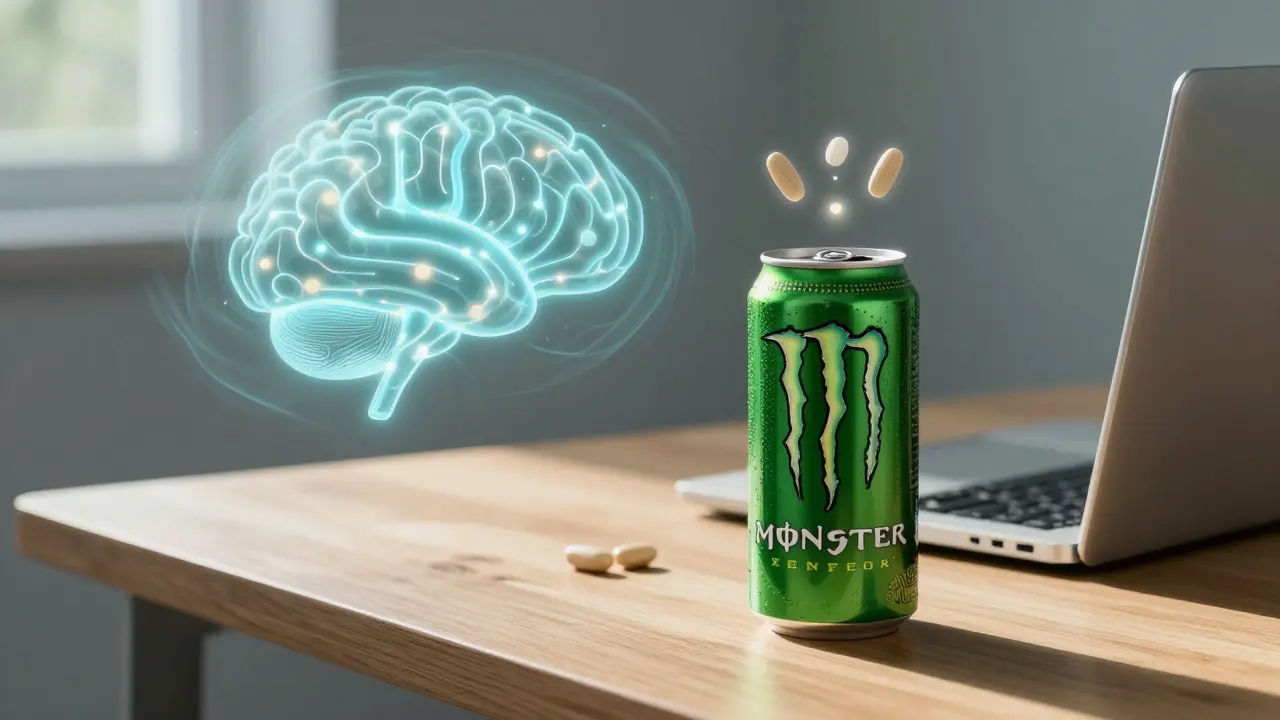
The green Monster energy drink delivers calm, focused energy without sugar crashes. With 140mg of caffeine and zero sugar, it's designed for steady mental performance-perfect for long workdays or study sessions.
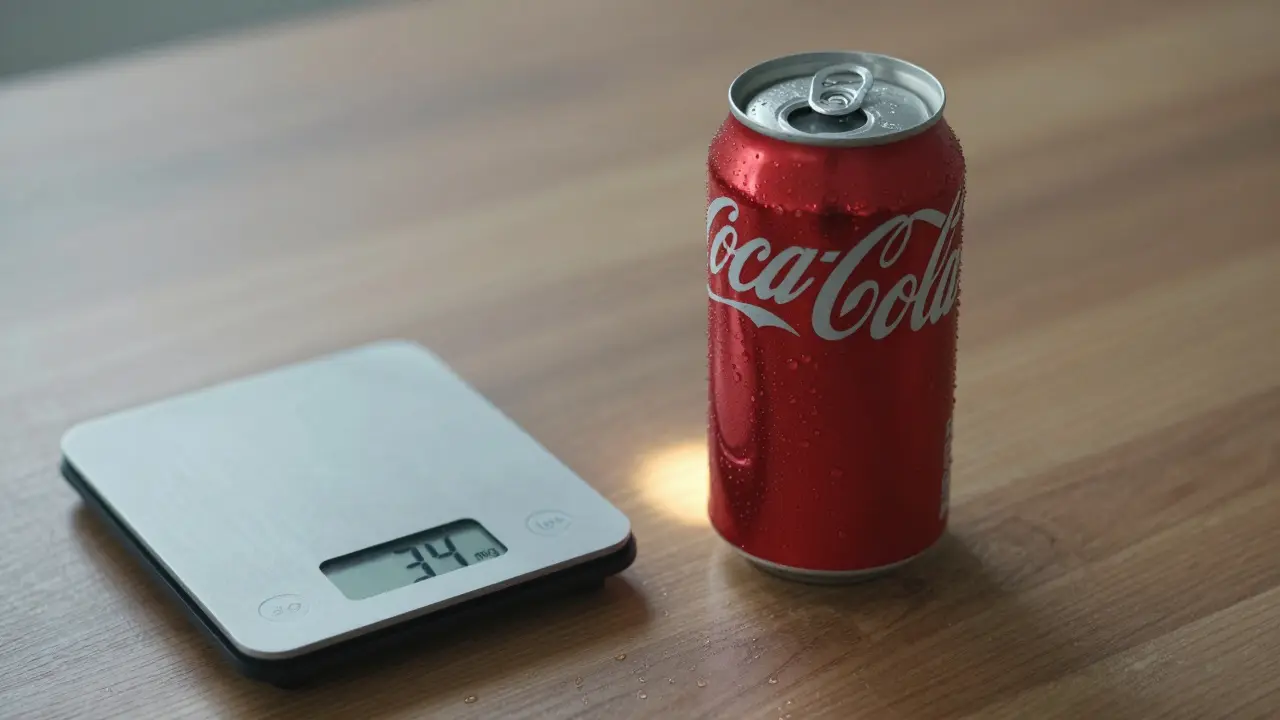
A 12-ounce Coke contains 34 mg of caffeine - less than coffee or energy drinks, but enough to affect sleep and health if consumed daily. Learn how it compares to Diet Coke, Red Bull, and safe daily limits.
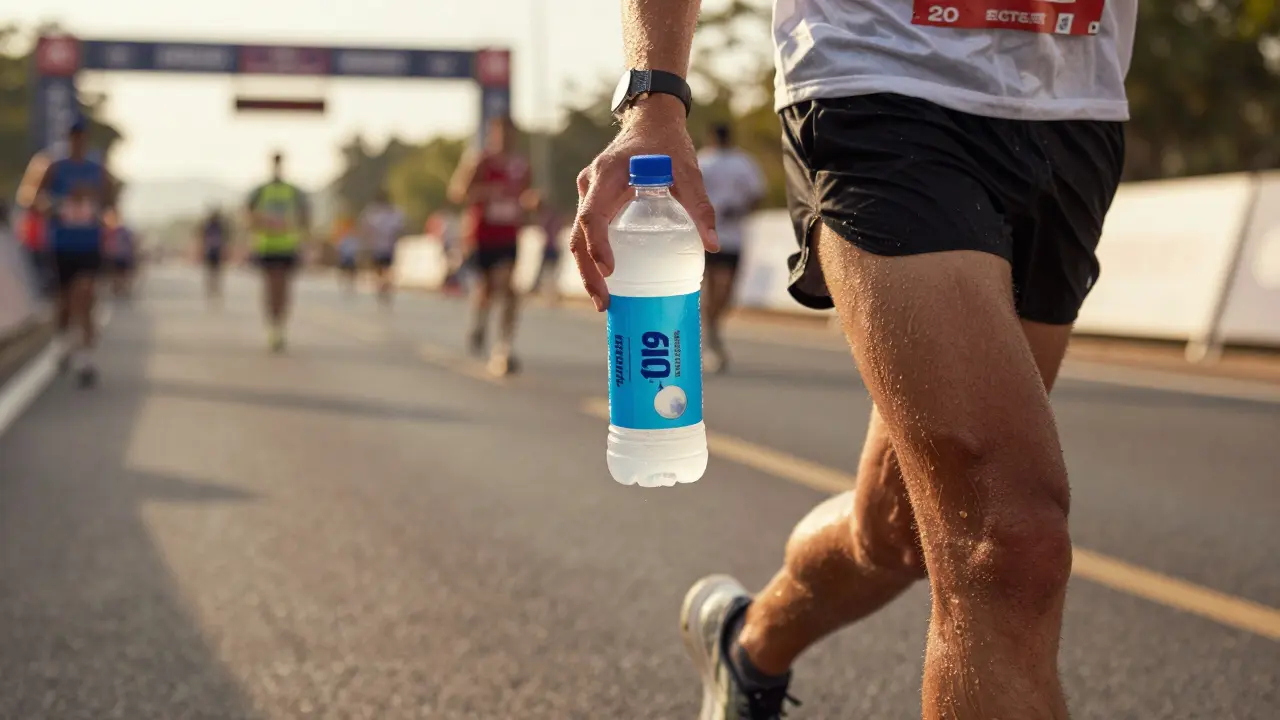
The best energy for athletes isn't found in flashy energy drinks-it's in carbs, electrolytes, and smart timing. Learn what actually fuels performance and what to avoid.
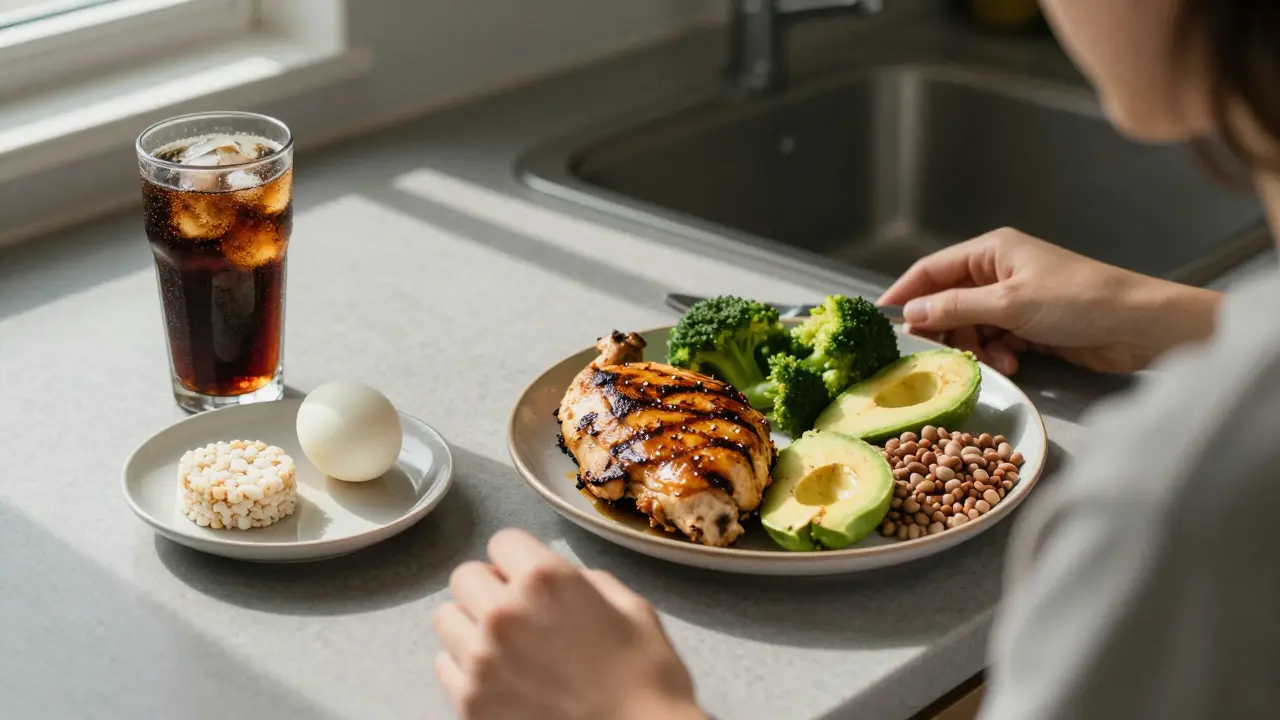
Is 1200 calories a day too little for safe weight loss? Learn why extreme restriction backfires, how to find your true calorie needs, and why low-calorie energy drinks won't help. Sustainable fat loss starts with fuel, not famine.
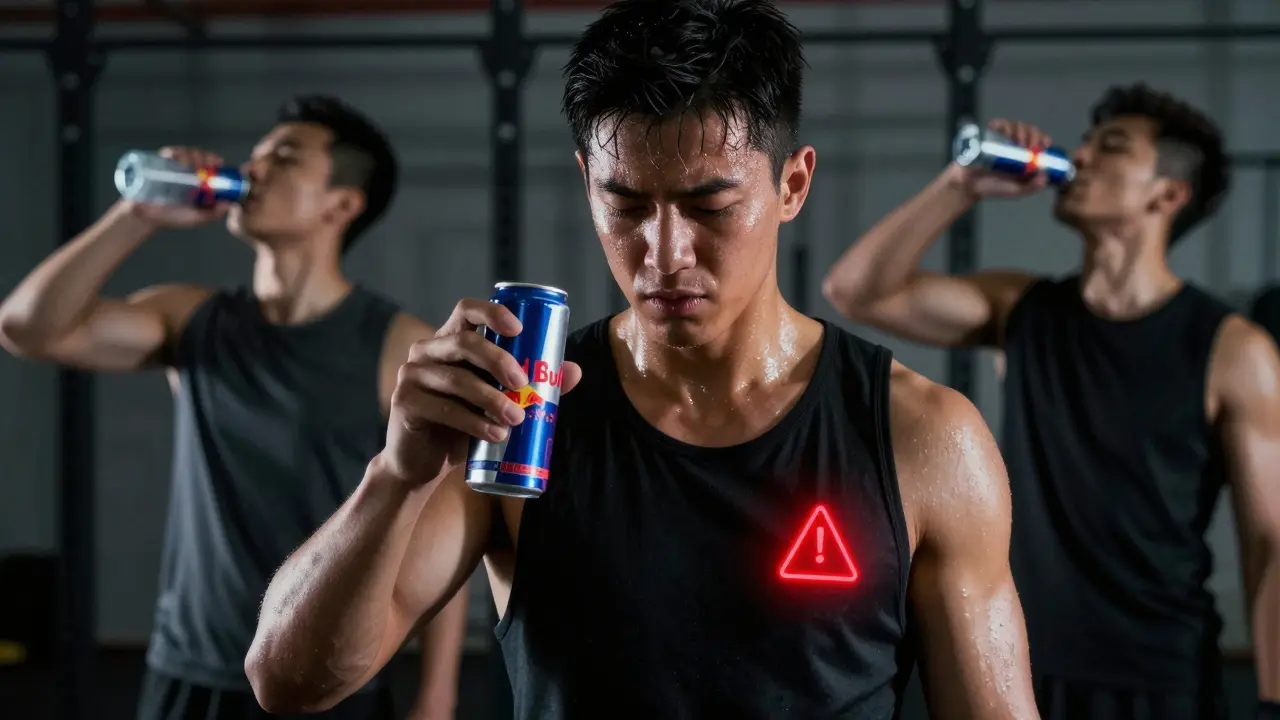
Red Bull isn't safe for everyone-even athletes. Learn who should avoid it due to heart risks, medications, pregnancy, age, or existing health conditions. Real advice for real performance.