
Is it illegal to have caffeine in alcohol? What you need to know about caffeine-alcohol mixes
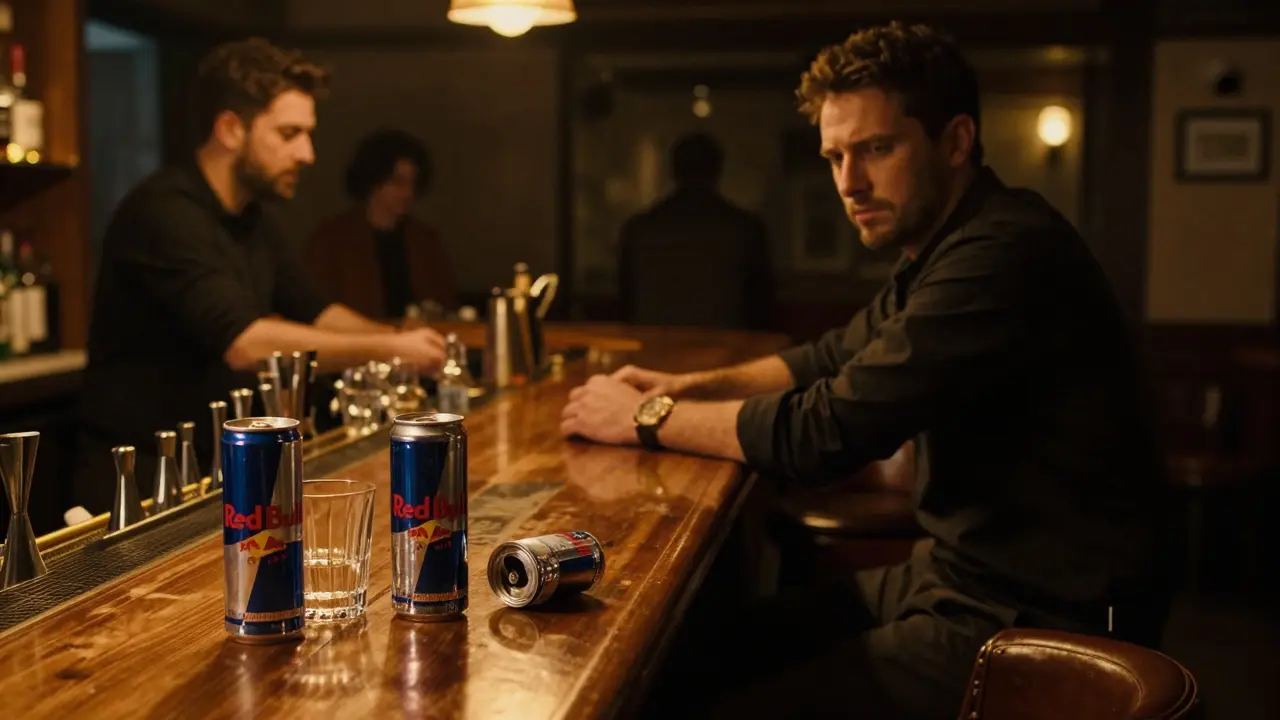
Back in 2010, the FDA cracked down on pre-mixed caffeinated alcoholic drinks like Four Loko, Joose, and Core High Gravity. They weren’t just controversial-they were banned. But that doesn’t mean mixing caffeine and alcohol is illegal today. The truth is more complicated, and it depends on where you are and how it’s made.
What happened to caffeinated alcoholic drinks?
In 2010, the U.S. Food and Drug Administration (FDA) issued warning letters to four major manufacturers of caffeinated alcoholic beverages. Their argument? Caffeine is not a safe food additive when added to alcohol. The FDA cited evidence that combining caffeine and alcohol masks the feeling of intoxication. People drink more, stay out longer, and are more likely to engage in risky behaviors-like drunk driving, sexual assault, or alcohol poisoning.
The result? Companies had to reformulate their products. Four Loko removed caffeine, guarana, and taurine from its formula. What you buy today is just alcohol, sugar, and flavoring. No stimulant. No energy boost. Just booze.
Is it illegal to mix caffeine and alcohol yourself?
No. It’s not illegal to pour a shot of espresso into your vodka, or add a Red Bull to your whiskey. The ban only applied to pre-mixed products sold as single beverages. You’re free to combine them at home, at a bar, or in your dorm room. But that doesn’t mean it’s safe-or smart.
Bars still serve drinks like “Vodka Red Bull” or “Jägerbombs.” These aren’t banned. They’re just not pre-packaged. The law targets manufacturers, not consumers. And since caffeine is a legal substance sold openly in coffee, soda, and energy drinks, mixing it with alcohol isn’t a criminal offense.
Why does the combination feel dangerous?
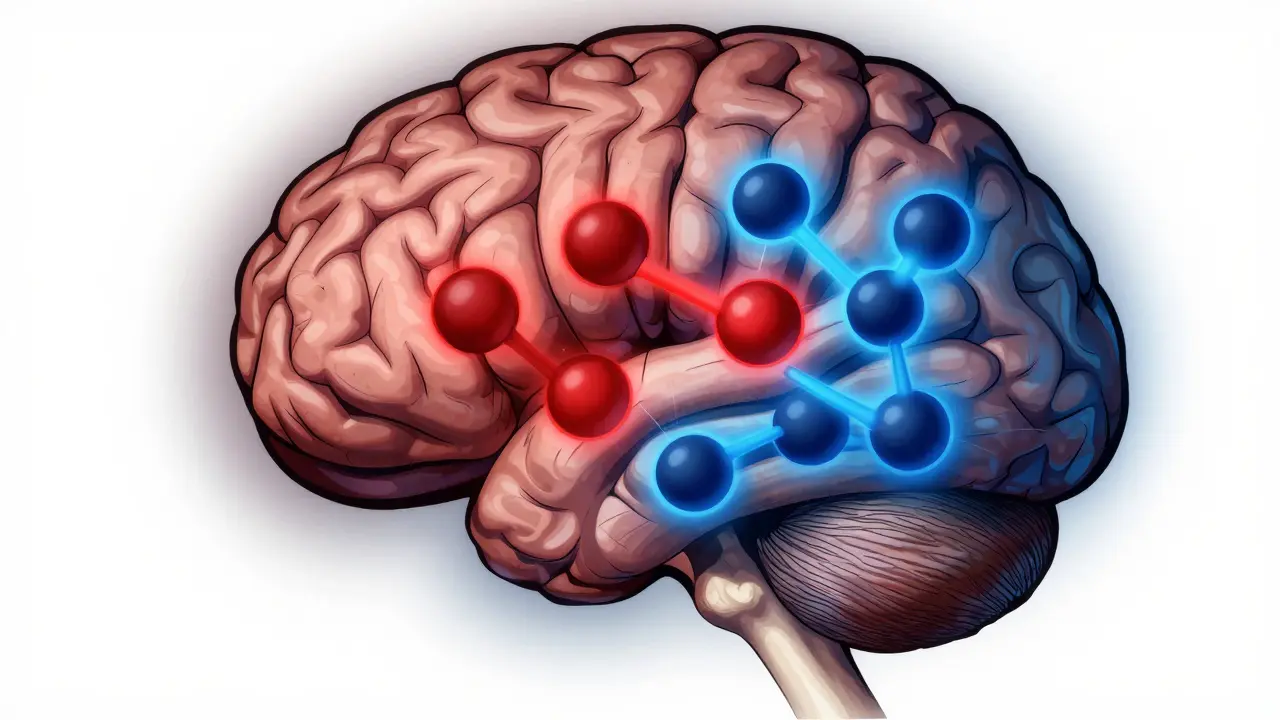
Caffeine blocks adenosine receptors in your brain-the same ones that make you feel tired. Alcohol depresses your central nervous system. When you mix them, caffeine tricks your brain into thinking you’re more alert than you are. You don’t feel drunk… so you keep drinking.
A 2015 study by the National Institute on Alcohol Abuse and Alcoholism found that people who mixed alcohol with energy drinks were:
- Twice as likely to binge drink
- Three times more likely to get behind the wheel while intoxicated
- More than twice as likely to be injured or need medical help
It’s not that caffeine makes alcohol stronger. It’s that it hides how strong alcohol already is.
What about sports energy drinks?
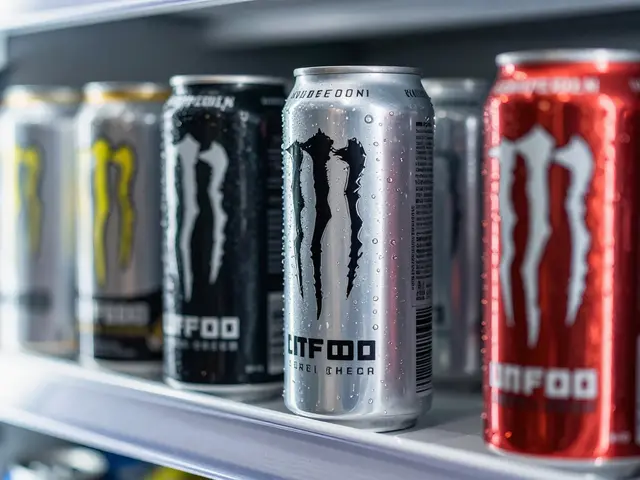
Many athletes use energy drinks to stay sharp during training. But those drinks are designed for performance, not intoxication. They contain 80-160 mg of caffeine per serving-similar to a strong coffee. When athletes drink them before or after a workout, it’s about focus and endurance.
But when someone drinks an energy drink and then drinks alcohol, they’re not optimizing performance-they’re gambling with their safety. The body processes caffeine and alcohol differently. Caffeine is metabolized by the liver in about 5 hours. Alcohol takes longer. That means caffeine wears off before the alcohol does. You think you’re sober… but you’re still drunk.
What do health experts say?
The American Medical Association (AMA) and the Centers for Disease Control and Prevention (CDC) both warn against mixing caffeine and alcohol. The CDC calls it a “public health concern.” The AMA has pushed for clearer labeling on energy drinks and stronger enforcement against marketing them to underage drinkers.
Even in countries where these drinks are still sold (like parts of Europe), health agencies recommend strict limits. In Australia, energy drinks must carry warnings against mixing with alcohol. In Canada, the maximum caffeine content in a single drink is capped at 180 mg.
What’s the bottom line?
It’s not illegal to mix caffeine and alcohol. But it’s risky. And it’s not worth it.
If you’re drinking alcohol, stick to alcohol. If you need energy, get it from water, sleep, or a snack-not a cocktail with a stimulant. Your brain, liver, and heart will thank you.
What about minors?
Even if you’re under 21, you can still buy energy drinks. You can’t legally buy alcohol. But if you’re drinking alcohol illegally and mixing it with an energy drink? You’re breaking two laws: one for underage drinking, one for consuming a substance that impairs judgment. The consequences can include fines, community service, or even a criminal record.
Can you get in trouble at a bar?
Bars aren’t legally required to stop you from ordering a Red Bull and vodka. But many bartenders refuse to make them. Some bars have policies against serving energy drink-alcohol combos. Why? Because they’ve seen the aftermath. Emergency room visits. Brawls. Car crashes. They don’t want to be part of it.
What’s the safest option?
- Don’t mix caffeine and alcohol at all.
- If you drink alcohol, drink it slowly and with water in between.
- If you need an energy boost, try a protein bar, a short walk, or a nap.
- Never use caffeine to “sober up.” Only time removes alcohol from your system.
There’s no magic formula to make alcohol safer. No amount of caffeine can undo its effects. The only thing that works is waiting.
Comments (8)
Tina van Schelt
26 Feb 2026
I used to mix Red Bull with vodka like it was nothing. Then I woke up in a hospital after passing out at a party and nearly missing my sister’s wedding. Don’t be that person. Your future self will thank you. Seriously. Just say no.
Also, coffee + whiskey at 2 a.m.? That’s not a drink. That’s a cry for help.
Ronak Khandelwal
27 Feb 2026
Life’s too short to chase buzzes with caffeine and alcohol 🤔☕🍷
Think about it - caffeine says 'I’m awake!' while alcohol whispers 'I’m done.' They’re having a civil war inside your body, and you’re the battlefield.
Why not just chill? Drink water. Dance barefoot. Laugh till your stomach hurts. No stimulants needed. Your soul deserves better than a chemical tug-of-war 💫
Jeff Napier
27 Feb 2026
FDA banned pre-mixed drinks? Classic government overreach. You think they care about safety? Nah. They’re scared of the energy drink industry’s profits. Big Pharma doesn’t want you mixing cheap caffeine with cheap booze - they want you buying their $15 'sleep aids' and 'anxiety meds'.
Also, Jägerbombs are a rite of passage. If you’re too scared to drink them, you’re probably the type who uses a toothbrush with a built-in sensor.
Sibusiso Ernest Masilela
1 Mar 2026
Let’s be real - if you’re mixing caffeine and alcohol, you’re not a 'social drinker,' you’re a walking liability. You’re the person who thinks 'I’m fine' after 4 shots and 2 Red Bulls while trying to flirt with someone who’s clearly not interested.
And you wonder why your career went nowhere? Because you confuse stimulation with competence. You think energy drinks make you sharp? No. They make you delusional. And you’re embarrassing your entire generation.
Daniel Kennedy
2 Mar 2026
I get it - people want to stay up late, party hard, feel alive. But mixing caffeine and alcohol is like driving with one foot on the gas and one on the brake. You think you’re in control, but you’re just making the crash worse.
Here’s what actually helps: hydration, pacing yourself, eating before drinking. And if you need energy? Go for a walk. Call a friend. Listen to music. Real life doesn’t need chemicals to feel good.
I’ve seen too many people end up in ERs because they thought they could 'outdrink' the system. You can’t. And you don’t have to.
Taylor Hayes
3 Mar 2026
I used to think mixing caffeine and alcohol made me seem cool. Then I realized I was just making myself a walking accident waiting to happen.
Now I drink water between drinks. I eat snacks. I sleep. And honestly? I have better nights. Less regret. More laughter.
You don’t need stimulants to be fun. You just need presence. And maybe a little self-respect.
Sanjay Mittal
5 Mar 2026
In India, energy drinks are popular among students pulling all-nighters. But when paired with alcohol? That’s a recipe for disaster. I’ve seen friends pass out in hostels. One guy got admitted for arrhythmia after a 'party night.' Caffeine doesn’t help you study or party - it just delays the crash. And when it hits? It hits hard.
Mike Zhong
7 Mar 2026
The FDA didn’t ban it because it’s dangerous. They banned it because they’re terrified of corporate power. The real issue? The alcohol industry doesn’t want you mixing your own drinks - they want you buying their overpriced, pre-mixed nonsense. This whole thing is a profit-driven lie wrapped in public health rhetoric.