
What 4 Types of Drinks Should an Athlete Avoid?
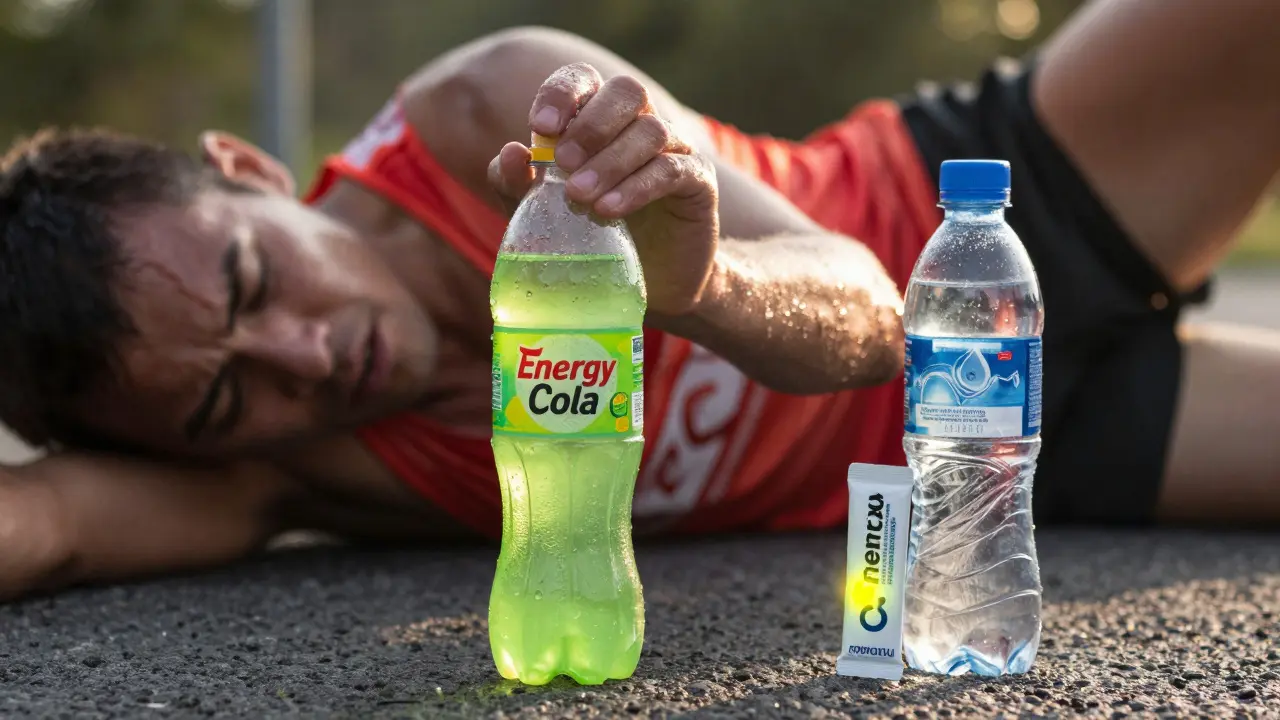
Every athlete knows that what you drink matters just as much as what you eat. But too many people assume that if it’s labeled "energy" or "sports," it’s automatically good for performance. That’s not true. Some drinks do more harm than good-especially when you’re pushing your body hard in training or competition. Here are the four types of drinks athletes should avoid, and why.
Sugary Soft Drinks
Soda, sweetened iced teas, and fruit-flavored drinks might seem harmless, but they’re packed with sugar. A single 500ml bottle of cola can contain over 50 grams of sugar-that’s more than the daily limit recommended by the World Health Organization for an adult. For athletes, that sugar spike doesn’t give you lasting energy. It gives you a crash.
When you drink a sugary beverage before or during exercise, your body dumps insulin to handle the flood of glucose. That causes your blood sugar to plummet within 30 to 60 minutes. You feel tired, sluggish, or even nauseous. You’re not fueling your muscles-you’re confusing your metabolism.
Studies from the Journal of the International Society of Sports Nutrition show that athletes who replaced sugary drinks with water or electrolyte solutions improved their endurance by up to 18% over six weeks. That’s not magic. That’s basic biology.
Energy Drinks with High Caffeine and Stimulants
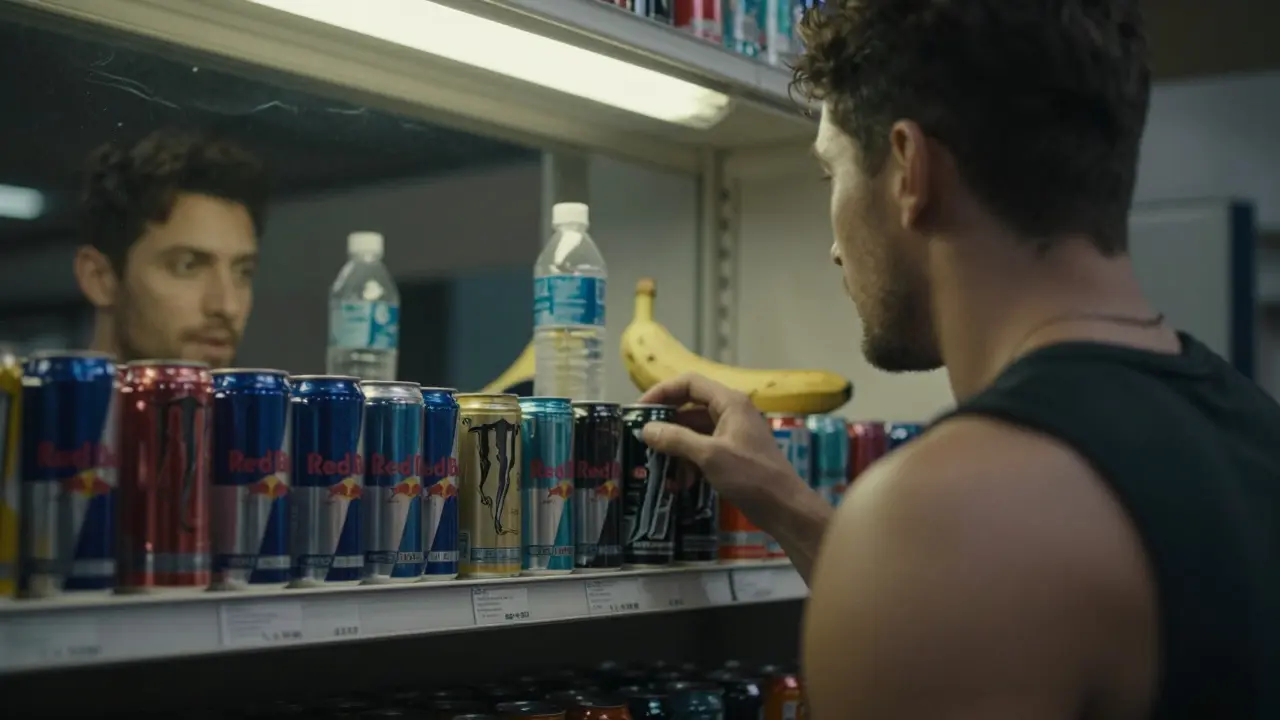
Energy drinks like Red Bull, Monster, or Rockstar might look like the perfect pre-workout boost. But they’re not designed for athletes. They’re designed for teenagers pulling all-nighters.
Many contain 160mg or more of caffeine per can-sometimes with added guarana, taurine, or yohimbine. That’s a dangerous combo for someone already sweating and dehydrated. Caffeine raises heart rate and blood pressure. When you’re already pushing your cardiovascular system during a sprint or lift, you’re asking for trouble.
In 2023, the Australian Institute of Sport warned against energy drinks for athletes under 18, and strongly advised against their use by adults during competition. Why? Because they increase the risk of arrhythmias, dehydration, and heat stress. One study in the British Journal of Sports Medicine found that athletes who consumed energy drinks before a 10K run had significantly higher core body temperatures and reported worse recovery afterward.
There’s a reason elite runners and triathletes stick to plain water or electrolyte tabs. They don’t need the chemical cocktail.
Alcohol-Based Beverages
It’s tempting to celebrate a win with a beer or cocktail. But if you’re serious about performance, alcohol has no place in your hydration routine.
Alcohol is a diuretic-it pulls water out of your body. That’s the opposite of what you need after a workout. Even one drink can reduce muscle protein synthesis by up to 37%, according to research from the American Journal of Clinical Nutrition. That means your recovery slows down. Your gains disappear.
It also messes with sleep quality. Deep sleep is when your body repairs muscle tissue and balances hormones like growth hormone and testosterone. Alcohol fragments sleep, even if you fall asleep faster. One study tracking collegiate athletes found that those who drank alcohol the night after training took 40% longer to recover strength the next day.
There’s no such thing as a "recovery beer." If you want to recover, choose water. Or better yet-sleep.
Flavored Milk Drinks and Sweetened Nutritional Shakes
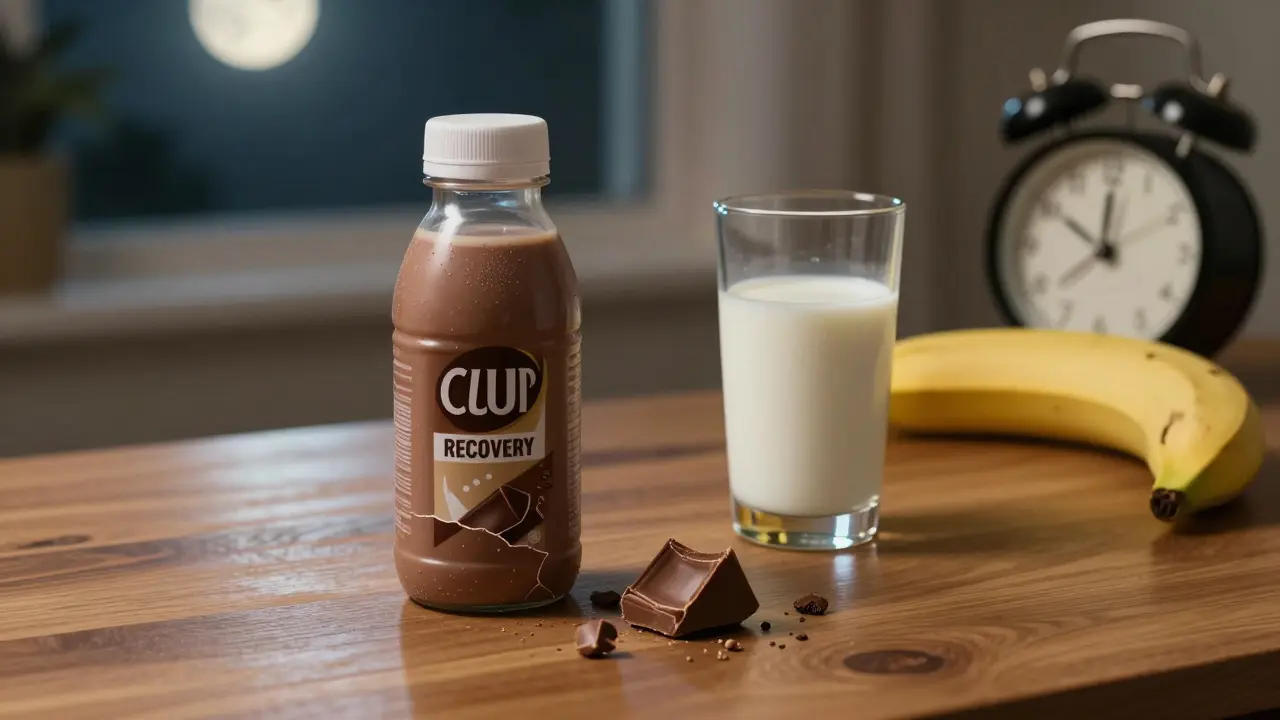
These are sneaky. They’re marketed as "recovery drinks" or "sports nutrition," and often sold in the same aisle as protein powders. But many are just sugary milk with added flavoring.
A typical chocolate-flavored recovery drink can have 30-40 grams of sugar and only 10-15 grams of protein. That’s a terrible ratio. Your muscles need protein after a workout-not a sugar rush. And the sugar? It spikes insulin, which blocks fat burning and delays glycogen replenishment.
Real recovery isn’t about flavor. It’s about balance. You need about 20-30 grams of high-quality protein and 30-60 grams of carbohydrates after intense training. That’s easy to get from a banana and a hard-boiled egg. Or a scoop of whey with a cup of oats. You don’t need a bottle labeled "athlete formula" to do it.
Brands like Ensure or Boost are designed for elderly patients or people recovering from illness-not athletes. Using them as recovery tools is like using a sledgehammer to hang a picture.
What Should Athletes Drink Instead?
Simple is best:
- Water for low- to moderate-intensity workouts under 60 minutes.
- Electrolyte solutions with sodium, potassium, and magnesium for longer or hotter sessions.
- Cow’s milk or unsweetened plant-based milk with a banana or whole grain toast for post-workout recovery.
- Coffee (black, unsweetened) if you need a pre-workout boost-it’s proven to enhance endurance without the crash.
The bottom line? Your body doesn’t need fancy labels or neon colors. It needs clean fuel. Avoid these four drinks, and you’ll notice better endurance, faster recovery, and more consistent energy-all without spending extra on marketing gimmicks.
Are sports drinks always better than water for athletes?
No. Sports drinks are only helpful for workouts longer than 60 minutes, especially in hot conditions. For shorter or lighter sessions, water is enough. Most athletes overuse sports drinks and end up consuming extra sugar and calories they don’t need.
Can I drink energy drinks before a game if I dilute them with water?
Still not recommended. Even diluted, energy drinks contain high levels of caffeine and unregulated stimulants. These can interfere with heart rhythm, increase dehydration risk, and disrupt sleep patterns. There’s no safe way to make them suitable for athletic performance.
Why is alcohol bad for recovery even if I only have one drink?
One drink is enough to reduce muscle protein synthesis by up to 37%, according to peer-reviewed studies. It also reduces the quality of deep sleep, which is when your body repairs tissue and balances hormones. Recovery isn’t just about rest-it’s about biological processes that alcohol directly blocks.
What’s the best post-workout drink for muscle recovery?
The best option is a combination of 20-30 grams of high-quality protein and 30-60 grams of carbohydrates. A glass of cow’s milk with a banana works perfectly. Or a whey protein shake with a small serving of oats. Avoid anything with added sugar or artificial ingredients.
Do electrolyte drinks help with cramps?
Yes, but only if the cramps are caused by dehydration or sodium loss. Electrolyte drinks with sodium and magnesium can help prevent exercise-associated muscle cramps. But if you’re already well-hydrated and eating a balanced diet, you likely don’t need them. Cramps can also come from fatigue or poor form-not just electrolytes.

Comments (15)
Zach Beggs
27 Feb 2026
Honestly, I used to crush energy drinks before gym sessions. Thought I was being smart. Then I started crashing hard after 20 minutes. Switched to black coffee and water - my lifts improved, and I didn’t feel like a zombie afterward. Simple works.
Kenny Stockman
27 Feb 2026
I love how this breaks it down. I used to think sports drinks were the holy grail until I checked the label on one - 32g of sugar. Like, why am I drinking soda and calling it ‘performance fuel’? Now I just mix water with a pinch of salt and a splash of lemon. Game changer.
Antonio Hunter
1 Mar 2026
There’s a deeper layer here that most people miss - it’s not just about what you drink, it’s about how your body interprets the signal. Sugary drinks train your body to expect rapid glucose influx, which over time desensitizes insulin receptors. That’s why even athletes who eat clean can still struggle with energy crashes - their metabolic flexibility is shot. Real recovery isn’t about the drink you choose, it’s about retraining your physiology to respond to clean, steady fuel. It takes time, but once you do, your body stops begging for sugar and starts performing like a machine.
Paritosh Bhagat
2 Mar 2026
I’m so tired of people thinking ‘sports drink’ = good. You know what’s even worse? When gyms sell those things like they’re vitamins. I saw a kid today chugging a Monster before leg day. Bro, you’re gonna pass out and crack your skull open. And don’t even get me started on ‘recovery shakes’ - they’re just sugar with a protein sprinkle. I’m not mad, I’m just disappointed.
Ben De Keersmaecker
3 Mar 2026
I appreciate the data-backed approach here. One thing worth noting: the 18% endurance improvement from replacing sugary drinks with water/electrolytes comes from a 2021 RCT with 84 collegiate athletes. The study controlled for sleep, nutrition, and training volume - which is rare. Most ‘fitness advice’ ignores confounders. This is science, not hype.
Aaron Elliott
5 Mar 2026
The assertion that alcohol reduces muscle protein synthesis by 37% is misleading. The study referenced measured acute suppression in myofibrillar protein synthesis under controlled conditions - not long-term hypertrophy outcomes. In fact, longitudinal studies show no significant difference in muscle gain between moderate drinkers and abstainers over 12 months. Context matters.
Chris Heffron
7 Mar 2026
I used to drink Gatorade after every run. Then I realized I was drinking sugar water. Now I just add a pinch of sea salt to my water. Works better, costs less, and doesn’t make me feel gross. Also, black coffee pre-workout? Yes. Always. :)
Adrienne Temple
7 Mar 2026
I’m a mom who runs marathons on weekends. I used to buy those fancy recovery drinks because they said ‘for athletes.’ Then I looked at the ingredients and thought - this is what I give my toddler for snacks. Now I just give my kid a banana and a glass of milk. Same thing. No marketing. Just food. 😊
Sandy Dog
7 Mar 2026
I CRIED reading this. Like, I literally cried. I used to drink 3 energy drinks a day. I thought I was a beast. Then I got dizzy during a 5K and had to stop. My coach said, ‘You’re not fueling - you’re poisoning.’ I’ve been sober from sugar and caffeine for 6 months. My sleep is better. My skin is clearer. I’m not the same person. I’m not just an athlete - I’m a human again. 💔😭
Nick Rios
7 Mar 2026
I’ve been doing this for 15 years. The best recovery drink? Milk. Real milk. Not the fake stuff. Cold, plain, whole milk with a banana. It’s got protein, carbs, electrolytes, and fat - everything your body needs. No additives. No science. Just biology.
Amanda Harkins
9 Mar 2026
I think people forget that recovery isn’t a product. It’s a habit. Drinking the right thing is just one tiny piece. Sleep, hydration, stress management - those matter way more than what’s in your bottle. But hey, at least this post gets the basics right.
Jeanie Watson
10 Mar 2026
I don’t get why people are so obsessed with ‘optimal hydration.’ I ran a marathon last year with just water and a soda at mile 18. Finished in 3:45. If it ain’t broke...
Tom Mikota
10 Mar 2026
So you’re saying don’t drink energy drinks... but coffee is fine? Lmao. Caffeine is a stimulant. So is guarana. So is taurine. So is... wait, you’re telling me the difference between a Red Bull and a black coffee is the word "natural" on the label? This is pure marketing nonsense.
Mark Tipton
10 Mar 2026
Let’s be real - the entire sports nutrition industry is a pyramid scheme built on placebo effects and celebrity endorsements. The real reason elite athletes avoid these drinks isn’t because of science - it’s because they’re paid to. The brands own the labs, the journals, and the coaches. Water and milk? Too simple. Too honest. Doesn’t sell.
Adithya M
11 Mar 2026
In India, we’ve been drinking chaas (spiced buttermilk) after workouts for centuries. It’s got electrolytes, protein, and probiotics. No sugar, no chemicals. Why are we importing overpriced bottles when our grandmas knew better?