
Energy Drinks for Athletes: What You Need to Know
If you’re an athlete, you already know how important energy is when you’re training or competing. Energy drinks promise a quick boost, but how do they really work with your body’s fuel system? Understanding what your body burns first during exercise helps you choose the best fuel, whether it’s food or a drink.
What Fuels Your Body First?
Your body runs on three main sources: carbohydrates, fats, and proteins. When you start exercising, your muscles use carbs first because they provide quick energy. Fat kicks in during longer workouts for steady fuel, while protein helps mainly with recovery and muscle repair. Energy drinks mostly support that quick carb burst with sugars and caffeine to get you moving faster. Knowing this helps you pick the right energy drink or snack when you need a fast lift.
Are Energy Drinks Safe for Athletes?
Energy drinks like Red Bull contain caffeine, taurine, and B vitamins. These ingredients can help sharpen your focus and energy but can also raise questions about hormone effects. One common question is whether Red Bull affects testosterone levels. Current research hasn’t found clear evidence that it lowers testosterone in athletes. Still, moderation is key—too much caffeine might affect sleep and recovery, which are crucial for performance.
Besides drinks, instant energy foods like bananas, nuts, or granola bars provide a steady boost. Eating these along with drinking energy supplements can give you lasting performance that doesn’t crash halfway through your workout. Try timing your snack or drink about 30 to 60 minutes before training for best results.
Remember, energy drinks aren't magic but tools. Use them wisely along with a balanced diet to keep your energy steady and your body strong. Future workouts and your game will thank you for it.
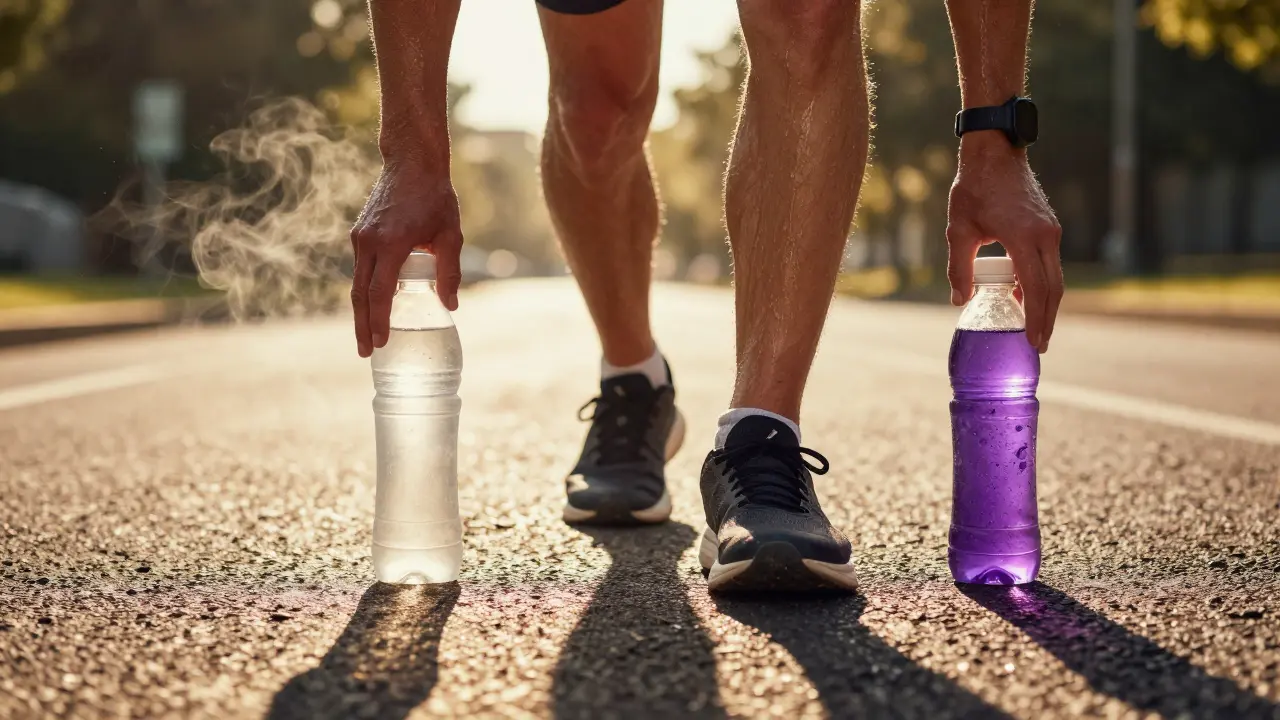
Discover the optimal hydration strategy for athletes beyond plain water. Learn how electrolytes, carbs, and timing impact performance.
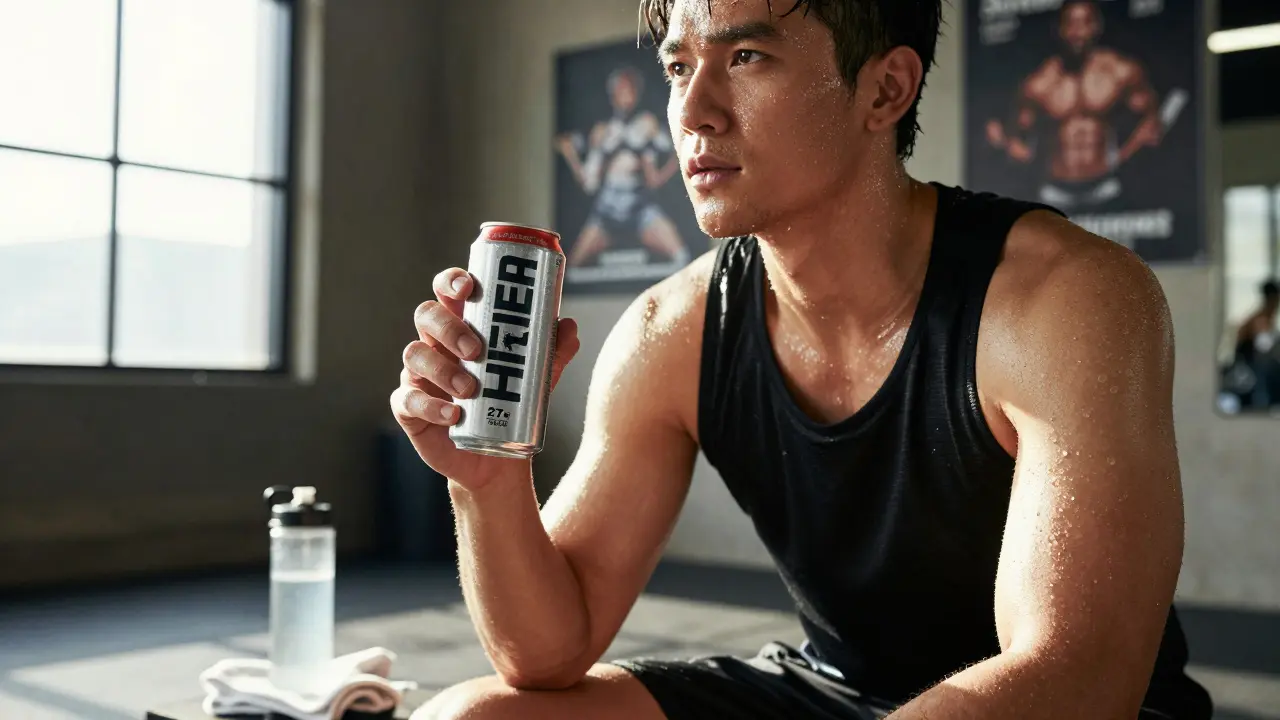
Energy drinks can give a short-term boost during workouts, but their sugar, caffeine, and dehydration risks often outweigh the benefits. Learn when they help-and when to skip them.
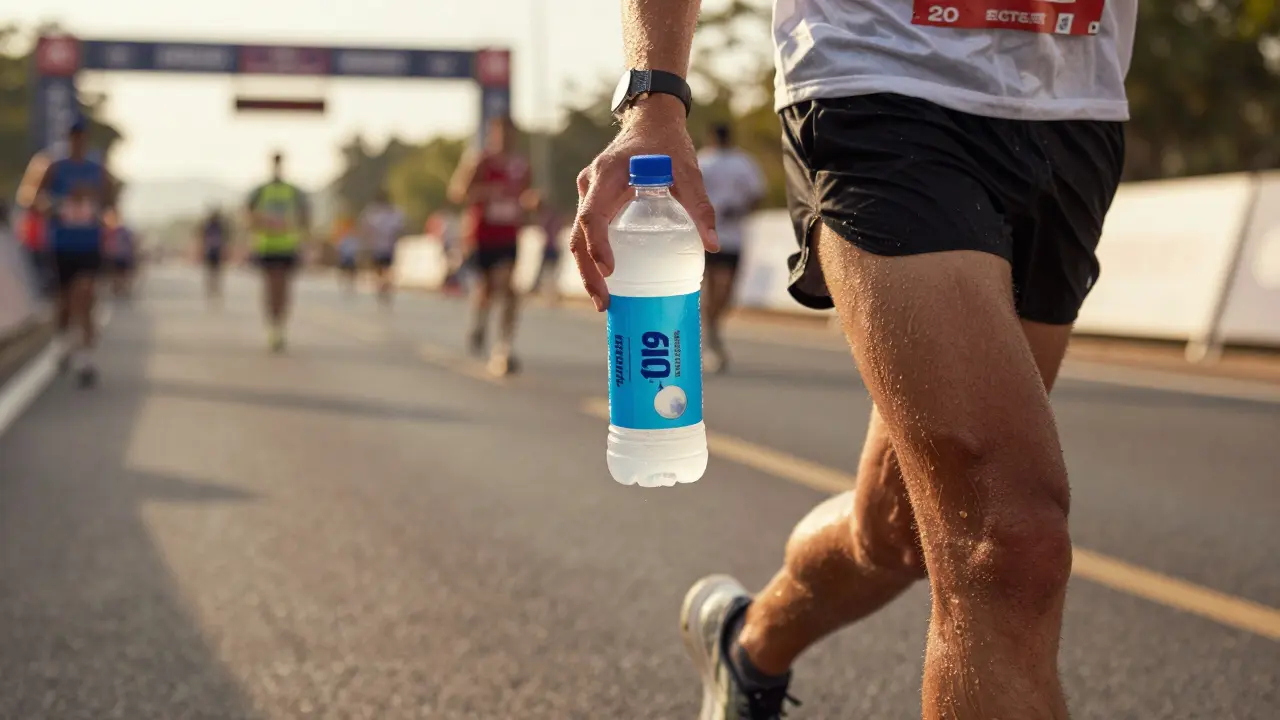
The best energy for athletes isn't found in flashy energy drinks-it's in carbs, electrolytes, and smart timing. Learn what actually fuels performance and what to avoid.
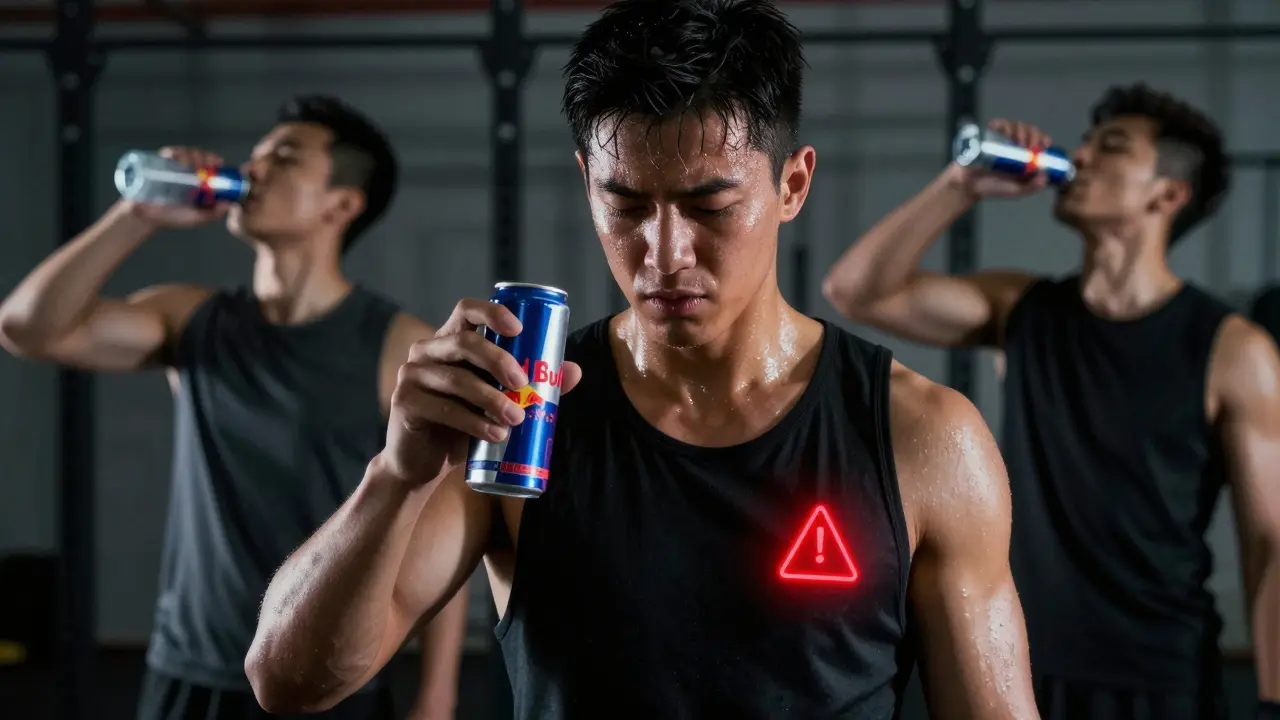
Red Bull isn't safe for everyone-even athletes. Learn who should avoid it due to heart risks, medications, pregnancy, age, or existing health conditions. Real advice for real performance.
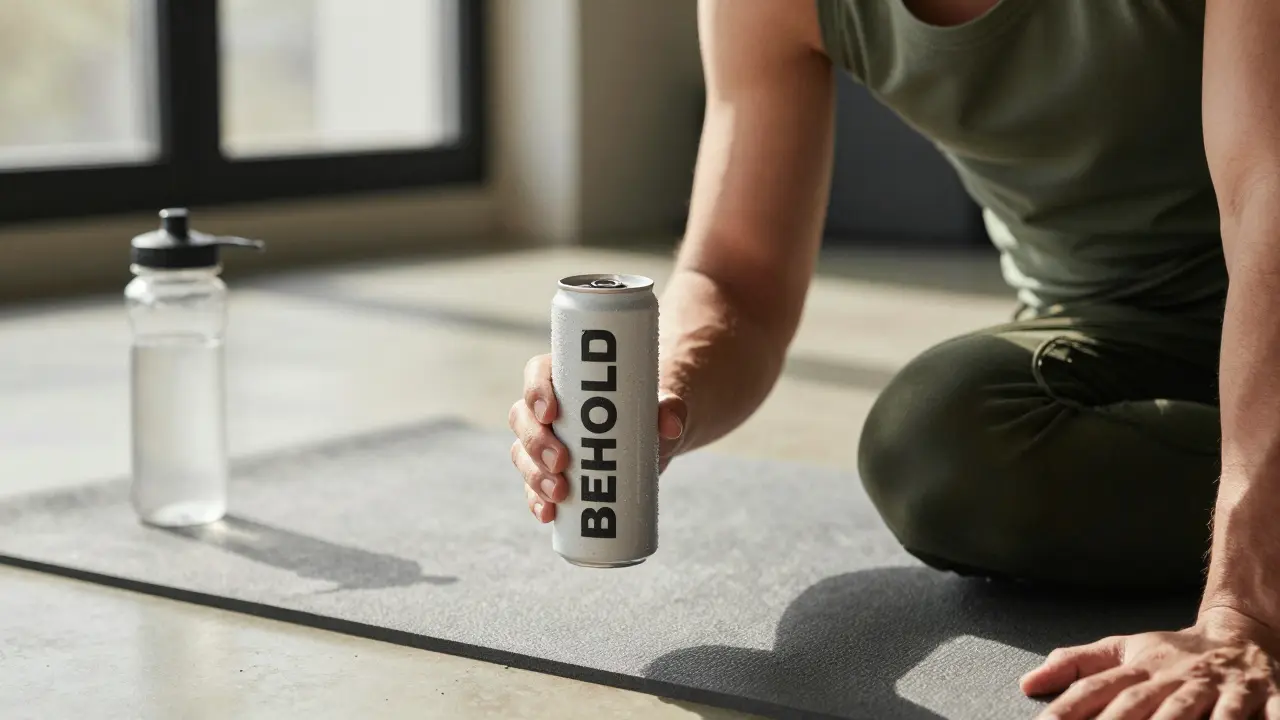
The healthiest energy drink for athletes is low in sugar, rich in electrolytes, and uses natural caffeine. Brands like Behold and Guayaki Yerba Mate lead the pack, while DIY coconut water options offer a clean, affordable alternative.
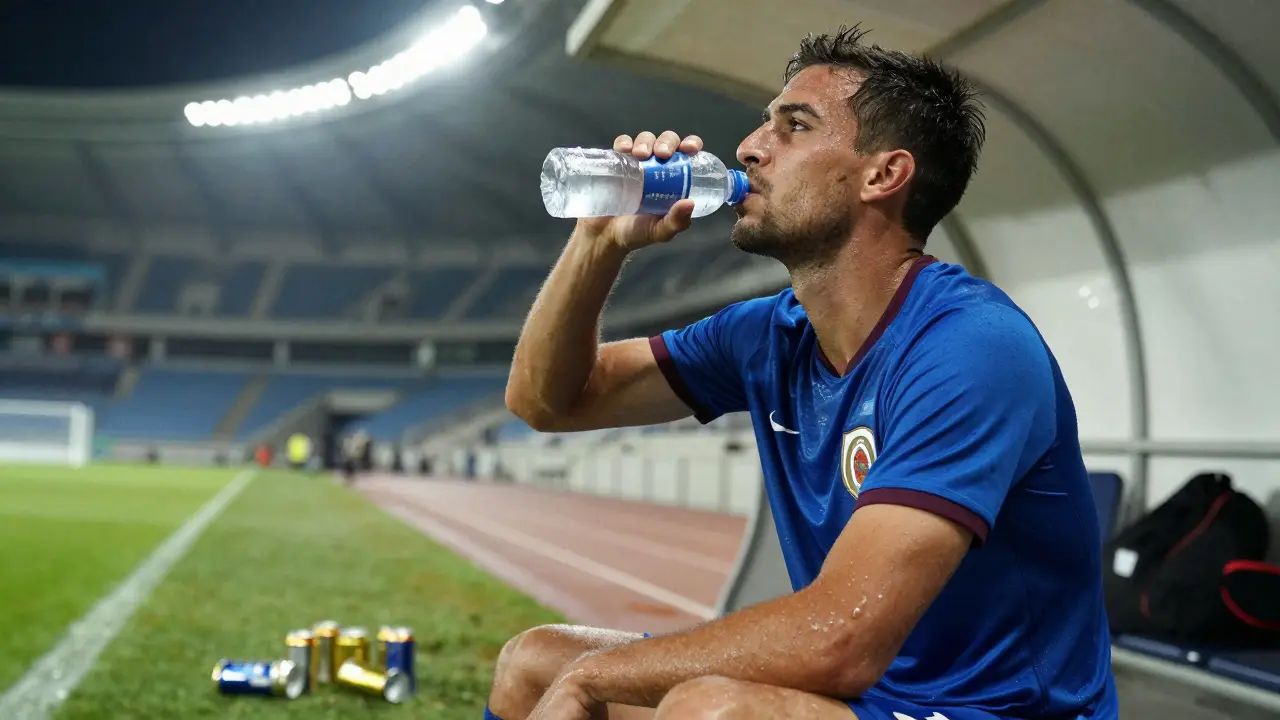
Energy drinks may seem like a quick boost for athletes, but they're loaded with sugar, caffeine, and empty stimulants that hurt performance, hydration, and recovery. Here's why elite athletes avoid them.

Energy drinks aren't safe for everyone. Teens, people with heart conditions, pregnant women, and those on certain medications should avoid them. Learn who's at risk and what to drink instead.
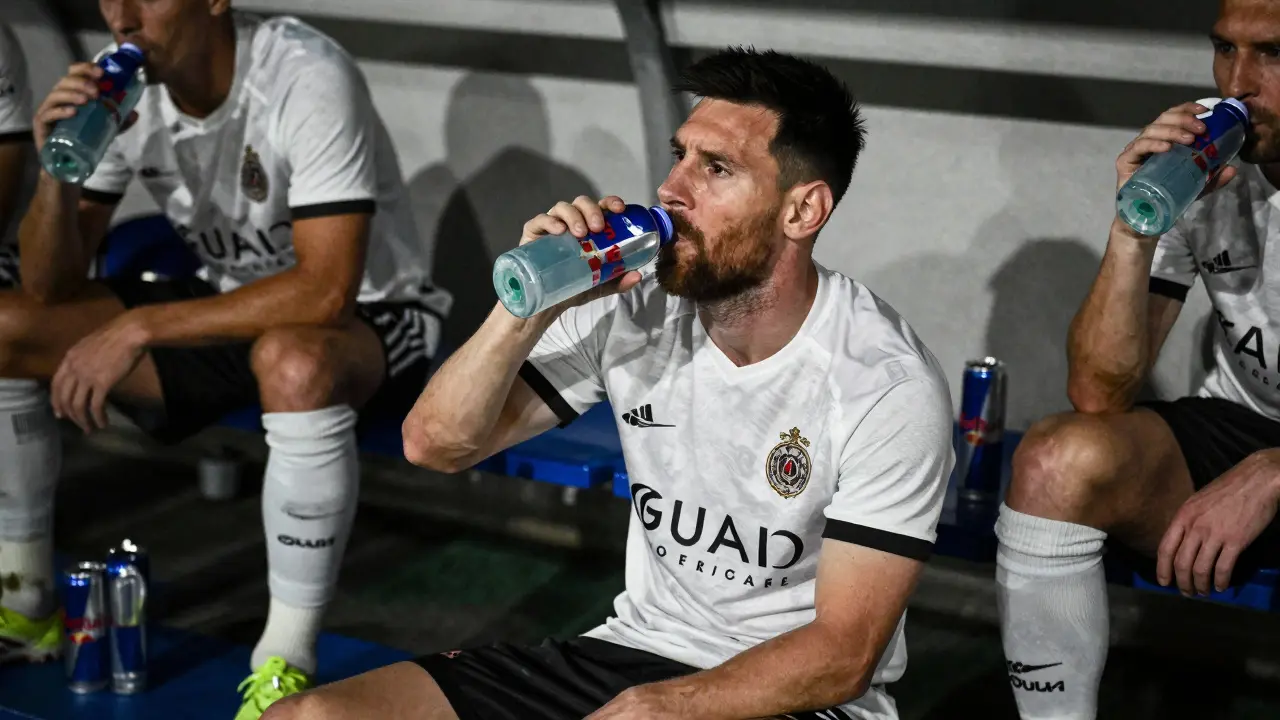
Most pro athletes avoid Red Bull due to its high sugar content and lack of performance benefits. Learn what they actually drink for energy, why caffeine works better in capsule form, and how to fuel like a pro without the hype.
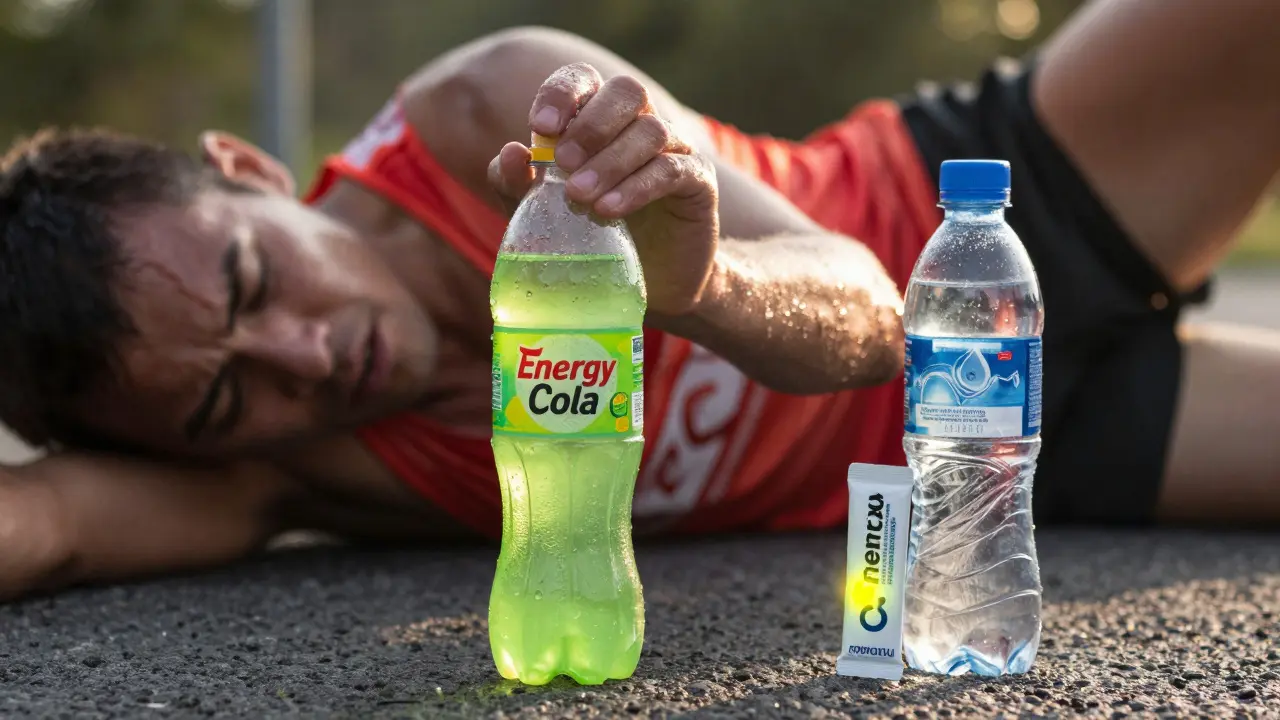
Athletes should avoid sugary sodas, energy drinks, alcohol, and sweetened recovery shakes. These drinks hurt performance, delay recovery, and disrupt hydration. Simple, clean fluids like water and electrolyte solutions are far more effective.
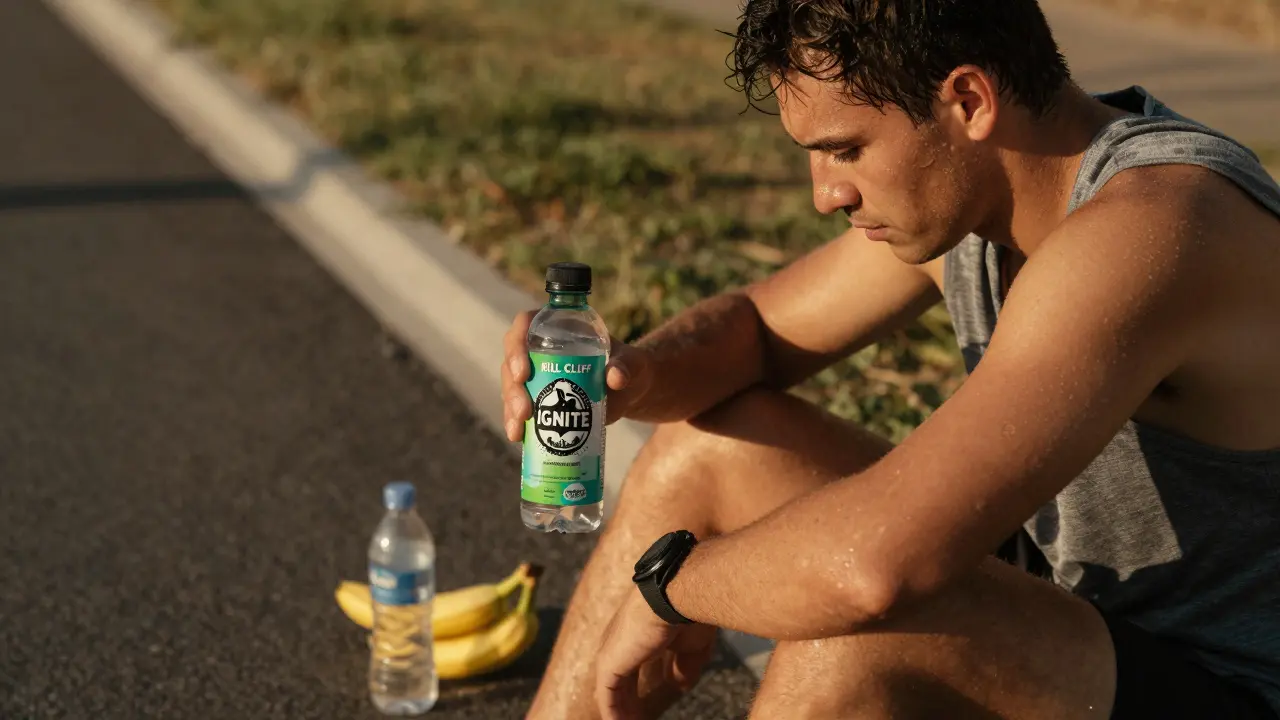
The best energy drink for weakness isn't about caffeine-it's about electrolytes, low sugar, and balanced nutrients. Discover which drinks actually help athletes recover and which ones make fatigue worse.
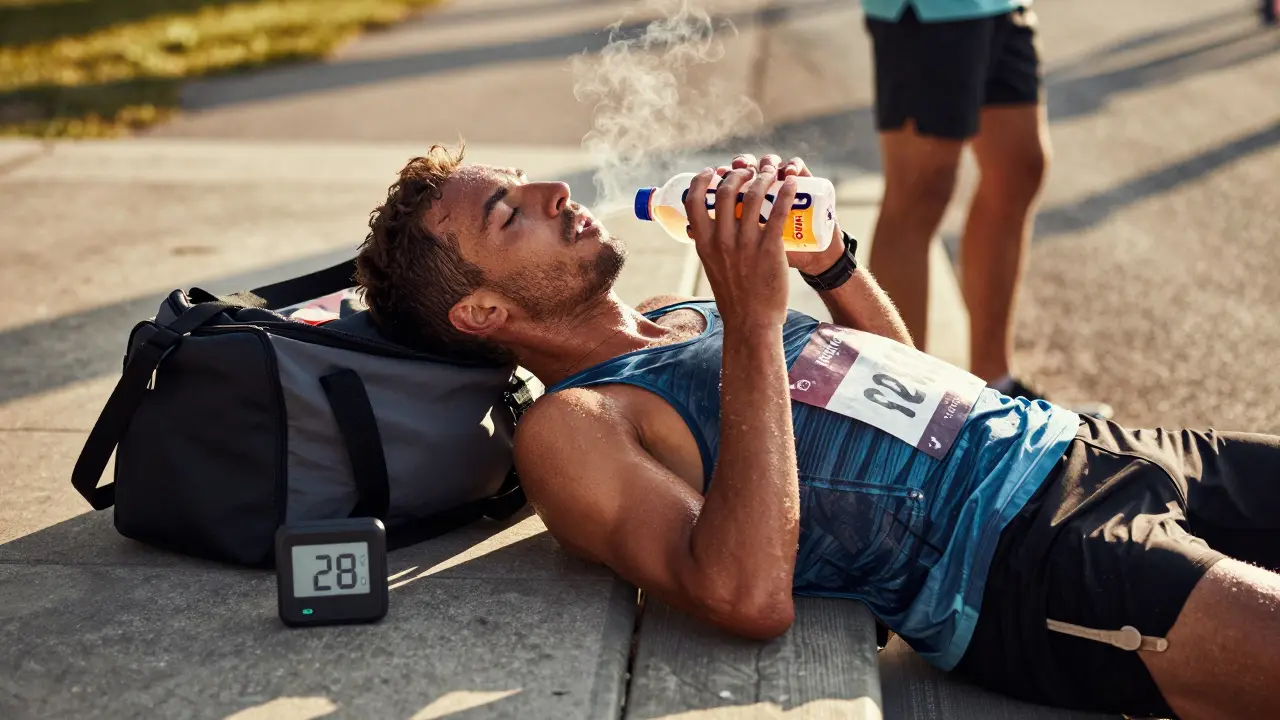
The best energy drink for weakness after exercise combines carbs, electrolytes, and protein to speed recovery. Not all energy drinks help-some make it worse. Learn what actually works for athletes in 2026.
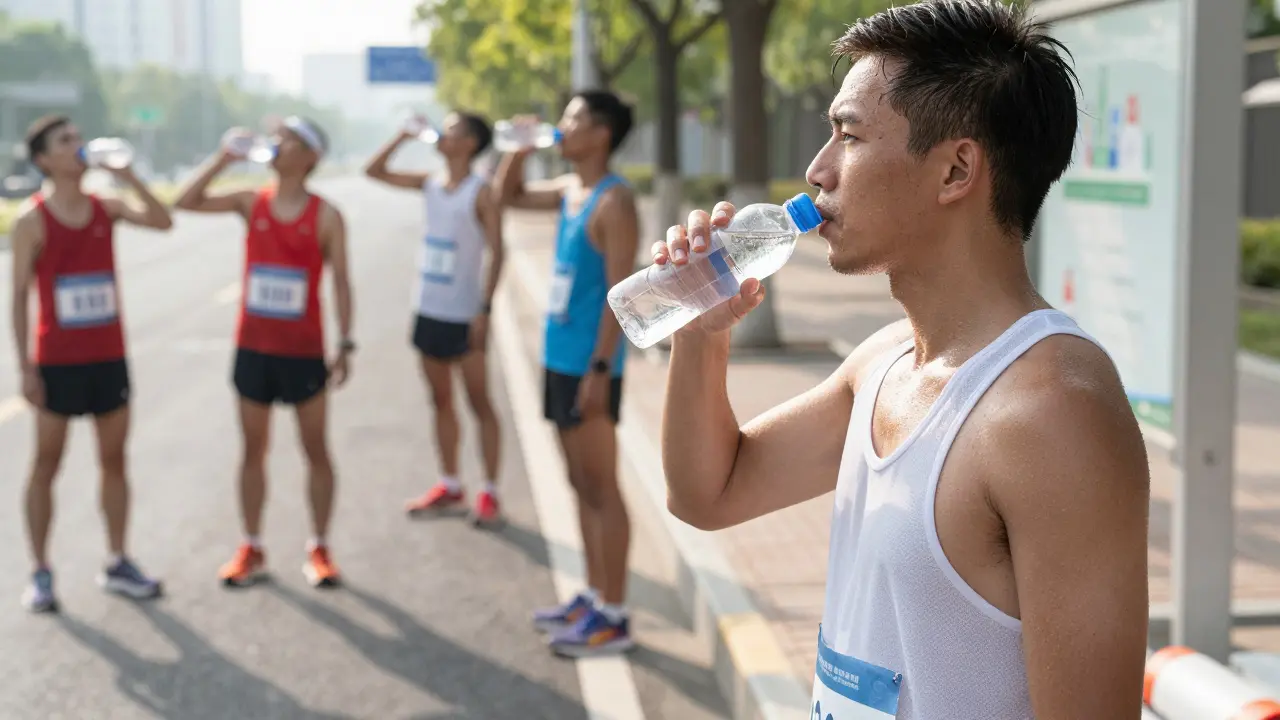
Athletes drink water the most-not energy drinks. Learn what top performers actually consume daily, why sugar isn't helping, and the real hydration secrets behind peak performance.