
Hydration: Why It Matters and How to Stay Energized
Ever felt sluggish or foggy during the day? Chances are, you might not be drinking enough water or the right kind of fluids. Hydration isn’t just about quenching thirst; it’s about keeping your body’s systems running smoothly. When you’re properly hydrated, your brain functions better, your energy levels stay steady, and your body recovers faster after exercise.
Choosing the Right Drinks for Hydration and Energy
Sure, water is king when it comes to hydration, but sometimes you need a little extra kick. Energy drinks can give you that boost, but not all of them are created equal. Look for options with balanced caffeine levels and added electrolytes, which help your body retain fluids and keep muscles working properly. Coconut water is a natural alternative packed with potassium, perfect for rehydrating after a workout.
How Much Should You Drink?
There’s no one-size-fits-all amount, but a good starting point is aiming for about 8 cups (64 ounces) daily, more if you’re active or in a hot climate. Pay attention to your body—thirst, dry mouth, or dark urine can signal dehydration. Also, avoid sugary drinks that might actually leave you feeling worse later. Instead, balance water intake with hydrating energy drinks or diluted fruit juices to stay refreshed and alert.
Remember, staying hydrated is a simple but powerful way to support your daily energy. Try mixing up your fluids and notice how your focus and stamina improve naturally.
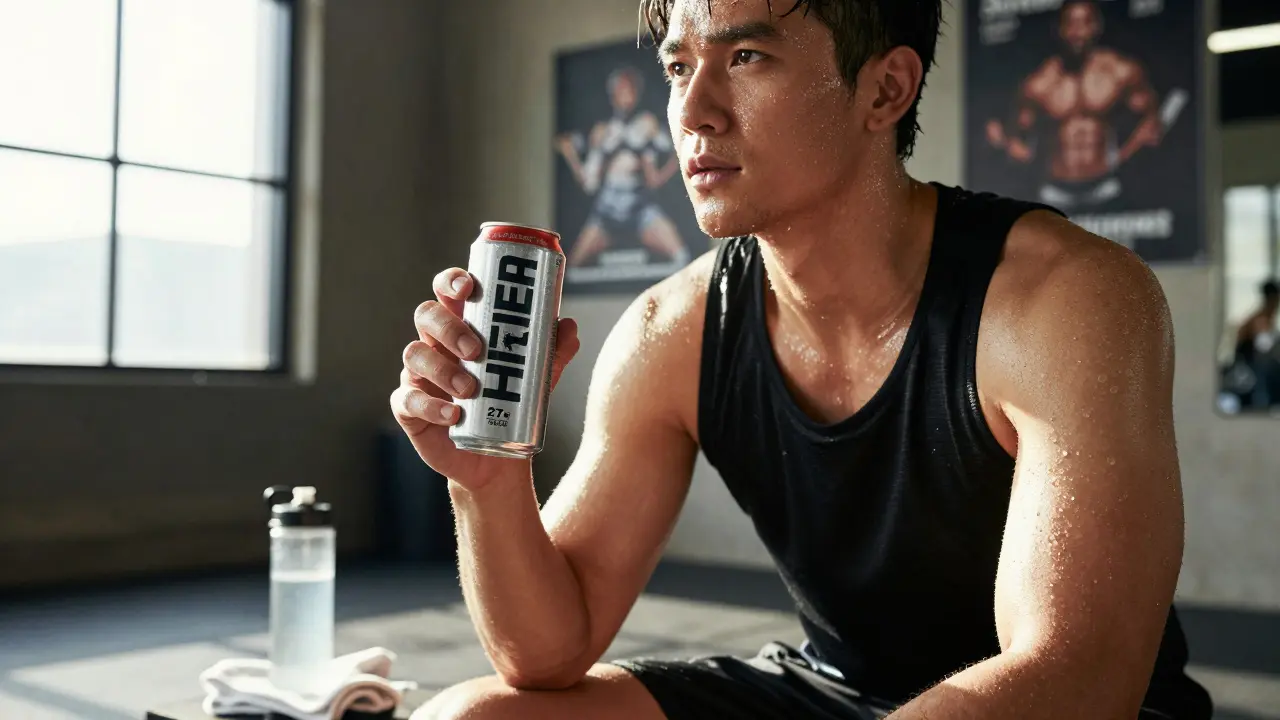
Energy drinks can give a short-term boost during workouts, but their sugar, caffeine, and dehydration risks often outweigh the benefits. Learn when they help-and when to skip them.
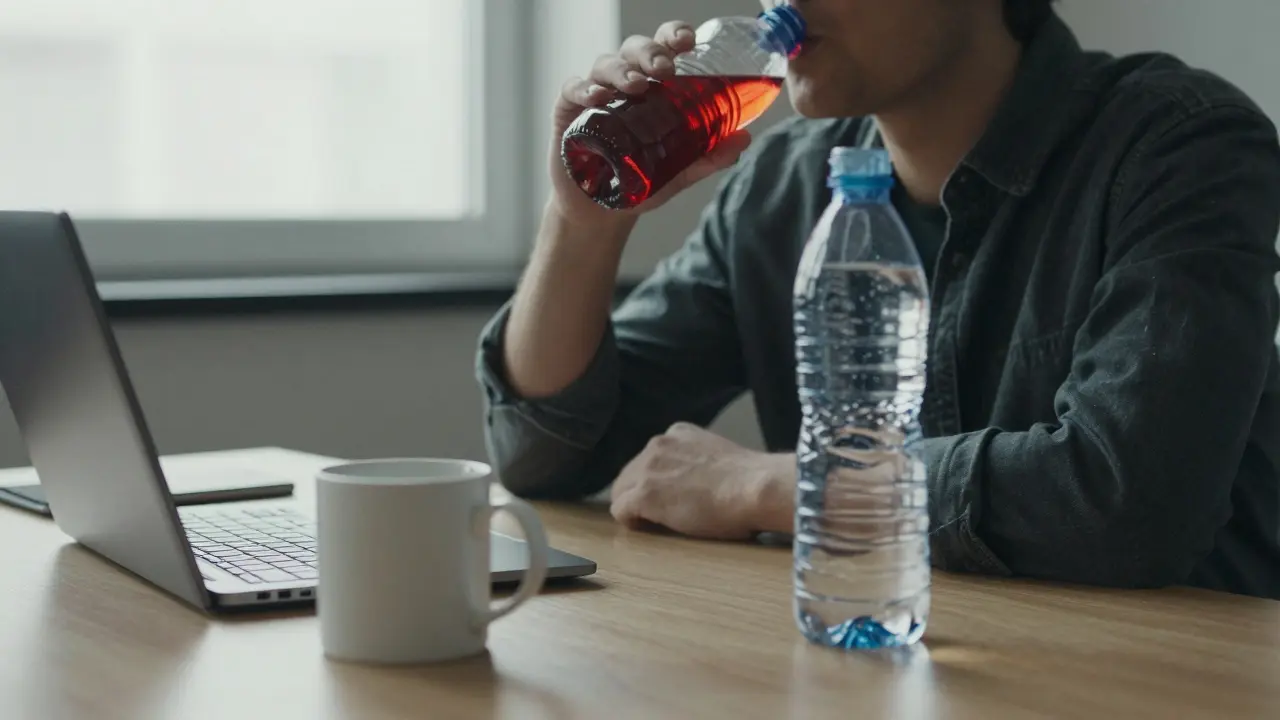
Drinking sports drinks every day isn't harmless-even if you're active. They're loaded with sugar and sodium meant for intense athletes, not daily hydration. Water is better for most people.
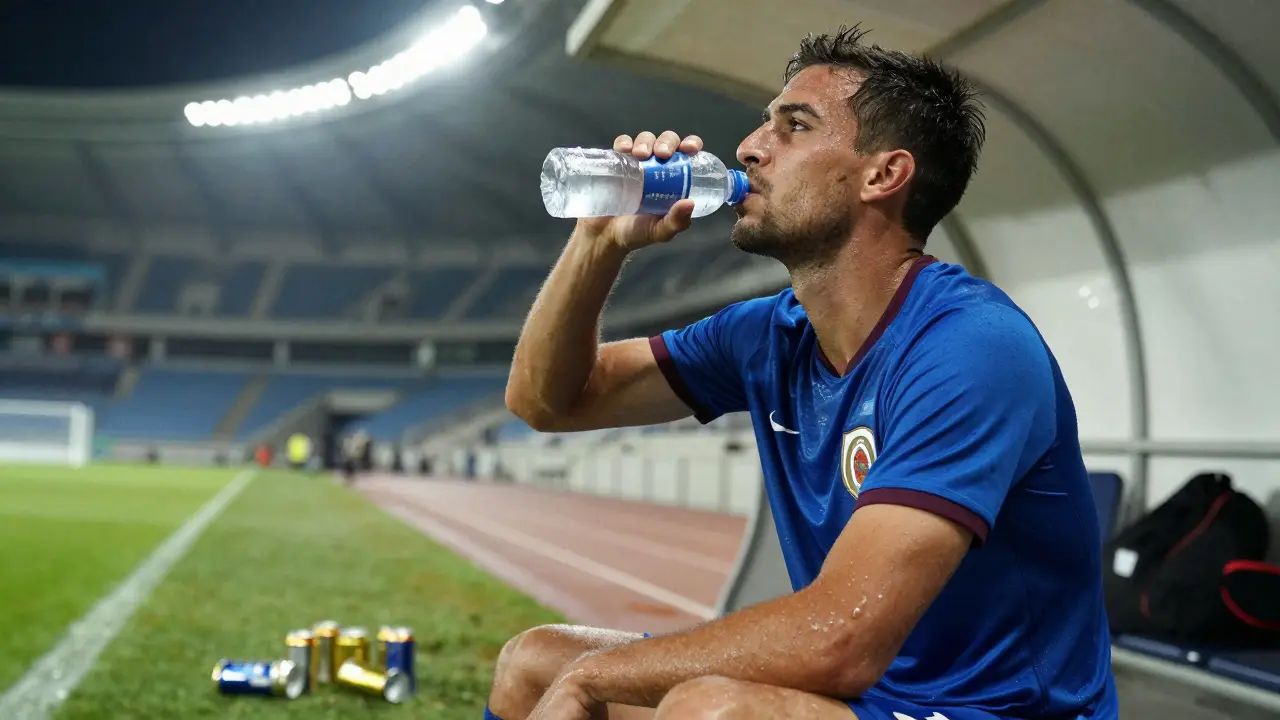
Energy drinks may seem like a quick boost for athletes, but they're loaded with sugar, caffeine, and empty stimulants that hurt performance, hydration, and recovery. Here's why elite athletes avoid them.
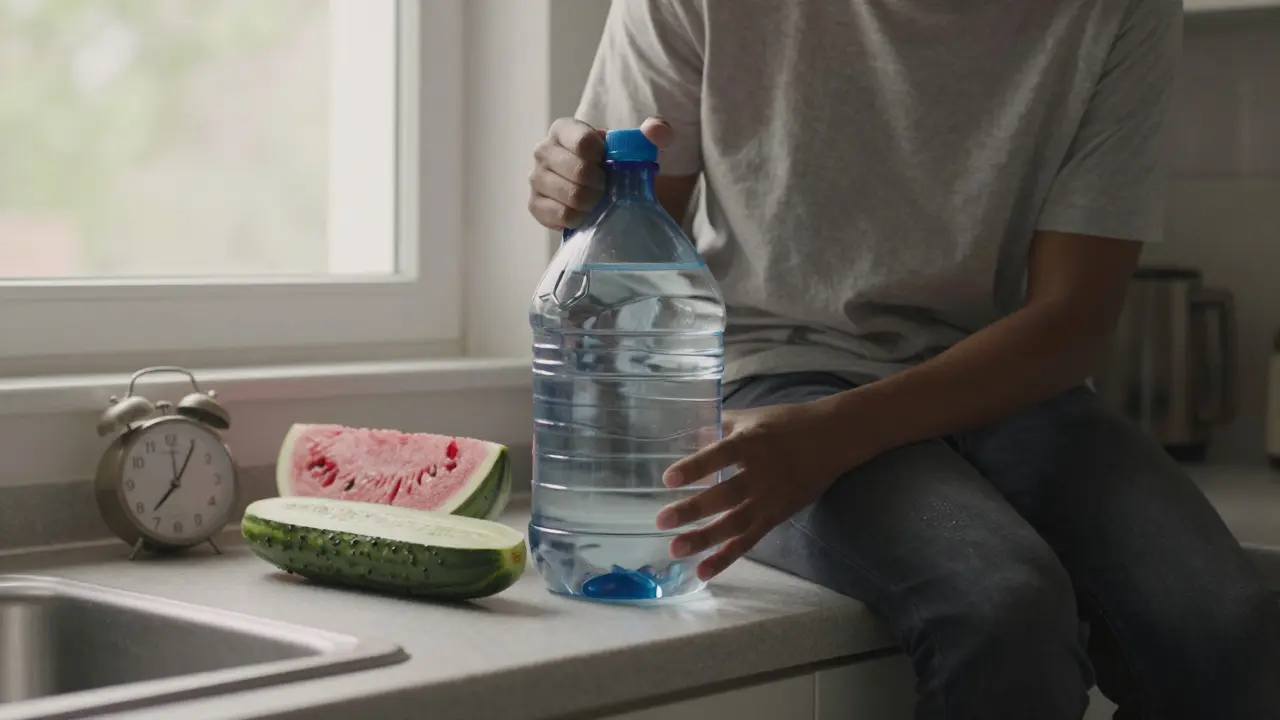
Drinking a gallon of water a day sounds healthy, but it can be dangerous. Learn what science says about hydration, overhydration, and why energy drinks don’t make water intake safer - or smarter.
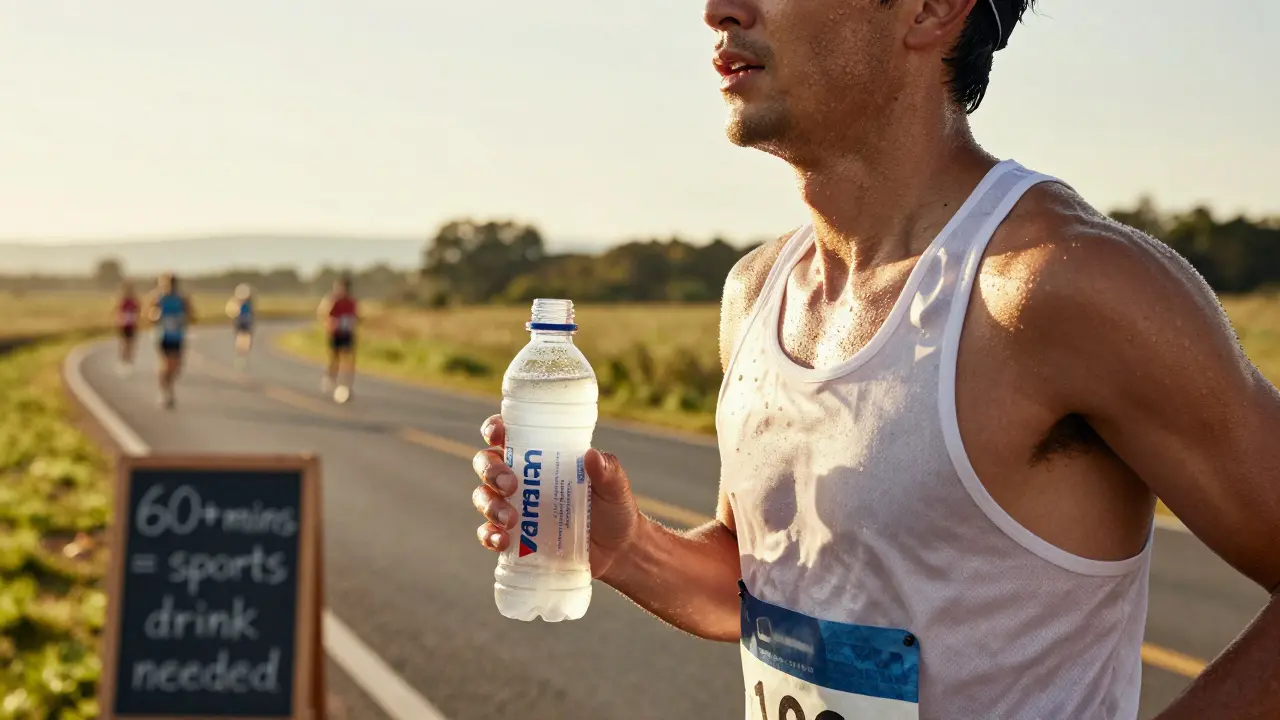
Sports drinks help with hydration during intense exercise, while energy drinks are stimulants packed with caffeine and sugar. Knowing the difference can save your health and performance.
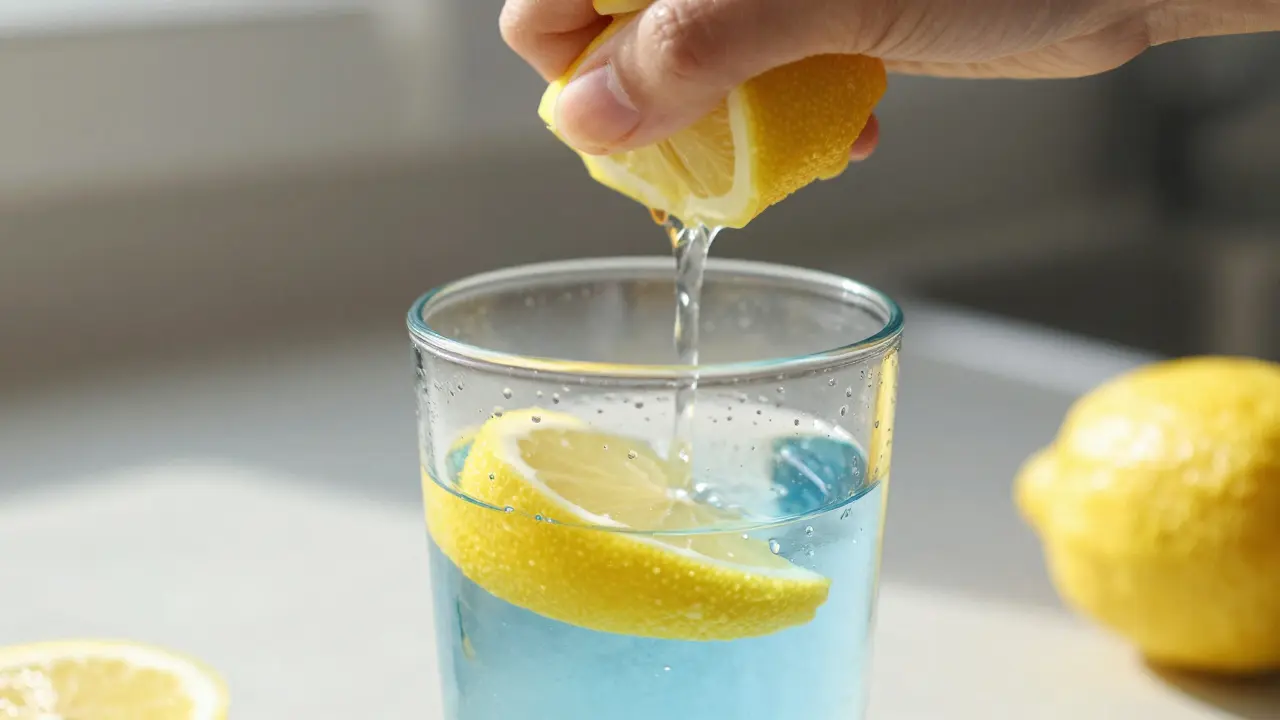
Lemon water is often touted as a weight loss solution, but does it actually work? Learn the science behind the claims, how hydration affects metabolism, and why detox myths are misleading. Find out if this simple drink can truly support your weight loss goals.
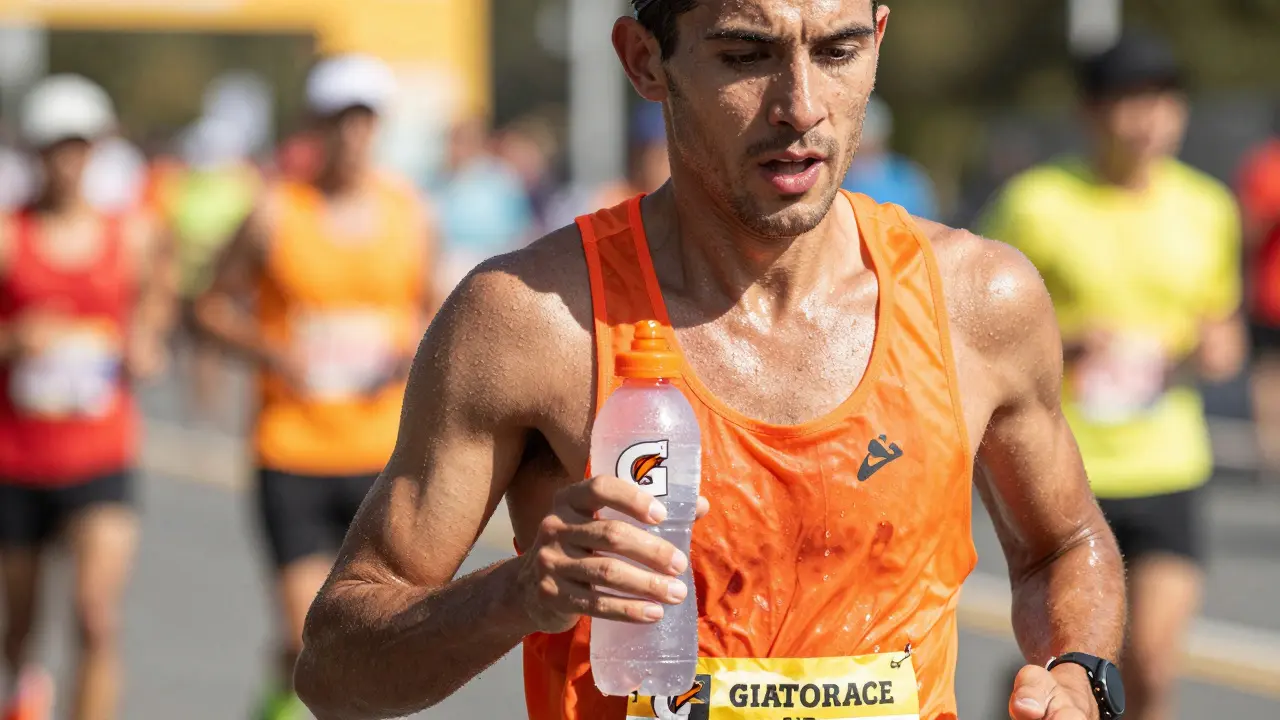
Gatorade and Powerade both replace electrolytes lost during exercise, but Gatorade has more sodium and better sugar for performance. Powerade has added vitamins but less sodium. For serious athletes, Gatorade wins. For casual use, taste matters more.

Water is the healthiest drink for athletes and active people-no sugar, no additives, just pure hydration. Learn why sports and energy drinks don't beat plain water for performance and long-term health.
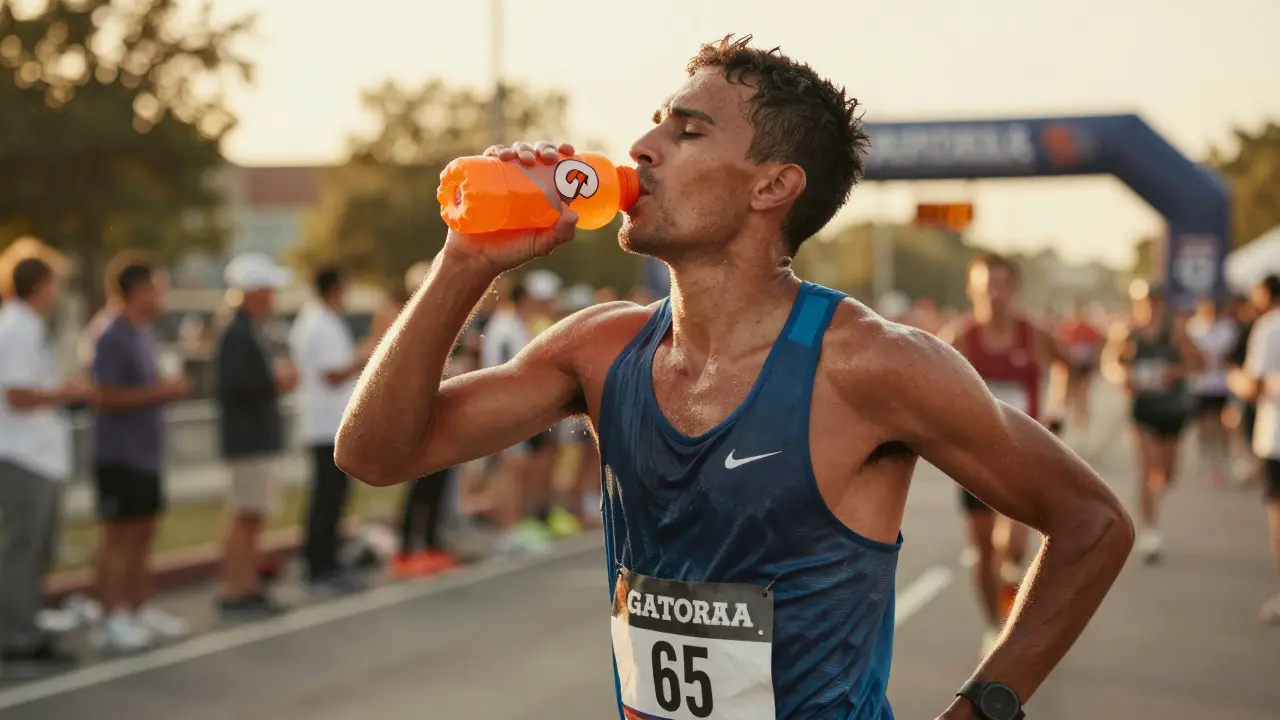
Gatorade is the most common example of a sports drink, designed to replace fluids, electrolytes, and energy lost during intense exercise. Not all workouts need one-water is enough for shorter sessions.
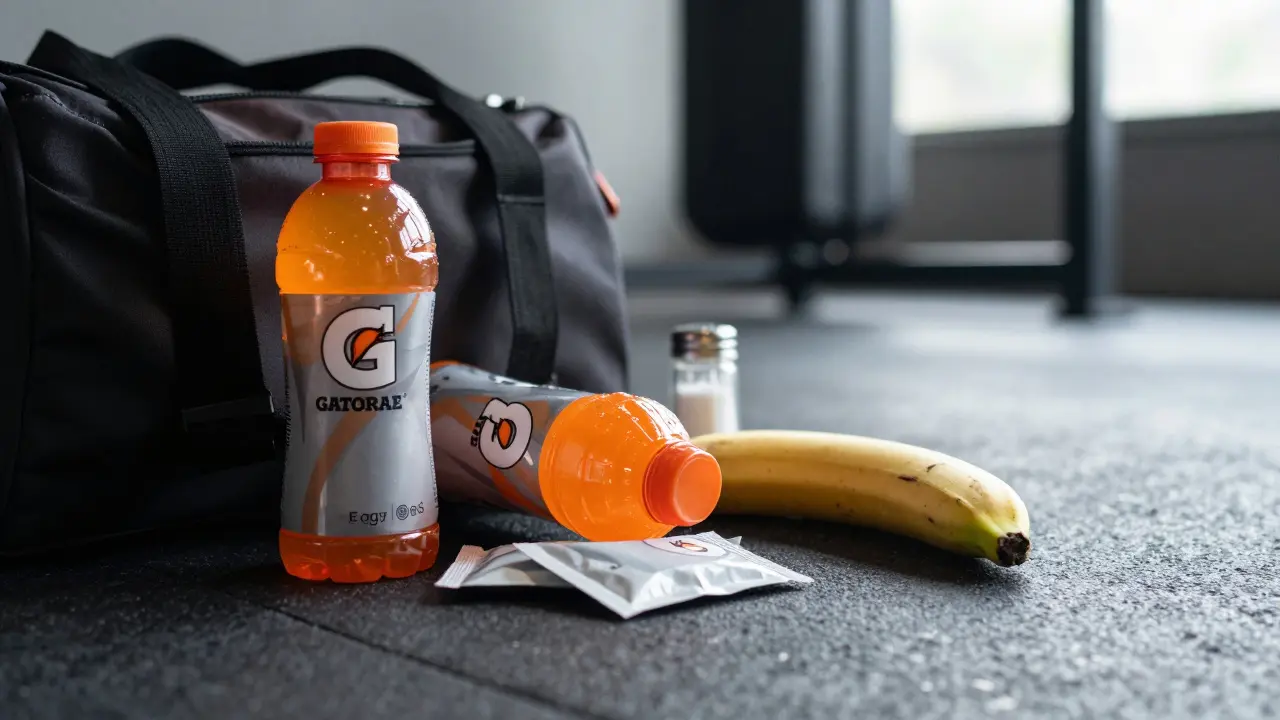
Sports drinks aren’t gone-they’ve changed. With sugar crackdowns and better science, the old sugary bottles are fading out. Here’s what’s replacing them and what you should actually be drinking after exercise.

Powerade is a sports drink designed to replace electrolytes lost during exercise-not an energy drink. It contains no caffeine, making it ideal for athletes but not for quick energy boosts.
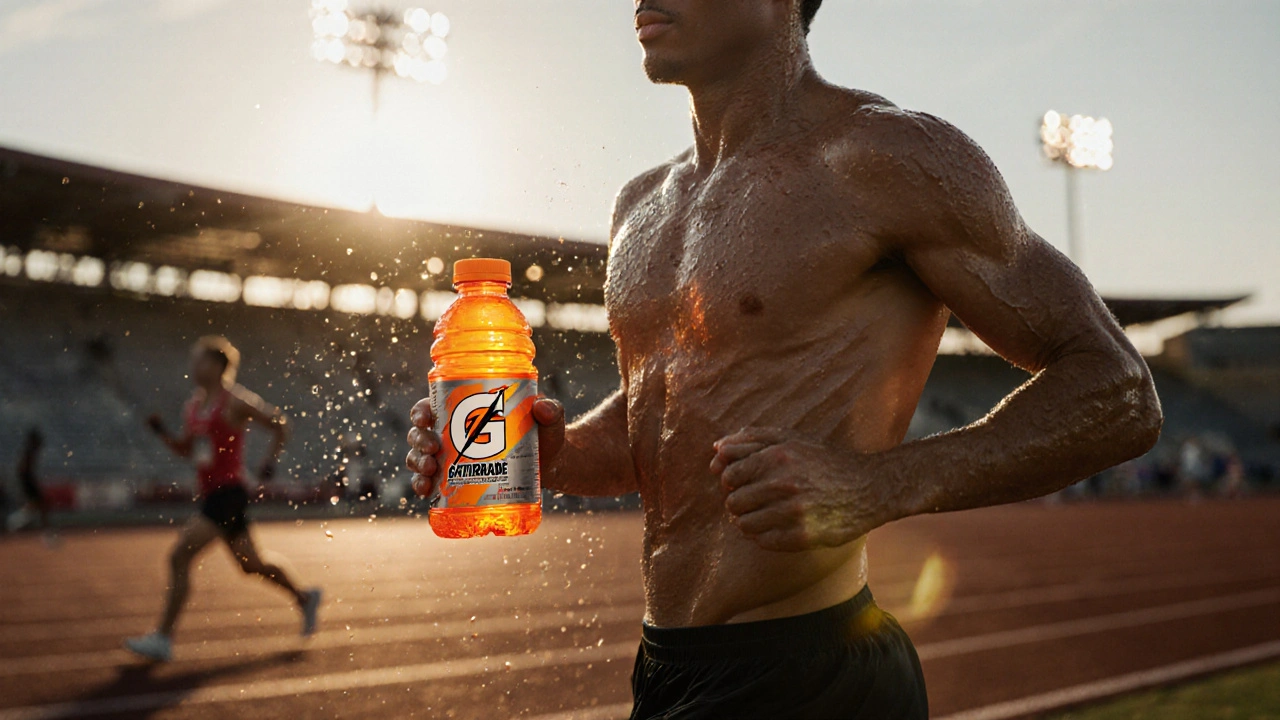
Gatorade is a sports drink designed to replace fluids and electrolytes lost during exercise, not an energy drink. It contains sugar and sodium for hydration, not caffeine or stimulants. Learn the key differences and when to use each.