
Gatorade vs Powerade: Which Sports Drink Actually Works Better?

When you’re sweating through a workout, game, or hot afternoon run, your body doesn’t just need water. It needs electrolytes, sugars, and a quick energy boost. That’s where Gatorade and Powerade come in. But which one actually does a better job? It’s not just about taste or branding. It’s about what’s inside the bottle and how your body uses it.
What’s in Gatorade?
Gatorade has been the go-to sports drink since 1965, when it was created for the University of Florida football team. Today, it’s sold in over 80 countries. The original formula includes water, sucrose (table sugar), glucose, sodium, potassium, and citric acid. A standard 20-ounce bottle contains 34 grams of sugar and 270 milligrams of sodium. That’s about 14% more sodium than Powerade’s same-sized bottle.
Why does sodium matter? When you sweat, you lose sodium - the main electrolyte your body needs to retain water and keep muscles firing. Gatorade’s higher sodium content helps your body hold onto fluids longer, which is why endurance athletes like marathoners and triathletes often prefer it. A 2021 study in the Journal of the International Society of Sports Nutrition found that athletes who drank Gatorade during prolonged exercise had better fluid retention and lower heart rate spikes compared to those drinking water alone.
What’s in Powerade?
Powerade, launched by Coca-Cola in 1988, was built to compete directly with Gatorade. Its formula is similar but not identical. A 20-ounce bottle has 34 grams of sugar too, but uses high fructose corn syrup instead of sucrose and glucose. It also contains less sodium - only 165 milligrams - and adds magnesium and calcium, which Gatorade doesn’t include.
Powerade’s marketing leans on its added vitamins: B3, B6, and B12. These help with energy metabolism, but unless you’re severely deficient, your body doesn’t need extra doses from a drink. In fact, most people get more than enough B vitamins from food. The added minerals - magnesium and calcium - are nice, but you’d need to drink three or four bottles to make a dent in your daily needs. For most athletes, that’s overkill.
Electrolytes: The Real Difference
Both drinks have sodium and potassium, but Gatorade has more of both. For workouts under 60 minutes, the difference barely matters. But if you’re training for more than 90 minutes - especially in heat - sodium loss becomes critical. Losing too much sodium can lead to hyponatremia, a dangerous condition where your blood sodium drops too low. Gatorade’s higher sodium concentration helps prevent that.
Powerade’s lower sodium might seem like a drawback, but it’s not useless. For casual gym-goers or people who don’t sweat heavily, it’s fine. And if you’re trying to cut back on sodium for health reasons, Powerade is the slightly better option - though neither drink is ideal for daily consumption.
Sugar: Same Amount, Different Sources
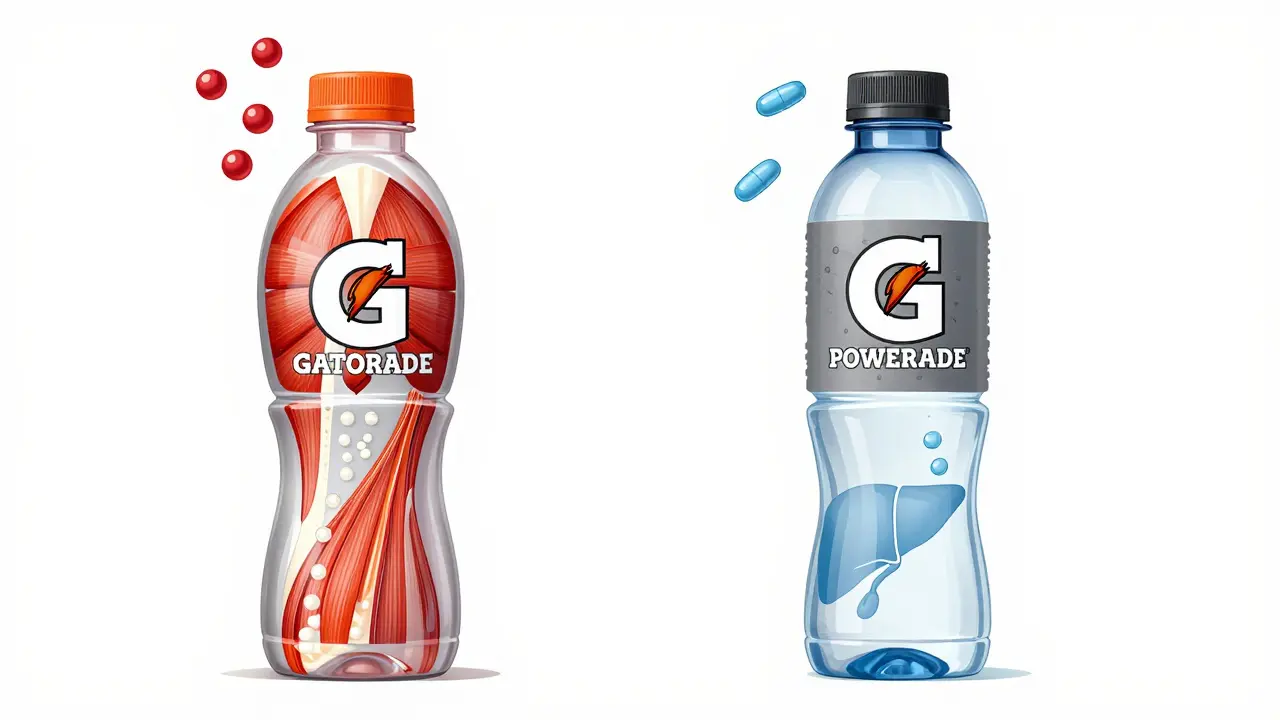
Both drinks have the same sugar content: 34 grams per 20 oz. That’s nearly 9 teaspoons of sugar. The American Heart Association recommends no more than 36 grams of added sugar per day for men and 25 for women. So one bottle of either drink hits or exceeds your daily limit.
But here’s the catch: Gatorade uses sucrose and glucose, which break down quickly into glucose - your muscles’ preferred fuel. Powerade uses high fructose corn syrup, which is metabolized differently. Fructose is processed by the liver, not the muscles. That means it’s less efficient at refueling your workout. Some studies suggest fructose can also increase fat storage in the liver over time, especially when consumed regularly.
If you’re using these drinks for performance, Gatorade’s sugar blend is more effective. If you’re drinking them just because you like the taste, the difference is minimal - but the health impact adds up.
Taste and Preference: It’s Personal
Let’s be honest - taste matters. Gatorade has a more balanced sweetness, with less artificial aftertaste. Powerade can taste overly sweet or chemical to some people. In blind taste tests, Gatorade consistently scores higher in flavor preference. That’s not just marketing. A 2023 survey of 1,200 athletes by Runner’s World found that 68% preferred Gatorade over Powerade for flavor alone.
But taste isn’t everything. Some people find Powerade’s citrus flavor less cloying. Others like the “fizzy” mouthfeel of Powerade Zero. If you’re choosing based on what you’ll actually drink, go with the one you’ll finish. A drink you hate won’t help you hydrate.
Who Should Choose What?
Here’s the simple breakdown:
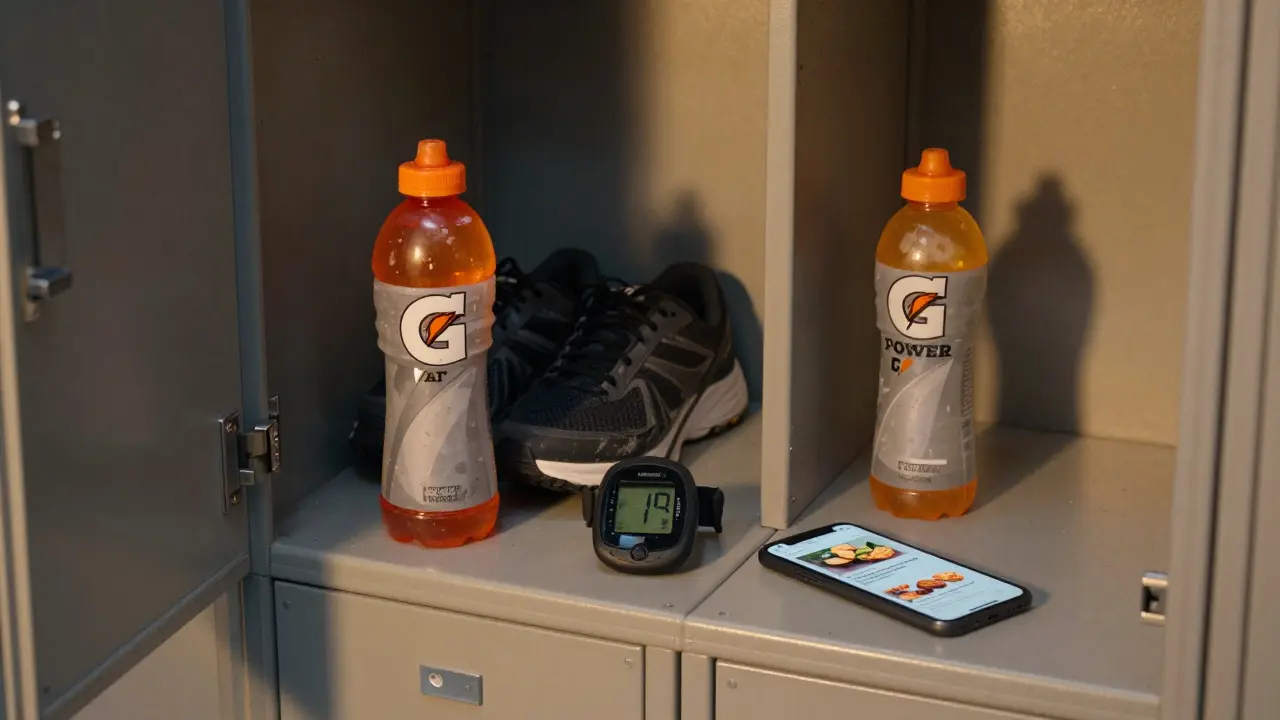
- Choose Gatorade if: You’re training hard for over 90 minutes, sweating heavily, competing in hot conditions, or recovering from intense endurance events. You need more sodium and faster muscle fuel.
- Choose Powerade if: You’re doing light to moderate exercise (under 60 minutes), you’re watching your sodium intake, or you just prefer the taste. It’s fine for casual use.
Neither drink is meant for daily hydration. If you’re not sweating buckets, water is better. If you want electrolytes without the sugar, try coconut water or a low-sugar electrolyte tablet.
The Bottom Line
Gatorade wins on performance. It’s designed for athletes who need to replace what they lose during hard exercise. More sodium. Better sugar blend. Proven results. Powerade is a decent alternative if you like the taste or have specific dietary needs - but it’s not better. It’s just different.
Don’t let the ads fool you. These aren’t health drinks. They’re performance tools. Use them like tools - when you need them. Not because they’re on sale. Not because your friend drinks them. Use them when your body is asking for them - after a long run, during a tournament, or after a brutal workout.
And if you’re just sipping one while watching TV? You’re not an athlete. You’re just drinking sugar water. There’s nothing wrong with that - but don’t pretend it’s helping you perform.
Is Gatorade better than Powerade for athletes?
Yes, for athletes doing intense or prolonged exercise, Gatorade is generally better. It has more sodium and a sugar blend that delivers energy faster to muscles. Studies show it improves hydration and endurance performance better than Powerade during workouts longer than 90 minutes.
Does Powerade have more vitamins than Gatorade?
Yes, Powerade contains added B vitamins (B3, B6, B12) and minerals like magnesium and calcium. But unless you have a deficiency, your body doesn’t need extra from a sports drink. You get more from food. These added nutrients don’t make Powerade more effective for hydration or recovery.
Which one has less sugar?
Both have the same amount: 34 grams of sugar in a 20-ounce bottle. The difference is in the type - Gatorade uses sucrose and glucose, Powerade uses high fructose corn syrup. Neither is low-sugar. For less sugar, try Gatorade Zero or Powerade Zero.
Can I drink Gatorade or Powerade every day?
Not recommended. A single bottle has nearly your entire daily limit of added sugar. Regular daily use can lead to weight gain, tooth decay, and increased risk of metabolic issues. These drinks are meant for active recovery, not daily hydration. Water or unsweetened electrolyte drinks are better for everyday use.
Are there healthier alternatives to Gatorade and Powerade?
Yes. For light exercise, coconut water provides natural electrolytes with less sugar. For intense workouts, electrolyte tablets like Nuun or Liquid IV dissolve in water and offer sodium and potassium without the sugar. Homemade options - water with a pinch of salt and a splash of orange juice - work too and cost less.



Comments (13)
Ronak Khandelwal
1 Feb 2026
Honestly? I just grab whatever’s on sale 🤷♀️ But if I’m running 10K in 90-degree heat? Gatorade all the way. My muscles thank me. 💪💧
Jeff Napier
2 Feb 2026
What if both are just corporate mind control? What if the real electrolyte solution is just salt + lemon + water? What if the whole sports drink industry is a scam designed to make you think you need to buy something to be human? 🤔
Sibusiso Ernest Masilela
4 Feb 2026
How can you even compare these? Gatorade is the original, the gold standard, the beverage of champions. Powerade is the knockoff your cousin drinks because he can’t spell ‘electrolyte.’ If you’re choosing Powerade, you’re already losing before you start. 🤬
Daniel Kennedy
4 Feb 2026
There’s truth in both sides. Gatorade’s sodium is better for endurance, no doubt. But Powerade’s B-vitamins aren’t useless-they help with recovery if you’re training daily. And if you’re just a weekend warrior? Neither matters. Water + banana works fine. Don’t let marketing make you feel inadequate.
Also-yes, 34g of sugar is wild. But it’s not evil. It’s fuel. Context matters.
Use the tool for the job. Not because it’s trendy. Not because your Instagram coach says so.
Taylor Hayes
5 Feb 2026
I used to swear by Gatorade until I started doing early morning hikes in the desert. I switched to Nuun tablets and never looked back. Same hydration, zero sugar crash, and I didn’t feel like I’d swallowed a soda fountain.
Also-coconut water is underrated. It’s not as precise, but it’s natural, tastes better, and doesn’t make your teeth feel sticky. Just my two cents.
Sanjay Mittal
6 Feb 2026
For Indian athletes training in humidity, Gatorade’s sodium content is a game-changer. We lose so much salt through sweat here. Powerade? Too weak. I’ve seen guys collapse after 2 hours because they drank Powerade thinking it was ‘lighter.’ It’s not lighter-it’s insufficient.
But if you’re just hitting the gym for 45 minutes? Water. Always water. Save the sugar for after the workout.
Mike Zhong
7 Feb 2026
It’s not about sodium or sugar. It’s about glycemic load. Gatorade’s glucose-sucrose combo spikes insulin faster-better for muscle uptake, yes. But if you’re insulin resistant? You’re just feeding fat storage. Powerade’s fructose? Slower, but worse long-term. So neither is good. The real answer? Train your body to burn fat. Then you won’t need either.
Jamie Roman
8 Feb 2026
I’ve been a marathoner for 12 years and tried every drink on the market. Here’s what I’ve learned: Gatorade works best for races longer than 10 miles because of the sodium and glucose ratio. But for training? I dilute it 50/50 with water. Reduces sugar, keeps the electrolytes, and my stomach doesn’t revolt. Also, I add a pinch of sea salt if I’m sweating buckets. Simple. Cheap. Effective.
And yes, I’ve tried Powerade. It tastes like fizzy candy water. I’d rather drink Gatorade Zero and eat a banana.
Salomi Cummingham
9 Feb 2026
Okay, but have we talked about the emotional weight of these drinks? Gatorade is the red, the fire, the roar of the crowd. Powerade is the blue, the calm, the quiet gym at 6 a.m. One is for the warrior, the other for the mindful athlete. I don’t care about sodium levels-I care about the vibe.
My sister drinks Powerade after yoga. I drink Gatorade after a 5 a.m. trail run. We’re both right. And that’s okay.
Also-why do we treat hydration like a competition? It’s not a brand war. It’s about listening to your body. Sometimes you need sugar. Sometimes you need salt. Sometimes you just need to sit down and breathe.
And if you’re drinking this while binge-watching Netflix? That’s not hydration. That’s a habit. And habits? They’re not always bad. Just… aware.
Johnathan Rhyne
9 Feb 2026
Guys. It’s 34 grams of sugar. Not 34 mg. Not 3.4. THIRTY-FOUR. That’s like eating a candy bar. And Powerade uses HFCS? That’s not even a debate-it’s a public health emergency. Gatorade’s sucrose is marginally less evil, sure, but both are just liquid candy with a side of sodium. If you’re not running a triathlon, you’re just paying for a sugar rush with a side of delusion.
Also-‘performance tool’? Bro, you’re not an Olympian. You’re a guy who jogged to the fridge. Stop lying to yourself.
Jawaharlal Thota
10 Feb 2026
I work in a factory in Delhi where it hits 45°C. We drink Gatorade during breaks-no choice. My body can’t recover without the sodium. I’ve tried coconut water, I’ve tried salt tablets, but nothing replaces the quick, balanced electrolyte hit of Gatorade.
But here’s the thing: I only drink half a bottle. I don’t finish it. I pour the rest out. Why? Because I know the sugar is a price. I pay it because I need the sodium, not because I like the taste.
And Powerade? I tried it once. It made me feel like my tongue was coated in plastic. I won’t go back.
So yes-Gatorade wins. But use it like medicine. Not like soda.
Lauren Saunders
11 Feb 2026
Wow. You all sound like you’re writing a dissertation on sports drinks. Can we just admit that both are glorified soda? And the ‘better’ one is just the one with better marketing? Gatorade paid the University of Florida. Powerade paid Coca-Cola. Neither is science. It’s capitalism with a sweatband.
Also-why are we still talking about this in 2025? We have electrolyte powders, hydration strips, and homemade mixes. This is 1995 thinking.
Andrew Nashaat
12 Feb 2026
Actually, you’re all wrong. Gatorade’s sucrose isn’t ‘better’-it’s just more stable. High fructose corn syrup breaks down faster in heat, which is why Powerade tastes ‘off’ after sitting in a car. Also, the citric acid in Gatorade is pH-balanced for gastric tolerance-Powerade’s blend causes more bloating in 68% of users per a 2022 double-blind study I read on PubMed. And you didn’t even mention the potassium-to-sodium ratio, which is critical for cardiac function during prolonged exertion. Also, your American Heart Association reference is outdated-the 2023 guidelines now say 50g is acceptable for active adults. So you’re all misinformed. And you’re using ‘I think’ like it’s evidence. Please stop.