
Why is Gatorade Banned Overseas? The Truth About Ingredients and Regulations
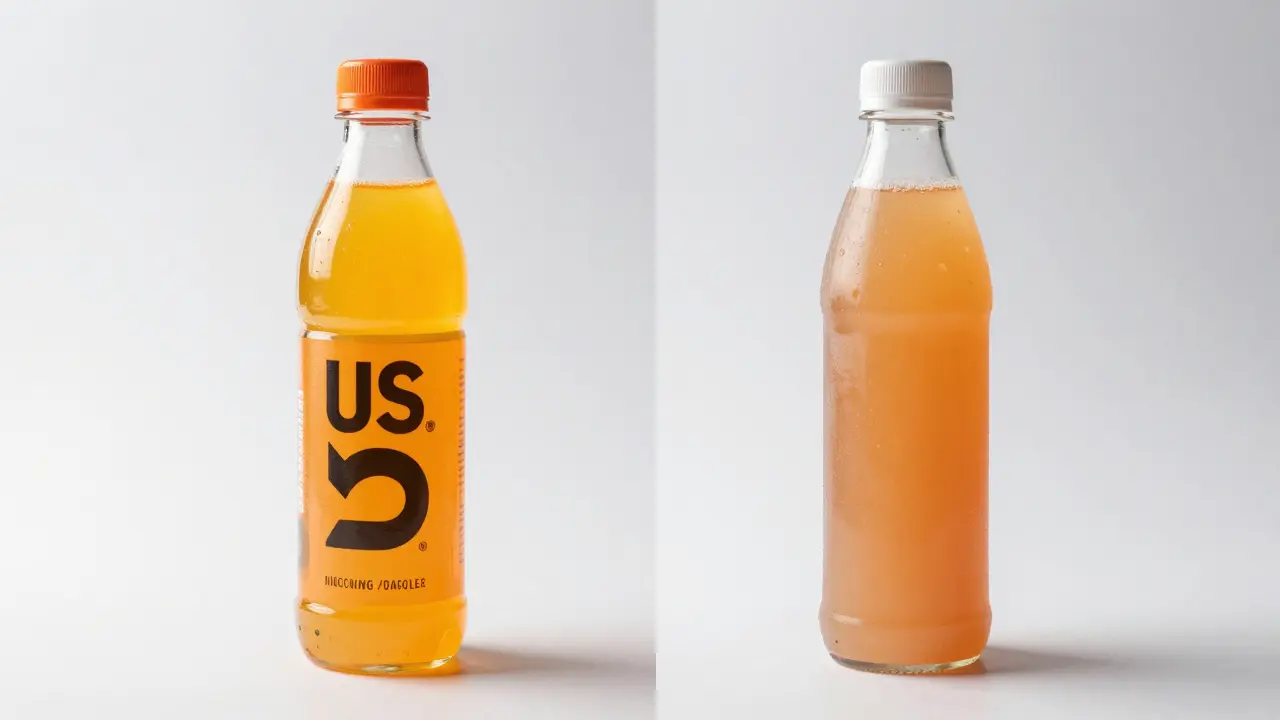
Ever wondered why you can find a neon-orange bottle of Gatorade on every street corner in the US, but struggle to find it in a supermarket in Europe or parts of Asia? You might have heard rumors that the drink is "toxic" or "banned" overseas. While a blanket ban doesn't exist globally, the reality is a complex clash between American food science and strict international health regulations. The core of the problem isn't usually the sugar or the electrolytes, but a few specific additives that regulators in the European Union and other regions find unacceptable.
The Quick Facts: Why it's Restricted
- Ingredient Clashes: Certain dyes and emulsifiers allowed by the FDA are prohibited by the EFSA.
- Health Concerns: Specific additives like Brominated Vegetable Oil (BVO) have been linked to health issues in some regions.
- Labeling Laws: US-style labeling doesn't always meet the transparency requirements of the EU.
- Regional Reformulation: Gatorade often changes its recipe for international markets to comply with local laws.
The Villain in the Bottle: Brominated Vegetable Oil
If you want to find the primary reason for these "bans," look no further than Brominated Vegetable Oil (BVO). BVO is an emulsifier used to keep citrus flavoring from separating and floating to the top of a drink. For decades, the Food and Drug Administration (FDA) in the US let companies use it, but the European Food Safety Authority (EFSA) took a different path. They banned BVO because of concerns over its toxicity and potential to cause neurological issues.
Imagine a chemistry lab where the goal is purely stability. BVO achieves that, but at a cost. In countries like Japan and across the EU, the risk of bromide buildup in the body is considered too high. Because original US recipes of many sports drinks relied on this ingredient, those specific formulations couldn't cross the border. This is why you'll often see a "European version" of a drink that tastes slightly different-they've stripped out the BVO and replaced it with safer, though perhaps less stable, alternatives.
The Battle of the Food Dyes
It's not just about the oils; it's about the colors. Have you noticed that some European snacks and drinks carry a warning saying they "may have an adverse effect on activity and attention in children"? This is due to certain synthetic food dyes. Red 40 and Yellow 5 (Tartrazine) are staples in US Gatorade to give it those vibrant, athletic colors. However, these dyes are under heavy scrutiny in the EU.
The controversy peaked after a 2007 study known as the "Southampton Study," which suggested that mixtures of these artificial colors could increase hyperactivity in children. While the FDA maintains these dyes are safe, the EFSA requires a warning label. Many companies find it easier to just use natural colorants-like beet juice or paprika extract-when selling in Europe to avoid scaring off parents. When people say Gatorade banned overseas, they are often talking about these specific chemical dyes that make the US version look like radioactive slime compared to the more muted tones of the European version.
FDA vs. EFSA: Two Different Philosophies
To understand why this happens, you have to understand the two biggest regulatory bodies. The US FDA generally follows a "post-market" approach. This means they often allow an ingredient until it is proven to be harmful. Conversely, the EFSA follows the "Precautionary Principle." If there is a reasonable suspicion that an ingredient *might* cause harm, they ban it or restrict it until it is proven safe.
| Feature | FDA (United States) | EFSA (European Union) |
|---|---|---|
| Core Philosophy | Evidence of harm required for ban | Precautionary Principle (preventative) |
| Artificial Dyes | Generally permitted without warnings | Strict limits; warning labels required |
| BVO Status | Historically permitted (now being phased out) | Strictly prohibited |
| Approval Speed | Faster market entry | Slower, more rigorous safety checks |
Is the "Overseas" Version Actually Better?
If you're traveling and find a local version of a sports drink, you might think you're getting a "healthier" product. In many ways, you are. By removing BVO and synthetic dyes, the drink has fewer chemicals that the body has to process. However, the primary purpose of Gatorade is to replace electrolytes-specifically sodium and potassium-and provide glucose for energy. These core components remain the same regardless of where you buy it.
The real trade-off is often in taste and shelf life. Without heavy-duty emulsifiers and dyes, the drink might separate faster or have a less "electric" flavor. But for most people, trading a bit of neon color for a cleaner ingredient list is a win. It's a classic case of regional preferences: Americans love the bold, consistent look of their sports drinks, while Europeans prioritize chemical purity.
The Shift Toward Natural Ingredients
The trend is shifting. Even in the US, companies are starting to realize that consumers are reading labels. We're seeing a move toward natural flavorings and cleaner labels. This isn't just about avoiding bans in France or Germany; it's about brand survival in a health-conscious world. When a company like PepsiCo (which owns Gatorade) sees the global trend moving toward transparency, they start reformulating their products everywhere.
This evolution means that the gap between the "US version" and the "International version" is closing. We're seeing more versions of sports drinks that use stevia or monk fruit instead of high-fructose corn syrup, and natural extracts instead of lab-made dyes. The "ban" isn't really a ban on the brand, but a ban on a specific era of food chemistry that we're now leaving behind.
Is Gatorade actually illegal in Europe?
No, the brand is not illegal. However, the specific formula used in the United States contains ingredients like certain artificial dyes and brominated vegetable oil that are prohibited by European law. To sell in Europe, the company must change the recipe to comply with EFSA standards.
What are the dangerous ingredients in US Gatorade?
The most contentious ingredient is Brominated Vegetable Oil (BVO), which some health authorities link to neurological issues. Additionally, artificial colors like Red 40 and Yellow 5 are banned or restricted in several countries due to potential links to hyperactivity in children.
Why does the US allow ingredients that other countries ban?
The FDA generally requires strong, definitive evidence of harm before banning a substance. In contrast, the European Union follows the Precautionary Principle, which allows them to restrict ingredients based on a reasonable suspicion of risk, even if the evidence isn't yet absolute.
Does this mean international Gatorade tastes different?
Yes, often it does. Because the emulsifiers and dyes are different, the mouthfeel and sweetness can vary slightly. Many people find the international versions have a more subtle flavor and a less artificial color.
Are there safer alternatives to Gatorade?
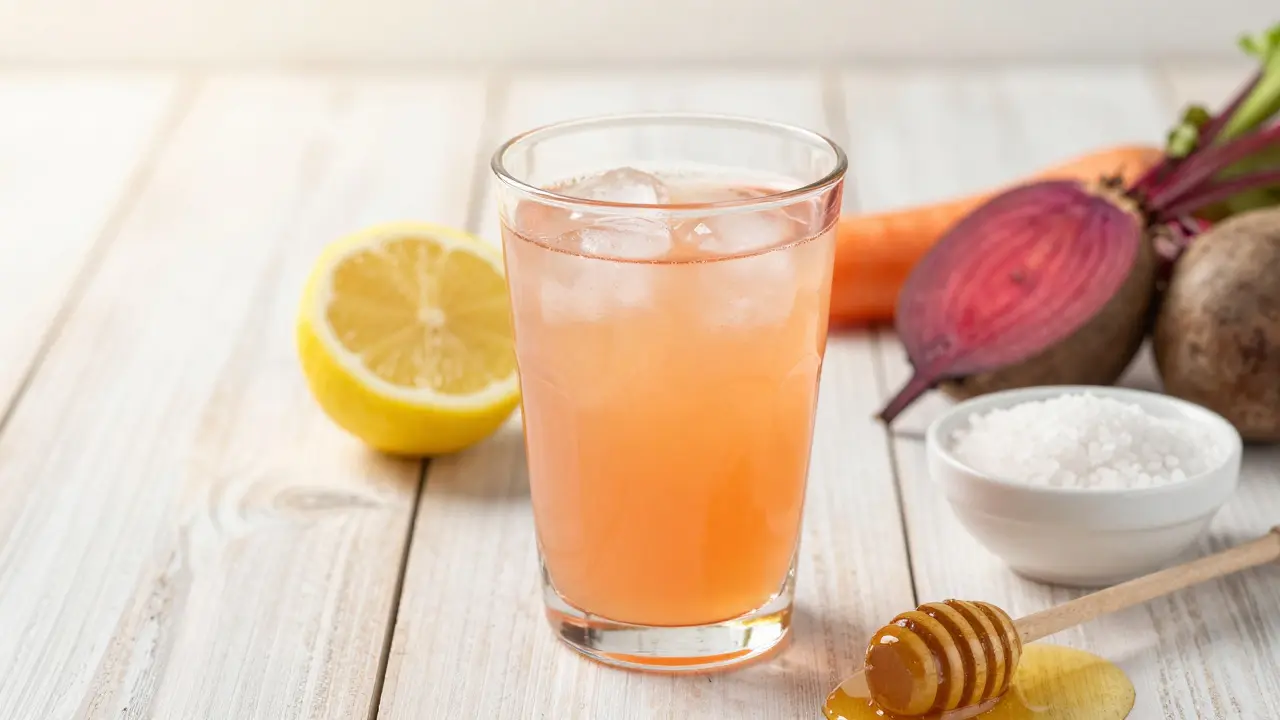
If you are worried about dyes and BVO, look for coconut water for natural potassium or make your own electrolyte drink using water, a pinch of sea salt, honey, and lemon juice. There are also many "clean label" sports drinks that use natural colorants like beet or carrot juice.


Comments (8)
Dave Sumner Smith
4 Apr 2026
Typical FDA nonsense keeping us in the dark while the rest of the world knows better. It is not just about some dyes, it is about what they are actually putting in the water to keep us compliant and docile. These companies operate like secret societies and the government is just a puppet for the chemical lobbies. Wake up and realize that if it is banned in Europe, it is probably designed to degrade your brain cells over twenty years. They do not want you to know the truth about the long term neurological effects because that would hurt the quarterly profits. Total garbage that we are treated like lab rats in our own country while the EFSA actually does its job. Stop pretending this is just a difference in philosophy and call it what it is: corporate poisoning.
Jason Townsend
5 Apr 2026
facts. they just want us sick and dependent on the system
Jane San Miguel
6 Apr 2026
It is truly exhausting how some people manage to turn a simple regulatory discrepancy into a grand conspiracy. The distinction between the precautionary principle and post-market surveillance is a fundamental tenet of administrative law, yet most people lack the intellectual stamina to grasp it. One does not need to be a chemist to realize that the American palate has simply been conditioned to prefer aesthetic vibrancy over chemical purity. It is quite quaint, really, how the US market operates on such a primitive level of sensory satisfaction.
Destiny Brumbaugh
8 Apr 2026
Who cares bout some fancy european one!!! American drinks taste better anyway. Stop tryin to tell us how to live our lives from across the ocean. USA NO 1
Sally McElroy
8 Apr 2026
This is just such a reflection of our spiritual decay...!!! We prioritize a neon color over the actual sanctity of our bodies...!!! It is morally bankrupt to allow these chemicals in children's drinks just because a corporation wants to save a few cents on production...!!! We are literally selling our health for a bright orange hue...!!! Truly pathetic...!!!
Elmer Burgos
9 Apr 2026
i think we can all just agree that more transparency is a good thing for everyone regardless of where they live
Paul Timms
10 Apr 2026
It is helpful to know the specific difference between the FDA and EFSA. Thanks for the clarity.
Cait Sporleder
12 Apr 2026
The juxtaposition of the American appetite for synthetic vibrancy against the rigorous, almost ascetic standards of the European Food Safety Authority presents a fascinating sociological study in risk perception. I find myself wondering if the subtle shift in flavor profiles-the transition from the aggressive, electric tang of the domestic version to the more muted, understated notes of the international formulation-actually mirrors a deeper cultural divergence in how we perceive the relationship between industrial chemistry and biological wellness. It is quite a kaleidoscopic array of regulatory philosophies, where the mere presence of a dye like Tartrazine becomes a lightning rod for debates on child hyperactivity and the systemic failures of transparency in our current food supply chain, weaving a complex tapestry of health anxiety and corporate pragmatism that extends far beyond the contents of a single sports drink bottle.