What Is the Best Energy Source for Athletes?
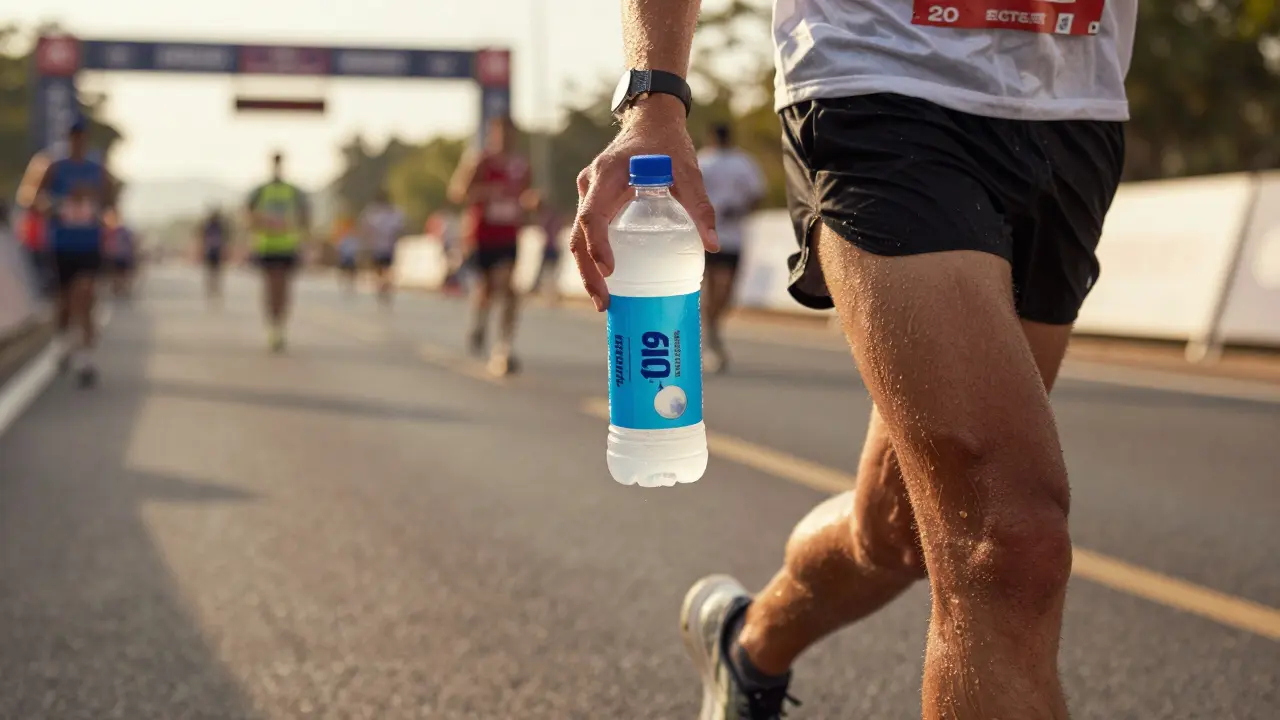
When you’re pushing your body to the limit-whether it’s a 10K run, a 90-minute soccer match, or a grueling weight session-your energy isn’t just a nice-to-have. It’s the difference between hitting your goal and hitting the wall. But with so many options out there-energy drinks, gels, bars, shakes-what actually works? And more importantly, what’s the best energy for athletes?
It’s Not Just About Caffeine
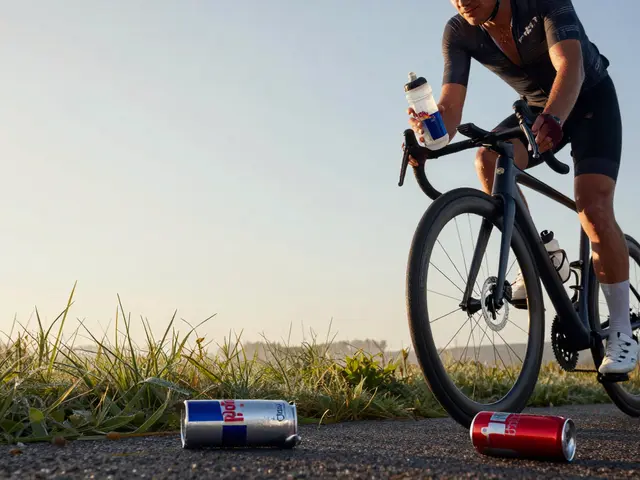
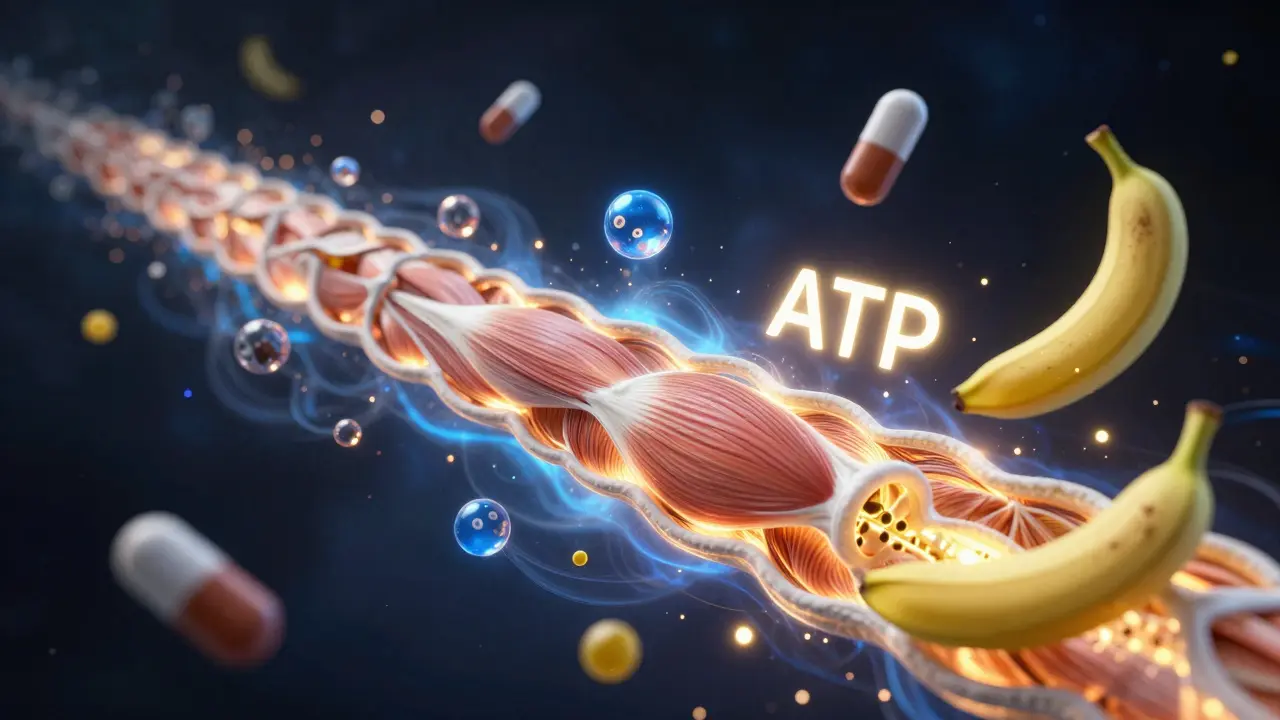
A lot of people think the best energy for athletes comes from a can of energy drink. And sure, caffeine can help. Studies show that 3-6 mg of caffeine per kilogram of body weight can improve endurance and reduce perceived effort. That’s about 210-420 mg for a 70 kg athlete-roughly two strong cups of coffee. But caffeine alone doesn’t fuel your muscles. It just makes you feel less tired. Real energy comes from your body’s ability to convert food into usable fuel: ATP.That’s why the best energy sources for athletes aren’t just about stimulants. They’re about sustainable, digestible, and scientifically backed nutrients that your body can use fast and efficiently.
Carbs Are King (Yes, Really)
Your muscles store glycogen-the form of glucose your body uses during intense activity. When you run out, you hit ‘the wall.’ That’s why elite athletes load up on carbs before competition. A 2023 study in the Journal of the International Society of Sports Nutrition found that athletes who consumed 6-10 grams of carbs per kilogram of body weight in the 24-48 hours before an event performed 12-15% longer than those on low-carb diets.Simple carbs like bananas, white rice, or sports drinks are ideal right before or during activity because they digest fast. Complex carbs like oats or sweet potatoes are better for meals 2-3 hours before training. The key is timing. A banana 30 minutes before a workout? Perfect. A bowl of brown rice 10 minutes before? Not so much.
What About Energy Drinks?
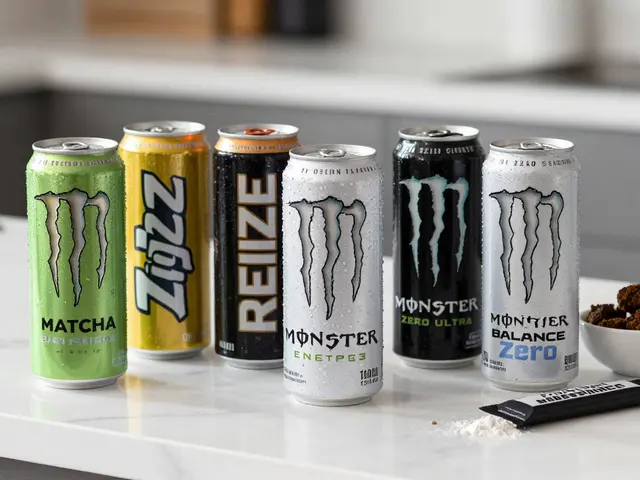
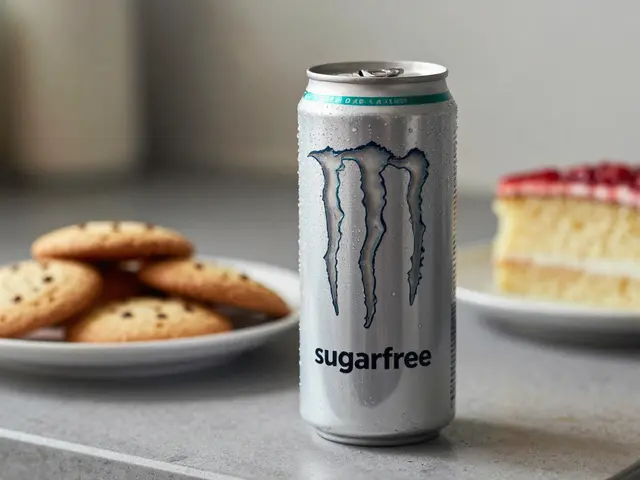
Energy drinks are popular because they’re convenient. But not all are created equal. Many contain high amounts of sugar-sometimes over 50 grams per can. That’s more than the daily limit recommended by the WHO for added sugars. And too much sugar right before exercise can cause a spike and crash, leaving you more drained than before.Look for drinks with 30-60 grams of carbohydrates per liter, minimal added sugar, and 100-200 mg of caffeine. Brands like Powerade, Gatorade Endurance, and Tailwind are designed for athletes. They include electrolytes (sodium, potassium, magnesium) to replace what you lose in sweat. That’s critical. Dehydration isn’t just about thirst-it drops your performance by up to 20% at just 2% body weight loss.
And avoid drinks with artificial sweeteners like sucralose or aspartame if you’re sensitive. They can cause stomach upset during intense activity. Stick to drinks with real fruit juice or glucose-fructose blends. Glucose-fructose mixtures are absorbed faster than glucose alone, thanks to different transporters in the gut. That’s why many top-tier sports drinks use them.
Electrolytes Matter More Than You Think
You’ve heard it before: drink water. But water alone won’t cut it during long or intense sessions. Sweating doesn’t just lose water-it loses sodium, potassium, calcium, and magnesium. Low sodium? Cramps. Low potassium? Fatigue. Low magnesium? Muscle spasms.A 2024 meta-analysis in Medicine & Science in Sports & Exercise showed that athletes who supplemented with 500-700 mg of sodium per liter of fluid during endurance events had 30% fewer cramps and 18% better endurance than those who drank plain water.
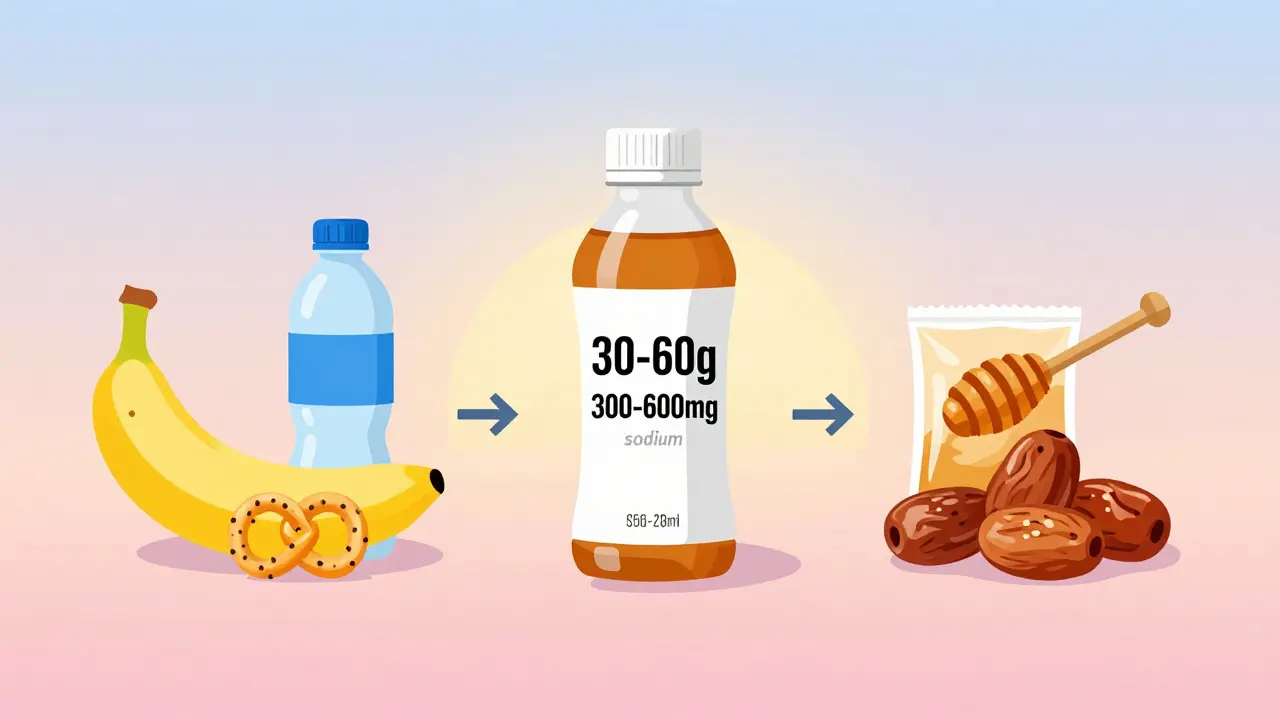
That’s why the best energy sources for athletes include electrolyte-enhanced options. Whether it’s a drink, a tablet, or a salted snack, you need to replace what you lose. For sessions longer than 60 minutes, aim for 300-600 mg of sodium per hour. For shorter, high-intensity workouts, a pinch of salt in your water or a sports drink is enough.
Protein? Not for Energy-but Still Important
Protein doesn’t give you quick energy. Your body turns it into glucose only when carbs are gone, and that’s inefficient. But during long events (over 2 hours), your body starts breaking down muscle for fuel. Adding a small amount of protein (10-20 grams per hour) to your fuel mix can reduce muscle damage.Studies on ultra-runners show that a 4:1 ratio of carbs to protein (like 40g carbs + 10g protein per hour) reduces muscle soreness and improves recovery. That’s why some endurance drinks now include whey or pea protein. It’s not for energy-it’s for preservation.
Real Food Beats Fancy Drinks
Let’s be honest: not every athlete can-or wants to-drink a sports beverage every hour. And that’s fine. Real food works too.Professional cyclists on the Tour de France snack on rice cakes, dried fruit, bananas, and even sandwiches. Marathoners chew on dates. CrossFit athletes eat honey packets. These aren’t gimmicks-they’re tested, simple, and effective.
The trick? Choose foods that are:
- Easily digestible (low fiber, low fat)
- High in simple carbs
- Low in volume (you can’t eat a whole apple mid-run)
- Portable and non-perishable
For example: 2 dates = 40g carbs, 100 calories. A honey packet = 17g carbs, 60 calories. A handful of pretzels = 25g carbs, 120 calories. These are cheaper, more natural, and often better tolerated than commercial gels.
What to Avoid
Not all energy products are created equal. Here’s what to skip:- Energy drinks with more than 200 mg of caffeine per serving-too much can cause jitters, nausea, or heart palpitations
- Drinks with artificial colors or preservatives like BHA, BHT, or sodium benzoate-they can trigger inflammation in sensitive individuals
- ‘Zero sugar’ drinks with sugar alcohols (sorbitol, xylitol)-they cause bloating and diarrhea during exercise
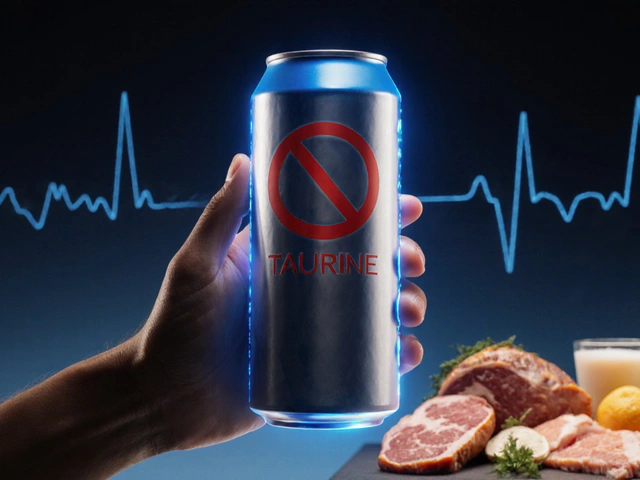
- Energy shots with taurine, guarana, or ‘proprietary blends’-they’re often underdosed and untested
Stick to transparency. If the label doesn’t list exact amounts of carbs, sodium, and caffeine, walk away.
The Bottom Line
The best energy for athletes isn’t one magic drink. It’s a combination of:- Carbohydrates (30-60g per hour during activity)
- Electrolytes (especially sodium: 300-600mg per hour)
- Caffeine (if tolerated: 100-200mg for focus)
- Minimal additives-no junk, no gimmicks
For short workouts under 60 minutes, water and a banana are enough. For longer sessions, a well-formulated sports drink or real food like dates and pretzels works better than any energy drink with a flashy label.
Test everything in training. Never try a new energy source on race day. Your gut is just as important as your lungs and legs.
What About Energy Drinks for Athletes?
Yes, some energy drinks can fit into an athlete’s plan-but only if they’re chosen carefully. Look for ones that:- Contain 30-60g of carbs per serving
- Have 300-600mg of sodium
- Include 100-200mg of caffeine
- Use glucose and fructose (not just sucrose)
- Have no artificial sweeteners or sugar alcohols
Brands like Powerade, Tailwind, and Gatorade Endurance meet these criteria. Avoid energy drinks marketed to gamers or partygoers. They’re not built for endurance.
Are energy drinks safe for athletes?
Yes, but only if they’re formulated for sports. Energy drinks made for general consumers often have too much caffeine, sugar, or artificial ingredients. Athletes should choose drinks with 30-60g of carbs, 300-600mg of sodium, and 100-200mg of caffeine per serving. Always test them in training before using them in competition.
Can I just drink water instead of sports drinks?
For workouts under 60 minutes, yes. For longer or hotter sessions, no. Water doesn’t replace electrolytes lost in sweat. Without sodium, your body can’t hold onto water properly, and performance drops. A sports drink or electrolyte tablet is better for anything over 60 minutes of intense activity.
Is caffeine good or bad for athletes?
It’s good-when used right. 3-6 mg of caffeine per kg of body weight improves endurance and focus. But too much (over 400 mg) can cause anxiety, stomach issues, or disrupted sleep. Start low-100 mg-and see how your body reacts. Avoid it in the afternoon if you train late.
Do I need protein in my energy drink?
Not for energy, but it helps during long events. Adding 10-20g of protein per hour during endurance activities (like marathons or triathlons) reduces muscle breakdown. For short workouts, it’s unnecessary. Look for drinks with a 4:1 carb-to-protein ratio if you’re going over 2 hours.
What’s better: energy gels or real food?
It depends on your gut. Gels are convenient and fast-absorbing, but some people get stomach upset. Real food like dates, bananas, or pretzels works just as well and is cheaper. The best option is whatever you can tolerate without cramps or nausea. Test both in training.