The Healthiest Caffeine Drinks: Best Low-Sugar Energy Options
Quick Summary: What to Drink for Health
- Gold Standard: Green tea or Matcha for a steady, focused lift.
- Best for Productivity: Black coffee or plain espresso (no sugar).
- Best Natural Alternative: Yerba Mate for a punchy energy boost without the crash.
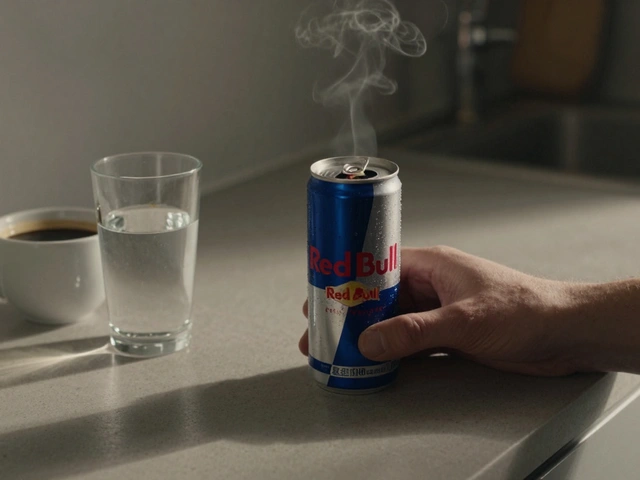
- What to Avoid: Pre-mixed energy drinks with high fructose corn syrup and artificial dyes.
The Truth About Your Morning Brew
When we talk about the healthiest caffeine drinks, we have to look at the delivery system. Caffeine itself is a powerful tool-it blocks adenosine receptors in your brain to stop you from feeling sleepy-but it's the 'package' that matters. For example, Black Coffee is a natural brew of roasted coffee beans containing antioxidants and caffeine. In its pure form, it has almost zero calories and can actually improve cognitive function. However, once you add 40 grams of sugar and heavy cream, it becomes a dessert, not a health drink.
The real problem with modern energy drinks is the 'spike and crash' cycle. When you drink a beverage loaded with sugar, your blood glucose skyrockets. Your pancreas pumps out insulin to handle it, which then drops your blood sugar rapidly. This is why you feel exhausted two hours after a sugary energy drink, even though you have caffeine in your system. To avoid this, you need drinks that either have no sugar or contain L-theanine, an amino acid that smooths out the caffeine hit.
Matcha and Green Tea: The Steady Energy Path
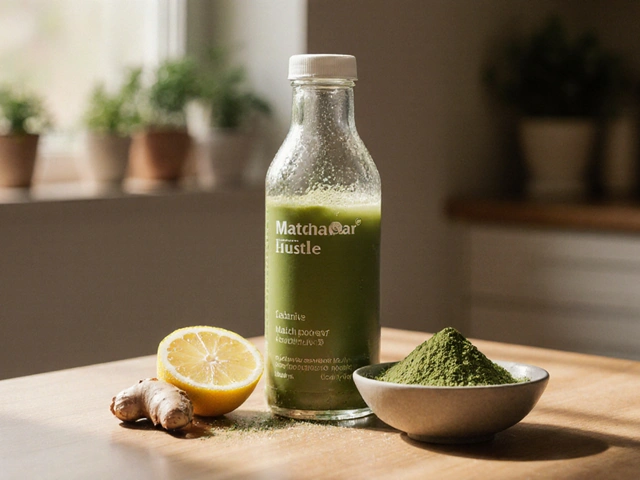
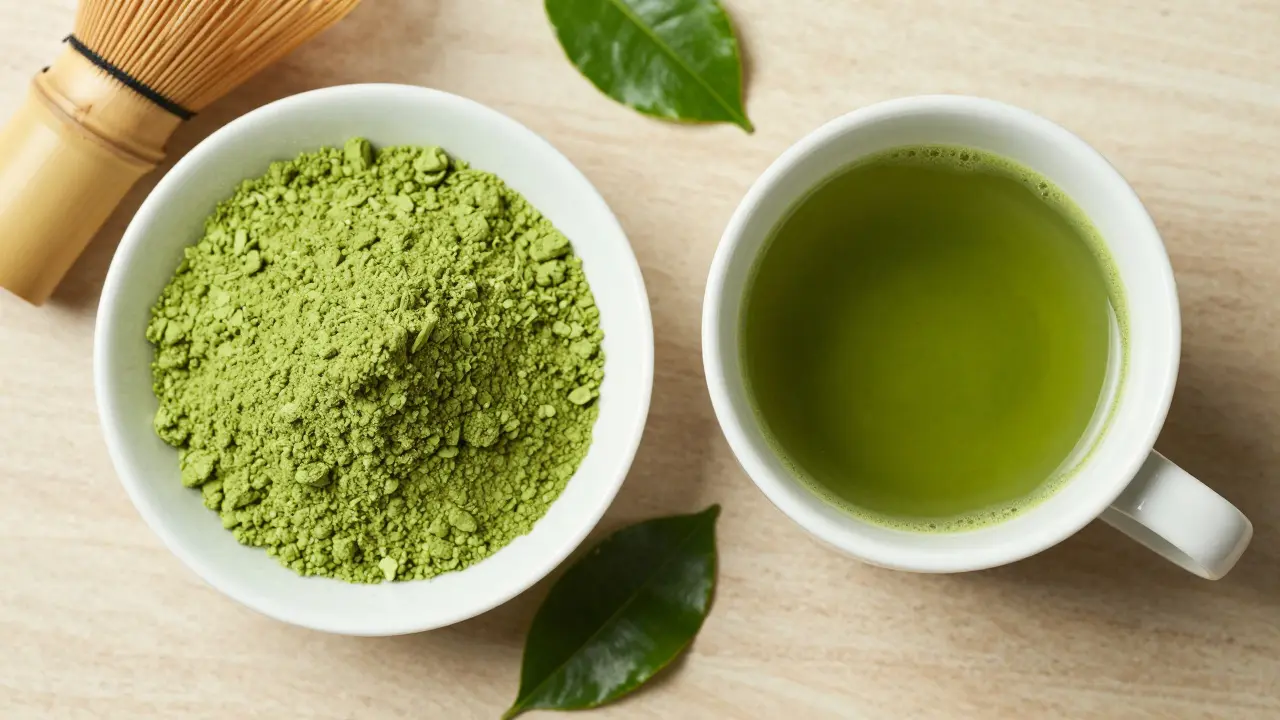
If you want the absolute healthiest option, Matcha is the winner. Unlike regular tea where you steep the leaves and throw them away, Matcha is a powdered green tea where you consume the entire leaf. This means you get a higher concentration of EGCG, a potent antioxidant that protects your cells from damage.
But the real magic is the combination of caffeine and L-theanine. L-theanine promotes relaxation without drowsiness. When paired with caffeine, it creates a state of 'calm alertness.' Instead of the heart-racing anxiety you might get from an espresso, Matcha provides a slow release of energy that can last 4 to 6 hours. It's the difference between a sudden explosion and a steady glow.
| Drink Type | Typical Caffeine (mg) | Primary Benefit | Crash Risk |
|---|---|---|---|
| Black Coffee | 95-150 | Immediate alertness | Moderate |
| Matcha Tea | 70-120 | Sustained focus | Very Low |
| Yerba Mate | 80-130 | Mental clarity | Low |
| Sugar Energy Drink | 150-300 | Rapid spike | Very High |
Yerba Mate: The South American Powerhouse
For those who find tea too weak but coffee too harsh, Yerba Mate is a fantastic middle ground. This traditional drink from Argentina and Brazil comes from the leaves of the Ilex paraguariensis tree. It's often described as having the strength of coffee but the health benefits of tea.
Yerba Mate contains a cocktail of stimulants called xanthines, including caffeine and theobromine. Theobromine is the same compound found in dark chocolate; it acts as a mild vasodilator, which means it opens up blood vessels and can help reduce the 'tight' feeling in the chest that some people get from coffee. It also provides a significant amount of saponins, which are natural soap-like molecules that help the body absorb nutrients and may lower bad cholesterol.
Avoiding the Energy Drink Trap
Let's be honest: most commercial energy drinks are chemical experiments. They often rely on Taurine and Glucuronolactone to enhance the effects of caffeine. While these aren't necessarily toxic in moderation, they are often paired with artificial sweeteners like aspartame or acesulfame potassium. Some recent nutritional research suggests that artificial sweeteners can disrupt the gut microbiome, potentially affecting how you process sugar in the long run.
If you absolutely must have a canned energy drink, look for those that are:
- Unsweetened or sweetened with a small amount of stevia.
- Based on green tea or coffee extract rather than synthetic caffeine anhydrous.
- Free from synthetic dyes (like Red 40 or Yellow 5) which have been linked to hyperactivity in some individuals.
How to Optimize Your Caffeine Intake
Even the healthiest drink can become a problem if you use it incorrectly. Many of us make the mistake of drinking caffeine the second we wake up. However, your body naturally produces Cortisol (the stress hormone) in the early morning to wake you up. If you flood your system with caffeine during this peak, you can develop a tolerance faster and potentially interfere with your natural wake-up cycle.
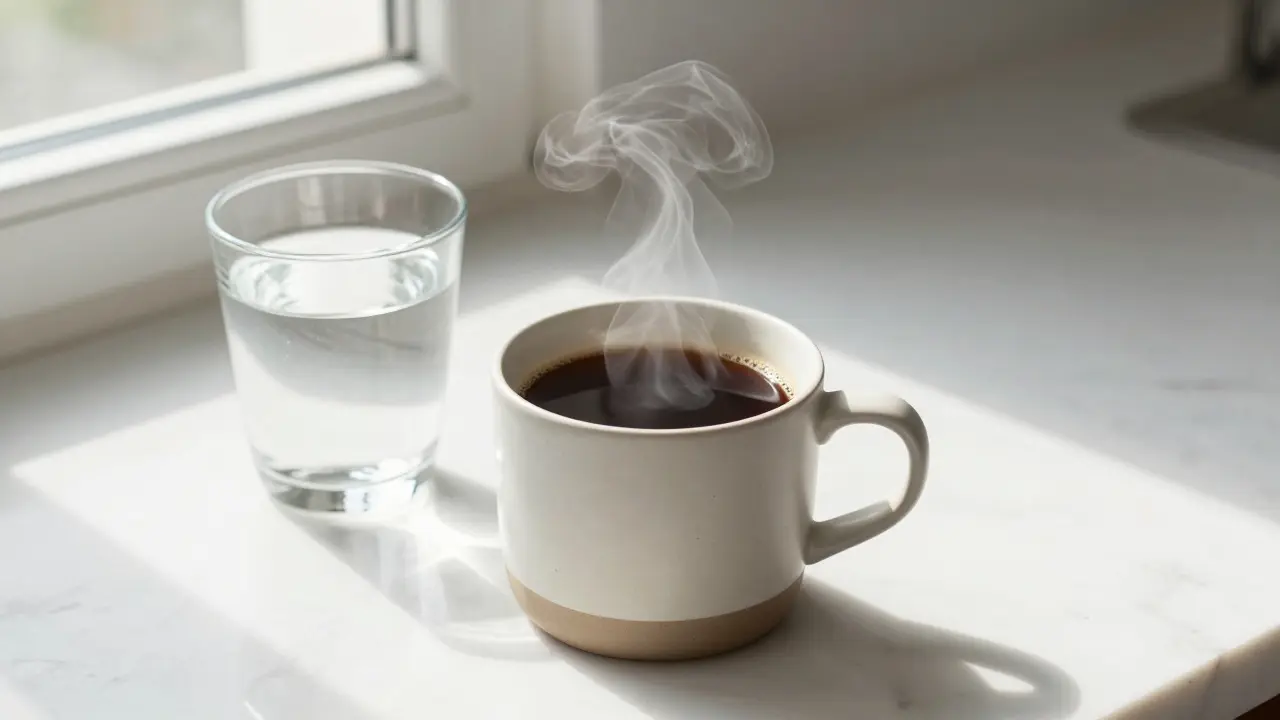
A better strategy is to wait 90 to 120 minutes after waking. This allows your adenosine levels to stabilize and ensures that when the caffeine hits, it's actually doing its job rather than just masking a hormonal imbalance. Additionally, always pair your caffeine with a glass of water. Caffeine is a mild diuretic, and dehydration is one of the leading causes of the 'brain fog' people mistake for a caffeine crash.
The Role of Diet in Energy Levels
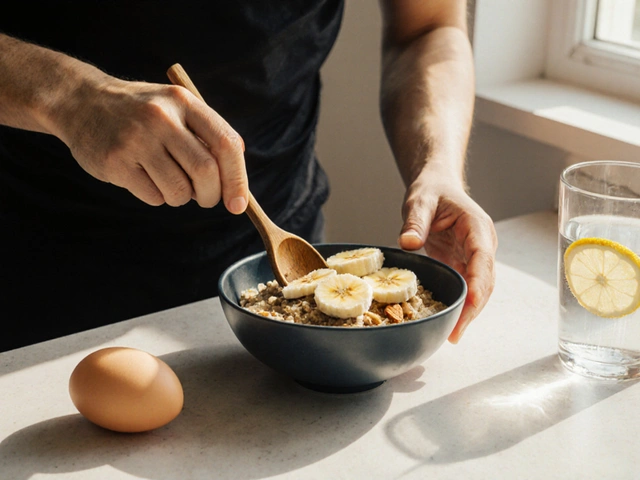
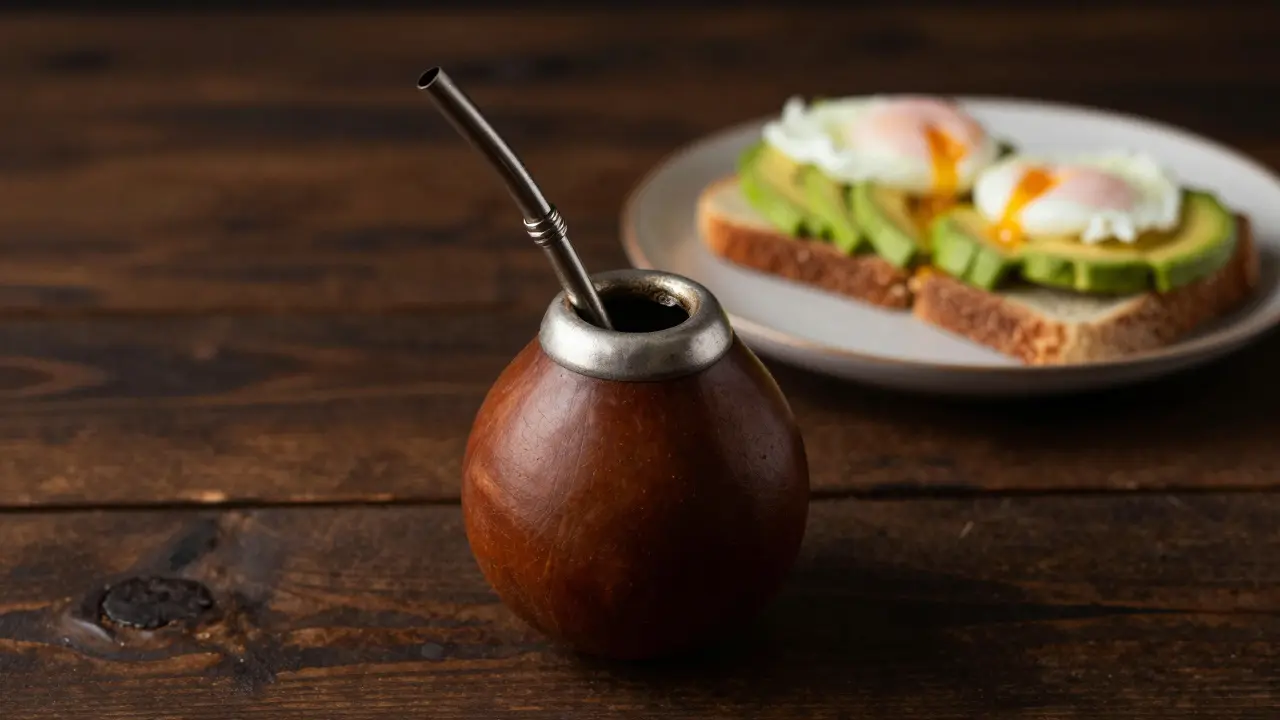
It's important to remember that no drink is a substitute for actual fuel. If you're drinking three cups of coffee but eating nothing but processed carbs, your caffeine is just a band-aid. To maximize the health benefits of your caffeine source, pair it with a breakfast containing healthy fats and proteins-like eggs and avocado. This slows the absorption of caffeine and prevents the jagged energy spikes that lead to anxiety.
Is black coffee actually healthy?
Yes, in moderation. Black coffee is rich in chlorogenic acids and other polyphenols that have anti-inflammatory effects. The key is to avoid adding sugar and non-dairy creamers that contain hydrogenated oils. If you struggle with acidity, switching to a cold brew process reduces the acid content by about 60%, making it easier on the stomach.
Does Matcha have more caffeine than coffee?
Generally, no. A typical cup of coffee has more caffeine than a serving of Matcha. However, because Matcha contains L-theanine and is absorbed more slowly, the energy feels more consistent and lasts longer, whereas coffee provides a sharper, more immediate spike.
Can I drink Yerba Mate every day?
For most people, yes. Yerba Mate is a traditional daily beverage in many cultures. However, because it is quite potent, you should monitor your sensitivity. If you notice sleep disturbances or increased anxiety, try limiting your intake to before noon.
What is the worst thing to drink for energy?
The worst options are high-sugar energy drinks and flavored coffee syrups. These create a massive glucose spike followed by a crash. This cycle puts a strain on your pancreas and can lead to insulin resistance over time, making you feel more tired in the long run.
Why do some people get the 'jitters' from caffeine?
The jitters usually happen when caffeine stimulates the release of adrenaline too quickly, or when you have it on an empty stomach. This is why drinks like Matcha or Yerba Mate are often better-they provide a smoother transition of energy without the sudden adrenaline surge.
Next Steps for Better Energy
If you're looking to transition to a healthier routine, don't switch everything overnight. If you're used to sugary energy drinks, your brain is addicted to the glucose spike. Start by swapping one of your daily drinks for a green tea or black coffee. Once your palate adjusts to the lack of sugar, you'll notice that your energy levels throughout the day become much more stable.
For those who still struggle with afternoon slumps, try a 'caffeine nap.' Drink a small cup of green tea or coffee and immediately take a 20-minute nap. Since caffeine takes about 20-30 minutes to hit your bloodstream, you'll wake up just as the caffeine kicks in, clearing out the adenosine in your brain and giving you a double boost of freshness.