Why is Gatorade Banned Overseas? Facts About Global Restrictions and Formulas
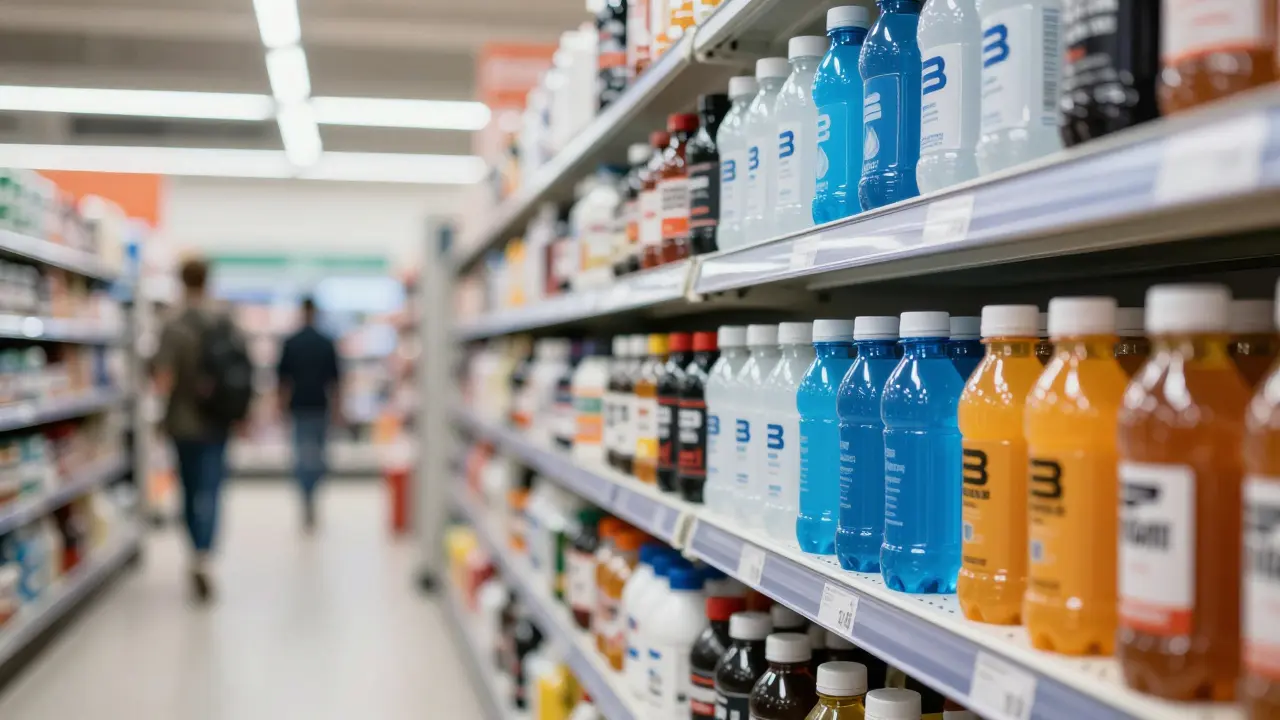
You might have heard the rumor floating around social media or gym chats: Gatorade is illegal outside the United States. People claim you can't find it in Europe or Asia because of some obscure government rule. It makes sense why someone would ask that. If you travel often, you notice empty shelves where the familiar blue bottle should be. However, the short answer is that Gatorade isnot banned overseas. It is available in dozens of countries, including here in Australia. The confusion comes from differences in flavor availability, pricing strategies, and how other local brands compete.
While the product itself is legal almost everywhere, the story behind its global presence is more complex than a simple "yes" or "no." To understand why it feels unavailable, we need to look at the parent company, PepsiCoowns and distributes Gatorade globally, and how they adjust their strategy for different markets. Sometimes, supply chains get interrupted. Other times, local competition is just stronger.
The Truth About International Availability
When travelers say they can't find Gatorade in Europe or Japan, they usually mean they can't find the specific flavors they are used to back home. You won't see Lemon-Lime in every UK supermarket the way you do at a Texas gas station. That doesn't equal a ban. A ban implies a legal prohibition, usually due to safety concerns or political sanctions. We haven't seen any major regulatory body classify Gatorade as a hazardous substance.
In fact, if you walk into a convenience store in Sydney, London, or Tokyo, you will likely spot a bottle labeled as Gatorade. Sometimes it sits in the sports nutrition section rather than the soft drink aisle. The distribution model differs significantly. In the US, hydration beverages sit right next to sodas and water. Overseas, retailers often group them closer to supplements or health foods. This shelving trickery can create the illusion that the brand isn't sold there.
There were also periods of logistical hiccups. During global shipping crises, brands sometimes halted exports to prioritize domestic stock. Those gaps in inventory last weeks or months. When people return from vacations seeing empty shelves, they assume something got outlawed. It was just a temporary shortage.
Ingredient Differences Between Regions
A bigger reason for the confusion lies in the formula. Regulations regarding food additives vary wildly across borders. What gets approved by the FDAregulates food and drugs in the United States does not always pass inspection elsewhere. Let's break down where the friction happens.
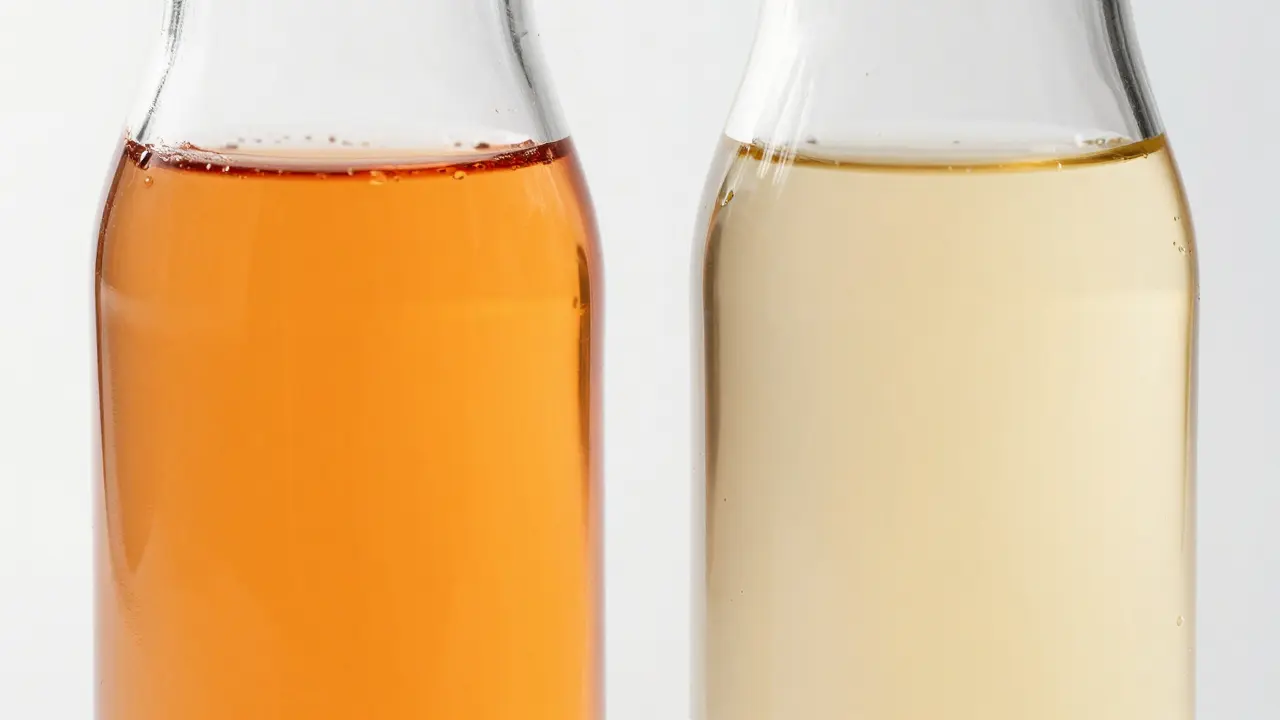
One major point of contention is artificial coloring. The US market accepts Red 40 (Allura Red AC) without much fuss. In the European Union, the EFSA (European Food Safety Authority) has stricter limits on synthetic dyes. While they aren't completely banned, products containing them must carry warning labels. To avoid sticker shock or negative consumer perception, manufacturers like PepsiCo often remove these colorants for the European formula. So, the orange drink in Germany looks paler than the one in New York.
| Ingredient | United States Formula | European Formula | Australian Formula |
|---|---|---|---|
| Sugar Type | Sucrose / Glucose | Sucrose / Fructose | Glucose Fructose Syrup |
| Coloring Agents | FD&C Blue #1, Red #40 | E102, E129 (Strict Limits) | Natural Color Sources |
| Sodium Level | ~110mg per serving | Variable | Standardized to AU Standards |
| Preservatives | Sodium Benzoate | Vary by variant | Benzoates allowed |
You also see changes in sugar types. US versions often use sucrose or glucose mixes tailored for quick absorption. In parts of Asia and Europe, high-fructose corn syrup is less favored or taxed more heavily. Manufacturers swap to cane sugar blends to meet local tastes and tax codes. If you taste a European Gatorade and find it slightly sweeter, that's the fructose balance working.
Another factor involves vitamin fortification. Some countries view adding Vitamin C or B-complexes to sports drinks as medical claims unless proven otherwise. The US allows broad marketing claims about "energy boost." The EU requires more clinical evidence before you can imply a health benefit on the label. Consequently, bottles abroad often strip away the marketing fluff about performance enhancement, leaving just the basic hydration promise.
Regulatory Landscape: FDA vs. EFSA
To understand why the product looks different, you need to know who watches over your soda. In the US, the FDA operates under specific food laws established decades ago. They approve ingredients based on general safety thresholds. In contrast, the EFSA takes a precautionary principle approach. If an additive has even a slight link to hyperactivity in children, the EU restricts it faster than the FDA would.
This affects more than just dyes. Preservatives are a big deal. Sodium benzoate is standard in American shelf-stable drinks. In organic-leaning markets or eco-conscious regions, consumers push back against preservatives. Brands respond by using alternative preservation methods or shorter shelf lives. Gatorade adapts. They reformulate to keep the product stable without violating local purity standards.
We also need to talk about taxes. Many nations outside the US levy a sugar tax on beverages exceeding a certain sweetness threshold. This isn't a ban, but it functions similarly. If a bottle costs twice as much because of the tax, sales plummet. Retailers stop stocking it. That creates the same visual result as a ban-empty shelves-but for economic reasons instead of legal ones. You see this play out vividly in places like Mexico and parts of Southern Europe where high-sugar syrups are discouraged.
Local Competition Filling the Gap
In many countries, locals don't want Gatorade; they prefer homegrown options. Market preference drives supply. In the United Kingdom, Lucozade dominates the space. It has been around longer and holds a cultural status similar to Coca-Cola. Australians might gravitate towards generic supermarket brands like Coles Active or Woolworths Active. These local players offer lower prices and similar electrolyte profiles.
When you have a strong incumbent competitor, global giants like PepsiCo reduce marketing spend. They stop pushing the brand aggressively. Distribution becomes sporadic. You might find a two-liter jug in a big chain store, but smaller shops won't carry it. This fragmentation leads tourists to believe it was removed by law.
Consider the Japanese market. They have unique powders and instant packets that rehydrate athletes. These formats are cheaper to ship and store. Gatorade exists there, but often in powder form rather than bottled liquid. Liquid imports require cold storage and higher transport weight. Powder solves those logistics issues.
Health Trends and Consumer Pushback
Beyond logistics, health awareness plays a huge role. By 2026, sugar reduction is a top priority in almost every nation. Parents scrutinize labels more closely. Gatorade has faced criticism for being essentially sugary water disguised as sport fuel. In markets where public health guidelines are strict, parents may avoid buying it for school events.
Some schools have gone so far as banning sugary drinks from campus entirely, regardless of brand. If you try to bring a Gatorade to a primary school function in Australia, you might get stopped at security. This is a venue restriction, not a national ban. Yet, word travels fast. Someone hears about a school policy and assumes the government outlawed the whole drink.
Low-sugar variants are becoming the norm overseas. Zero-carb versions of Gatorade are more prevalent internationally than in the US. If you expect full sugar in London and see only zero-sugar, you might feel like the product isn't the "real thing." The shift toward diet and keto-friendly options means the classic formula feels increasingly scarce.
Can You Import It?
If you love the specific American version, can you mail order it? Yes, but there are catch-22 rules. Customs agencies monitor personal shipments. Bringing large quantities of food into another country triggers agriculture inspections. You aren't importing a weapon, but fruit concentrates or flavorings are monitored to prevent pests.
Most people end up paying a premium at duty-free shops at airports. This is the safest route. Buying domestically shipped goods online is tricky because distributors control territory rights. Buying German stock in the US violates distribution agreements. Buying US stock in Germany might violate import duties.
Ultimately, trying to bring it yourself rarely goes well. Airlines often confiscate liquids over 100ml. You cannot check-in liquids easily either due to spill risks. Stick to buying locally or at the airport gate.
Summary of Misconceptions
So, why does the rumor persist? It's a mix of marketing shifts, supply chain gaps, and local brand loyalty. The core takeaway is simple:
- Not Illegal: No government bans the sale of Gatorade outright.
- Formula Changes: Ingredients shift to match local safety laws and tastes.
- Distribution: Shelf space depends on retailer contracts and tax structures.
- Competition: Local brands often outsell global giants in specific regions.
Next time you hear someone claiming it's illegal to drink it in Paris, correct them. Just tell them it's just hard to find if you hunt for the wrong flavor.
Is Gatorade banned in Europe?
No, Gatorade is not banned in Europe. It is widely available, but the formula may differ slightly due to local regulations on artificial dyes and sugar content.
What ingredients in Gatorade are restricted overseas?
Some artificial food dyes like Red 40 face stricter labeling rules in the EU. High sugar content can also attract excise taxes in countries with anti-obesity policies.
Is Gatorade available in Australia?
Yes, Gatorade is commonly found in Australian supermarkets and sports stores. It follows Australian Food Standards regarding ingredients and labeling.
Why is Gatorade expensive overseas?
Import tariffs, distribution costs, and sugar taxes contribute to higher prices compared to the US domestic market price.
Are there better alternatives to Gatorade internationally?
Yes, brands like Lucozade (UK), Powerade, and various store-brand sports drinks offer similar electrolyte benefits with different flavor profiles.