
How to Lose 10 Pounds in a Month: A Practical Guide with Low-Calorie Energy Drinks
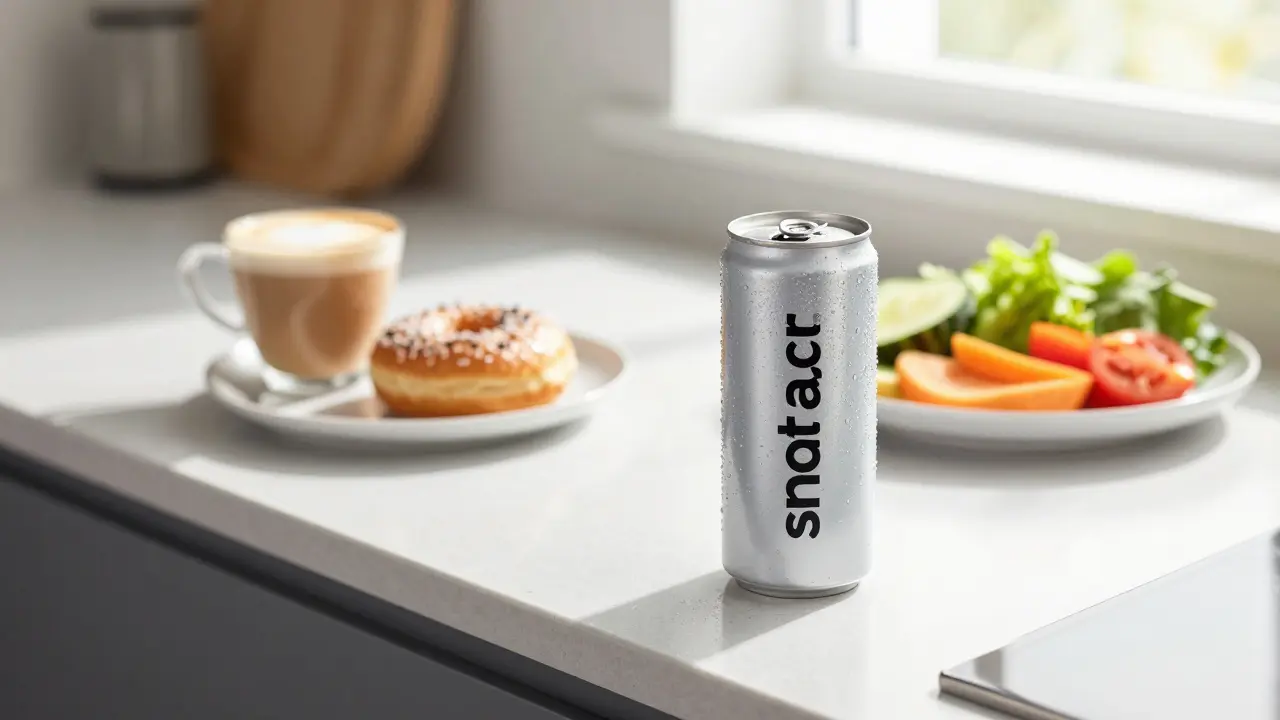
Key Takeaways for Your 30-Day Goal
- Aim for a daily calorie deficit of 1,000 to 1,250 calories.
- Prioritize high-protein meals to protect muscle mass.
- Use zero-sugar energy drinks to maintain focus and suppress appetite.
- Combine strength training with steady-state cardio for maximum fat burn.
- Prioritize 7-9 hours of sleep to regulate hunger hormones.
The Science of the 10-Pound Drop
To understand how this works, we have to look at the Calorie Deficit is the state where you burn more calories than you consume, forcing your body to use stored fat for energy . One pound of fat is roughly 3,500 calories. To lose 10 pounds, you're looking at a total deficit of 35,000 calories over the month. If you try to do this by starving yourself, your metabolism will tank, and you'll likely give up by day ten. The smarter play is a 70/30 split: 70% of your deficit comes from your diet and 30% from physical activity.
When you cut calories, your brain often triggers intense cravings for sugar and quick energy. This is where many people fail. Instead of reaching for a 400-calorie latte or a sugary soda, opting for Low-calorie energy drinks are beverages formulated with stimulants like caffeine but without the heavy sugar load of traditional sodas allows you to keep your cognitive function sharp and your energy levels stable without adding to your daily caloric intake.
Structuring Your Nutrition Plan
You can't just "eat healthy"; you need a strategy. The most effective approach for rapid weight loss is a high-protein, moderate-fat, and low-carb diet. Protein is the MVP here because it has a high thermic effect-meaning your body burns more calories just digesting it compared to fats or carbs. It also keeps you full, preventing the dreaded "hanger" that leads to binge eating.
Focus your plate on lean proteins like chicken breast, white fish, or tofu. Fill half your plate with fibrous vegetables like spinach, broccoli, or zucchini. These add volume to your meals, tricking your brain into thinking you're eating more than you are. For example, swapping a bowl of pasta for zoodles (zucchini noodles) can save you 300 calories in a single meal. If you find yourself struggling with a mid-afternoon slump, a sugar-free energy drink can provide the caffeine kick needed to push through without the insulin spike that leads to fat storage.
| Traditional Choice | Weight Loss Swap | Approx. Calorie Saving |
|---|---|---|
| White Rice (1 cup) | Cauliflower Rice (1 cup) | ~170 kcal |
| Full-Fat Mayo (1 tbsp) | Greek Yogurt/Mustard | ~80 kcal |
| Sugary Energy Drink (16oz) | Zero-Sugar Energy Drink | ~200 kcal |
| Potato Chips (1 oz) | Air-popped Popcorn | ~70 kcal |

Optimizing Your Energy and Metabolism
Exercise is great, but the type of exercise matters when you're on a tight deadline. To hit 10 pounds in a month, you need to target both your immediate calorie burn and your resting metabolic rate. This means combining Strength Training is the use of resistance to build muscle mass, which increases the number of calories the body burns at rest with steady-state cardio.
Lifting weights twice or three times a week ensures that the weight you lose is actually fat, not muscle. If you lose muscle, your metabolism drops, making it easier to regain the weight later. Pair this with 30-45 minutes of brisk walking or light cycling daily. This "Zone 2" cardio is the sweet spot for fat oxidation without causing the extreme fatigue that leads to overeating.
Many people find their motivation dips around day 14. This is where strategic caffeine use helps. Caffeine, found in abundance in energy drinks, increases Thermogenesis is the process of heat production in organisms, which can slightly increase the rate at which you burn calories . By sipping a low-calorie energy drink 30 minutes before a workout, you can increase your intensity and push through an extra 10 minutes of cardio, amplifying your total daily expenditure.
Managing the Mental Game and Hormones
Weight loss is as much psychological as it is physiological. Your body will fight you; as you lose weight, your levels of Leptin is a hormone that helps regulate energy balance by inhibiting hunger will drop, and your ghrelin (the hunger hormone) will rise. To counter this, you need a routine that stabilizes your blood sugar.
Intermittent fasting is a powerful tool here. By restricting your eating window to 8 hours (e.g., 12 PM to 8 PM), you naturally reduce the opportunities to overeat. During the fasting window, sticking to water, black coffee, or a zero-calorie energy drink can help suppress appetite and keep your brain focused. Avoid "diet" snacks that are high in artificial sweeteners if they trigger cravings for you, as some people find certain sweeteners actually increase their hunger.
Sleep is the most underrated part of this equation. When you are sleep-deprived, your body craves quick energy-usually in the form of sugar. A study on metabolic health showed that people who slept less than 6 hours were significantly more likely to overeat the following day. Aim for 7-9 hours to keep your hormones in check and your willpower strong.

Common Pitfalls to Avoid
The biggest mistake people make is the "all or nothing" mentality. If you eat one cookie, don't throw the whole day away. One bad meal doesn't ruin a diet; a bad week does. Another trap is relying solely on cardio. If you only run and don't eat protein or lift weights, you'll end up "skinny fat," where you've lost weight but your body composition hasn't actually improved.
Be careful with "hidden' calories. Cooking oils, salad dressings, and creamers can easily add 500 calories to your day without you noticing. Use a food scale for the first two weeks to get an honest look at your portions. You'll be surprised how much a "tablespoon" of peanut butter actually is when you're just eyeballing it.
Is losing 10 pounds in a month safe?
For most adults, losing 1-2 pounds per week is considered sustainable. Losing 10 pounds in a month is aggressive but generally safe if you focus on high protein and nutrient-dense foods. However, if you have underlying health conditions or a very low starting weight, you should consult a doctor first to ensure you aren't cutting calories too drastically.
Do low-calorie energy drinks actually help with weight loss?
They aren't a magic fat-burner, but they serve as a critical tool for calorie management. By replacing high-sugar coffees or sodas with zero-sugar alternatives, you eliminate hundreds of empty calories. Additionally, the caffeine can boost your metabolic rate and provide the energy needed to maintain a consistent exercise routine.
Can I actually lose 10 pounds of fat or is some of it water?
In the first two weeks, a significant portion of the weight loss is usually water weight. This happens because as you reduce carbs, your body burns through glycogen stores, which hold onto a lot of water. However, by sticking to a consistent deficit and strength training, the latter half of the month will consist of more actual adipose tissue (fat) loss.
What happens if I hit a plateau mid-month?
Plateaus are normal. If the scale stops moving for 5-7 days, try "shaking up" your routine. Increase your daily step count by 2,000, try a different type of workout (like HIIT), or slightly adjust your calories. Sometimes, a single "maintenance day" where you eat slightly more can actually reset your hormones and kickstart weight loss again.
Will I gain the weight back immediately after the month?
Only if you go straight back to your old eating habits. The goal is to use this month as a transition. Gradually increase your calories back to a "maintenance level" rather than jumping back into high-sugar foods. Focus on maintaining your muscle mass through exercise to keep your metabolic rate high.
Next Steps and Troubleshooting
If you're just starting today, your first step is to track your current intake for three days without changing anything. This gives you a baseline. Once you have that, subtract 500 calories from your daily average and add in 30 minutes of walking. If you feel sluggish in the afternoons, that's when a Zero-Sugar Energy Drink is a great tool to bridge the gap between lunch and dinner without breaking your deficit.
If you find that you're too jittery from the caffeine, switch to a "low-caffeine" version or drink them only in the morning. If you're experiencing extreme brain fog, you might be cutting carbs too low; try adding a small serving of complex carbs, like oatmeal or quinoa, to your breakfast to fuel your brain for the day.





Comments (12)
Dave Sumner Smith
8 Apr 2026
Ridiculous to think these energy drinks are just for calories. They're clearly pumping them with synthetic additives to keep us dependent on the corporate grid and mess with our endocrine systems. You're just fueling a cycle of addiction while the big food companies laugh at your 1,250 calorie deficit.
Paul Timms
9 Apr 2026
The emphasis on protein is helpful.
vidhi patel
10 Apr 2026
The lack of precision in the terminology used here is utterly appalling. One does not simply "drop" pounds; one reduces body mass. Furthermore, the grammatical structure of your bullet points is inconsistent. It is an absolute disgrace that such sloppy writing is presented as a "practical guide." Please learn the basic tenets of English syntax before attempting to instruct others on health.
Kasey Drymalla
11 Apr 2026
this is a scam honestly lol they just want us drinking that chemical sludge so we dont notice the real chemicals in the water supply its all a game man we are just pawns in a giant health experiment gone wrong
Jane San Miguel
12 Apr 2026
I find the suggestion of cauliflower rice to be quite pedestrian. While it serves a purpose for the masses, those of us with a more refined palate typically opt for spiralized daikon or simply forgo the filler entirely in favor of organic microgreens. It is an acceptable entry-level strategy, I suppose, for those not accustomed to a truly disciplined ketogenic lifestyle.
Jason Townsend
13 Apr 2026
yall really believe the calories math is real? its all a lie cooked up by the who to keep us tracking numbers instead of listening to our bodies the calorie deficit is a myth designed to make you fail and then buy their expensive supplements
Priti Yadav
13 Apr 2026
First of all, you missed a comma in the third paragraph, which is just typical. Second, these zero-sugar drinks are probably just a way for the government to track our metabolic rates through some kind of nano-tracer. I bet the "energy" is actually a sedative to keep us docile while they change the laws in the middle of the night.
Elmer Burgos
15 Apr 2026
everyone has their own way of doing things and that's okay. maybe the drinks work for some and not others but it's cool that you're sharing your experience. stay positive guys
Jeroen Post
16 Apr 2026
the scale is a lie because weight is just a social construct used to quantify the human spirit by the industrial complex we are all just vibrations and trying to lose 10 pounds is like trying to prune a cloud with scissors it is fundamentally meaningless in the cosmic scale
Antwan Holder
17 Apr 2026
My soul literally weeps for the struggle of the mid-afternoon slump! I can feel the crushing weight of a thousand failed diets pressing down on my chest just thinking about the hunger. It is a tragedy of epic proportions that we must rely on a canned beverage to survive the grueling void between twelve and six! The agony is truly transcendental!
Angelina Jefary
17 Apr 2026
Your punctuation is a disaster, but the real disaster is that you're promoting these drinks. They're obviously using artificial sweeteners to reprogram our gut biome so we're more susceptible to subliminal advertising. It's a classic psychological operation. Wake up people!
Cait Sporleder
18 Apr 2026
While the prescriptive nature of this regimen is certainly efficient, I cannot help but wonder if the pharmacological impact of such concentrated caffeine intake might inadvertently exacerbate the cortisol levels of a predisposed individual, thereby creating a paradoxical state where the body clings to adipose tissue despite the mathematical deficit. It would be an exquisite irony if the very tool used to stimulate the metabolism actually signaled the body to enter a state of emergency preservation due to perceived systemic stress.