
Is It OK to Drink Sports Drinks Every Day?
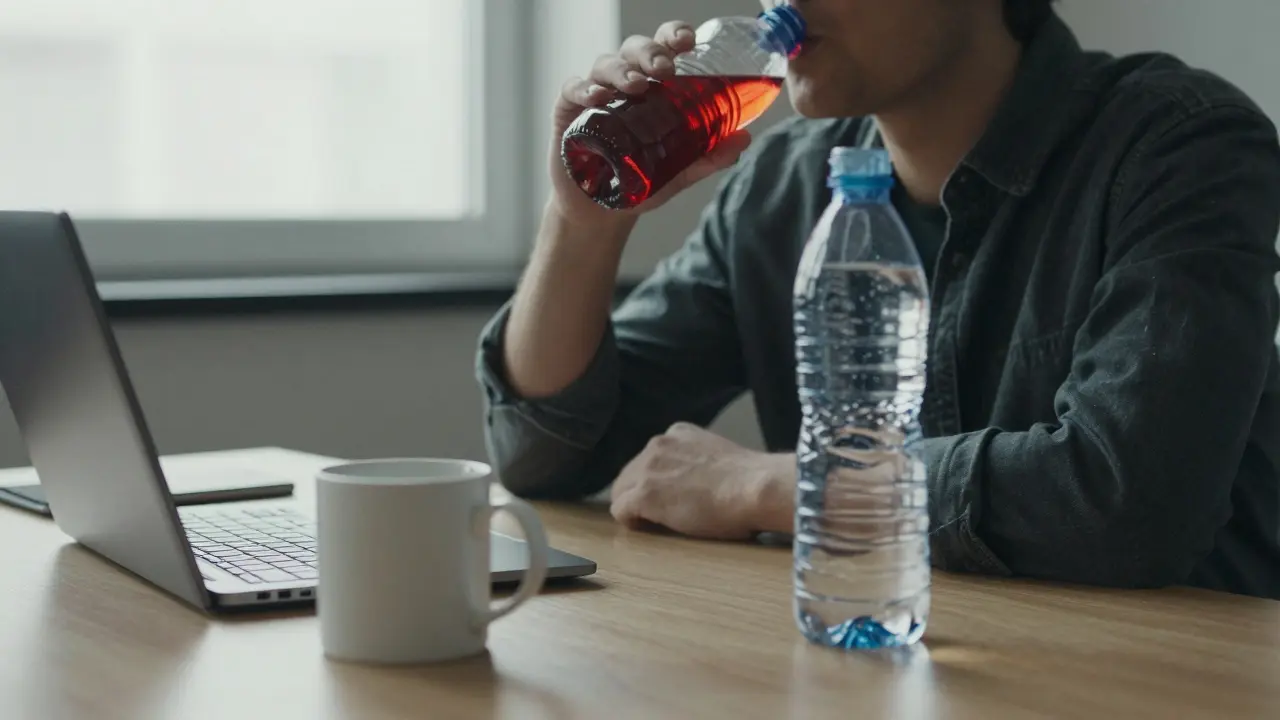
Drinking a sports drink after a hard workout feels like a reward. The cool, sweet taste, the tingling sensation from electrolytes-it’s designed to make you feel refreshed. But what if you’re sipping one every day, even on days you barely move? Is that really okay? The short answer: sports drinks aren’t meant for daily use unless you’re training hard, multiple times a day.
What’s actually in sports drinks?
Most sports drinks contain three main ingredients: water, sugar, and electrolytes like sodium and potassium. Some also have small amounts of carbohydrates to fuel muscles during intense activity. For example, a typical 600ml bottle of a popular sports drink has around 36 grams of sugar-that’s nearly 9 teaspoons. That’s more sugar than a can of soda. And while sodium helps replace what you lose through sweat, your body doesn’t need extra salt on days when you’re not sweating buckets.
Here’s the thing: your body is great at regulating fluids and minerals on its own. Unless you’re running a marathon, playing three hours of soccer, or training in 40°C heat, you don’t need the extra sugar or sodium that sports drinks offer. Plain water does the job just fine.
Why daily use can backfire
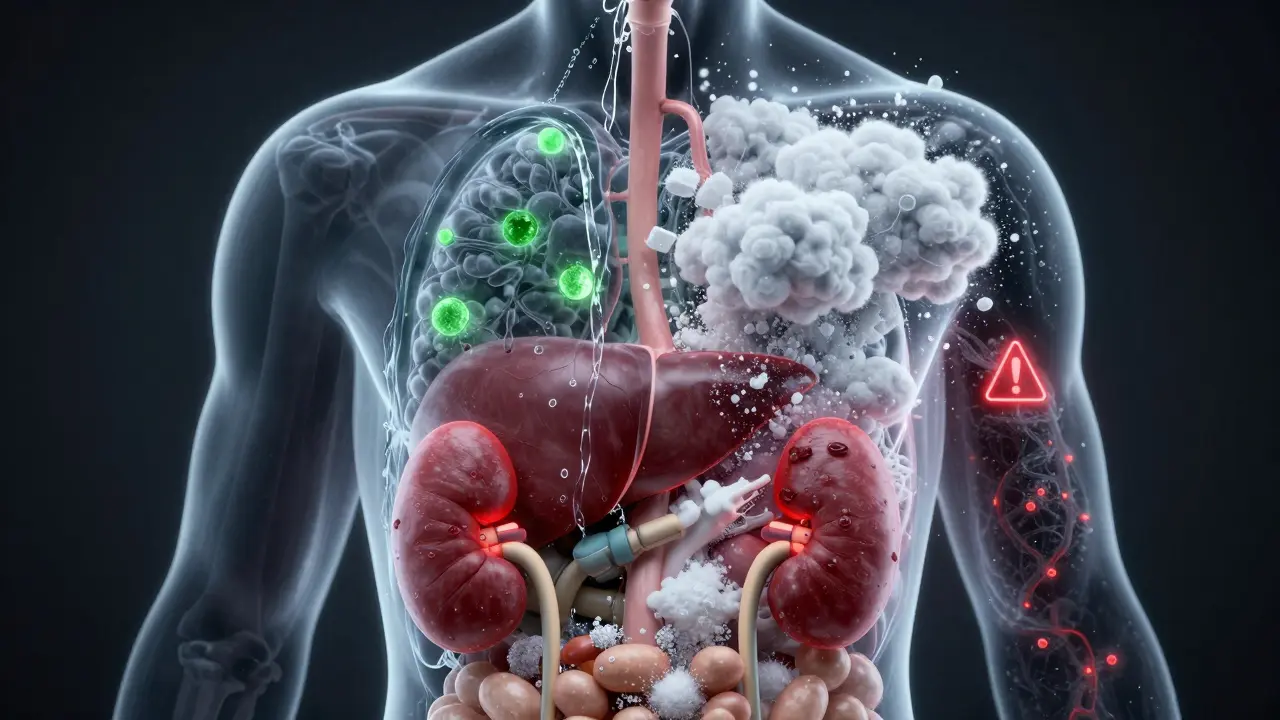
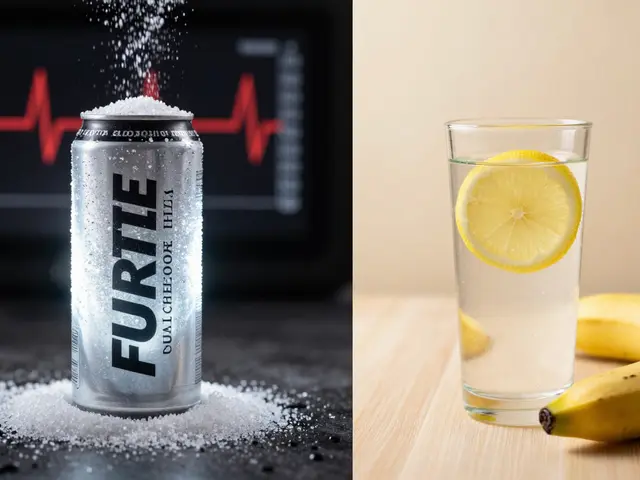
Drinking sports drinks every day-even if you’re not exercising-can quietly wreck your health. The sugar adds up fast. The American Heart Association recommends no more than 25 grams of added sugar per day for women and 36 grams for men. One bottle of sports drink can hit or exceed that limit. Over time, that extra sugar increases your risk of weight gain, fatty liver, insulin resistance, and even tooth decay.
And it’s not just sugar. Regularly consuming high-sodium drinks can raise blood pressure, especially if you’re already eating a lot of processed foods. A 2023 study from the University of Queensland tracked 1,200 adults who drank sports drinks daily. Those who weren’t athletes had a 22% higher chance of developing high blood pressure over three years compared to those who stuck to water.
Even if you think you’re "just being healthy" by choosing a sports drink over soda, you’re not. The label might say "low sugar," but many of those versions swap sucrose for fructose or corn syrup, which hit your liver the same way. And they still pack in sodium-sometimes more than the regular version.
Who actually needs sports drinks?
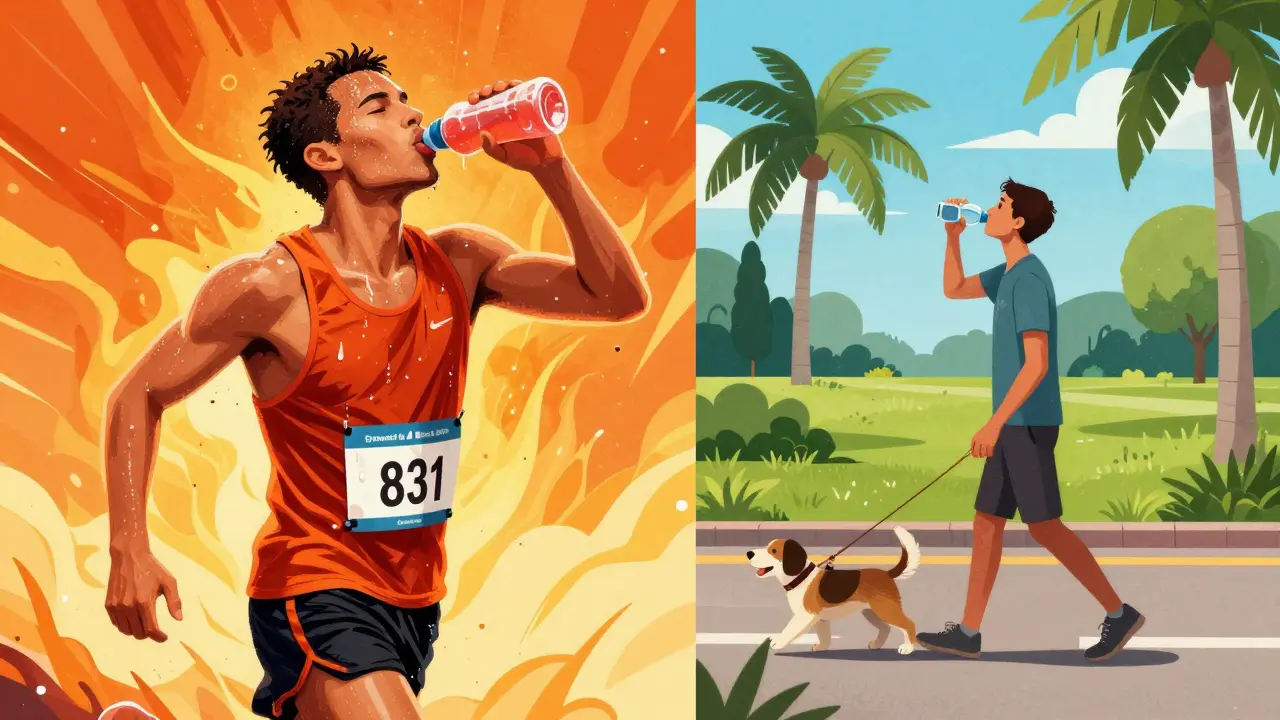
Sports drinks were designed for endurance athletes-people who train for 90 minutes or more, in hot conditions, and sweat heavily. Think marathon runners, triathletes, or professional soccer players in tropical climates. For them, replacing lost fluids and electrolytes during and after training isn’t optional-it’s critical.
But even then, they don’t drink them all day. They use them strategically: during long sessions, and sometimes right after. Most elite athletes switch back to water or diluted electrolyte solutions the rest of the day.
For the average person? If you’re walking the dog, doing yoga, or lifting weights for 45 minutes, water is enough. Your body doesn’t lose enough electrolytes in that time to need a replacement drink. Your food provides all the sodium and potassium you need.
What should you drink instead?
Here’s a simple rule: if you didn’t sweat for over an hour in the heat, stick to water. If you’re craving flavor, try adding a slice of lemon, cucumber, or mint. You can also make your own low-sugar electrolyte drink by mixing 500ml of water with a pinch of salt and a splash of 100% fruit juice. No additives. No hidden sugars. Just what your body actually needs.
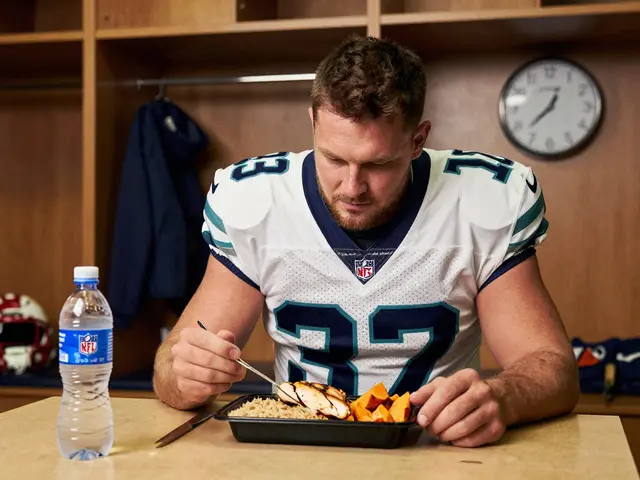
For recovery after moderate exercise? A banana and a glass of water gives you potassium, natural sugars, and hydration-all without the chemical cocktail. Or try a small serving of yogurt with berries. Real food works better than processed liquids.
What about "zero sugar" sports drinks?
They sound better, right? But they’re not a magic fix. Zero-sugar versions often use artificial sweeteners like sucralose or acesulfame potassium. These don’t add calories, but they can still trick your brain into craving more sugar. Some studies suggest they may alter gut bacteria, which affects how your body processes food.
And while they cut out sugar, they still contain sodium-sometimes just as much as the sugary version. So if you’re drinking these daily, you’re still getting extra salt without the benefit. For most people, that’s just unnecessary.
Real-life examples from Brisbane
In Brisbane, where temperatures regularly hit 35°C in summer, it’s easy to think you need a sports drink every time you step outside. But most people here aren’t running marathons-they’re commuting, working in offices, or playing weekend basketball. A local gym owner in Fortitude Valley noticed clients were drinking sports drinks after 20-minute workouts. She started offering free water bottles and a small fruit bowl post-session. Within six months, her members reported better energy levels, fewer afternoon crashes, and even weight loss.
It’s not about deprivation. It’s about matching the tool to the job. You wouldn’t use a chainsaw to peel an apple. Don’t use a sports drink to hydrate after a walk.
When is it okay to drink sports drinks daily?
There are a few exceptions:
- You’re training for 90+ minutes, 2+ times a day (like a competitive athlete).
- You’re working outdoors in extreme heat for hours, like construction or landscaping.
- You’re recovering from illness with prolonged vomiting or diarrhea-under medical guidance.
In those cases, sports drinks can be helpful. But even then, it’s best to use them only during or right after activity-not as a routine beverage.
Final takeaway
Sports drinks aren’t evil. They’re just not for everyday use. They’re specialized tools for extreme exertion, not daily hydration. Drinking them every day, no matter how "active" you think you are, is like using premium fuel in a car that only needs regular. You’re paying more, getting no extra benefit, and risking long-term health.
Water is still the best drink for 99% of people, 99% of the time. Save the sports drinks for when your body truly needs them.
Can I drink sports drinks every day if I’m trying to lose weight?
No. Sports drinks are high in sugar and calories, even the "low-sugar" versions. If you’re trying to lose weight, adding these daily will likely slow or stop your progress. Water, herbal teas, or infused water are better choices. You’ll cut hundreds of unnecessary calories without feeling deprived.
Do sports drinks help with muscle recovery?
For intense, prolonged exercise (over 90 minutes), yes-the carbohydrates and electrolytes can help replenish glycogen and balance fluids. But for regular workouts under an hour, protein and carbs from real food (like yogurt with fruit or eggs with toast) work better and without the sugar spike. Your muscles don’t need the extra sodium or artificial flavors.
Are electrolyte tablets better than sports drinks?
They can be, if you’re using them right. Electrolyte tablets dissolve in water and give you sodium and potassium without the sugar. They’re great for long hikes, hot days, or post-workout recovery if you’re not exercising intensely. But if you’re just sitting at a desk, you don’t need them either. Stick to water and eat a balanced meal.
Is it bad to drink sports drinks before bed?
Yes. The sugar can spike your blood glucose, disrupting sleep quality. The sodium can make you wake up to urinate. And if the drink contains caffeine (some do), it’s even worse. If you’re thirsty at night, water is the only safe choice.
What’s the difference between sports drinks and energy drinks?
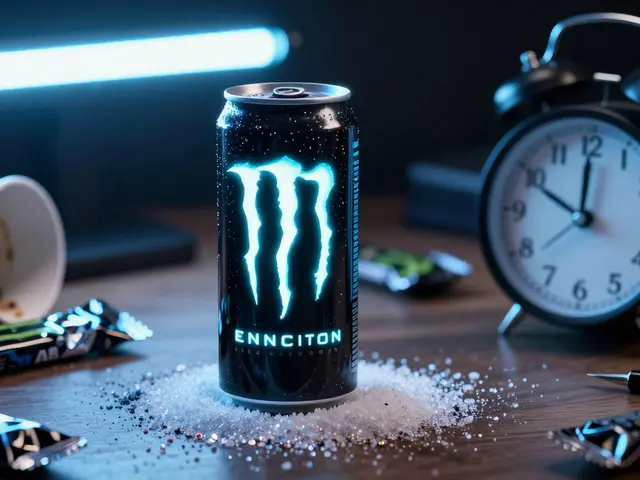
Sports drinks are designed to replace fluids and electrolytes lost during exercise. Energy drinks are meant to stimulate alertness with caffeine, sugar, and stimulants like taurine or guarana. They’re not interchangeable. Energy drinks are worse for daily use-higher caffeine, more sugar, and no real hydration benefit. Avoid both daily unless you’re a professional athlete with a nutritionist.
Comments (15)
Amit Umarani
13 Mar 2026
Let’s be real - I’ve been chugging Gatorade after yoga like it’s a reward. Turns out I’m just pouring sugar into my body and calling it self-care. Who knew? Thanks for the wake-up call.
Now I’m just drinking water with lemon. Weirdly, I feel less bloated too.
Noel Dhiraj
14 Mar 2026
Water is king. Seriously. I used to think sports drinks were healthier than soda until I read the label. One bottle = 9 teaspoons of sugar. That’s not hydration - that’s dessert in a bottle.
Switched to plain water with a pinch of salt and lime. No crash. No guilt. Just clean energy. Try it.
vidhi patel
14 Mar 2026
It is imperative to underscore the egregious nutritional misinformation perpetuated by the marketing of sports beverages. The assertion that these products are beneficial for non-athletes is not merely inaccurate - it is dangerously misleading. The sugar content alone, as cited, exceeds daily recommended limits. Furthermore, the sodium load, particularly in conjunction with processed dietary intake, constitutes a quantifiable risk factor for cardiovascular pathology. One must exercise intellectual rigor when evaluating purported health claims.
Priti Yadav
16 Mar 2026
They’re not selling you hydration - they’re selling you addiction. Ever wonder why you crave those drinks? Big Pharma and Big Sugar teamed up. They know if you drink this daily, you’ll keep buying. They even made ‘zero sugar’ versions so you feel smart while still poisoning yourself with chemicals.
Artificial sweeteners? They’re worse. They mess with your gut and make you hungrier. It’s a trap. Water is the only truth.
Ajit Kumar
16 Mar 2026
While it is true that the average individual does not require the exogenous electrolyte and carbohydrate supplementation provided by commercial sports beverages, it is nonetheless important to acknowledge the nuanced physiological demands of certain populations - for instance, individuals residing in hyperthermic environments who engage in intermittent physical exertion, such as delivery workers or outdoor laborers. The blanket dismissal of these products as universally inappropriate may, in some contexts, constitute an oversimplification of metabolic needs. That said, the overwhelming majority of consumers are indeed misusing these products as daily hydration, and this trend is both statistically and clinically concerning.
Diwakar Pandey
18 Mar 2026
I used to drink one after every gym session. Then I started tracking my sugar intake. One bottle = my entire daily limit. I didn’t even realize I was eating sugar the rest of the day.
Now I just drink water. My energy’s steadier. I sleep better. I don’t feel like I need a nap after lunch.
It’s weird how simple stuff works best.
Pooja Kalra
18 Mar 2026
There is a quiet violence in the normalization of these beverages. We have been conditioned to believe that effort must be rewarded with chemical indulgence - that hydration requires flavor, that recovery requires additives. But the body, in its silent wisdom, asks for nothing more than water, rest, and the quiet dignity of unadorned nourishment.
Perhaps we are not thirsty. Perhaps we are lonely. And so we drink.
Kayla Ellsworth
20 Mar 2026
Oh wow, so water is healthy? Groundbreaking. I guess I’ll stop drinking the electrolyte water I bought because I ‘sweat a lot’ at my air-conditioned desk job.
Meanwhile, my friend who runs marathons and drinks these daily is perfectly fine. Maybe your ‘science’ doesn’t apply to everyone?
Soham Dhruv
20 Mar 2026
Just switched to water with a tiny bit of salt and lemon. No sugar. No weird stuff. I feel way better. No more afternoon crash. I didn’t even know I was addicted to that sugary buzz.
Also, banana after workout? Best thing ever. Seriously try it.
Bob Buthune
21 Mar 2026
I’ve been drinking these for years. I thought I was being healthy. Then I got diagnosed with prediabetes. My doctor said it was the sports drinks. I cried. I was so proud of myself for choosing ‘the better option’ over soda. Turns out I was just swapping one poison for another.
Now I drink water. I miss the taste. But I miss my health more.
Jane San Miguel
22 Mar 2026
It is not merely a matter of sugar content - it is a systemic failure of public health literacy. The commodification of hydration as a branded, flavored, artificially enhanced experience reflects a deeper cultural pathology: the belief that natural processes require technological intervention. The human body evolved to regulate itself. The sports drink industry exploits ignorance. This is not nutrition. It is consumerism disguised as wellness.
Kasey Drymalla
22 Mar 2026
They’re lying. All of them. The whole sports drink industry is a scam. They don’t care if you’re healthy. They just want your money. And they’re poisoning kids with this stuff in schools. You think this is about performance? Nah. It’s about profit. Wake up.
Dave Sumner Smith
23 Mar 2026
They put sodium in these drinks to make you thirsty again. That’s why you keep buying them. It’s not about hydration - it’s about addiction. And the ‘zero sugar’ ones? They’re full of chemicals that trick your brain into thinking you’re still getting sugar. They’re not fixing anything. They’re just making you dependent on more toxins.
Water is the only clean option. Everything else is corporate manipulation.
Cait Sporleder
23 Mar 2026
One of the most compelling arguments presented here is the ecological and physiological misalignment between the design of sports beverages and the behavioral patterns of their consumers. The industrial production of these drinks - replete with plastic packaging, refined sugars, and synthetic electrolytes - represents not merely a nutritional misstep but a profound disconnection from ancestral patterns of hydration and sustenance. The body, having evolved over millennia to derive electrolytes from whole foods and water from natural sources, does not require - nor benefit from - the hyperprocessed simulacra of hydration currently marketed as essential. The real tragedy lies not in the individual’s choice, but in the normalization of this manufactured necessity.
Paul Timms
24 Mar 2026
Water works. Simple.