
Does fat get jiggly before you lose it? Science of Texture and Low-Calorie Fuel

The strange sensation of softening fat
You notice it first in the mirror. You've switched your morning coffee for a low-calorie energy drinka beverage formulated with artificial sweeteners instead of sugar to provide mental stimulation without caloric surplus, crunched down your daily intake, and started walking more. Your scale number drops, but strangely, your stomach feels softer. Instead of becoming rock hard instantly, your midsection jiggles. This sensation triggers a lot of anxiety, but it actually signals that metabolic activity is happening. Most people want their fat to disappear immediately, yet the transition period involves structural changes in the adipose tissue itself.
What happens under the skin
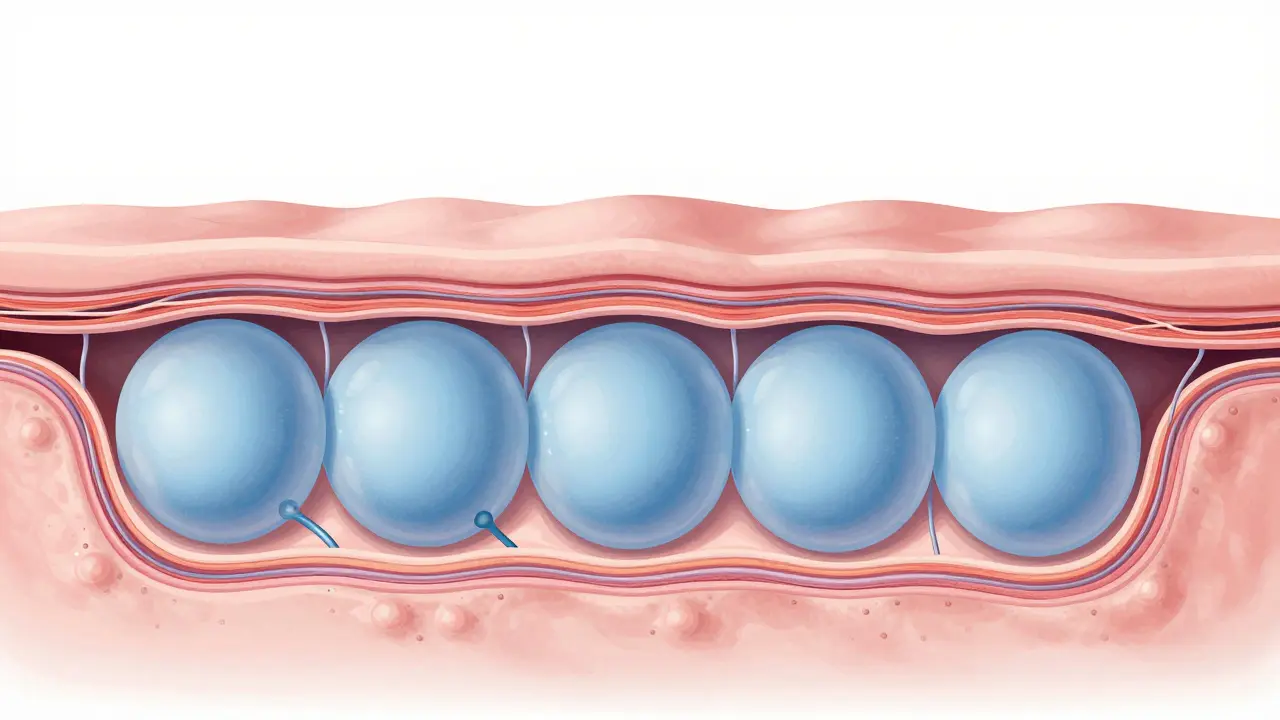
To understand why fat changes texture, we need to look at the layers beneath the dermis. There are two main types of fat storage in the human body. Visceral fatthe deep layer of fat stored around internal organs like the liver and intestines is the dangerous kind, often linked to heart disease. The other type, subcutaneous fatthe fat layer located directly beneath the skin, responsible for insulation and cushioning, is what you touch when you pinch your waist. When you enter a caloric deficit, your body begins tapping into this subcutaneous store. As the adipocytethe specialized cell responsible for storing triglycerides as fat empties its oil reserves, the overall volume shrinks, but the connective tissue network holding it together lags behind.
This lag creates the "jiggly" effect. Imagine a water balloon deflating. The rubber doesn't snap tight immediately; it stays loose. In your body, collagen and elastin fibers haven't fully contracted yet to match the smaller volume of the fat cells. Furthermore, the lymphatic system works hard to move the fatty acids out. If this drainage isn't perfect, the area might feel squishy rather than lean. This is normal physiology, not a sign that your diet is failing.
The role of hydration and energy drinks
Here is where your beverage choice matters significantly. Many people switch to zero-sugar options to lower their carb load. While beneficial for insulin levels, some formulations have side effects on tissue fullness. Caffeine is a diuretic. It encourages the kidneys to flush out water. If you are consuming high-stimulation energy drinks frequently, you might be borderline dehydrated. Water weight fluctuates independently of fat loss. When you are dehydrated, your skin loses turgor pressure-the ability to bounce back quickly.
Additionally, consider the sweetener blend. Modern formulas often use Sugar Alcoholscarbohydrates that occur naturally in fruits and vegetables, used here as artificial sweeteners like erythritol or xylitol. For some people, these compounds ferment in the gut or draw water into the intestines via osmosis. This doesn't mean you gain fat, but it can cause temporary bloating that masks muscle definition and mimics the soft texture of fat. Hydration status directly impacts how firm the subcutaneous layer looks.
| Factor | Effect on Texture | Typical Timeline |
|---|---|---|
| Collagen Production | Firming of loose skin/tissue | 3-6 months |
| Lymphatic Drainage | Movement of fluid between cells | Daily/Continuous |
| Caffeine Intake | Potential reduction in skin elasticity due to dryness | Immediate |
| Protein Synthesis | Replacement of lost mass with muscle | 4 weeks minimum |
Why the timing varies by location
Your body does not burn fat evenly across the surface. Men and women also differ in how hormonal receptors respond to lipolysis. Women typically carry higher percentages of estrogen-sensitive fat in the hips and thighs. These cells hold onto energy stores until the body perceives a sustained safety signal-meaning, a long-term caloric deficit. The jiggling sensation is often felt first in areas with less vascular density. Blood vessels bring the enzymes necessary to break down the fat droplets inside the cell. If an area has poor circulation, the breakdown process is slower, leaving the tissue feeling looser.
It is worth noting that the speed of weight loss plays a major role. If you drop 2 kilograms a week, your fat cells shrink faster than the structural web surrounding them. Slower, steadier loss allows the connective tissue to remodel gradually. This remodeling depends heavily on protein intake and mechanical tension, which brings us to exercise. Simply drinking fewer calories isn't enough to prevent the jiggly phase. You need to stimulate the skin and fascia underneath.
Bridging the gap with nutrition
While you manage your fluid intake, ensuring you aren't over-relying on sugary stimulants is vital for insulin sensitivity. Insulina hormone produced by the pancreas that regulates blood glucose levels and controls fat storage acts as a master switch for burning fat. High spikes prevent lipolysis. Zero-calorie drinks are great for keeping that level low, provided you aren't triggering a gut-brain axis response that increases hunger later. If you find yourself craving sweets after drinking, you might be triggering a cephalic phase insulin release just by tasting the sweetener, which paradoxically hinders fat release.
Nutrient density fills the gaps left by liquid calories. Eating real food provides micronutrients essential for collagen synthesis. Vitamin C is the most critical mineral for forming stable collagen bonds. Without it, the skin over the losing fat stretches further than necessary, appearing more jiggly. Zinc supports immune function which aids inflammation recovery after intense workouts. A diet relying too heavily on processed energy replacements misses these foundational building blocks.

Active recovery and physical movement
Passive weight loss is rarely enough to tighten things up. Resistance training signals the body to prioritize lean tissue preservation. When you lift weights, you recruit muscle fibers under the fat layer. This pushes the fat cells upward and outward, changing how light hits them and how the tissue feels. It doesn't stop the fat from being there initially, but it firms the platform it sits on. Movement also pumps lymph fluid through the manual mechanism of muscle contraction. This helps clear the glycerol released from breaking fat, preventing that gelatinous feeling.
Consistency trumps intensity. Doing a session once a week is less effective than moderate frequency throughout the week. Think of it as maintenance for the fascia, the connective netting that holds everything in place. If the fascia is slack, the fat floats. If the fascia is engaged, the whole region stabilizes. You can target specific areas prone to sagging with high-repetition movements to increase blood flow locally without needing to grow massive muscle.
Is there a permanent solution?
Generally, yes. As the weight loss journey concludes, the body adapts to its new size. The jiggling sensation usually subsides within six months of reaching your goal weight. During this phase, the remaining fat cells redistribute slightly, and the skin contracts as much as genetic factors allow. Genetics determine skin elasticity limits. Some people regain volume easily, others do not. This is why monitoring progress visually rather than tactilely is often less stressful.
Avoid checking every day. Weigh-ins can hide changes in body composition. If you are maintaining the habit of drinking quality low-calorie alternatives, focus on how clothes fit. Fabric behaves differently over a solid surface versus a shifting one. If your pants stay straight but your waistband feels roomy in specific spots, trust that the composition is changing. Patience is the ultimate tool here.
Frequently Asked Questions
How long does the jiggly fat last?
It typically lasts between three to six months after significant weight loss. The duration depends on your rate of loss and your skin's natural elasticity.
Do zero-calorie energy drinks cause bloating?
They can. Ingredients like sugar alcohols or carbonation may trap gas in the digestive tract, creating a temporary soft appearance unrelated to fat growth.
Can exercise fix loose fat texture?
Yes, strength training builds the underlying muscle, which supports the overlying fat layer and reduces the jiggle sensation through increased structural density.
Is jiggly fat harmful to health?
No, it is generally safe. It is simply a transitional state of tissue adaptation. It does not indicate disease, though extreme sudden softness can sometimes signal edema, which requires medical checks.
Should I stop drinking energy drinks to stop jiggling?
Not necessarily. Focus on total hydration and reducing caffeine if you see signs of dehydration. Prioritize nutrient-dense foods over liquid calories for better tissue support.


Comments (11)
Rohit Sen
2 Apr 2026
The entire premise feels like marketing disguised as science.
The industry pushes these drinks so heavily that we forget hydration basics.
I find most people ignore simple water intake solutions entirely.
This complexity is unnecessary for basic body maintenance.
We do not need new chemicals to explain old problems.
Vimal Kumar
2 Apr 2026
I understand your skepticism but the data supports the metabolic shift.
Texture changes are real biological responses to caloric deficits.
You should view this phase as progress rather than a setback.
Consistency in nutrition matters more than temporary texture fluctuations.
Many folks see this before things firm up again completely.
vidhi patel
3 Apr 2026
This post is riddled with errors that undermine its scientific credibility.
The sentence structure is sloppy and lacks academic rigor.
You failed to cite sources for your claims regarding adipose tissue dynamics.
Furthermore, the distinction between visceral and subcutaneous fat is blurred unnecessarily.
It is unacceptable to present speculation as established fact without reference.
Your tone suggests a lack of expertise in the field of nutrition science.
The transition phrases are weak and disrupt the flow of information.
Readers deserve accurate information presented in a professional manner.
Grammar mistakes distract from the actual physiological points being made.
For instance, the paragraph on hydration contains multiple run-on sentences.
This level of writing should not be published on a platform claiming to educate.
One expects higher standards from contributors who discuss health topics.
Please proofread before hitting the publish button next time around.
The table data is formatted poorly and lacks proper spacing.
Correcting these fundamental issues would improve the quality significantly.
Amit Umarani
4 Apr 2026
You are certainly finding plenty of room to criticize.
Some of us actually read this for practical advice instead of nitpicking.
Maybe focus on the core message instead of syntax errors.
It seems like you enjoy correcting more than learning anything here.
Not everyone writes like a PhD dissertation candidate online though.
Kayla Ellsworth
4 Apr 2026
It is funny how we obsess over texture instead of actual health.Perhaps softness is a sign of survival mechanisms working correctly.
The jiggle might be the body telling us to slow down.
I bet the marketing teams prefer rock hard results regardless of biology.
Kasey Drymalla
6 Apr 2026
They want you scared so you buy more supplements.
Sugar alcohols are probably part of the plan.
Big pharma does not care about your skin elasticity levels.
Just drink water and ignore what the charts tell you always.
Dave Sumner Smith
7 Apr 2026
The lymphatic system connection is the most critical point here.
Most individuals neglect manual drainage techniques during weight loss.
You must stimulate circulation actively to prevent sagging tissue.
Fascia tension is the foundation of structural integrity in the body.
Without mechanical loading the subcutaneous layer will remain unstable.
Priti Yadav
7 Apr 2026
Who controls the narrative about fat cell breakdown timing?
Certain organizations benefit from delaying natural process explanations.
Their studies seem to align too well with supplement sales cycles.
Be careful what you accept as standard physiological truth today.
Soham Dhruv
7 Apr 2026
I feel the same exact thing happening right now
Noel Dhiraj
8 Apr 2026
Keep pushing through even if it feels weird inside.
Progress happens beneath the surface even when you cannot see it yet.
Trust the process and the body will adapt eventually.
Stay positive and remember that change takes real time.
Jen Deschambeault
9 Apr 2026
Patience truly is the most overlooked tool in fitness journeys.
Tissue remodeling requires consistent nutritional support over months.
Listening to your hunger cues helps maintain necessary momentum.
Small adjustments lead to big differences in how we look later.