
Best Drinks for Athletes: Hydration, Energy, and Recovery Guide
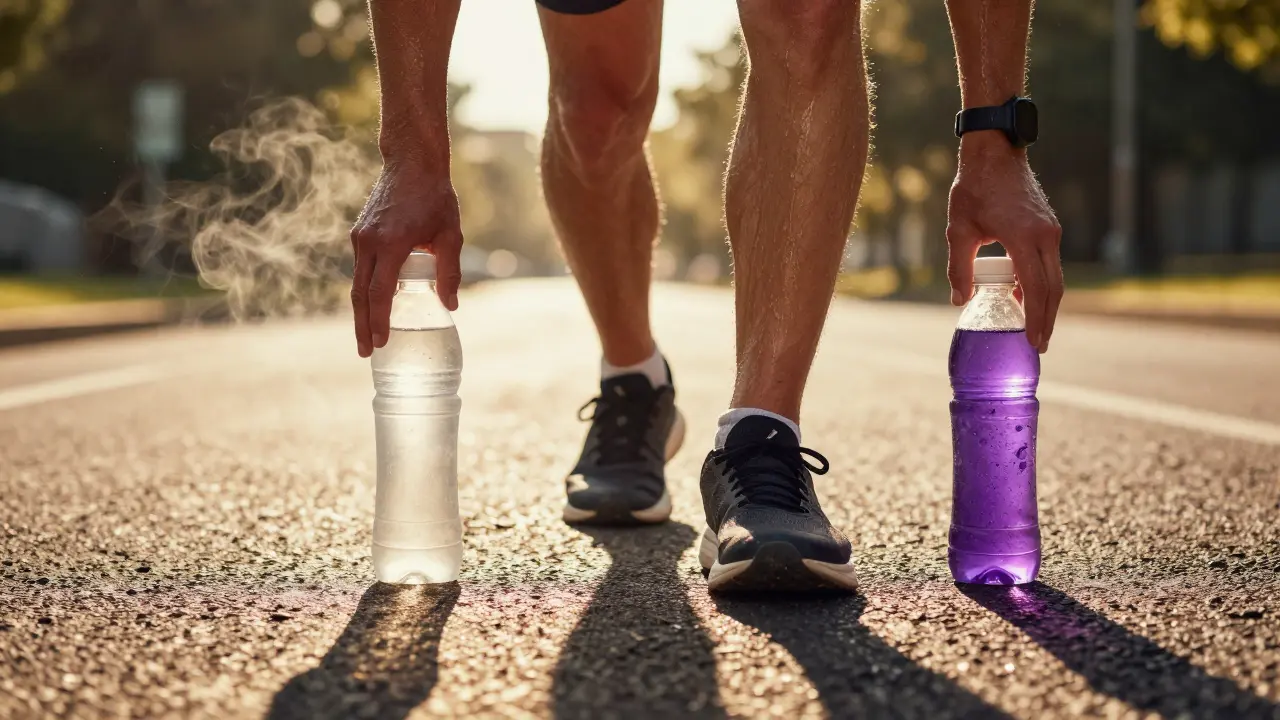
You step onto the field, ready to crush your personal record, but halfway through, your legs feel like concrete. You're not alone. Most athletes rely on plain water, assuming thirst signals dehydration. But during intense exertion, water often fails to replace lost salts and glucose. That gap between drinking and performing is where the best drink for athletes comes into play. It's not just about quenching thirst; it's about refueling systems that water alone can't touch.
Why Water Falls Short for High-Intensity Training
In many training sessions, standard hydration guidelines suggest eight glasses a day. However, once you break a heavy sweat, specifically here in hot climates where humidity clings to your skin, your body loses more than just fluid. You lose sodium, chloride, potassium, and magnesium. These are electrolytes. When you replace fluid with pure water without replacing minerals, you dilute the remaining sodium in your blood. This condition is known as hyponatremia. In extreme cases, it causes nausea, headache, and even confusion.
The goal isn't just to stop feeling thirsty. It is to prevent cellular dehydration. Cells function poorly when the balance of fluids inside and outside is off. An athlete's hydration strategy must account for this osmotic balance. If you train for over an hour at high intensity, the volume of water you can absorb slows down, but your muscle demand increases. That mismatch creates fatigue faster than lack of oxygen would.
The Role of Electrolytes in Performance
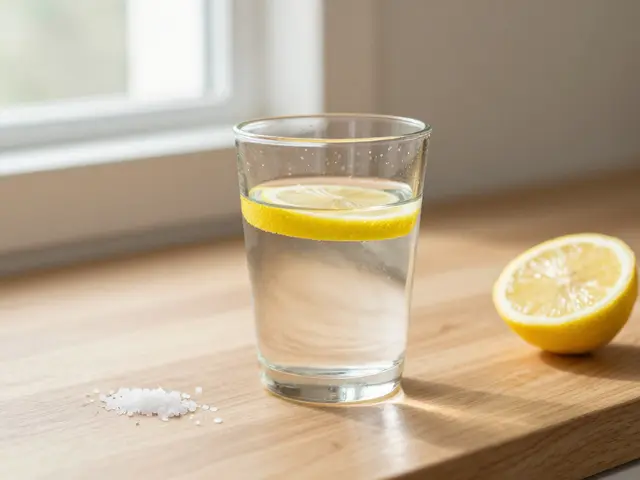
Electrolytes are not just buzzwords found on marketing labels. They are the conductors of electricity in your nerves and muscles. Think of Sodium as the conductor of the signal telling your heart to beat and your leg to fire. Potassium maintains the rhythm of the muscle contraction. If you run low on either, your muscle response time drops. Sodium is critical because it draws water into the bloodstream. Without enough salt, your kidneys flush out the water you drink before your muscles can use it. Studies indicate that endurance athletes require upwards of 500mg to 1000mg of sodium per hour during activity, far exceeding what water provides naturally.
A practical example involves a runner who sips plain water during a half-marathon in summer. By mile 8, they hit a wall, cramp up, and fade. Another runner uses a beverage containing balanced electrolytes. They finish stronger. The difference is retention. Salts help your body hold onto fluid longer, maintaining blood volume. Maintained blood volume means efficient oxygen delivery to working muscles.
Understanding Sports Energy Drinks vs. Traditional Options
When people ask what the sports energy drinks look like, there is a massive confusion with sugary soda or high-sugar energy cans designed for office workers. Those are different. A proper sports beverage focuses on rapid absorption.
| Beverage Type | Key Components | Best Use Case | Caffeine Content |
|---|---|---|---|
| Plain Water | H2O only | Short activities (<60 mins) | 0 mg |
| Sports Drink | Water + Electrolytes + Carbs | Moderate intensity (>1 hour) | None / Low |
| Performance Energy Drink | Water + Electrolytes + Caffeine + Vitamins | High intensity / Focus required | 30mg - 200mg |
The inclusion of carbohydrates-specifically glucose or maltodextrin-is vital for sessions lasting longer than an hour. Your glycogen stores (muscle sugar) deplete rapidly. External carbs allow you to sustain power output. However, the concentration matters. Drinks that are too sweet cause bloating and slow gastric emptying, leading to side stitches. The optimal carbohydrate range usually sits around 6% to 8%. Too much sugar, and you risk stomach upset. Too little, and you get no energy benefit.

Caffeine: Friend or Foe?
Caffeine remains one of the few supplements proven to enhance athletic performance legitimately. About 3 milligrams per kilogram of body weight roughly equals 30 minutes before exercise. This improves reaction time, reduces perceived effort, and mobilizes free fatty acids. Not all athletes tolerate it well. Some experience jitters, heart palpitations, or GI distress.
If you plan to incorporate caffeinated options, look for transparent labeling. Many generic brands hide proprietary blends that obscure exact dosages. In the current market, transparency is key. Some drinks add Taurine alongside caffeine. Taurine aids in buffering lactic acid accumulation, potentially helping delay fatigue. While Taurine is popular in "gaming energy" drinks, its application in sports hydration requires careful dosing to match the training load.
Nutrient Synergy: Why Vitamins Matter
You might wonder why B-Vitamins appear in performance formulas. They are co-factors in energy metabolism. Specifically, B12 and Niacin assist in converting food into ATP (Adenosine Triphosphate), the energy currency of cells. While deficiencies are rare in well-fed populations, the physical stress of endurance training can drain these stores faster.
For instance, a study on Australian swimmers noted that those supplementing with active forms of B-vitamins reported slightly better recovery times post-race. The synergy lies in the combination. A drink providing energy via simple sugars, plus the B-vitamins to process that energy, works better than sugar alone. However, do not rely on this solely. A balanced diet remains the primary source. Drinks act as an accelerator, not a replacement.

Timing Your Intake for Maximum Efficiency
When you drink is just as critical as what you drink. Loading up immediately after finishing a set won't fix dehydration that started early. The protocol typically breaks down into three phases:
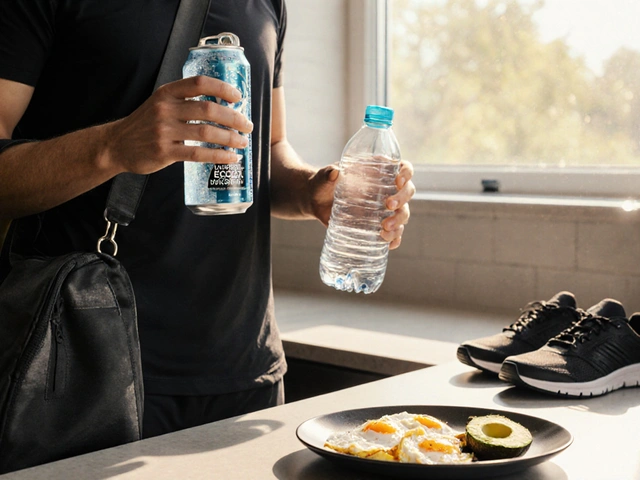
- Pre-Workout (1 Hour Before): Sip slowly. Avoid carbonated options which trap gas. Aim for 500ml total volume mixed with some sodium to prime your retention.
- During Workout: Sipping every 10 to 15 minutes. Large gulps flood the stomach, causing sloshing and discomfort. Small amounts allow faster transit to the intestines for absorption.
- Post-Workout: This is the replenishment phase. Protein becomes important here. Consider mixing electrolyte powder with whey protein or consuming a separate shake. Rehydration is incomplete until protein synthesis begins.
Hydration monitoring is also crucial. Urine color provides a real-time dashboard. Pale yellow indicates good status. Dark amber signals immediate need for fluids and salts. Inconsistent urine frequency is another red flag. If you haven't needed the restroom in four hours during the day, you are likely under-hydrated chronically, regardless of workout efforts.
Risks of Overconsumption and Artificial Additives
Avoid drinks with excessive artificial sweeteners like Sucralose or Aspartame during workouts. Emerging research links these compounds to altered gut microbiome function. During exercise, your gut actually goes partially ischemic-blood flow moves away from digestion to muscles. Adding hard-to-digest artificial sweeteners increases the risk of diarrhea or cramping mid-run. Stick to real carbohydrates or clean natural sweeteners if you need flavor.
Sugar alcohols can be tricky too. Some powders use Erythritol or Xylitol. While lower in calories, they can ferment in the bowel, causing significant bloating under pressure. Read the label carefully. If the ingredient list looks like a chemistry experiment, skip it. Look for short lists of recognizable components.
Customizing Your Mix
Ultimately, there is no single perfect bottle for everyone. Genetics influence how fast you sweat out sodium. Some athletes are "salty sweaters" and crash easily on plain water. Others retain sodium efficiently. Testing during training helps identify your specific needs. Track how you feel physically and mentally across the week. Notice if energy crashes happen later in long sessions despite drinking fluids. That points toward a carbohydrate deficit. Cramps point toward sodium/potassium imbalance.


Comments (9)
kelvin kind
27 Mar 2026
Hydration really changes everything when you finally get the salt balance right though.
michael Melanson
28 Mar 2026
I've been testing this during my morning runs and the difference in recovery time is noticeable. It's great to see people focusing on the actual physiology behind the drinks. We tend to forget that simple water isn't enough for those longer efforts. The electrolyte section really helped clarify why I used to feel foggy after half marathons. Thanks for putting this together for the community here.
Fred Edwords
30 Mar 2026
This is correct; however, one must consider the individual metabolic variance; which often complicates the simple formulas presented here. While the sodium numbers align with established standards, personal tolerance varies significantly across demographics. Furthermore, the interaction between caffeine and existing stimulant intake requires careful auditing. Some individuals possess genetic markers that predispose them to arrhythmias under stress. Therefore, blind adherence to dosage recommendations may inadvertently cause physiological strain.
Denise Young
31 Mar 2026
Oh yes, because everyone is a unique metabolic snowflake that requires a PhD in biochemistry just to drink a Gatorade before they run. Stop overthinking the variables when the baseline data is already settled science at this point. You do not need a genome test to know that sweating salt out means you should put salt back in. Most people just ignore their thirst signals until they collapse on the track. It is exhausting watching folks debate nuance while missing the obvious practical solution.
Peter Reynolds
1 Apr 2026
sometimes it does take more than a single bottle to fix years of bad habits so dont be too hard on people trying to learn
lucia burton
2 Apr 2026
People ignore the osmotic gradient completely when they mix their own fluids.
You need to understand solute concentration for proper absorption rates.
Hypertonic solutions actually pull water from blood into the gut lumen.
This causes diarrhea mid-marathon if you are not careful with ratios.
Most commercial options sit perfectly in that 6 percent carbohydrate window.
It is scientifically optimal for gastric emptying velocities we measure in labs.
Sodium transporters require glucose presence to function efficiently along the intestinal wall.
Without co-transport mechanisms the fluid just passes through too quickly.
Potassium levels drop precipitously during extended anaerobic activity sessions.
Magnesium helps prevent neuromuscular irritability that shows up as cramps later.
Caffeine uptake depends heavily on individual genetic variations in metabolism speed.
Fast metabolizers burn through adenosine blockade benefits before fatigue sets in.
Slow metabolizers might feel jitters that negatively impact fine motor skills required.
We see this trend repeatedly across different endurance training cohorts globally.
Ignoring these biochemical factors results in suboptimal performance outcomes consistently.
We really should be discussing ion exchange pathways more in training groups.
Sarah McWhirter
2 Apr 2026
But why do the big brands push exactly those concentrations? It feels calculated rather than helpful for the average person. The consistency in labeling across competitors suggests coordination beyond mere market research. We are seeing patterns that imply a controlled rollout of dependent consumption habits. Why is the ideal percentage always near the limit of palatability rather than biology? It raises questions about who truly benefits from these optimized formulations.
Ananya Sharma
3 Apr 2026
Corporate entities profit immensely when athletes buy bottled sugar solutions instead of eating real food.
It creates dependency on manufactured products for biological functions that occur naturally.
The marketing narrative surrounding performance enhancers is largely predatory in nature.
They exploit the fear of failure to sell unnecessary industrial chemicals to vulnerable people.
True nutrition comes from plant sources that have sustained humanity for millennia without additives.
Electrolytes are found abundantly in vegetables which provide far superior mineral profiles.
Synthetic salts lack the synergistic cofactors present in whole organic matter naturally.
Promoting artificial beverages undermines the foundational ethics of clean eating practices.
Athletes should prioritize food first before relying on liquid supplements for energy.
Recovery is a holistic process involving sleep and stress management more than drinking powder.
Industry guidelines are written by people paid to promote their own proprietary blends specifically.
Independent studies rarely receive the same funding support to challenge the status quo openly.
Consumers need to demand transparency regarding sourcing and potential environmental impacts of production.
Buying convenience comes at the cost of supporting unsustainable agricultural practices indirectly.
We must stand firm against the commodification of basic biological survival needs.
Your health belongs to you and not to shareholders seeking quarterly growth percentages.
Sam Rittenhouse
3 Apr 2026
We all want what is best for our bodies but ignoring science sometimes leads to injury. The passion behind protecting natural methods is understandable given the current climate. Yet safety remains paramount when pushing physical limits during competition. There is room for both skepticism and utilization of tools that mitigate risk effectively. Let us choose paths that honor our physical resilience without inviting preventable harm.