
How to Slim Down in 7 Days: The Low-Calorie Energy Drink Guide
The Reality of a 7-Day Reset
Wanting to see changes in your body in just one week is a common goal, especially when you have an event coming up or just feel sluggish. The truth is, losing significant fat in seven days is biologically difficult and often unsafe. However, you can absolutely reduce bloating, shed water weight, and reset your habits to look and feel slimmer. This is where your daily choices matter most. Instead of chasing magic pills, we focus on a structured approach that includes hydration, nutrition, and smart supplementation.
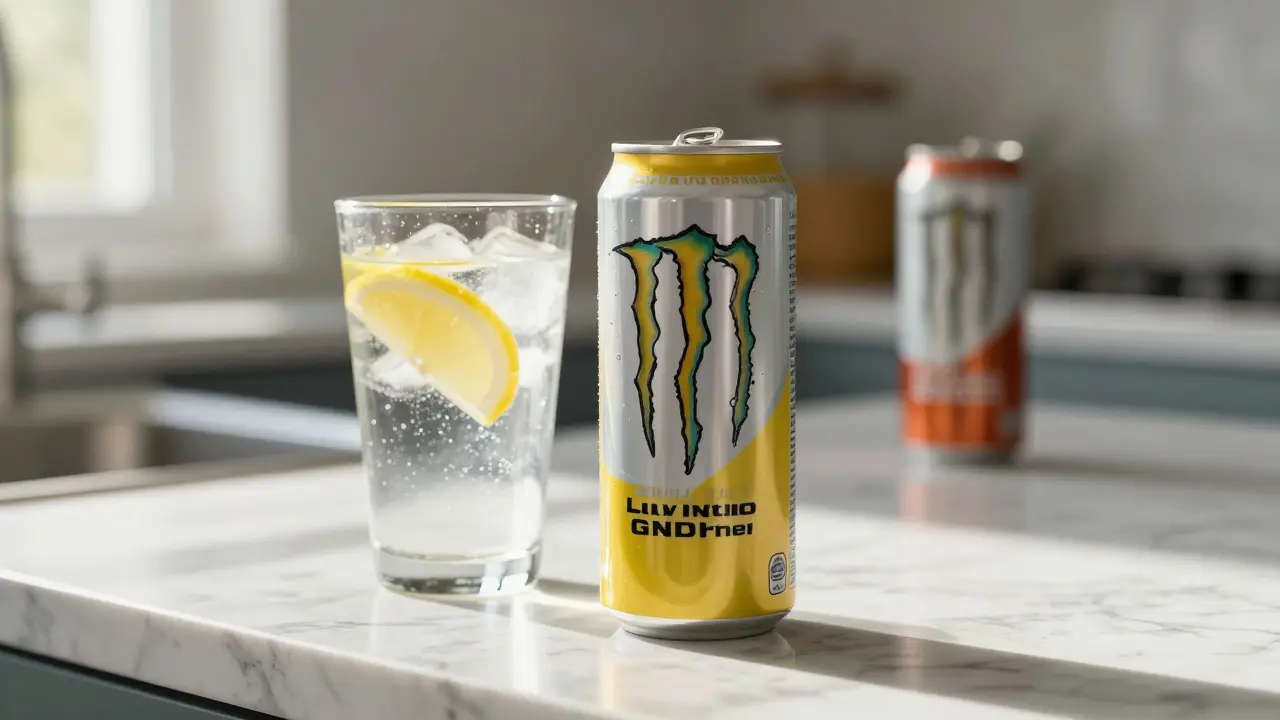
Many people overlook how much their beverage choices impact their waistline. Replacing sugary sodas or high-calorie coffees with low-calorie energy drinks is a practical strategy to cut empty calories while maintaining energy levels can make a visible difference in your scale weight within a week. This guide walks you through a realistic plan to slim down safely using these tools.
How Low-Calorie Energy Drinks Fit Into Weight Loss
When you think about cutting calories, drinks are often the easiest place to start. A standard soda can have over 150 calories, while a typical low-calorie energy drink might have less than 10. That difference adds up quickly. If you swap three sugary drinks a day for zero-calorie alternatives, you save roughly 450 calories daily. Over seven days, that is a 3,150-calorie deficit, which theoretically equals about one pound of fat loss, plus water weight.
These drinks often contain caffeine is a natural stimulant that can temporarily boost your metabolic rate. While the effect isn't a magic fat burner, it helps you feel more alert and energetic, making it easier to move your body during the day. In 2026, the market is flooded with options using natural sweeteners like stevia or erythritol, which have minimal impact on blood sugar compared to older artificial sweeteners. This stability prevents the energy crashes that lead to snacking.
You need to be careful about the ingredients, though. Check the label for hidden sugars or excessive B-vitamins that your body might just flush out. Look for drinks with electrolytes included. When you cut calories, your body holds onto water as a survival mechanism. Electrolytes help balance this, reducing that puffy feeling around your midsection.
Understanding Water Retention and Bloating
A lot of what we call "weight gain" is actually water retention. When you eat high-sodium foods or processed snacks, your body stores fluid. To slim down quickly, you need to flush this out. Drinking enough water is counterintuitive if you are trying to lose water weight, but it is essential. When you are dehydrated, your body panics and holds onto every drop of fluid it can find.
Aim for at least 2.5 to 3 liters of water daily. You can count your low-calorie energy drink as part of this total, but don't rely on it as your only source. The caffeine acts as a mild diuretic, which helps your body release excess fluid. Combine this with reducing salt intake. Skip the processed chips and canned soups for these seven days. Focus on whole foods that naturally have lower sodium levels.
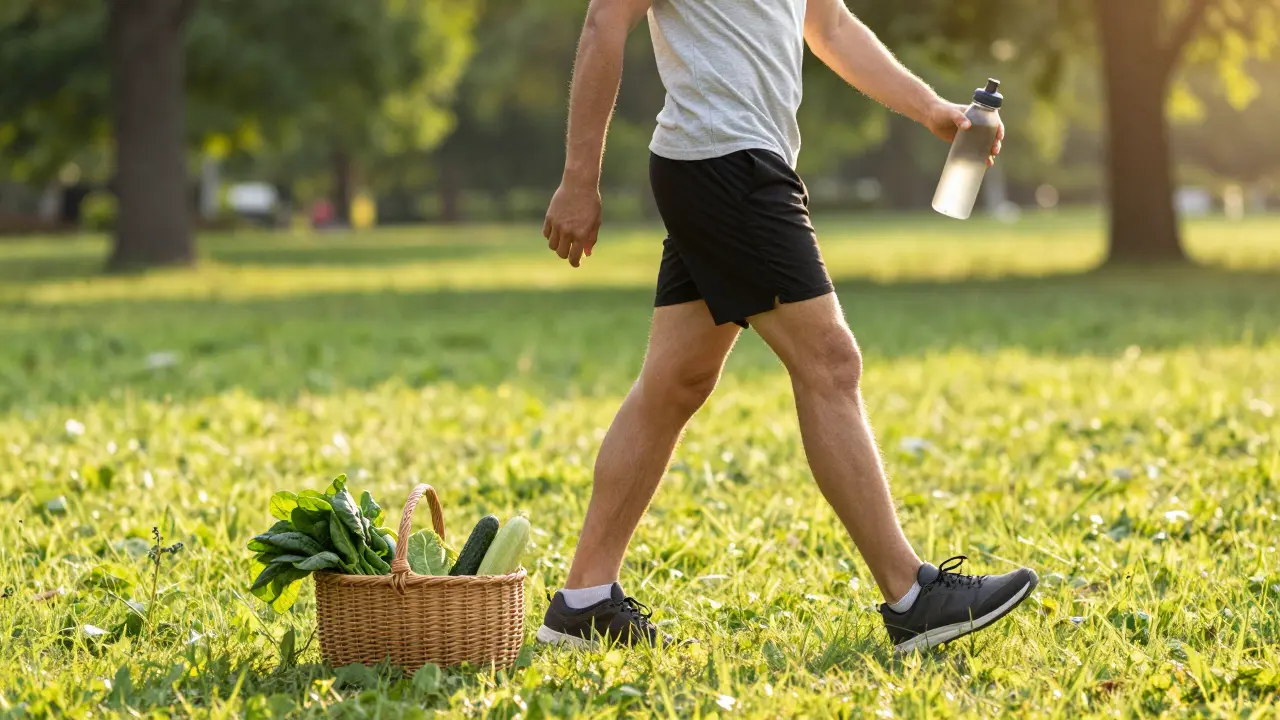
Another factor is fiber. Eating enough fiber helps move things through your digestive system, preventing that heavy, bloated stomach feeling. Vegetables like spinach, cucumber, and zucchini are your best friends here. They fill you up without adding many calories, allowing you to stick to your plan without feeling starved.
The Role of Calorie Deficit and Nutrition
Regardless of what you drink, you cannot out-exercise a bad diet. To see changes in a week, you need a calorie deficit. This means burning more energy than you consume. For most adults, this involves eating around 1,500 to 1,800 calories a day, depending on your size and activity level. Do not drop below 1,200 calories, as this slows down your metabolism and makes you feel tired.
Protein is crucial during this short-term reset. It keeps you full and protects your muscle mass while you lose weight. Try to include a source of protein in every meal. Chicken breast, eggs, tofu, or Greek yogurt work well. Pair this with complex carbohydrates like oats or sweet potatoes rather than white bread or pasta. These foods digest slower, keeping your energy stable.
Here is a simple comparison of daily drink choices to visualize the impact:
| Drink Type | Calories per Serving | Weekly Total (3/day) |
|---|---|---|
| Regular Soda | 150 kcal | 3,150 kcal |
| Sweetened Coffee | 120 kcal | 2,520 kcal |
| Low-Calorie Energy Drink | 5-10 kcal | 105 kcal |
| Water | 0 kcal | 0 kcal |
As you can see, switching to the low-calorie option saves thousands of calories in a single week. This is the math behind the visible change.
Movement and Activity Levels
Exercise doesn't have to mean hours in the gym. For a 7-day reset, consistency beats intensity. Aim for 30 minutes of movement every day. This could be a brisk walk, a light jog, or a bodyweight workout at home. The goal is to keep your heart rate up slightly to encourage calorie burning without stressing your body into storing more fat.
High-intensity workouts might be tempting, but if you are new to exercise, they can lead to injury or excessive soreness that stops you from moving. Stick to what you can maintain. Walking after meals is a proven trick to lower blood sugar spikes and aid digestion. It also helps reduce bloating.
If you use your energy drink, time it wisely. Have it before your activity to boost performance, not right before bed. Caffeine can disrupt sleep, and poor sleep is a major enemy of weight loss. It increases the hormone ghrelin, which makes you hungry, and decreases leptin, which tells you you're full.
Sleep, Stress, and Recovery
Sleep is often the missing piece in quick weight loss plans. When you are sleep-deprived, your body produces more cortisol. This stress hormone encourages fat storage, particularly around the belly. To slim down effectively, you need 7 to 8 hours of quality sleep each night.
Create a routine. Stop using screens an hour before bed. Keep your room cool and dark. If you feel stressed, your body will hold onto weight as a survival mechanism. Incorporate relaxation techniques like deep breathing or stretching. This isn't just about looking good; it is about feeling good. A reset week should leave you energized, not exhausted.
Stress management also involves saying no to social pressure. If friends want to grab a late-night burger, it's okay to decline or choose a healthier option. Explain that you are doing a health reset. Most people will respect that.

Your 7-Day Action Plan
Here is a structured schedule to follow for the next week. Adjust portion sizes based on your hunger, but keep the principles the same.
- Day 1: Cut out all sugary drinks. Switch to water and one low-calorie energy drink. Eat a high-protein breakfast.
- Day 2: Add a 30-minute walk. Reduce salt intake by cooking at home.
- Day 3: Focus on hydration. Aim for 3 liters of fluid. Snack on fruit instead of processed bars.
- Day 4: Increase activity to 45 minutes. Try a light strength session.
- Day 5: Review your sleep. Ensure you are in bed by 10 PM.
- Day 6: Eat mostly vegetables and lean protein. Keep carbs low for the evening meal.
- Day 7: Reflect on how you feel. Take progress photos. Plan how to maintain these habits.
Remember, the goal is to kickstart better habits. Don't expect to lose 10 pounds of fat. Expect to feel lighter, less bloated, and more in control of your energy levels.
What to Avoid During the Reset
There are specific traps that can ruin your progress in just one meal. Alcohol is the biggest one. It stops fat burning and adds empty calories. If you can, skip alcohol for these seven days. It also dehydrates you, leading to water retention the next day.
Processed foods are another trap. They are often high in sodium and hidden sugars. Stick to whole foods that you recognize. If it comes in a package with a long list of ingredients, put it back. Also, avoid diet pills or extreme fasting. These methods can be dangerous and often lead to regaining the weight quickly once you stop.
Finally, avoid weighing yourself multiple times a day. Your weight fluctuates due to water, food in your stomach, and hormones. Weigh yourself once in the morning, after using the bathroom and before eating. This gives you the most accurate reading.
Frequently Asked Questions
Can I really lose weight in 7 days?
You can lose water weight and reduce bloating significantly in 7 days, but losing pure fat takes longer. A realistic goal is 1-2 pounds of fat plus several pounds of water weight. This creates a slimmer appearance quickly.
Are low-calorie energy drinks safe for weight loss?
Yes, they are safe for most people when consumed in moderation. They help reduce calorie intake compared to sugary drinks. However, check the caffeine content to avoid exceeding 400mg per day, which is the recommended limit for adults.
Will I feel tired without sugar?
You might feel a temporary drop in energy as your body adjusts to less sugar. This usually lasts 2-3 days. After that, your energy levels tend to stabilize and become more consistent throughout the day without the crashes.
How much water should I drink?
Aim for at least 2.5 to 3 liters of fluid daily. This includes water, herbal tea, and your low-calorie energy drinks. Your urine should be pale yellow; if it is dark, you need to drink more.
Can I exercise every day for a week?
Yes, but keep the intensity moderate. Walking, light jogging, or yoga are great. Avoid high-intensity interval training every day if you are not used to it, as this can lead to injury or burnout.

Comments (14)
Geet Ramchandani
25 Mar 2026
This is garbage advice. You people think drinking poison water is healthy. The industry pushes this junk. You will get sick. I hate these influencers. They do not care about you. Just eat real food. Stop listening to this nonsense. It is dangerous. You are wasting time. Your body will revolt. I have seen this before. It never works long term. Stop it now. The science is clear.
Pooja Kalra
25 Mar 2026
The body is a temple. Do not defile it with haste. Patience is key. True health comes from within not from a can. Respect your vessel. Slow down and listen. The mind must be clear. Rushing leads to failure. Take a breath. Understand the process. It is a journey. Not a sprint. Be kind to yourself. Trust the natural flow.
Sumit SM
26 Mar 2026
This is great!!! I love it!!!! You should try it!!!! It works!!!! The tips are amazing!!!! Do not miss out!!!! Start today!!!! It changes everything!!!! You will feel better!!!! Keep going!!!!
Jen Deschambeault
27 Mar 2026
You got this. Keep going. The journey is worth it. Stay focused on your goals. Believe in yourself. You are stronger than you think. Every step counts. Do not give up. Progress is progress. You are doing great. Keep pushing forward. It will pay off.
Kayla Ellsworth
28 Mar 2026
Another miracle cure that will just make you tired.
Soham Dhruv
28 Mar 2026
i think its cool but dont overdo it with the caffeine bro. sometimes less is more. just drink water mostly. its simple stuff. dont stress to much. you will be fine. take it easy. thats all i got.
Bob Buthune
30 Mar 2026
😔 I feel like this hits home for me. 😭 I struggle with energy. 😩 It is so hard to stay motivated. 😞 But I will try. 😤 You guys are right. 😌 I need to change. 😢 My body feels heavy. 😡 Why is this so hard. 😴 I am tired of being tired. 😫 I want to feel light. 🙏 Please let this work. 😍 I hope it does. 😘 Love the tips. 🥰 I am ready for a change. 😊 It gives me hope. 😇
Jane San Miguel
31 Mar 2026
Only the discerning would understand this nuance. Commoners fail at such tasks. One must appreciate the sophistication. It requires intellect to follow. The average person lacks discipline. This guide is for the elite. Do not waste your time if you cannot commit. Excellence is expected. Mediocrity is not an option. Proceed with caution and grace.
Kasey Drymalla
31 Mar 2026
They put chemicals in the water to make us bloated. Big pharma wants you sick. Do not trust the labels. It is a trap. Stay away from stores.
Dave Sumner Smith
1 Apr 2026
Wake up sheeple. They want you sick. The government hides the truth. You are being experimented on. Do not drink the poison. Protect your family. They are watching you. It is all a lie. Trust no one.
Cait Sporleder
1 Apr 2026
One must consider the physiological implications. The metabolic rate is crucial. Hydration is paramount. Electrolytes balance the system. Sodium intake must be regulated. The literature suggests caution. We should observe the data. It is not merely about calories. It is about holistic health. The psychological aspect matters. Discipline is required. Consistency yields results. We must be vigilant. The science supports this approach. Therefore, proceed with care.
Paul Timms
3 Apr 2026
Well said. Safety first. Thank you for the insight. It is very helpful. I appreciate the detail. Keep up the good work. It is much needed.
Jeroen Post
4 Apr 2026
big pharma hates this. they dont want you healthy. follow the money. it is obvious. do not fall for it.
Nathaniel Petrovick
5 Apr 2026
Yeah totally agree with that. It makes sense. We should all be careful. Thanks for sharing. I will try this out. Sounds like a good plan.