
Is Propel Water Good for You? The Real Facts Behind the Popular Electrolyte Drink
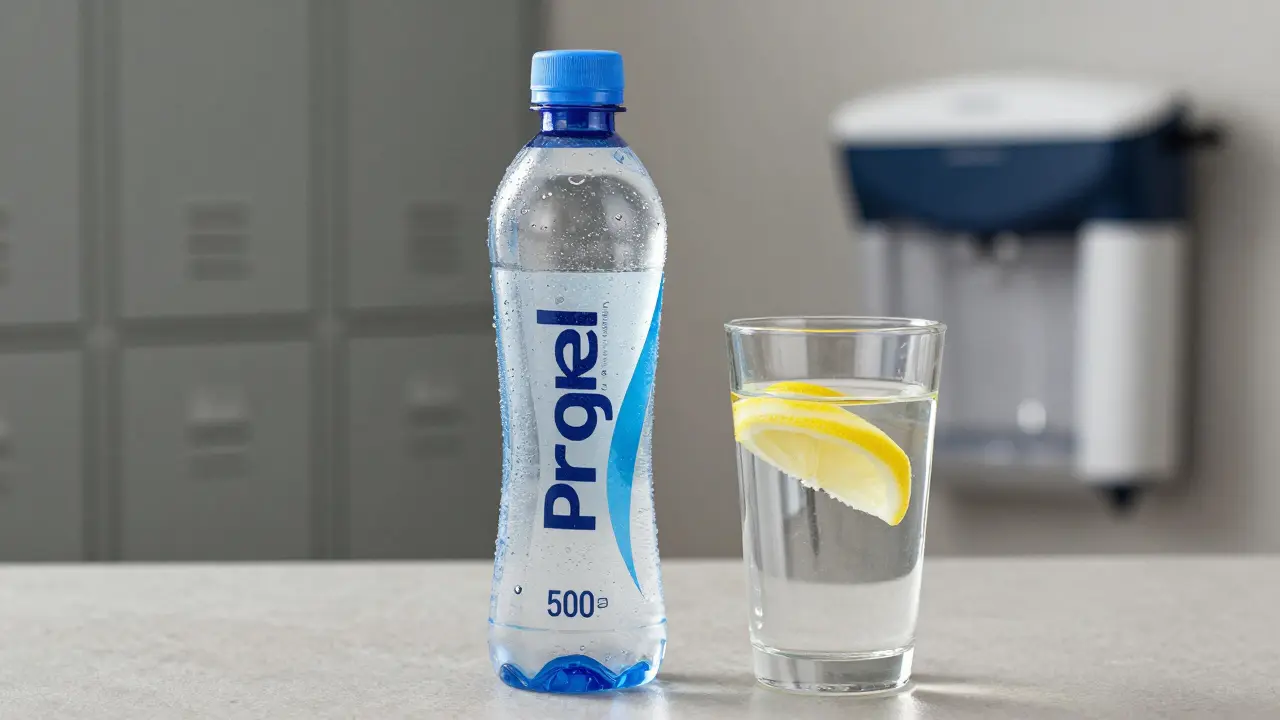
When you see Propel Water on the shelf next to sugary sports drinks, it looks like the smarter choice. No sugar. No calories. Just electrolytes and vitamins. But is it really good for you? Or is it just another product playing on health trends while hiding less obvious downsides?
Propel Water isn’t a sports drink like Gatorade. It doesn’t have the same sugar load or high sodium. Instead, it’s marketed as a zero-calorie, vitamin-fortified hydration option. It’s popular with people trying to cut sugar, athletes looking for light electrolyte support, and parents buying it for kids. But the real question isn’t whether it hydrates - it’s whether it’s actually better for your body than plain water.
What’s Actually in Propel Water?
Let’s break down what you’re drinking. A 500ml bottle of Propel Water contains:
- Zero grams of sugar
- Zero calories
- 160mg of sodium
- 60mg of potassium
- 100% of the daily value for vitamin C
- 50% of the daily value for vitamin E
- 25% of the daily value for B3, B5, B6, and B12
- Artificial sweeteners: sucralose and acesulfame potassium
- Artificial flavors and colors
That’s a lot of added nutrients - and a lot of chemicals you won’t find in plain water. The electrolytes (sodium and potassium) are real and can help with hydration after light exercise. But the rest? That’s where things get complicated.
Why People Like Propel Water
It’s easy to see why so many choose it. If you’re trying to quit soda, Propel Water looks like a clean swap. It tastes better than plain water. It has vitamins. It’s low-calorie. It’s sold in gyms, grocery stores, and schools. For someone who drinks sugary drinks daily, switching to Propel might mean cutting 200+ calories per day. That’s a real win.
Parents often buy it because their kids refuse to drink water. Athletes use it for light training days when they want a little flavor without the sugar crash. And for people with diabetes or those watching their blood sugar, it’s one of the few flavored options that won’t spike insulin.
But here’s the catch: these benefits come with trade-offs.
The Hidden Downsides
The biggest issue with Propel Water isn’t what it has - it’s what it doesn’t have, and what it adds instead.
First, the artificial sweeteners: sucralose and acesulfame potassium. These are synthetic chemicals. Studies from the European Journal of Clinical Nutrition and Frontiers in Nutrition suggest that even though they don’t raise blood sugar, they can still affect gut bacteria and insulin sensitivity over time. One 2023 study found that regular consumers of sucralose had altered gut microbiome patterns linked to inflammation.
Second, the sodium content. One bottle has 160mg of sodium. That’s not a lot - about half of what’s in a slice of pizza. But if you’re drinking two or three bottles a day, you’re adding 500mg of sodium to your diet. For someone trying to lower blood pressure or manage kidney health, that’s significant. The American Heart Association recommends no more than 2,300mg of sodium per day. If you’re already eating processed foods, Propel Water can push you over the edge without you realizing it.
Third, the vitamins. You might think more vitamins = better health. But your body can’t store excess water-soluble vitamins like B and C. Any extra gets flushed out in your urine. That means you’re paying for a product that’s basically making expensive pee. You’re not getting more benefit - you’re just spending more money.
Is It Better Than Plain Water?
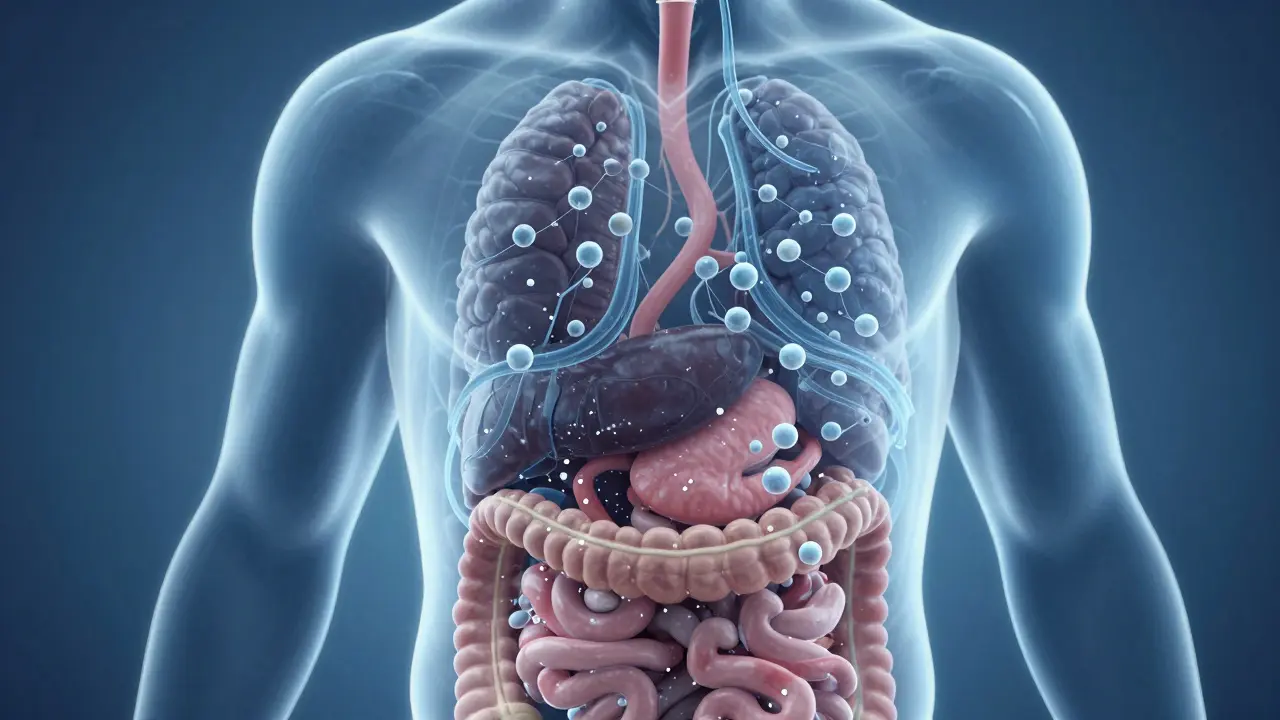
Plain water doesn’t come with a price tag, artificial ingredients, or hidden sodium. It doesn’t trick your brain into craving sweetness. It doesn’t alter your gut bacteria. It hydrates you perfectly.
Propel Water is designed for people who find plain water boring. But if you’re drinking it because you think it’s healthier than water, you’re mistaken. It’s not healthier - it’s just a flavored, vitamin-fortified, artificially sweetened alternative.
For most people doing light daily activity - walking, working at a desk, light yoga - plain water is all you need. Your kidneys, liver, and gut are designed to work with water, not chemical cocktails.
Who Might Actually Benefit?
There are a few cases where Propel Water makes sense:
- You’re recovering from a stomach bug and need electrolytes without sugar.
- You’re diabetic and need a zero-sugar flavored drink.
- You’re training for a marathon and need light electrolyte support on low-intensity days.
- You’re trying to quit soda and need a transitional drink.
But even then, it’s temporary. Once you’re past the transition phase, going back to water is the better long-term move.
What About the Vitamins?
Propel Water gives you 100% of your daily vitamin C and E. Sounds great, right? But you don’t need to get those from a drink. One orange gives you more than enough vitamin C. A handful of almonds gives you vitamin E. If you’re eating a balanced diet, you’re already getting what you need.
Adding vitamins to water doesn’t make them more absorbable. In fact, some studies suggest that synthetic vitamins in liquids may not be as bioavailable as those from whole foods.
And here’s the kicker: the vitamins in Propel Water are added to make the product look healthier. They’re not there because your body needs them in liquid form. They’re there because they’re a marketing tool.
Real Alternatives
If you want flavor without the chemicals, here are better options:
- Add a slice of lemon, lime, or cucumber to your water.
- Try unsweetened herbal teas - they’re naturally flavored and hydrating.
- Use a splash of 100% fruit juice (1:10 ratio) in water for natural sweetness.
- Try electrolyte powders with no artificial sweeteners - just minerals and natural flavors.
These alternatives give you flavor, hydration, and nutrients without the synthetic additives. And they cost less.
The Bottom Line
Propel Water isn’t bad. It’s not poison. But it’s not a health drink either. It’s a processed beverage with artificial sweeteners, added sodium, and vitamins you don’t need from a bottle.
If you’re using it to replace soda or sugary drinks, that’s a step in the right direction. But if you think it’s better than water - it’s not.
For daily hydration, water is still the gold standard. It’s free, natural, and works exactly how your body was designed to use it. Propel Water? It’s a flavored option for specific situations - not a daily health solution.
Drink it occasionally if you like the taste. But don’t fool yourself into thinking it’s doing you any favors. Your body doesn’t need artificial sweeteners or extra sodium in your water. It just needs clean, simple hydration.
Is Propel Water better than Gatorade?
Yes, for most people. Propel Water has no sugar and fewer calories, while Gatorade contains about 21 grams of sugar per bottle. If you’re not doing intense workouts lasting over an hour, Propel is the smarter choice. But if you’re sweating heavily during a long run or game, Gatorade’s sugar and sodium may help with recovery. Still, even then, plain water with a banana or salted nuts is often better than either.
Does Propel Water help with weight loss?
It can help if you’re replacing sugary drinks with it. Cutting out soda or juice and switching to Propel Water could save you 100-200 calories a day. But Propel Water itself doesn’t cause weight loss. It doesn’t burn fat or boost metabolism. The real weight loss comes from reducing overall sugar intake, not from drinking a zero-calorie flavored water.
Can kids drink Propel Water every day?
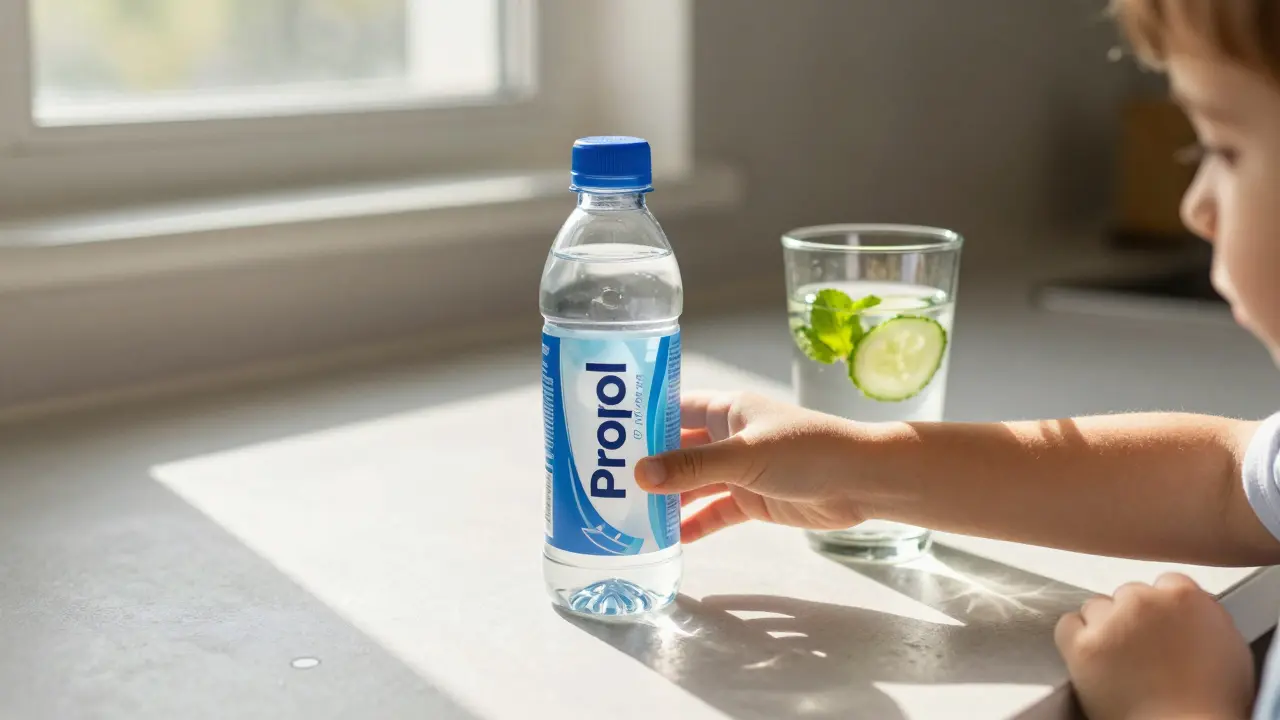
It’s not recommended. Kids don’t need extra sodium or artificial sweeteners. Their kidneys are still developing, and their taste buds are learning what real food tastes like. If a child refuses water, try adding fruit slices or using a fun water bottle. Plain water is the best option for hydration, brain development, and long-term health.
Does Propel Water dehydrate you?
No, it doesn’t dehydrate you. It contains electrolytes and water, so it hydrates. But the artificial sweeteners can sometimes make you feel thirstier afterward, especially if you’re sensitive to them. That’s not dehydration - it’s your body reacting to the chemicals. If you notice this, switch to plain water or natural alternatives.
Is Propel Water good for athletes?
For light to moderate exercise, yes - it provides electrolytes without sugar. But for endurance sports, intense training, or hot weather, it doesn’t have enough sodium or carbohydrates to replace what you lose. Athletes need real fuel: water, salt, and carbs. Propel Water is fine for recovery between sessions, but not for performance.
Does Propel Water have caffeine?
No, regular Propel Water does not contain caffeine. However, Propel does make a version called Propel Fitness Water with caffeine - check the label carefully. If you’re avoiding stimulants, stick to the original formula.




Comments (13)
Priyank Panchal
9 Feb 2026
Propel is just sugar-free poison with a vitamin label. Artificial sweeteners are worse than sugar for your gut. You think you're being healthy? You're just training your brain to crave sweetness without the caloric cost. That's a recipe for metabolic chaos. And don't get me started on the sodium. One bottle is fine. Three a day? You're playing Russian roulette with your kidneys. Plain water isn't sexy. But it doesn't need a marketing team to tell you it's the right choice.
Michael Gradwell
10 Feb 2026
Stop pretending this is a health product. It's a sugary drink replacement for people who can't handle plain water. You're not saving your health. You're just swapping one addiction for another. Water is free. It's natural. It works. Stop overcomplicating hydration.
Flannery Smail
12 Feb 2026
I've been drinking Propel for years and I'm fine. My bloodwork is perfect. Your article is just fearmongering dressed up as science. Not everything that's not perfect is poison.
Emmanuel Sadi
14 Feb 2026
Oh wow. So the 'vitamins' are just expensive pee? Congrats. You just discovered that your body isn't a magic money printer. And now you're mad because corporations are making money off your laziness? People don't drink water because it's boring. They drink Propel because they're tired of pretending they care about health. You're not a nutritionist. You're just mad because you can't sell your boring water.
Nicholas Carpenter
15 Feb 2026
I appreciate the breakdown here. For anyone feeling overwhelmed by the science, just remember: if you're not sweating buckets or recovering from illness, plain water is your best friend. Small changes add up. Try switching one bottle a day to tap water with lemon. You might be surprised how satisfying it feels. No judgment - just progress.
Chuck Doland
16 Feb 2026
The fundamental fallacy in contemporary dietary discourse is the conflation of fortification with nutritional adequacy. The addition of synthetic vitamins to a chemically sweetened aqueous solution does not confer health benefits; rather, it constitutes a form of nutritional misdirection. The human organism is exquisitely adapted to the ingestion of unadulterated H₂O, and the introduction of non-essential pharmacological adjuncts introduces unnecessary metabolic variables. One must ask: is the flavor worth the pharmacological compromise?
Madeline VanHorn
17 Feb 2026
Ugh. I can't believe people still drink this. It's like buying a fancy perfume to cover up the smell of your own bad choices. You think you're being healthy? You're just trying to feel better about your soda addiction. Grow up. Drink water. It's not that hard.
Glenn Celaya
18 Feb 2026
I used to drink this daily. Then I started reading labels. Sucralose? Acesulfame? Are you kidding me? I switched to plain water and my skin cleared up. My bloating disappeared. I didn't even realize how much my body hated those chemicals. Don't be fooled by the 'vitamins'. They're just there to make you feel like you're not being scammed.
Wilda Mcgee
18 Feb 2026
I get it - plain water is boring. I used to hate it too. But here’s what changed my mind: I started adding frozen berries to my water. They release a tiny bit of sweetness and color as they thaw. Or try mint leaves - they smell amazing and make water feel luxurious. I used to buy Propel for my kid. Now we make ‘fruit infusions’ together. It’s fun. It’s real. And it costs less than a coffee. You don’t need chemicals to make hydration enjoyable.
Chris Atkins
20 Feb 2026
I live in Arizona. When it's 110 out and you're working outside, Propel is a lifesaver. I'm not drinking it for vitamins. I'm drinking it because I need electrolytes and I hate the taste of salt. Plain water? I'd rather pass out. This isn't about being healthy. It's about surviving. Chill out.
Jen Becker
21 Feb 2026
I hate this drink. I hate that it's in schools. I hate that my kid asks for it. I hate that it's marketed as healthy. I hate that people defend it. I hate that I even have to talk about it.
Ryan Toporowski
22 Feb 2026
I switched to Propel after my diabetes diagnosis. It saved my sanity. I don't care if it's not 'perfect' - it's better than soda. And yes, I still drink water too. But sometimes? Sometimes you just need a little flavor. And that's okay 😊💧
Samuel Bennett
24 Feb 2026
You missed the real issue. The FDA doesn't regulate 'vitamin water' like it does supplements. That means the '100% DV' on the label? Could be total BS. They could be using cheap synthetic crap that doesn't even absorb. And the artificial flavors? Probably contain phthalates. No one tests this stuff. You're drinking a lab experiment with a pretty label. Wake up.