Is Alani Energy Drink Bad for You? The Truth About Ingredients and Health Risks
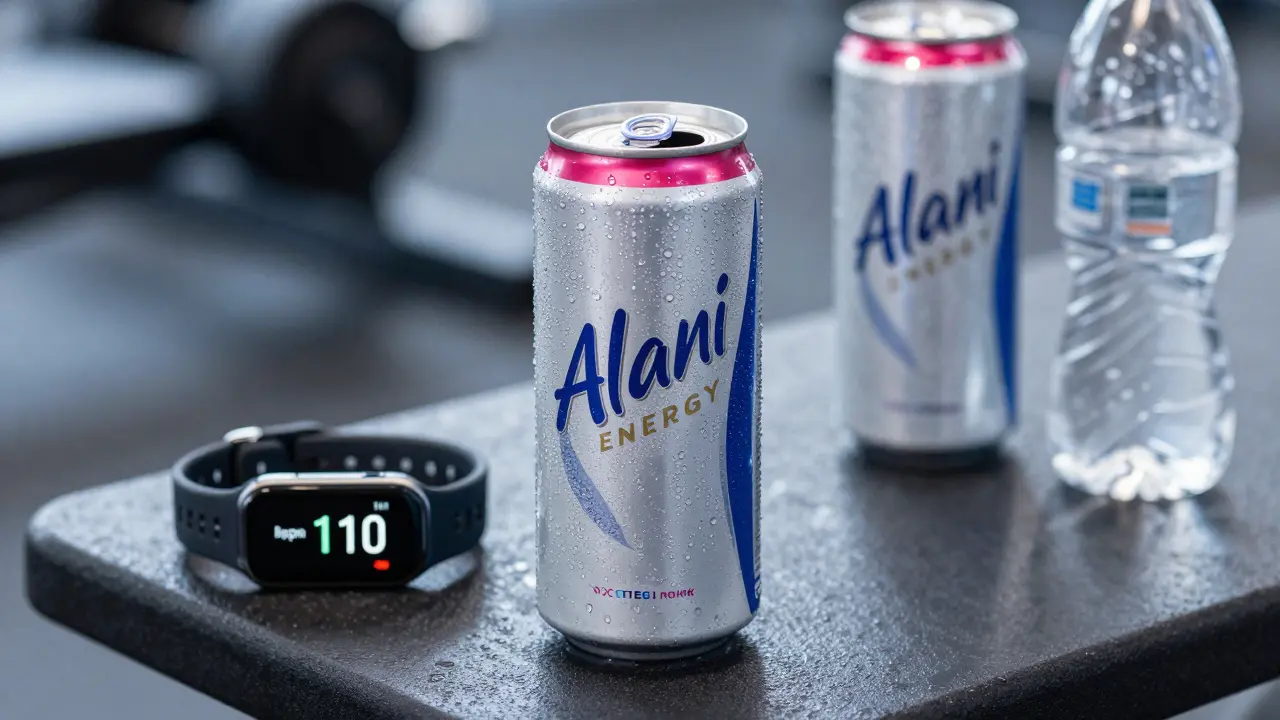
Alani Energy Drink has exploded in popularity, especially among fitness enthusiasts and people trying to cut sugar. It promises clean energy, zero sugar, and only 10 calories per can. But is it really as harmless as it looks? If you’ve ever sipped one and felt your heart race, your stomach churn, or your sleep vanish, you’re not imagining it. The truth about Alani isn’t about marketing-it’s about what’s actually in the can.
What’s Really in Alani Energy Drink?
Alani Nu’s flagship drink, Alani Energy, lists just a few ingredients: carbonated water, citric acid, natural flavors, potassium citrate, sodium citrate, caffeine, L-theanine, sucralose, acesulfame potassium, niacinamide (vitamin B3), vitamin B6, vitamin B12, and a small amount of sodium. At first glance, it seems clean. No sugar. No artificial colors. But the absence of sugar doesn’t mean it’s harmless.
The real concern lies in the dose of caffeine and artificial sweeteners. Each 12-ounce can contains 200 mg of caffeine. That’s the same as two cups of strong coffee. For comparison, a standard 8-ounce cup of brewed coffee has about 95 mg. The FDA recommends a maximum of 400 mg of caffeine per day for healthy adults. One can of Alani puts you halfway there-before you’ve even had breakfast.
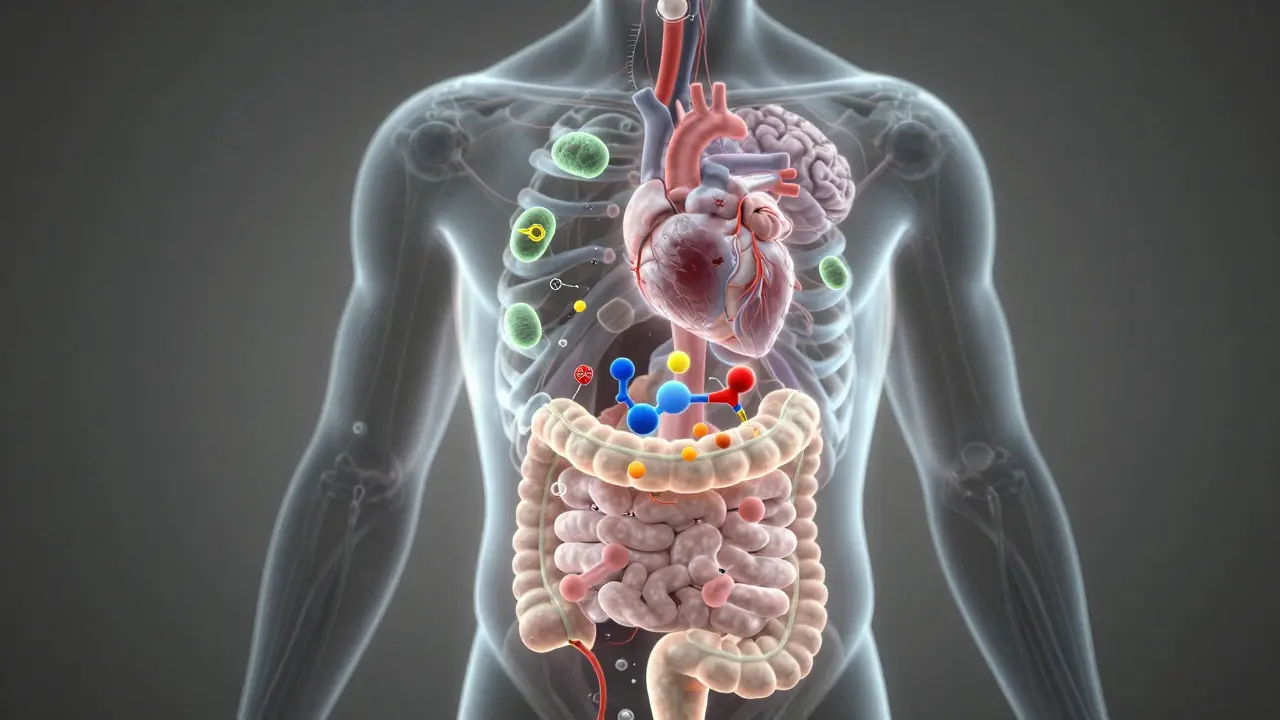
Then there are the sweeteners: sucralose and acesulfame potassium. These are non-nutritive, meaning they add zero calories. But they’re not magic. A 2023 study from the University of Sydney found that regular consumption of these sweeteners can alter gut bacteria in ways that may reduce insulin sensitivity over time. That’s not a myth-it’s measurable. People who drink sugar-free energy drinks daily showed a 12% drop in insulin response after 6 weeks, even without weight gain.
Why Caffeine Alone Isn’t the Problem
Caffeine isn’t evil. In fact, it’s one of the most studied substances on the planet. It improves focus, boosts endurance, and can even help with fat burning. But Alani doesn’t just give you caffeine-it gives you fast-acting caffeine.
Unlike coffee, which releases caffeine slowly over 30-60 minutes, Alani’s formula includes L-theanine, a compound that smooths out the caffeine crash. That sounds good, right? But here’s the catch: it makes the high feel smoother, so you don’t realize how much you’re consuming. You might drink one can at 8 a.m., another at 1 p.m., and a third at 5 p.m. because you don’t feel jittery. By 8 p.m., your body is still processing 600 mg of caffeine. That’s above the daily limit. And that’s when insomnia, anxiety, or heart palpitations creep in.
One woman in Brisbane, 29, told her doctor she’d been drinking two Alani cans daily for four months. She had no history of heart issues-until she started waking up with her heart pounding. Her ECG showed occasional premature ventricular contractions (PVCs). Her doctor cut her off from caffeine entirely. She didn’t realize that what felt like "clean energy" was actually stressing her nervous system.
The Sweetener Trap
Sucralose and acesulfame potassium are approved by the FDA and the European Food Safety Authority. But approval doesn’t equal safety for daily, long-term use. These sweeteners aren’t digested-they pass through your body. But they don’t just disappear. They interact with your gut microbiome.
Research from the American Journal of Clinical Nutrition in 2024 showed that people who consumed sucralose daily for 12 weeks had a 30% reduction in beneficial gut bacteria. That’s not a small thing. Your gut microbiome affects everything: mood, immunity, digestion, even how you store fat. A 2025 meta-analysis of 11 studies found a consistent link between daily artificial sweetener use and increased risk of metabolic syndrome-higher blood sugar, higher triglycerides, and abdominal fat gain-even when calorie intake didn’t change.
And here’s the kicker: your brain expects sugar when it tastes sweetness. When it doesn’t get it, your body gets confused. Over time, this can increase cravings for sweet foods. Alani might be zero calories, but it might also be training you to want more sugar later.

Who Should Avoid Alani?
Not everyone reacts the same way. But some groups should skip it entirely:
- People with anxiety disorders-caffeine worsens panic attacks and restlessness.
- Those on stimulant medications (like ADHD drugs)-Alani can push your nervous system into overdrive.
- Pregnant or breastfeeding women-the 200 mg of caffeine exceeds the 200 mg/day limit recommended by the American College of Obstetricians and Gynecologists.
- Teens and young adults-their brains are still developing. High caffeine intake is linked to sleep disruption, mood swings, and poor academic performance.
- People with heart conditions-even mild arrhythmias can be triggered by sudden caffeine spikes.
If you’re drinking Alani to replace soda or energy drinks loaded with sugar, you’re making a smarter choice. But if you’re drinking it daily, multiple times a day, you’re trading one problem for another.
What About the "Clean" Label?
Alani markets itself as "clean," "natural," and "fitness-approved." But "natural flavors"? That term has no legal definition. It could mean anything from orange peel extract to chemically synthesized compounds that mimic nature. "Zero sugar" doesn’t mean zero impact. And "10 calories"? That’s just a number. It doesn’t account for how your body responds to artificial sweeteners and high-dose caffeine.
Many people think if it’s low-calorie, it’s healthy. That’s a dangerous assumption. Water has zero calories. So does vodka. Neither is "healthy" just because it’s low in calories.
How to Drink Alani Safely
If you still want to enjoy Alani, here’s how to do it without risking your health:
- Limit to one can per day-no more. That’s your max.
- Avoid it after 2 p.m.-it can disrupt sleep for up to 10 hours after consumption.
- Don’t mix it with other caffeine sources-no coffee, tea, or pre-workout supplements on the same day.
- Hydrate with water-for every can of Alani, drink at least 16 oz of plain water.
- Listen to your body-if you feel jittery, anxious, or have trouble sleeping, stop.
Alani isn’t poison. But it’s not health food either. It’s a stimulant, plain and simple. And stimulants, even legal ones, carry risks when used habitually.
Alternatives That Actually Work
Need energy without the crash? Try these instead:
- Green tea-has caffeine, but also L-theanine and antioxidants. About 30-50 mg per cup. Gentle and steady.
- Electrolyte water with a pinch of sea salt-dehydration is a silent energy killer. Fix that first.
- Black coffee (no sugar)-better dose control. You can brew less if you’re sensitive.
- Beetroot juice-naturally high in nitrates. Boosts blood flow and endurance without stimulants.
- Just sleep better-if you’re relying on energy drinks to get through the day, you’re not fixing the root problem.
Alani might help you push through a tough workout or a late-night work session. But it’s not a long-term solution. It’s a shortcut-and shortcuts often lead to detours you didn’t plan for.
Is Alani Energy Drink bad for your heart?
Alani contains 200 mg of caffeine per can, which can trigger heart palpitations, increased heart rate, or irregular rhythms in sensitive individuals. People with existing heart conditions, high blood pressure, or arrhythmias should avoid it. A 2024 study in the Journal of the American Heart Association found that daily consumption of energy drinks with 200+ mg of caffeine was linked to a 23% higher risk of abnormal heart rhythms in young adults.
Can Alani cause weight gain?
Alani has zero calories and no sugar, so it won’t directly cause weight gain. But artificial sweeteners like sucralose and acesulfame potassium can disrupt your gut bacteria and increase cravings for sweet foods. A 2025 study showed that daily users of these sweeteners gained abdominal fat over time-even without eating more calories. So while Alani won’t add calories, it might make you want more sugar later.
Is Alani safe during pregnancy?
No. The American College of Obstetricians and Gynecologists recommends limiting caffeine to 200 mg per day during pregnancy. One can of Alani hits that limit exactly. Plus, the effects of artificial sweeteners on fetal development aren’t fully understood. It’s best to avoid energy drinks entirely while pregnant.
Does Alani damage your teeth?
Yes, even though it has no sugar. Alani contains citric acid, which is highly erosive to tooth enamel. Sipping it slowly throughout the day is worse than drinking it quickly. Over time, this can lead to increased sensitivity and cavities. Rinse with water after drinking and avoid brushing immediately afterward.
How long does Alani stay in your system?
Caffeine from Alani takes about 5 hours to reduce by half in your body. It can take up to 10 hours to fully clear, especially if you’re sensitive or metabolize caffeine slowly. That’s why drinking it after 2 p.m. can ruin your sleep. L-theanine doesn’t shorten this process-it just makes the effects feel smoother.
Is there a healthier version of Alani?
There isn’t a "healthier" version of Alani because the core issue is the high caffeine and artificial sweeteners. If you want a similar energy boost without the risks, try green tea, electrolyte water with a splash of citrus, or a short walk. These give you real energy without chemical stimulation.