Are Energy Drinks Actually Healthy? The Truth About Caffeine and Your Body
The Quick Verdict on Energy Drinks
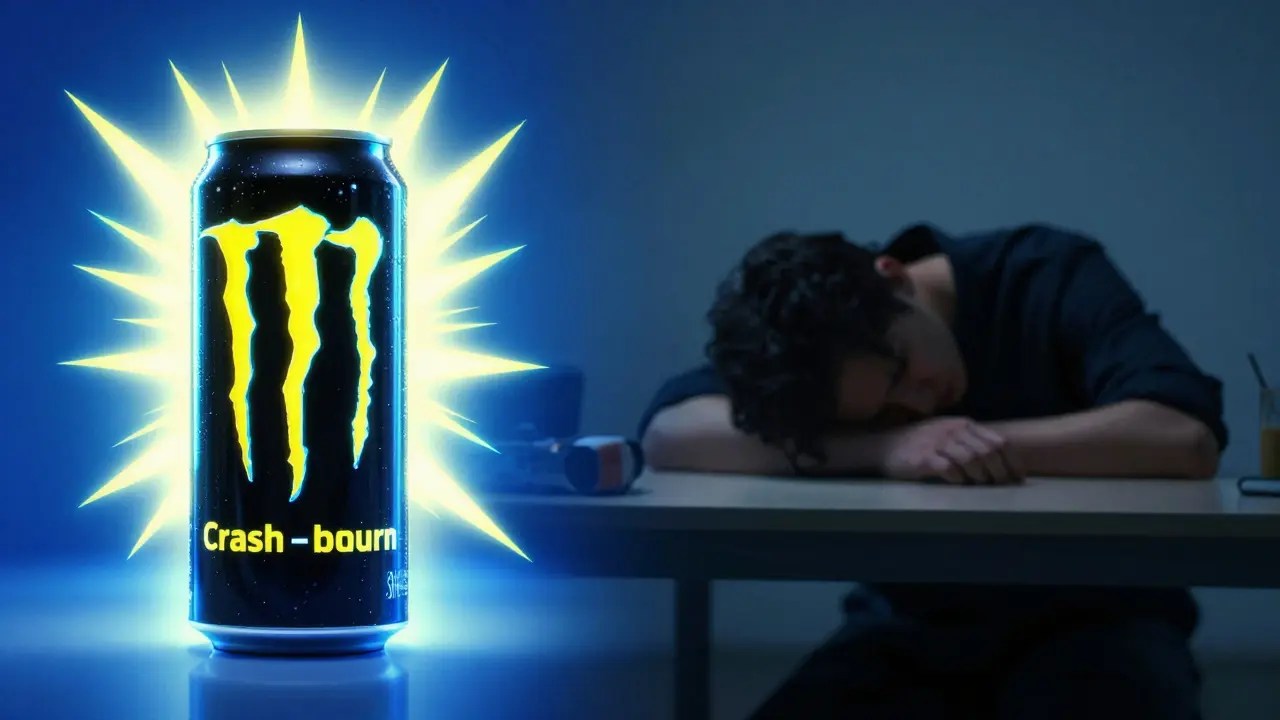
If you're looking for a fast way to wake up or push through a late-night project, energy drinks seem like a miracle in a can. But the reality is a bit more complicated. While a single can won't ruin your health, relying on them as a daily fuel source often leads to a crash-and-burn cycle that messes with your sleep and heart rhythm. The core issue isn't just the caffeine-it's the cocktail of sugars, stimulants, and acids that hit your system all at once.
What's Actually Inside the Can?
To figure out if these drinks are "good" or "bad," we have to look at the chemistry. Most of these beverages are built around Caffeine is a central nervous system stimulant that blocks adenosine receptors in the brain to prevent drowsiness . But caffeine is just the headliner. The supporting cast usually includes Taurine, an amino acid that helps regulate water and mineral levels in blood vessels, and Glucuronolactone, a naturally occurring chemical that some brands claim boosts performance, though the evidence is thin.
Then there's the sweetness. Many traditional energy drinks pack about 50 to 60 grams of sugar per serving. To put that in perspective, that's roughly 12 to 15 teaspoons of sugar. When you drink this quickly, your blood glucose levels spike violently, forcing your Pancreas to pump out massive amounts of insulin to compensate. This is why you feel like a superhero for an hour and then feel like you need a three-hour nap shortly after.
| Ingredient | Primary Function | Potential Downside |
|---|---|---|
| Caffeine | Increases alertness | Jitters, insomnia, anxiety |
| Sugar (Sucrose/Glucose) | Quick energy burst | Insulin spikes, weight gain |
| Taurine | Metabolic support | Lack of long-term human studies |
| B-Vitamins | Energy metabolism | Ineffective if not deficient |
| Artificial Sweeteners | Calorie reduction | Gut microbiome disruption |
The Highs and Lows: How Your Heart Reacts
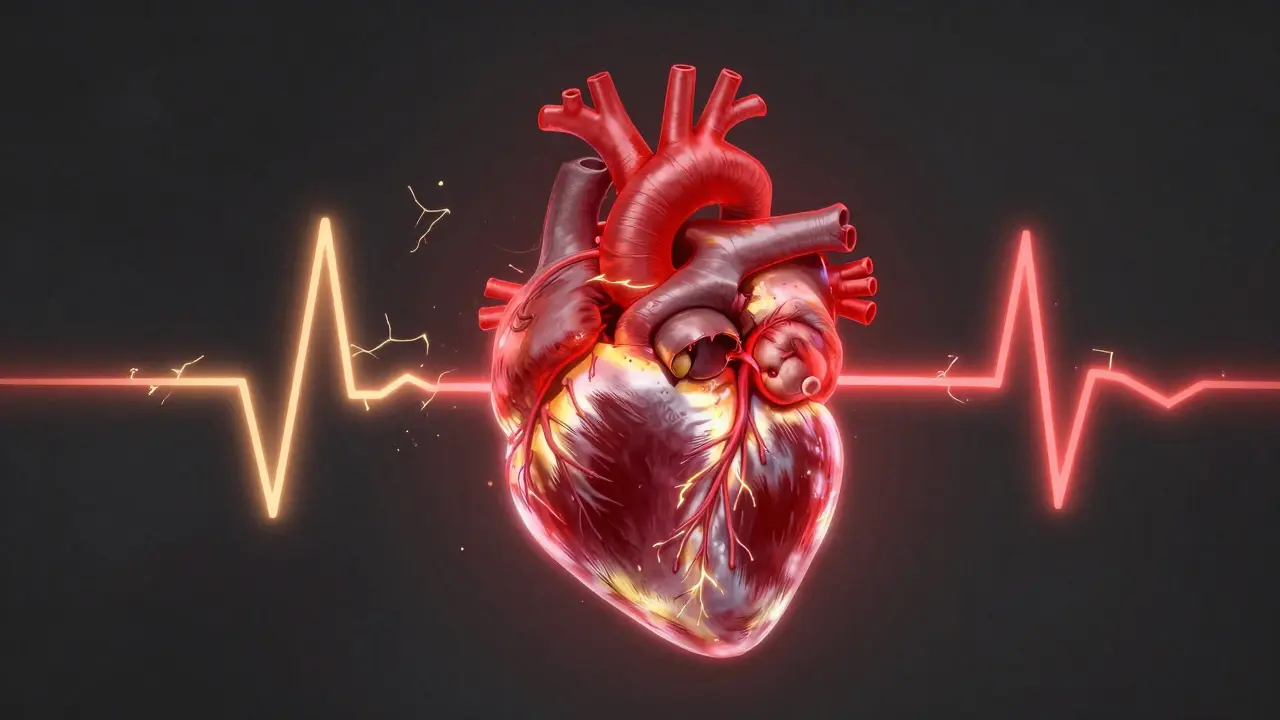
Your heart is the organ that feels the most impact. Caffeine increases your heart rate and blood pressure. For a healthy adult, this is usually manageable. However, when you combine high doses of caffeine with other stimulants like guarana, the effect is compounded. This can lead to heart palpitations or an irregular heartbeat, known as arrhythmia.
Think of it like redlining a car engine. Doing it once for a short burst is fine, but keeping the needle in the red for hours a day wears down the machinery. There have been documented cases where excessive consumption-meaning four or more cans in a short window-led to emergency room visits for tachycardia. This is especially dangerous if you're mixing these drinks with alcohol, as the caffeine masks the sedative effects of the booze, making you feel "wide-awake drunk," which often leads to riskier behavior and severe dehydration.
The Mental Game: Focus vs. Anxiety
We often drink these for the "focus," but there's a fine line between alertness and a panic attack. When caffeine hits your system, it triggers the release of adrenaline. This puts your body in a "fight or flight" state. While this is great for dodging a car or finishing a deadline, it's terrible for deep, creative work or calming down after a stressful day.
Over time, your brain builds a tolerance. The adenosine receptors your caffeine is blocking actually multiply. This means you need energy drinks just to feel "normal," not to feel energized. This is a classic dependency cycle. When you don't have that morning can, you experience the "caffeine withdrawal headache," which is essentially your brain screaming for its chemical crutch.
The Hidden Toll on Your Teeth and Gut
Beyond the heart and brain, there's the physical erosion of your mouth. Most energy drinks are incredibly acidic. They have a low pH level, which eats away at your tooth enamel. If you sip on one over several hours, you're essentially bathing your teeth in an acid bath. This makes your teeth more susceptible to decay and sensitivity.
Your stomach doesn't love them either. The combination of high acidity and high caffeine can irritate the lining of the stomach, leading to acid reflux or gastritis. For people with sensitive guts, the artificial sweeteners found in "sugar-free" versions-like sucralose or acesulfame potassium-can cause bloating and digestive distress by altering the balance of bacteria in the microbiome.
Better Ways to Get an Energy Boost
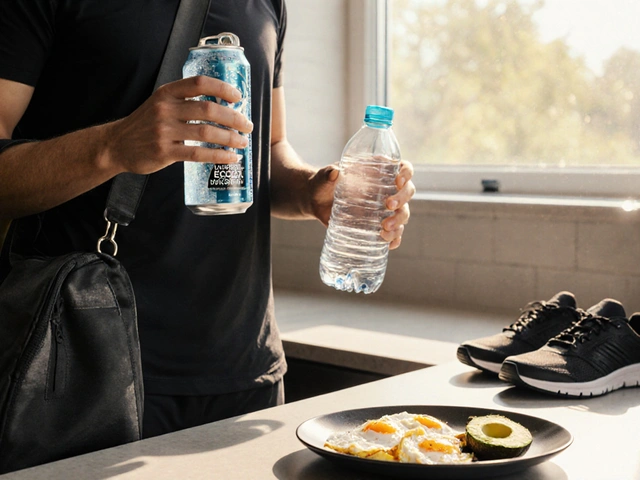
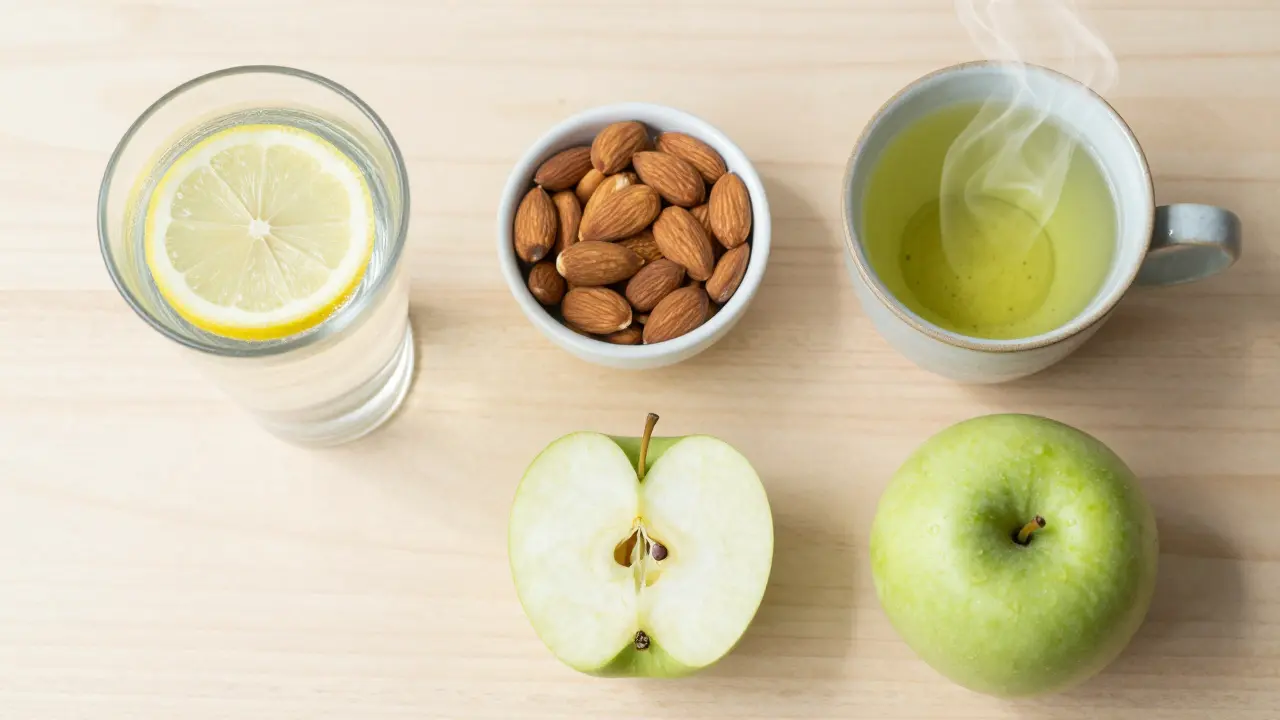
If you're trying to break the habit without crashing, you need to replace the chemical spike with sustainable fuel. The best way to avoid the energy drink trap is to stabilize your blood sugar. Instead of a sugar-loaded can, try a handful of almonds and a piece of fruit. The healthy fats and fibers slow down the absorption of sugar, giving you a steady stream of energy rather than a violent spike.
Hydration is the most overlooked factor. Fatigue is often just a sign of mild dehydration. Drinking a large glass of water before reaching for a stimulant can often clear the brain fog. If you absolutely need caffeine, a green tea is a smarter move. It contains L-theanine, an amino acid that promotes relaxation and prevents the "jitters" associated with the harsh delivery of energy drinks.
Are sugar-free energy drinks a healthy alternative?
Not necessarily. While they remove the risk of a sugar crash and calorie overload, they still contain high levels of caffeine and acids that harm your tooth enamel and stomach lining. Some artificial sweeteners may also negatively impact gut health.
How much caffeine is too much in one day?
For most healthy adults, the general guideline is up to 400mg of caffeine per day. Since many energy drinks contain 150mg to 300mg per can, drinking more than two can put you in the danger zone for anxiety and heart palpitations.
Can I drink energy drinks before a workout?
They can provide a temporary performance boost, but be careful. The high caffeine content increases your heart rate before you even start exercising, which can lead to overheating or cardiovascular strain during intense cardio.
Why do I feel more tired after the energy drink wears off?
This is the "caffeine crash." While the drink blocks adenosine (the chemical that makes you sleepy), the adenosine continues to build up in the background. Once the caffeine is metabolized, all that accumulated sleepiness hits your receptors at once.
Are B-vitamins in energy drinks actually useful?
B-vitamins help your body convert food into energy, but they aren't stimulants. If you already have a balanced diet, the extra megadoses in energy drinks mostly end up being flushed out through your urine, providing no real benefit.
Next Steps for Your Energy Levels
If you've been relying on these drinks daily, don't quit cold turkey, or you'll likely end up with a brutal migraine. Instead, try the "step-down" method. For the first week, swap one energy drink for a cup of black coffee or green tea. The next week, try replacing a second can with a glass of water and a high-protein snack. Focus on getting seven to eight hours of actual sleep, as no amount of taurine or caffeine can replace the cognitive restoration that happens during deep REM sleep.