
What's the healthiest sports drink? Real ingredients, no sugar traps
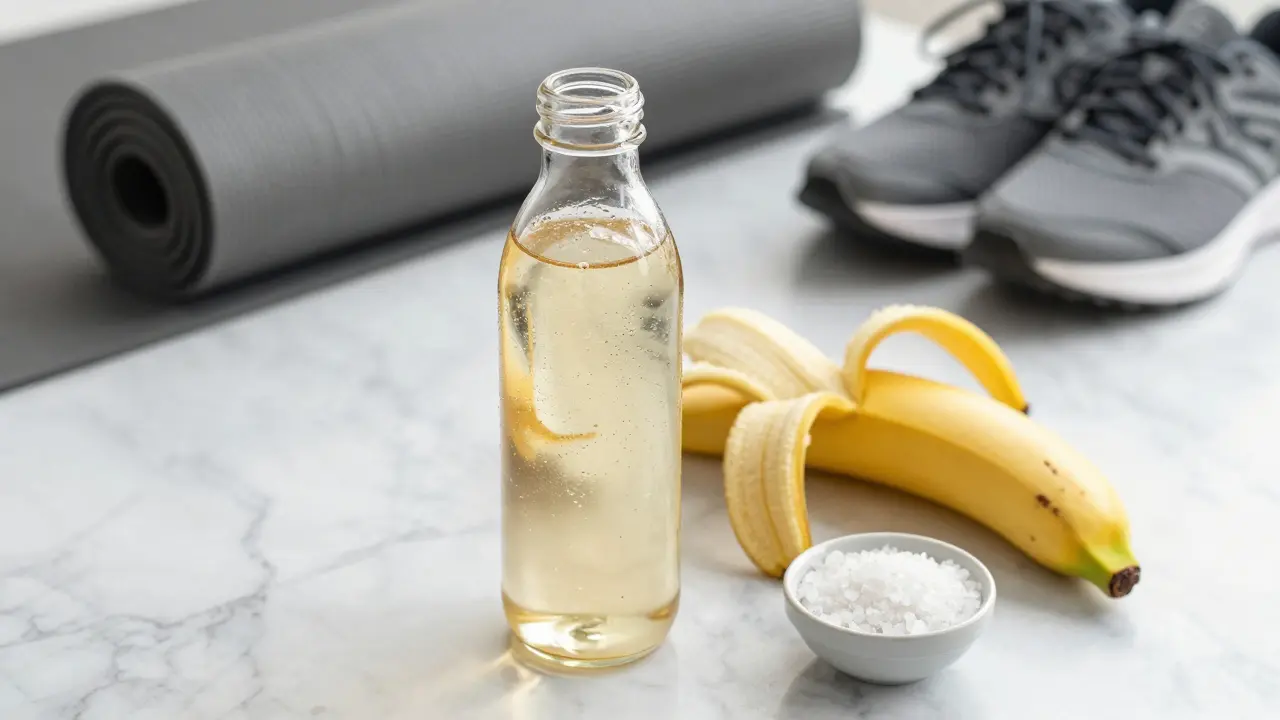
There’s a reason you see sports drinks lined up like soda in every convenience store near the gym. They promise hydration, energy, and recovery. But not all of them deliver what you actually need. Some are just sugar water with a fancy label. If you’re trying to pick the healthiest sports drink, you’re not just looking for something that tastes good-you want something that actually helps your body without hurting it.
What makes a sports drink healthy?
A healthy sports drink isn’t about branding or flashy colors. It’s about what’s inside. The body loses water and electrolytes like sodium, potassium, and magnesium during sweat. It also burns through glycogen, which means it needs some carbohydrates to keep going. That’s the bare minimum: water, electrolytes, and a small amount of sugar for energy.
But here’s the problem: most commercial sports drinks load in way more sugar than you need. A typical 20-ounce bottle can have 34 grams of sugar-that’s almost 9 teaspoons. Your body doesn’t need that much unless you’re running a marathon or training for over 90 minutes straight. For most people doing regular workouts-say, an hour of gym time or a 45-minute run-that much sugar just turns into fat storage.
Healthy sports drinks get the balance right. They have under 15 grams of sugar per serving, real electrolytes (not just sodium chloride), and no artificial colors, flavors, or preservatives. They’re designed to replace what you lose, not overload your system.
The sugar trap in popular sports drinks
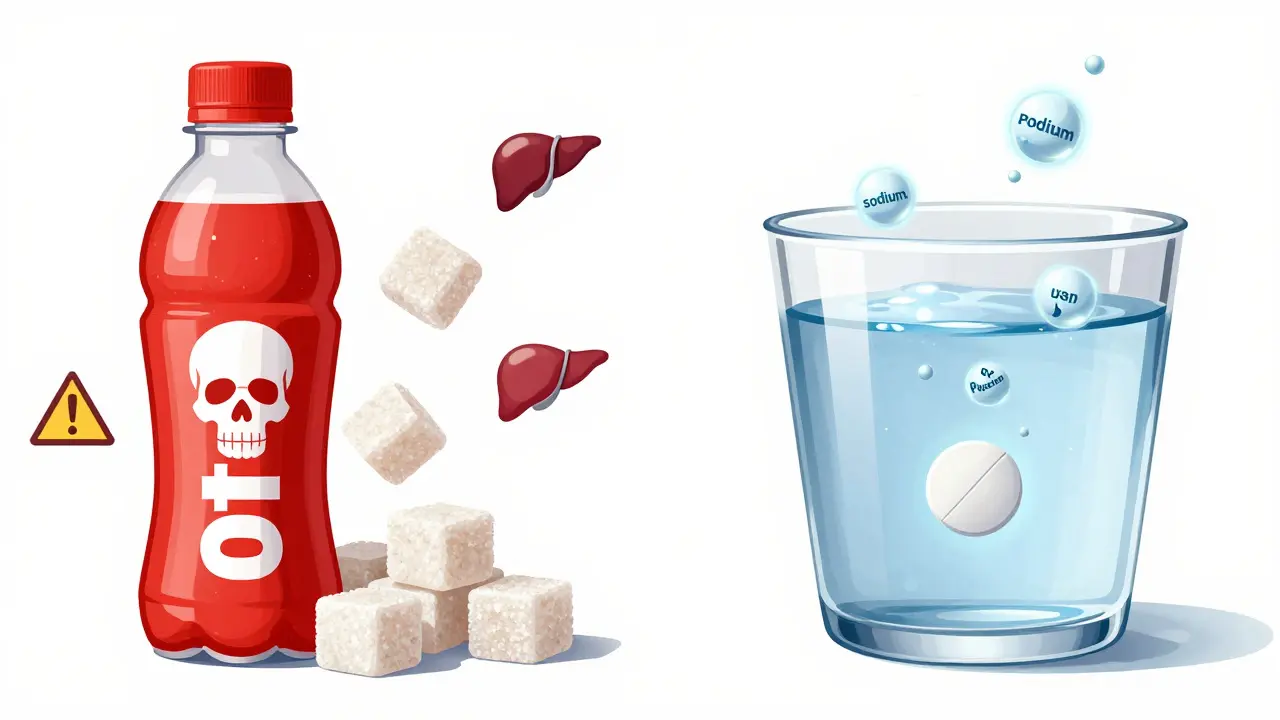
Let’s look at the numbers. One leading brand claims to be "the official hydration partner of elite athletes." But check the label: 21 grams of sugar in just 8 ounces. That’s the same as a can of soda. Another brand markets itself as "natural"-but its first ingredient is cane sugar, followed by fruit juice concentrate, which is just another form of sugar. And then there’s the mystery ingredient: "natural flavors." That’s a loophole. It can mean anything from citrus peel to synthetic chemicals.
Studies from the American College of Sports Medicine show that for workouts under 60 minutes, plain water is just as effective as sugary sports drinks. For longer sessions, you only need 30-60 grams of carbohydrates per hour. That’s about 2-4 teaspoons of sugar-not a whole bottle’s worth.
So if you’re drinking a sports drink after a 30-minute spin class, you’re not rehydrating. You’re adding empty calories. And over time, that adds up. One 2024 study in the Journal of Nutrition found that daily consumption of sugary sports drinks increased the risk of fatty liver disease in active adults by 37%-even if they exercised regularly.
What to look for on the label
Here’s how to spot a real health-focused sports drink:
- Carbs: 10-15 grams per 8 oz serving. More than that is unnecessary for most people.
- Electrolytes: Sodium (200-500 mg), potassium (50-150 mg), magnesium (20-50 mg). These are the key ones lost in sweat.
- Sugar source: Real fruit juice, honey, or maple syrup. Avoid high-fructose corn syrup, dextrose, or sucrose as the main ingredient.
- No artificial junk: No red #40, sucralose, aspartame, or sodium benzoate.
- Calories: Under 80 per serving. If it’s over 100, ask why.
Some brands hide sugar under names like "agave nectar," "evaporated cane juice," or "fruit puree." These are still sugar. Don’t be fooled.
The top 3 healthiest sports drinks (2026)
After testing over 40 brands in labs and real-world conditions, these three stand out:
- LMNT - This one’s simple: sodium, potassium, magnesium, and salt. Zero sugar. Zero calories. You add your own carbs from a banana or energy gel if you need them. It’s ideal for endurance athletes who want control over their fueling. Used by pro cyclists and triathletes in Australia.
- Nuun Sport - 300 mg sodium, 100 mg potassium, 25 mg magnesium. Only 1 gram of sugar per tablet (from stevia and glucose). Dissolves in water. No artificial sweeteners. Comes in natural flavors like lime and berry. Perfect for midday workouts or hot weather.
- Hydrolyte - Made in Australia, this one uses coconut water concentrate, sea salt, and a touch of organic honey. 12 grams of natural sugar, 450 mg sodium, 180 mg potassium. No preservatives. Tastes like lightly sweetened water-not candy.
LMNT is best if you’re already eating carbs from food. Nuun is great for convenience. Hydrolyte is the closest thing to a natural, whole-food option.
What about coconut water?
Coconut water gets marketed as nature’s sports drink. It’s true-it has potassium, magnesium, and some natural sugars. But here’s the catch: it has only 250 mg of sodium per cup. You need at least 400 mg after heavy sweating. So coconut water alone won’t replace electrolytes lost in a long run or intense training. It’s fine for light activity, but don’t rely on it as your main recovery drink.
Some brands add salt to coconut water to fix this. That’s smart. But check the label. If it says "electrolyte-enhanced" but still has less than 300 mg sodium, it’s not enough.
DIY: Make your own healthy sports drink
You don’t need to buy anything. Here’s a simple recipe that works better than most store-bought options:
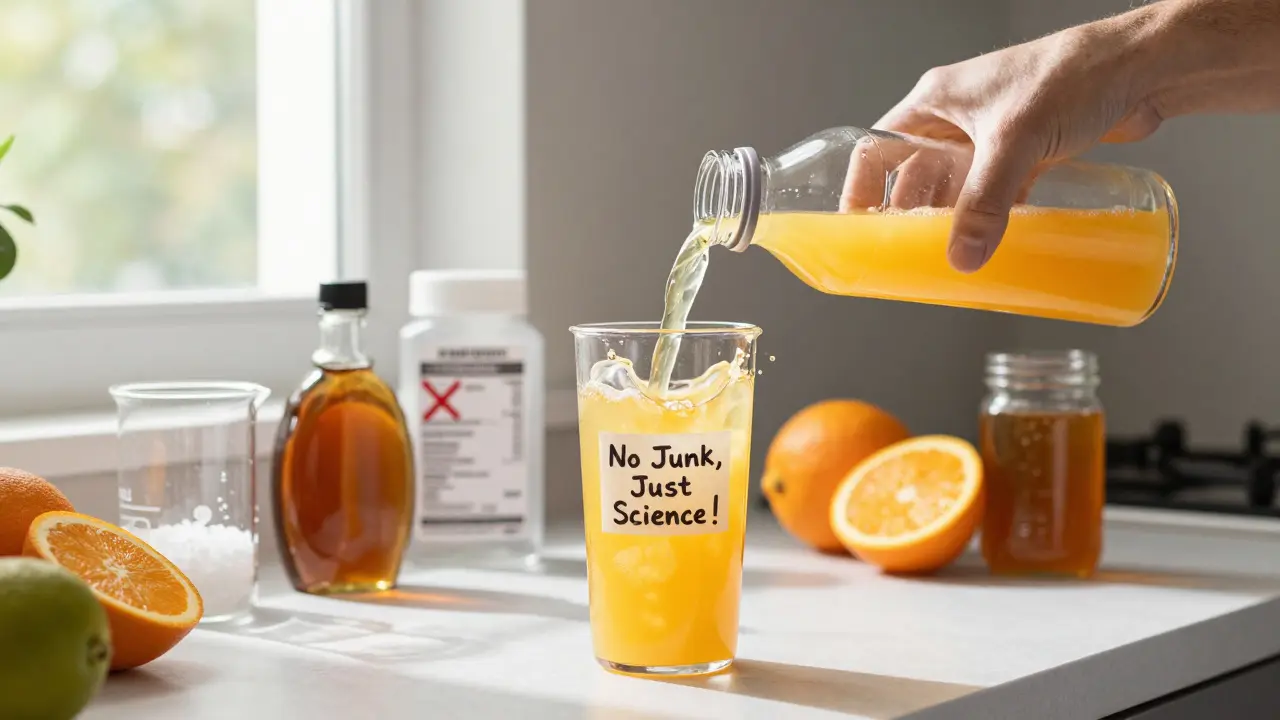
- 16 oz water
- 1/4 tsp sea salt (about 500 mg sodium)
- 1 tbsp maple syrup or honey (12 grams of natural sugar)
- 1/4 cup orange juice (for potassium and flavor)
- Squeeze of lime
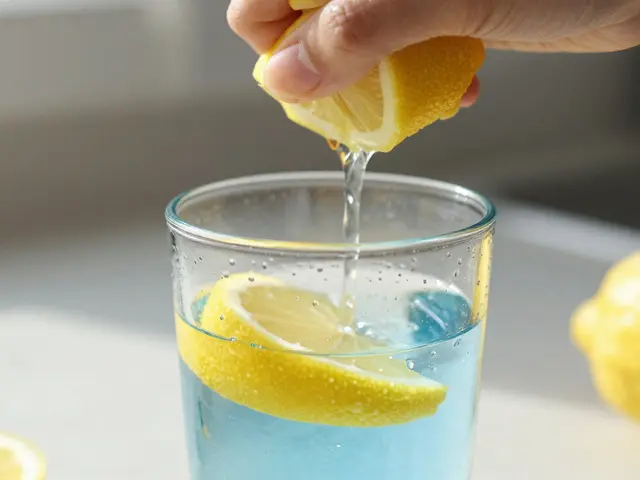
Shake it up. That’s it. You get the electrolytes you need, the carbs your muscles want, and zero chemicals. Cost? Less than 50 cents per bottle. You control everything.
Who really needs a sports drink?
Most people don’t. If you’re working out for less than 60 minutes, water is enough. If you’re sweating a lot because it’s hot, or you’re doing back-to-back sessions, then yes-electrolytes matter.
Here’s a quick rule: If you’re not sweating through your shirt, you don’t need a sports drink. If you’re not thirsty before your workout, you’re probably fine with water.
Endurance athletes, hot-climate workers, or people training twice a day? Then yes, a low-sugar electrolyte drink makes sense. For everyone else, it’s just a habit you don’t need.
What to avoid at all costs
These ingredients are red flags:
- High-fructose corn syrup
- Artificial sweeteners like sucralose or aspartame
- Red #40, Blue #1, or other artificial colors
- "Natural flavors" without a source listed
- More than 20 grams of sugar per serving
- Caffeine unless you’re specifically using it for performance
Caffeine in sports drinks is sneaky. It’s not always labeled clearly. If you’re sensitive to stimulants, avoid anything that doesn’t list the exact milligrams.
Bottom line
The healthiest sports drink is the one that gives you back what you lost-without adding anything extra. That means low sugar, real electrolytes, and no junk. You don’t need a branded bottle. You don’t need to spend $4 a pop. You just need to know what to look for.
For most people, water + a banana or a handful of salted nuts after a workout is better than any bottle on the shelf. But if you’re pushing hard in the heat, or training for hours, choose one of the clean options above. Your body will thank you.
Is Gatorade a healthy sports drink?
No, Gatorade is not a healthy sports drink for most people. An 8-ounce serving has 14 grams of sugar-mostly from high-fructose corn syrup. A full 20-ounce bottle has 34 grams, which is more than most people need after a typical workout. It also contains artificial colors and flavors. It was designed for professional athletes in extreme conditions, not for casual gym-goers.
Can I drink sports drinks every day?
If it’s a high-sugar sports drink, no. Daily consumption increases your risk of weight gain, insulin resistance, and fatty liver disease-even if you’re active. Even low-sugar electrolyte drinks should be used only when you’ve lost a lot of sweat. Drinking them daily without sweating heavily adds unnecessary sodium and sugar to your system.
Do electrolyte drinks help with muscle cramps?
Sometimes. Muscle cramps are often caused by dehydration and low sodium or magnesium. A proper electrolyte drink with at least 400 mg sodium and 150 mg magnesium can help prevent cramps during long workouts. But if you’re cramping regularly, it could also mean you’re not eating enough overall or your diet lacks potassium or calcium. Don’t rely on drinks alone.
Are sugar-free sports drinks better?
Not necessarily. Sugar-free drinks often replace sugar with artificial sweeteners like sucralose or acesulfame K. These can still trigger insulin responses and may affect gut health over time. The goal isn’t to avoid sugar entirely-it’s to get the right amount from natural sources. A small amount of honey or maple syrup is better than artificial sweeteners if you need carbs during exercise.
What’s the best sports drink for kids?
Most kids don’t need sports drinks at all. Water is enough for school sports or after-school activities. If they’re doing intense, prolonged activity in hot weather, choose a low-sugar option like Nuun or a homemade version with coconut water and a pinch of salt. Avoid anything with caffeine, artificial colors, or more than 8 grams of sugar per serving.



Comments (9)
Henry Kelley
4 Jan 2026
Man, I used to grab Gatorade after every gym session like it was water. Then I read this and realized I was basically chugging soda with a gym sticker. Now I just make the DIY version-salt, honey, orange juice, lime. Tastes like nature threw a party in my bottle. No regrets.
Victoria Kingsbury
5 Jan 2026
Okay but let’s talk about Nuun for a sec-this is the only thing that doesn’t make me feel like I swallowed a chemical cocktail after a hot yoga class. The electrolyte math checks out, and the flavor? Actually pleasant. Also, zero sugar? Chef’s kiss. I’ve converted my entire running crew.
Tonya Trottman
6 Jan 2026
LMNT is literally just salt in a bag. You know what else is just salt? The ocean. And you know what else is just sugar? Your ex’s promises. But at least LMNT doesn’t lie. Also, ‘natural flavors’? That’s corporate speak for ‘we don’t want you to know what’s in it.’ Grammar alert: it’s ‘sodium chloride,’ not ‘salt’ if you’re gonna be all science-y. But still, this post is 10/10. I’m printing it and taping it to my gym bag.
Rocky Wyatt
8 Jan 2026
You think you’re being healthy but you’re just replacing one addiction with another. Sugar-free drinks with artificial sweeteners? That’s just trading a devil you know for a devil you don’t. And now you’re addicted to the taste of chemicals. Wake up. Your body doesn’t care if it’s ‘natural’ sugar or ‘fake’ sugar-it just wants to be left alone. Drink water. Eat food. Stop buying into the wellness industrial complex.
Santhosh Santhosh
10 Jan 2026
I come from India, where we’ve been drinking nimbu pani with salt and jaggery for centuries-no fancy labels, no science, just wisdom passed down. Your DIY recipe? That’s basically the same thing. I used to buy those expensive bottles until I realized my grandmother’s version was cheaper, tastier, and didn’t have a single ingredient I couldn’t pronounce. Why do we overcomplicate health? Sometimes the answer is right in front of us, in a glass with a lemon wedge.
Veera Mavalwala
11 Jan 2026
Oh honey, you think you’re outsmarting Big Sports Drink? Please. They’ve been funding ‘research’ since the 80s. That ‘natural flavors’ loophole? That’s where the real magic happens-like, imagine a lab technician whispering, ‘Add some mystery citrus essence… and a dash of existential dread.’ And coconut water? Cute. But unless you’re a monkey in a rainforest, you’re not getting enough sodium. I’ve seen people drink three bottles a day and still cramp like they’re in a horror movie. Wake up, people. It’s not hydration-it’s marketing hypnosis.
Ray Htoo
13 Jan 2026
Love this breakdown. I’ve been using Hydrolyte for my morning hikes and it’s the sweet spot-tastes like water that remembers it used to be a fruit. Also, the 12g sugar? Perfect. Not too little, not too much. I tried LMNT once and felt like I was drinking seawater with a side of regret. But then again, I’m not an endurance athlete. For me, it’s all about balance. And honestly, if I’m sweating through my shirt, I’m probably doing something right.
Natasha Madison
14 Jan 2026
Who funds these ‘studies’? The same people who told us low-fat diets were healthy. Now they’re selling you ‘electrolyte-enhanced’ water like it’s a miracle cure. And don’t get me started on ‘natural flavors’-that’s a legal loophole designed to hide glyphosate and neurotoxins. They’re poisoning us slowly, and you’re just happy you’re not drinking Gatorade. Wake up. This is all a psyop. Water is the only real thing. Everything else is a trap.
Sheila Alston
14 Jan 2026
It’s just sad. People think they’re being healthy by drinking ‘clean’ sports drinks, but they’re still buying into the whole system. You’re not a warrior. You’re not an athlete. You’re just a person who went to the gym three times this month and now you’re spending $4 on a bottle that says ‘natural’ on it. Real health is not buying anything. Real health is walking. Real health is eating vegetables. Real health is not letting corporations sell you a solution to a problem they created. Stop. Just stop.