
Is Celsius the Healthiest Energy Drink? Science-Backed Comparison
What Makes an Energy Drink 'Healthy'?
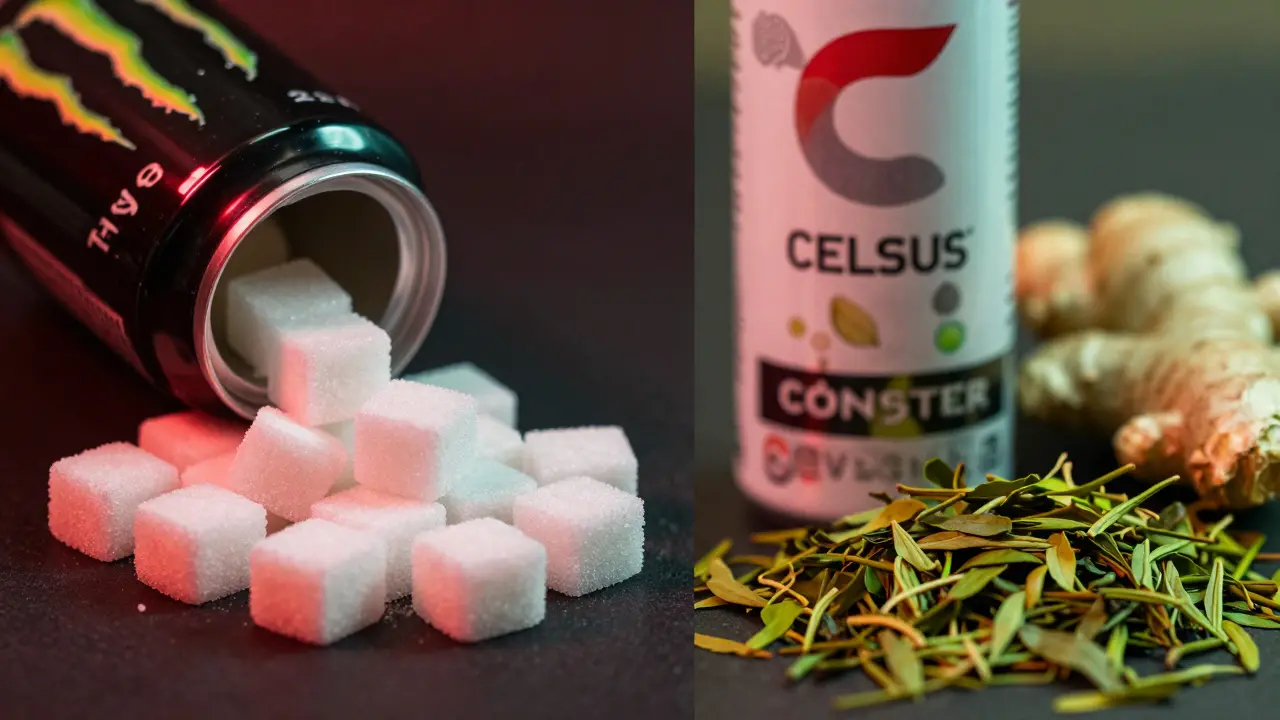
When you see 'healthy' on an energy drink label, what does it really mean? There's no official definition, but health-conscious consumers look at a few key factors. Sugar content is critical-most traditional energy drinks pack 20 to 50 grams of sugar per can. Artificial sweeteners like sucralose or aspartame are common in sugar-free versions, but they come with their own questions. Caffeine levels matter too; too much can cause jitters or sleep issues. Natural ingredients like green tea extract or B vitamins often signal a better option. And let's not forget calories-low-calorie drinks are generally preferred for weight management.
Celsius: What's Inside the Can?
Celsius energy drink positions itself as a fitness-focused option. Each 12-ounce can contains 200 mg of caffeine-about the same as two cups of coffee. It's completely sugar-free, using a mix of stevia and sucralose for sweetness. The drink also includes B vitamins (B6 and B12), green tea extract, ginger, and taurine. Celsius claims these ingredients boost metabolism and provide clean energy. But does the science back this up? Let's take a closer look.
How Celsius Compares to Other Brands
| Brand | Caffeine (mg) | Sugar (g) | Artificial Sweeteners | Calories |
|---|---|---|---|---|
| Celsius | 200 | 0 | Stevia, Sucralose | 10 |
| Monster Energy | 160 | 54 | None | 210 |
| Red Bull | 80 | 27 | None | 110 |
| Bang Energy | 300 | 0 | Sucralose | 0 |
| Zevia Energy | 120 | 0 | Stevia only | 0 |

What Science Says About Celsius Ingredients
The caffeine in Celsius is well within safe limits for most adults. The FDA recommends up to 400 mg per day, so one can is fine. However, some people are sensitive to caffeine and may experience anxiety or insomnia. The B vitamins help convert food into energy, but they're not magic-your body only uses what it needs, and excess gets excreted. Green tea extract contains antioxidants, but the amount in Celsius is likely too low to provide significant benefits. Taurine is generally safe, though its effects on energy are debated. The bigger concern is the artificial sweeteners. A 2023 study in the Journal of Nutrition found sucralose may alter gut bacteria in some individuals, potentially affecting digestion. Stevia is considered safer, but combining both sweeteners raises questions about long-term health impacts.
Who Should Drink Celsius?
If you're avoiding sugar, Celsius is a solid choice over sugary options like Monster or Red Bull. Athletes might appreciate the B vitamins and caffeine for pre-workout energy. However, people with caffeine sensitivity should stick to one can max. Those with digestive issues might want to avoid sucralose altogether-Zevia, which uses only stevia, could be a better fit. Diabetics should note that while Celsius has no sugar, artificial sweeteners might still affect insulin response in some cases. Always consult a doctor if you have specific health concerns.
Healthier Alternatives to Consider
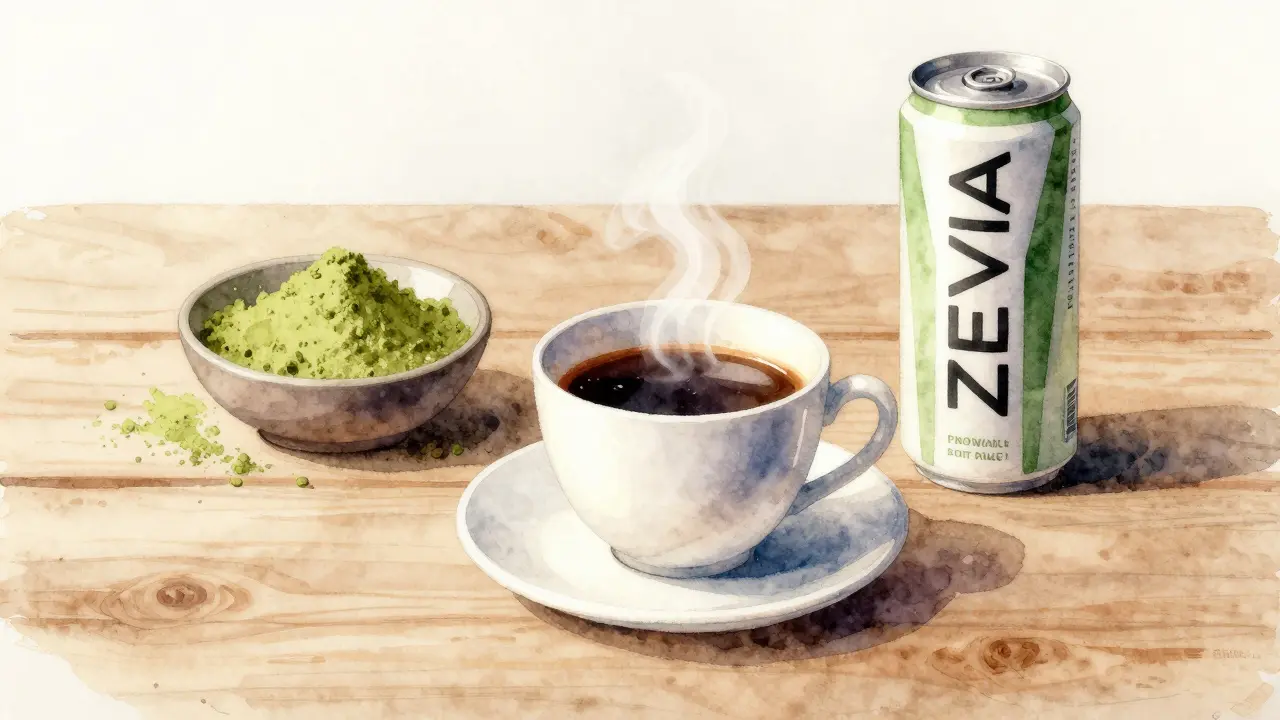
Looking for something even better? Zevia Energy uses stevia only, with no sucralose. Matcha-based drinks like those from Chameleon Cold Brew offer natural caffeine and antioxidants without artificial sweeteners. Even a simple cup of black coffee gives you clean energy with zero additives. For a natural boost, try coconut water or green tea-both provide hydration and mild caffeine without the chemical aftertaste. Sometimes the healthiest choice is the simplest one.
Final Verdict: Is Celsius the Healthiest?
So, is Celsius the healthiest energy drink? The answer is nuanced. It's definitely healthier than sugary options like Red Bull or Monster, but the inclusion of sucralose and high caffeine makes it less ideal than some alternatives. If you're cutting sugar and need a caffeine boost, Celsius works well. But if you're sensitive to artificial sweeteners or prefer natural ingredients, Zevia or matcha might be better choices. Ultimately, the healthiest energy drink is the one that fits your individual needs and consumption habits.
Does Celsius contain sugar?
No, Celsius contains zero grams of sugar per can. It uses stevia and sucralose as sweeteners instead.
How much caffeine is in Celsius?
Each 12-ounce can of Celsius has 200 mg of caffeine. This is higher than Red Bull (80 mg) but lower than Bang Energy (300 mg). The FDA considers up to 400 mg per day safe for most adults.
Are the artificial sweeteners in Celsius safe?
The FDA has approved both stevia and sucralose for consumption. However, some studies suggest sucralose may affect gut health in sensitive individuals. Stevia is generally considered safer, but combining both sweeteners could pose risks for some people. Moderation is key.
Can you drink Celsius every day?
For healthy adults, one can daily is likely safe. However, consuming more than two cans could exceed the recommended caffeine limit. People with caffeine sensitivity or underlying health conditions should consult a healthcare provider before regular use.
What's a healthier alternative to Celsius?
Zevia Energy uses only stevia for sweetness, making it a cleaner option. Matcha-based drinks like Chameleon Cold Brew provide natural caffeine and antioxidants without artificial sweeteners. Even black coffee offers a simple, additive-free energy boost. For hydration and mild caffeine, try green tea or coconut water.

Comments (11)
Rajashree Iyer
5 Feb 2026
Celsius... a modern elixir? Or a chemical cocktail in disguise? 🌿 The 'health halo' is but a mirage. Sucralose-artificial, unnatural. Green tea extract? A token gesture. B vitamins? The body excretes excess. This isn't health-it's marketing masquerading as wellness. We must question the narrative.
What is 'healthy' but a word shaped by profit? Let's look beyond the label. True health is in simplicity: water, tea, nature. Not lab-created concoctions. 🌍✨
Vimal Kumar
7 Feb 2026
Hey everyone, just wanted to share my experience. I started using Zevia a few months back because of the sucralose in Celsius. It's been great-only stevia, no weird aftertaste. Also, I've been drinking matcha for energy, which gives a calm focus without the jitters. For those with digestive issues, maybe try herbal teas like peppermint or ginger. Everyone's body is different, so find what works for you. No judgment here, just sharing what helped me. I've also been cutting back on caffeine altogether and focusing on hydration and sleep. It's amazing how much better I feel without the energy drinks. The key is balance and listening to your body. Stay healthy! 😊
Jitendra Singh
8 Feb 2026
Interesting discussion! I think Celsius is okay for occasional use, but I agree with Rajashree that we should be cautious about artificial sweeteners. Personally, I prefer natural options like green tea or black coffee. It's all about moderation and knowing your own body's limits. No need to demonize Celsius, but also no need to overhype it. The science isn't black and white-some studies show sucralose might affect gut health, but others say it's safe in moderation. The key is to listen to your body and make informed choices. Cheers!
Sumit SM
8 Feb 2026
Celsius? Hmm... Let's think: caffeine is fine in moderation, but sucralose? It's a chemical! And the B vitamins? Overkill! The body excretes excess! So, is it healthy? Not really! It's just another 'health halo' product. Think critically, folks! 🤔
Soham Dhruv
9 Feb 2026
Hey, just wanted to say that Celsius is okay for me, but I've been tryin' matcha lately. It's got natural caffeine and no weird sweeteners. Also, coffee is great too. Just take it easy, man. 😌
Bob Buthune
10 Feb 2026
Omg, I can't even believe how many people are just blindly drinking Celsius... 😭 The artificial sweeteners are destroying our gut health! 🤯 I read a study where sucralose was linked to inflammation and even changes in gut bacteria. And the caffeine? 200mg is way too much for some people! 😱 I've been drinking green tea for years, and it's so much better for you. You don't need all those chemicals. The B vitamins? The body just excretes the excess. It's not like you're getting any real benefit. And the marketing? Total scam. They say 'healthy' but it's just another processed drink. People need to wake up! 🌍 It's not about the calories or sugar-it's about what's in there. Sucralose is a no-go for me. I switched to plain black coffee years ago, and my digestion improved so much. Even Zevia has stevia, which is better, but still not perfect. I think the healthiest option is just water with a slice of lemon. No additives, no sweeteners, nothing artificial. We need to stop falling for these 'health halo' products. They're not healthy, they're just marketed as such. Please, listen to your body. It's telling you to avoid this stuff. 🙏
Jane San Miguel
10 Feb 2026
Celsius is a marketing ploy masquerading as health. The use of sucralose is scientifically dubious, and the B vitamins are merely a placebo effect. For true health, one must opt for natural sources-such as green tea or black coffee-without any artificial additives. Anything less is simply unrefined.
Pooja Kalra
12 Feb 2026
Celsius? More like 'cell-ee-us'-cellular damage, perhaps. Sucralose is a no-go for me. Stick to water, people.
Kasey Drymalla
12 Feb 2026
Celsius is a scam. Period.
Indi s
14 Feb 2026
I've been using Celsius for a while, and it's okay. But I think natural options like green tea are better. Just my two cents.
Rohit Sen
14 Feb 2026
Celsius is overrated. Real health is in nature, not lab-made chemicals. Just sayin' 😎