
Why is taurine in energy drinks bad?
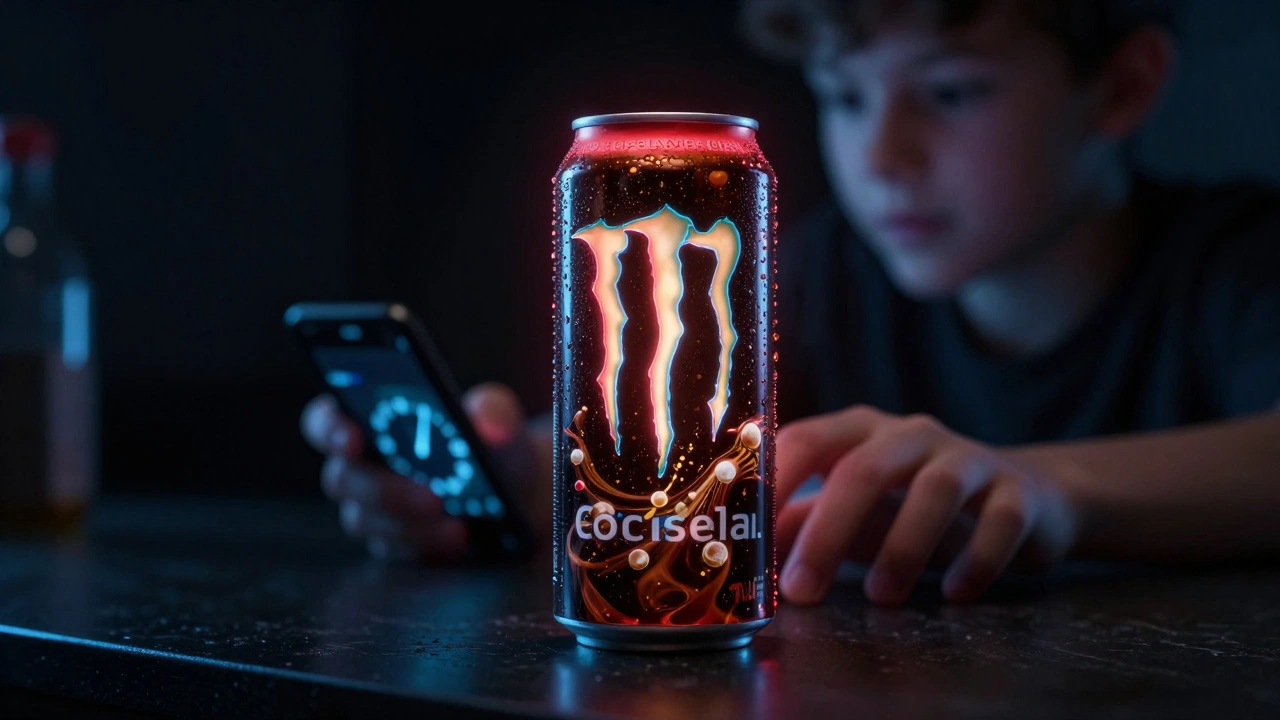
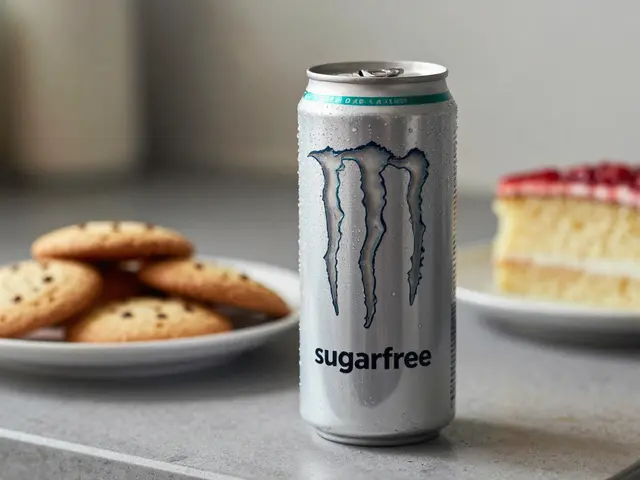
When you crack open an energy drink, you’re not just getting caffeine and sugar. There’s another ingredient hiding in plain sight-taurine. It’s listed right there on the label, often near the top, and it sounds scientific, even healthy. But here’s the thing: taurine isn’t some magical performance booster. In the doses found in energy drinks, it’s not harmless. And for some people, it’s downright risky.
Taurine isn’t what you think it is
Taurine is an amino acid your body naturally makes. It’s found in meat, fish, and dairy. Your brain, heart, and muscles all use it. It helps with muscle function, nerve signal control, and even bile production. That sounds good, right? But here’s the catch: your body already makes enough. You don’t need extra from a can of soda.
Energy drink companies add taurine because it sounds impressive. They want you to believe it’s a performance enhancer. But studies show that taurine doesn’t boost energy on its own. It doesn’t give you a rush. It doesn’t make you focus better. What it does is interact with other ingredients-especially caffeine-in ways that aren’t fully understood.
The real problem: taurine + caffeine + sugar
Taurine by itself isn’t dangerous. In fact, it’s been studied for years as a potential treatment for heart conditions and epilepsy. The issue isn’t taurine. It’s what happens when you mix it with high doses of caffeine and sugar.
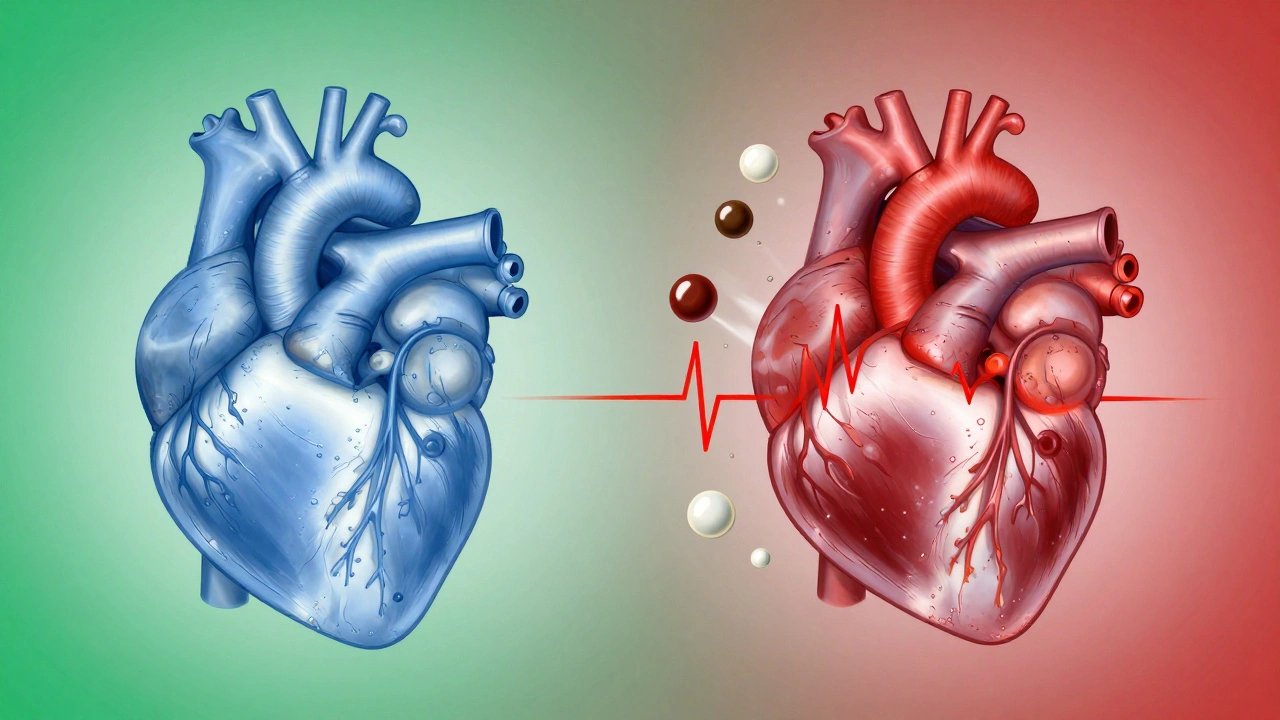
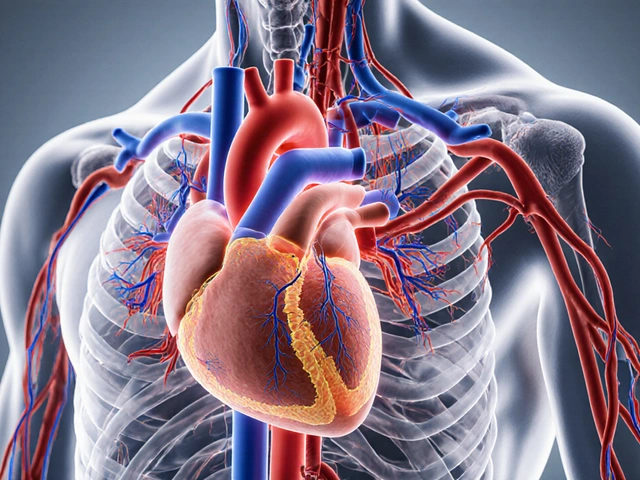
A typical energy drink has 80-300 mg of caffeine and 27-50 grams of sugar. Add 1,000 mg of taurine. That’s the standard combo. Now, taurine can affect how your heart cells handle calcium. Caffeine does the same. Together, they can push your heart into overdrive. A 2021 study in the Journal of the American Heart Association found that people who drank two energy drinks in a row had a 25% increase in heart rate and higher blood pressure than those who drank just coffee.
And it’s not just your heart. Taurine can mess with your sleep cycle. It’s not a sedative, but it alters brain chemicals like GABA. That’s why some people feel wired after an energy drink, then crash hard hours later. The crash isn’t just from sugar dropping. It’s your nervous system trying to reset after being overstimulated.
Who’s most at risk?
If you’re young, healthy, and drink one energy drink once a week, you’re probably fine. But that’s not the whole story. Teenagers are the biggest consumers. In Australia, nearly 40% of teens drink energy drinks at least once a week. And their bodies are still developing. Their brains are more sensitive to stimulants. Their kidneys are smaller. Their livers are still learning how to process complex mixes.
People with heart conditions, anxiety disorders, or high blood pressure should avoid energy drinks entirely. Taurine doesn’t cause these problems, but it can make them worse. A 2020 case report from Brisbane described a 16-year-old boy who had a panic attack and rapid heartbeat after drinking two energy drinks in one afternoon. He had no prior history of heart issues. Doctors pointed to the taurine-caffeine combo as the trigger.
Even pregnant women should skip them. While taurine is naturally found in breast milk, synthetic doses in energy drinks haven’t been tested for safety during pregnancy. The Australian Therapeutic Goods Administration advises against energy drinks for pregnant and breastfeeding women.
What about the ‘natural’ taurine claims?
Some brands brag about using ‘natural taurine.’ That’s marketing nonsense. Taurine is chemically identical whether it comes from a lab or a cow. There’s no such thing as ‘natural’ taurine in supplements. All of it is synthesized. The source doesn’t matter. The dose does.
And here’s another trick: energy drinks often list taurine as ‘part of a proprietary blend.’ That means they don’t have to say exactly how much is in there. You might think you’re getting 1,000 mg, but you could be getting 1,500 mg or more. No one’s checking.
How much is too much?
The European Food Safety Authority says up to 3,000 mg of taurine per day is safe for adults. Sounds like a lot? But energy drinks aren’t the only source. You get taurine from food. If you eat meat regularly, you’re already consuming 40-400 mg a day. Add two energy drinks, and you’re hitting 2,000-3,000 mg before lunch.
That’s not necessarily dangerous for everyone. But if you’re drinking multiple drinks a day, mixing them with alcohol, or taking stimulant medications, you’re stacking risks. The real danger isn’t taurine alone. It’s the cumulative effect.
Alternatives that actually work
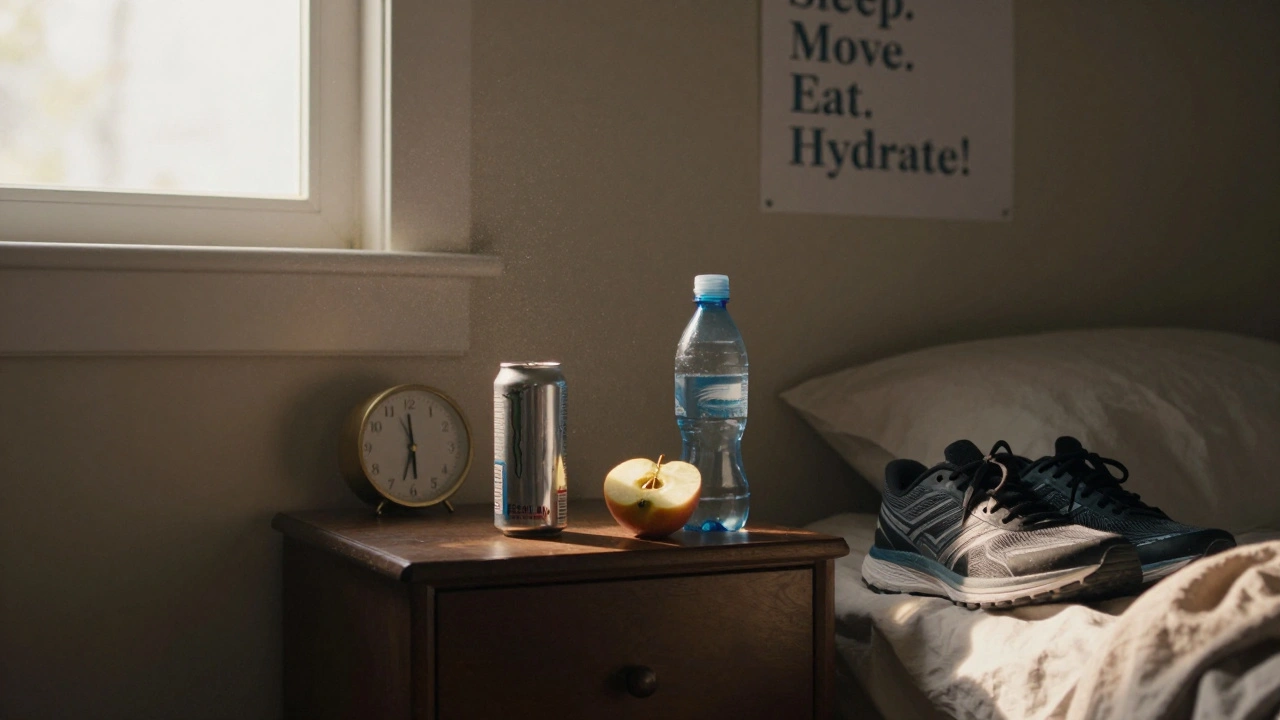
You don’t need energy drinks to feel alert. If you’re tired, try these instead:
- Drink water. Dehydration is the #1 cause of daytime fatigue.
- Get 10 minutes of sunlight. It resets your circadian rhythm.
- Have a small snack with protein and complex carbs-like nuts and an apple.
- Take a 5-minute walk. Movement boosts blood flow and oxygen to the brain.
Need caffeine? Go for black coffee or green tea. They have less sugar, no mystery additives, and natural antioxidants. You’ll feel the same buzz without the crash.
What’s really behind the taurine hype?
The energy drink industry spends billions on marketing. They don’t care if taurine helps you focus. They care that it sounds like science. It makes their product feel legit. It distracts you from the 40 grams of sugar and the 200 mg of caffeine.
Taurine was once studied for use in treating heart failure. That’s why it’s in energy drinks. But that doesn’t mean it works the same way in healthy people. Taking a compound used to treat disease and putting it in a soda for teens? That’s not innovation. It’s exploitation.
The science is clear: taurine in energy drinks isn’t bad by itself. But in the context of these drinks, it’s a silent partner in a risky cocktail. Your body doesn’t need it. Your brain doesn’t need it. Your heart doesn’t need it. And if you’re drinking more than one a week, you’re playing with fire.
Is taurine in energy drinks safe for teens?
No, it’s not recommended. Teens’ brains and hearts are still developing, and the combination of taurine, caffeine, and sugar can cause rapid heart rate, anxiety, and sleep disruption. Australian health guidelines advise against energy drinks for anyone under 18.
Does taurine make you gain weight?
Taurine itself doesn’t cause weight gain. But energy drinks are loaded with sugar-up to 50 grams per can. That’s more than the daily limit recommended by the WHO. The sugar is what leads to weight gain, not taurine.
Can taurine cause heart problems?
Taurine alone doesn’t cause heart problems. But when combined with high caffeine and other stimulants, it can trigger abnormal heart rhythms, especially in people with underlying conditions. Cases of tachycardia and palpitations after energy drink consumption have been documented in medical journals.
Is taurine banned in any countries?
No, taurine isn’t banned anywhere. But some countries restrict energy drinks entirely. France and Denmark used to ban them due to taurine content, but now they regulate caffeine and sugar instead. The ingredient itself is legal, but the products it’s in are under scrutiny.
What happens if you mix energy drinks with alcohol?
Mixing energy drinks with alcohol is dangerous. Taurine and caffeine mask how drunk you feel, so you drink more. This increases the risk of alcohol poisoning, dehydration, and heart strain. Studies show people who mix them are more likely to engage in risky behavior and end up in emergency rooms.
Bottom line
Taurine isn’t evil. But in energy drinks, it’s part of a formula designed to trick your body. It’s not helping you. It’s not giving you energy. It’s just another ingredient hiding behind science-sounding labels. If you want to feel alert, sleep better, eat well, and move more. That’s the real energy boost. Not a can.

Comments (9)
Nikhil Gavhane
4 Dec 2025
Taurine itself isn't the villain here-it's the whole package. I used to drink these for late-night study sessions, thinking I was being smart. Turns out I was just training my body to need chemical chaos to stay awake. Now I just drink water, walk around, and call it a day. Feels better too.
Rajat Patil
5 Dec 2025
It is important to understand that the body produces taurine naturally. Adding large amounts through beverages may not be necessary. Many young people are unaware of the long-term effects. A simple change in lifestyle can replace the need for such drinks.
deepak srinivasa
6 Dec 2025
Wait, so if taurine is used to treat heart failure, why is it dangerous here? Is it just the dose? Or is it the combo? I read somewhere that it helps with arrhythmias in patients. So why does it mess with healthy people's hearts? Can someone explain the mechanism without the marketing fluff?
pk Pk
7 Dec 2025
Look, I get it. You want to stay awake. But there are better ways. I used to work night shifts and lived on energy drinks. Then I started sleeping 7 hours, drinking green tea, and walking after dinner. No crash. No jittery hands. Just steady energy. You don’t need a lab-made soda to function. Your body already knows how to do this.
NIKHIL TRIPATHI
8 Dec 2025
Interesting how they call it ‘natural’ taurine. That’s just branding. Same molecule, different label. Also, the ‘proprietary blend’ loophole is wild. You could be getting double the taurine and not even know it. And don’t even get me started on the sugar. One can has more sugar than a doughnut. Who’s approving this stuff?
Also, the fact that it’s marketed to teens is straight-up predatory. They’re not even old enough to buy cigarettes, but energy drinks are on every corner.
Shivani Vaidya
9 Dec 2025
The science behind taurine is not the issue. The issue is the lack of regulation and the targeting of vulnerable populations. Energy drinks are not beverages. They are stimulant delivery systems disguised as refreshments. Parents, schools, and policymakers must act.
Rubina Jadhav
10 Dec 2025
I used to drink one a week. Now I don’t touch them. My anxiety got worse. My sleep was trash. I didn’t connect the dots until I quit. Simple change. Big difference.
sumraa hussain
11 Dec 2025
TAURINE IN ENERGY DRINKS IS A SCAM!!!
They take a compound that’s used in hospitals to fix hearts… and put it in a neon can with enough sugar to kill a horse and caffeine that makes your eyeballs vibrate!!!
And then they put it next to the soda at the gas station with a picture of a dude doing a backflip on a motorcycle!!!
IT’S NOT A DRINK. IT’S A TERRORIST ORGANIZATION FOR YOUR HEART!!!
Raji viji
12 Dec 2025
Bro, you’re acting like taurine is the devil. It’s not. It’s literally in your muscles right now. The real problem? You’re a lazy, sugar-addicted zombie who thinks a can of liquid lightning is a substitute for sleep. Go outside. Move. Eat real food. Stop blaming ingredients and start taking responsibility. Your body’s not broken-it’s just being abused by your choices. And no, green tea won’t fix your 3 a.m. TikTok scrolling habit.