
Who Should Not Drink Red Bull? Key Risks for Athletes and Active People
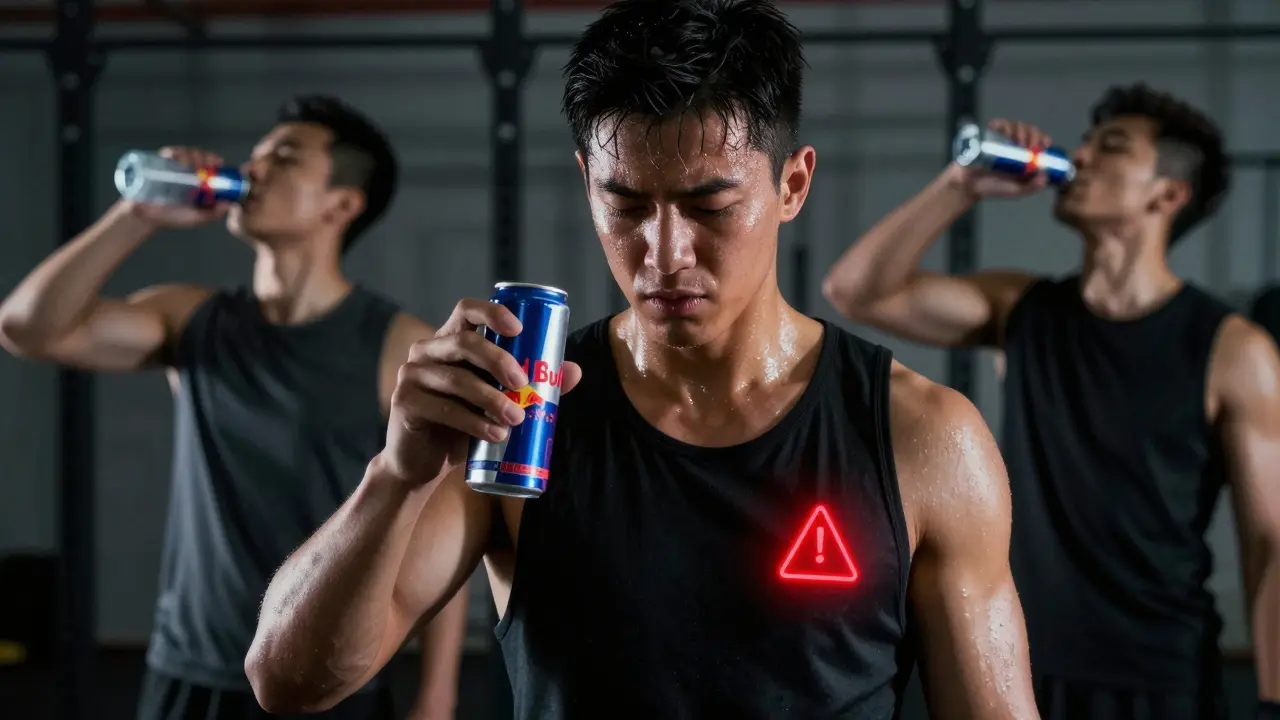
Red Bull is everywhere in gyms, locker rooms, and on sports fields. It promises quick energy, sharper focus, and better performance. But not everyone should reach for that can. For some people, drinking Red Bull isn’t just unnecessary-it can be dangerous. If you’re an athlete or someone who pushes their body hard, you need to know who should skip it entirely.
People with Heart Conditions
If you have a history of heart rhythm problems, high blood pressure, or coronary artery disease, Red Bull is not for you. The drink contains 80 milligrams of caffeine per 250ml can-about the same as a strong cup of coffee. But it’s not just caffeine. It also has taurine, B-vitamins, and sugar, which together can spike your heart rate and blood pressure. A 2023 study in the Journal of the American Heart Association found that healthy adults who drank one can of Red Bull saw an average 10% increase in heart rate within 30 minutes. For someone with an existing heart condition, that spike can trigger arrhythmias or even a heart attack. No performance gain is worth that risk.
Those Taking Certain Medications
Many athletes take supplements or prescriptions without realizing how they interact with energy drinks. Red Bull can interfere with stimulants like ADHD medications (e.g., Adderall or Ritalin), making them too powerful and increasing the chance of panic attacks or chest pain. It also clashes with some antidepressants, especially SSRIs, and can raise the risk of serotonin syndrome-a rare but life-threatening condition. Even common antibiotics like ciprofloxacin can slow how fast your body breaks down caffeine, leaving it in your system longer than normal. If you’re on any medication, talk to your doctor before drinking Red Bull. Don’t guess.
Teenagers and Young Athletes Under 18
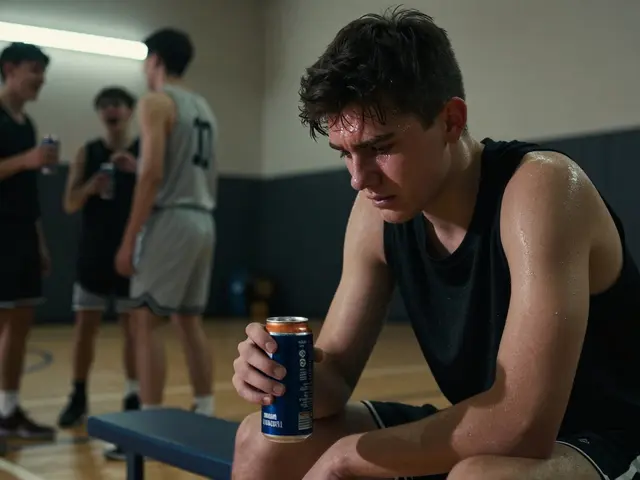
Your body is still developing. That’s why the Australian Medical Association and the American Academy of Pediatrics both warn against energy drinks for anyone under 18. Teen athletes often think Red Bull helps them train harder, but their nervous systems aren’t built to handle high doses of caffeine. Studies show teens who drink energy drinks regularly have higher rates of insomnia, anxiety, and irregular heartbeats. One 16-year-old soccer player in Brisbane was hospitalized after drinking two cans before a match-his heart rate hit 180 beats per minute. He didn’t have a pre-existing condition. His body just couldn’t cope. For young athletes, water, electrolyte drinks, and proper sleep are far safer performance boosters.
People with Anxiety or Sleep Disorders
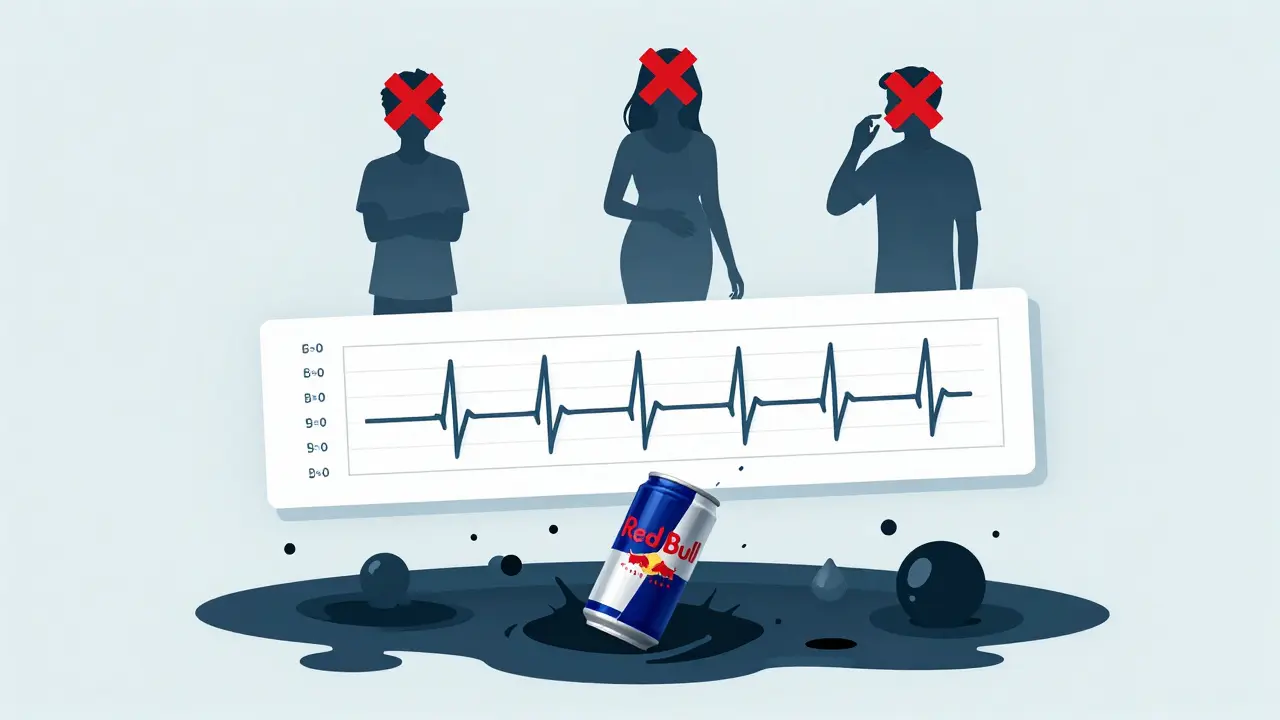
Red Bull doesn’t just wake you up-it can wreck your mental state. If you struggle with anxiety, panic attacks, or insomnia, caffeine is your enemy. Even if you think you "handle caffeine fine," energy drinks deliver a fast, concentrated hit that overwhelms your system. A 2024 survey of 1,200 Australian athletes found that 37% who drank energy drinks daily reported increased anxiety, and 52% said they had trouble sleeping even when they drank it in the morning. For someone already battling stress or sleep issues, Red Bull isn’t a performance aid-it’s a trigger. The sugar crash that follows makes it worse. You feel jittery, then exhausted. Then you reach for another can. It’s a cycle that breaks down mental resilience, not builds it.
Pregnant or Breastfeeding Women
Even if you’re an elite athlete and used to pushing your limits, pregnancy changes everything. The March of Dimes and the American College of Obstetricians and Gynecologists recommend limiting caffeine to under 200mg per day during pregnancy. One can of Red Bull hits 80mg, but many people drink more than one. And it’s not just caffeine. Taurine and other additives haven’t been studied enough in pregnancy to be considered safe. Breastfeeding mothers face similar risks-caffeine passes into breast milk and can make babies fussy, irritable, and sleepless. For moms, hydration, balanced meals, and rest are the real performance enhancers. No energy drink can replace them.
People with Kidney or Liver Problems
Your kidneys and liver are the filters that clean out caffeine and sugar. If those organs are already under stress from disease, diabetes, or chronic alcohol use, Red Bull adds more work they can’t handle. High sugar levels (27g per can) increase insulin spikes and strain the liver. Caffeine reduces blood flow to the kidneys, which can worsen function in people with chronic kidney disease. A 2022 case study from Queensland Health followed a 32-year-old man with early-stage fatty liver disease who drank two Red Bulls daily for six months. His liver enzymes jumped 40% in that time. He quit. His numbers improved in six weeks. If your liver or kidneys are compromised, skip the energy drink. There’s no shortcut around your body’s natural limits.
Those Who Already Get Enough Caffeine
Many athletes drink coffee in the morning, then grab a Red Bull before training. That’s a recipe for overload. The average coffee has 95mg of caffeine. Add Red Bull’s 80mg, and you’re over 175mg before lunch. The safe daily limit for most adults is 400mg-but if you’re already hitting 200mg from other sources, you’re cutting it too close. Over time, this leads to tolerance. You need more just to feel normal. And when you stop? Withdrawal hits hard: headaches, fatigue, irritability. Athletes who rely on caffeine for focus often don’t realize they’re masking poor sleep or nutrition. Real energy comes from rest, not chemicals.
What Should You Drink Instead?
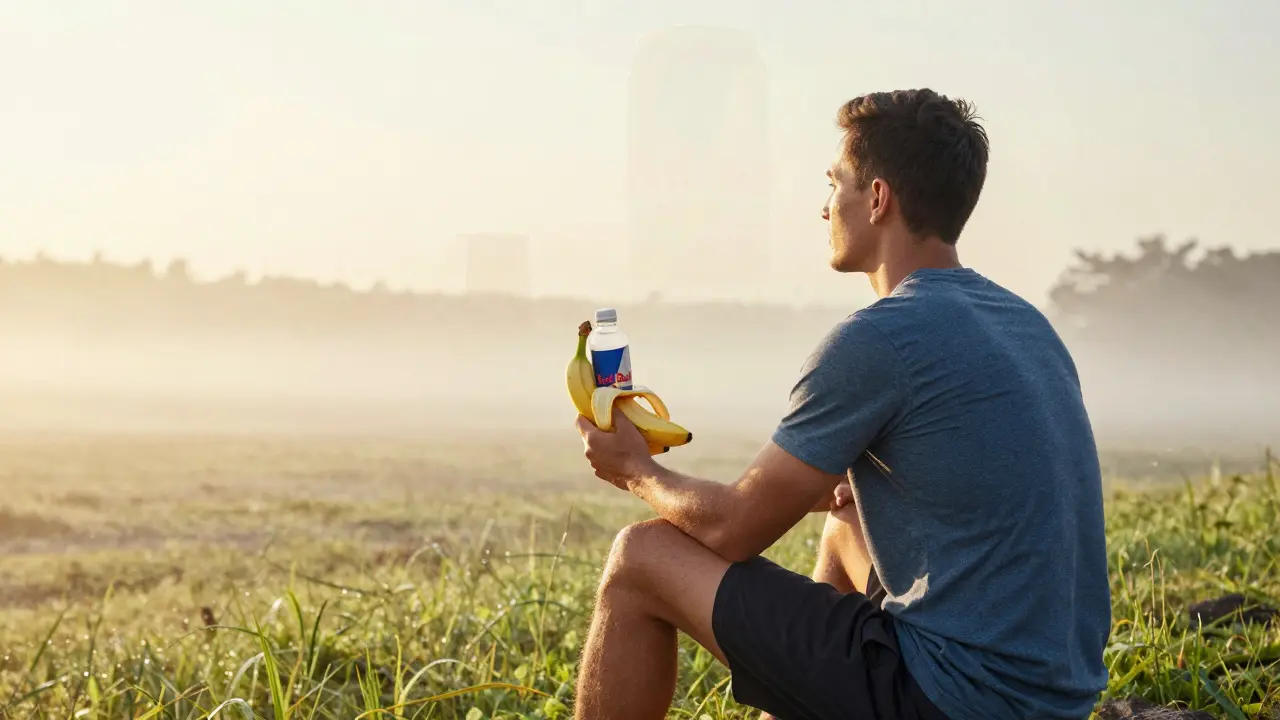
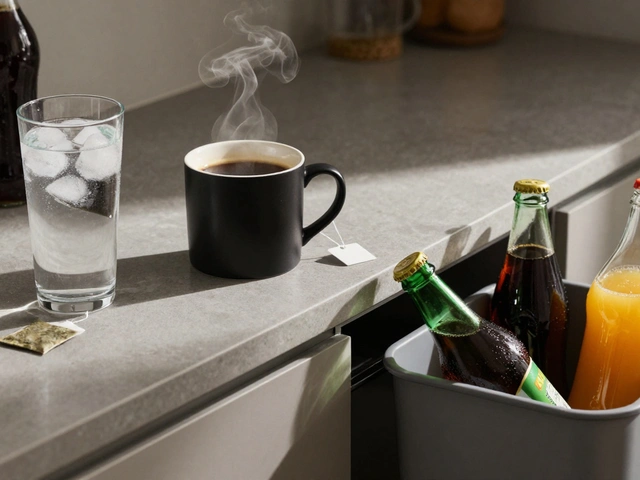
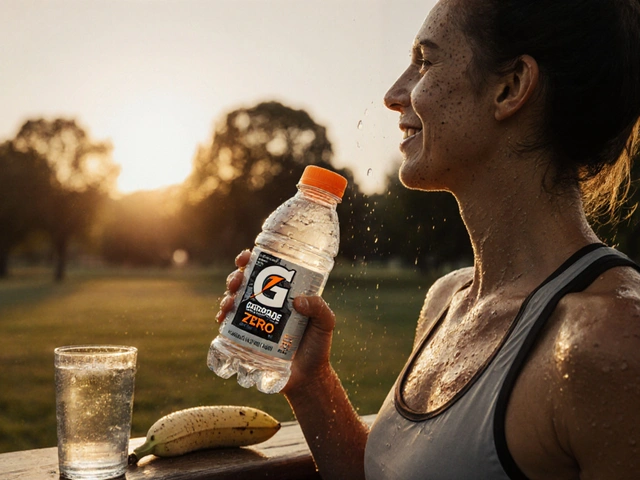
If you’re an athlete looking for real performance gains, skip the synthetic boost. Water is still the best performance enhancer. For longer workouts, try electrolyte drinks with no added sugar or caffeine. Coconut water works surprisingly well-it has natural potassium and magnesium. Bananas before a workout give you steady energy without the crash. And if you need mental sharpness, try green tea. It has L-theanine, which calms your nervous system while keeping you alert. No jitters. No crash. Just clean focus.
Final Thought: Listen to Your Body
Red Bull isn’t evil. For some healthy adults, one can occasionally won’t hurt. But if you’re pushing your body hard, you owe it to yourself to know your limits. The goal isn’t to feel wired-it’s to perform at your best, safely, and sustainably. If you feel your heart racing after one can, if you can’t sleep, if you’re anxious, if you’re on medication, if you’re under 18, if you’re pregnant-don’t drink it. There’s no trophy worth risking your health.
Can athletes drink Red Bull before a competition?
Some athletes do, but it’s risky. For healthy adults without heart issues or caffeine sensitivity, one can 30-60 minutes before a short, high-intensity event (like a 100m sprint or a 45-minute soccer match) might help with alertness. But for endurance events, the sugar crash and dehydration risk make it a poor choice. Most sports dietitians recommend water, electrolytes, and easily digestible carbs instead.
Is Red Bull worse than coffee for athletes?
It depends. Coffee has more caffeine per serving and less sugar, making it a cleaner stimulant. Red Bull adds sugar, taurine, and B-vitamins, which can cause faster spikes and crashes. Coffee also has antioxidants. For athletes, black coffee is often the better choice-unless you’re sensitive to caffeine. Then, neither is ideal.
Does Red Bull help with muscle recovery?
No. Red Bull contains no protein, electrolytes, or anti-inflammatory compounds that aid recovery. The sugar might give a quick energy boost, but it doesn’t repair muscle tissue. In fact, high sugar intake after exercise can delay recovery by increasing inflammation. Post-workout, focus on water, protein, and complex carbs-not energy drinks.
How long does Red Bull stay in your system?
Caffeine from Red Bull peaks in your blood within 30-60 minutes and has a half-life of about 5 hours. That means half of it is still in your body 5 hours later. For some people, especially those with slower metabolism or liver issues, it can linger for up to 10 hours. That’s why drinking it after 2 p.m. can ruin sleep-even if you don’t feel jittery.
Is sugar-free Red Bull safer for athletes?
It’s slightly better because it removes 27g of sugar, but it still has 80mg of caffeine and artificial sweeteners like aspartame. Some athletes report stomach upset or headaches from these sweeteners. The caffeine still raises heart rate and blood pressure. Sugar-free doesn’t mean safe-it just removes one risk. For performance, it’s still not the best choice.


Comments (8)
Adithya M
14 Mar 2026
This post is spot on. I’ve seen guys in my gym chug Red Bull like it’s water, then crash hard and get dizzy during lifts. One dude passed out on the bench-no joke. Caffeine isn’t magic. It’s a stimulant. And if you’re already drinking coffee, adding Red Bull is just asking for a heart palpitation party. Stop pretending it’s a performance enhancer. It’s a sugar-coated gamble.
Jessica McGirt
15 Mar 2026
I appreciate how thoroughly this is laid out. As a sports dietitian, I see this daily. The myth that energy drinks = better performance is rampant, especially in high school athletics. The science is clear: hydration, sleep, and whole-food carbs outperform any synthetic blend. Red Bull doesn’t build endurance-it creates dependency. And for teens? It’s a neurological risk with zero upside. We need better education, not more cans.
Donald Sullivan
16 Mar 2026
Yeah right. Like anyone cares what some ‘study’ says. I’ve been drinking Red Bull before every game since I was 16 and I’m 28 now-no issues. You’re all just scared of caffeine because you’re weak. My heart’s fine. My stats are elite. You’re just mad you can’t handle it. Chill out. It’s not poison. It’s fuel.
Tina van Schelt
17 Mar 2026
I’ve been on the other side of this-drank two Red Bulls before a marathon because I thought I ‘needed’ the boost. Ended up in a bathroom stall at mile 18, sweating bullets, heart hammering like a jackhammer. Felt like my chest was trying to escape my ribs. Didn’t finish. Just sat there, shaking, wondering why I thought this was a good idea. The crash? Oh, it wasn’t just physical. It was emotional. Like I’d betrayed my body. Never again. Water. Banana. Sleep. That’s the real MVP trio. 🍌💧😴
Ronak Khandelwal
19 Mar 2026
We treat energy drinks like they’re vitamins, but they’re more like emotional band-aids for sleep-deprived lives. 🤔 We’re not training harder-we’re just masking burnout with sugar and caffeine. The real question isn’t ‘who shouldn’t drink Red Bull?’ It’s ‘why are we so desperate to feel alive through a can?’ Maybe we need to ask ourselves: what if we just rested? What if we trusted our bodies instead of chasing artificial highs? 🌿✨
Jeff Napier
21 Mar 2026
All this ‘science’ is just Big Pharma pushing water. They don’t want you to know Red Bull is a government-approved performance enhancer. Caffeine is natural. Taurine is in your body already. They’re scared because if athletes use this, they won’t need their $500 ‘recovery supplements.’ Wake up. The system wants you weak. Drink the can. Fight back. 🤫⚡
Jamie Roman
21 Mar 2026
I’ve coached youth athletes for over a decade, and I can tell you-this post doesn’t go far enough. It’s not just about heart risks or caffeine. It’s about identity. Many kids think drinking Red Bull makes them ‘serious’ athletes. They equate energy drinks with toughness. But real toughness is discipline. It’s choosing a banana over a can. It’s going to bed at 10 p.m. instead of scrolling till 2 a.m. and then chugging caffeine to ‘get through’ practice. The real performance boost isn’t chemical-it’s consistency. Sleep. Nutrition. Recovery. These aren’t optional extras. They’re the foundation. And we’re teaching kids to build their careers on sand. We need to change the culture, not just list risks.
Salomi Cummingham
23 Mar 2026
I read this and cried. Not because it was sad-but because it was true. I used to be the girl who popped open a Red Bull before every track meet. ‘Need the edge,’ I’d say. Then I got diagnosed with anxiety. My coach made me track my intake. The correlation was horrifying: every time I drank it, my panic attacks spiked. I stopped. I started drinking ginger tea with honey. I slept. I ate real food. And guess what? I ran my personal best-without a single can. It wasn’t the drink that made me fast. It was the calm. And that? That’s the real secret. 💛