
Who Should Not Drink Energy Drinks? Key Risks for Certain Groups
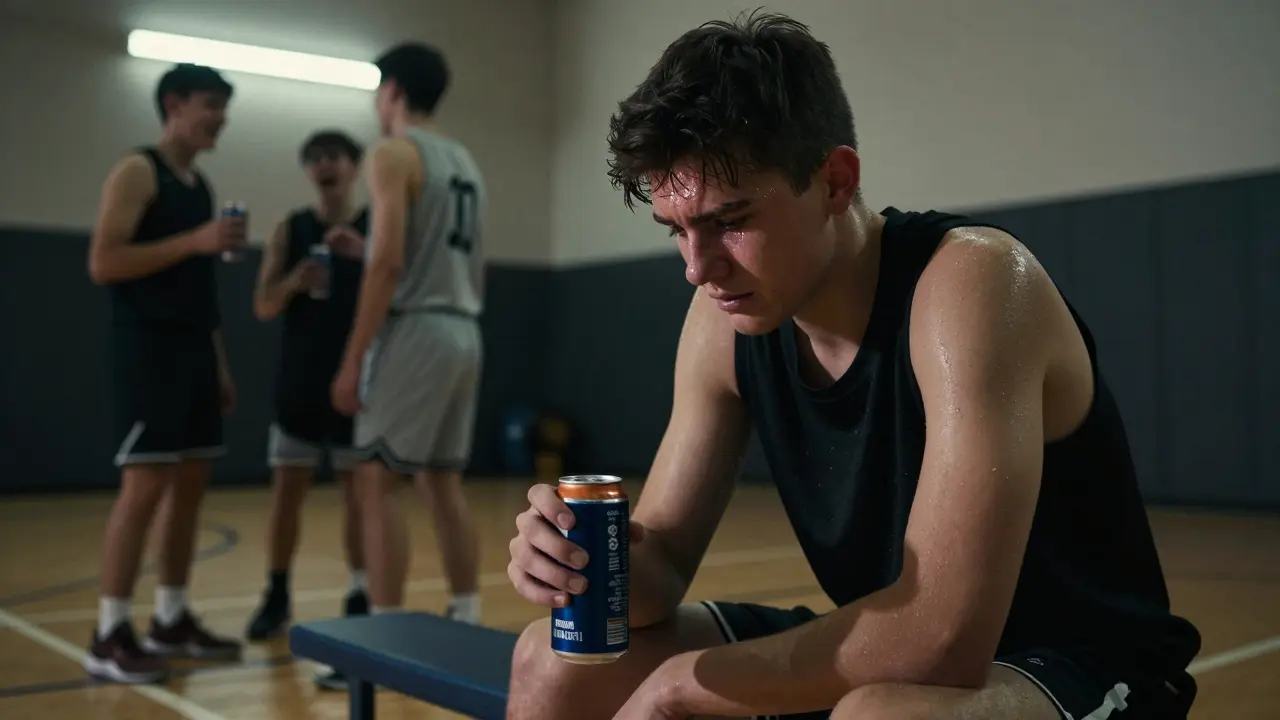
Energy drinks are everywhere-gym bags, locker rooms, pre-game rituals. They promise a quick boost, and for many athletes, that boost feels real. But not everyone should reach for one. Some people face real, serious risks just by drinking what others see as harmless fuel. If you’re an athlete, a parent, or someone who’s ever felt jittery after one sip, this matters.
Teens and young adults under 18
Energy drinks are marketed like sports drinks, but they’re not. A single can often contains 150 to 200 milligrams of caffeine-equivalent to two strong cups of coffee. For teens, whose brains are still developing, that much caffeine can disrupt sleep cycles, raise blood pressure, and even affect heart rhythm. The American Academy of Pediatrics says energy drinks have no place in adolescent nutrition. Studies from the CDC show emergency room visits linked to energy drinks jumped 1,000% between 2007 and 2011, mostly in kids under 18. Even if they’re not playing a sport, their bodies aren’t built to handle this kind of chemical load.
People with heart conditions
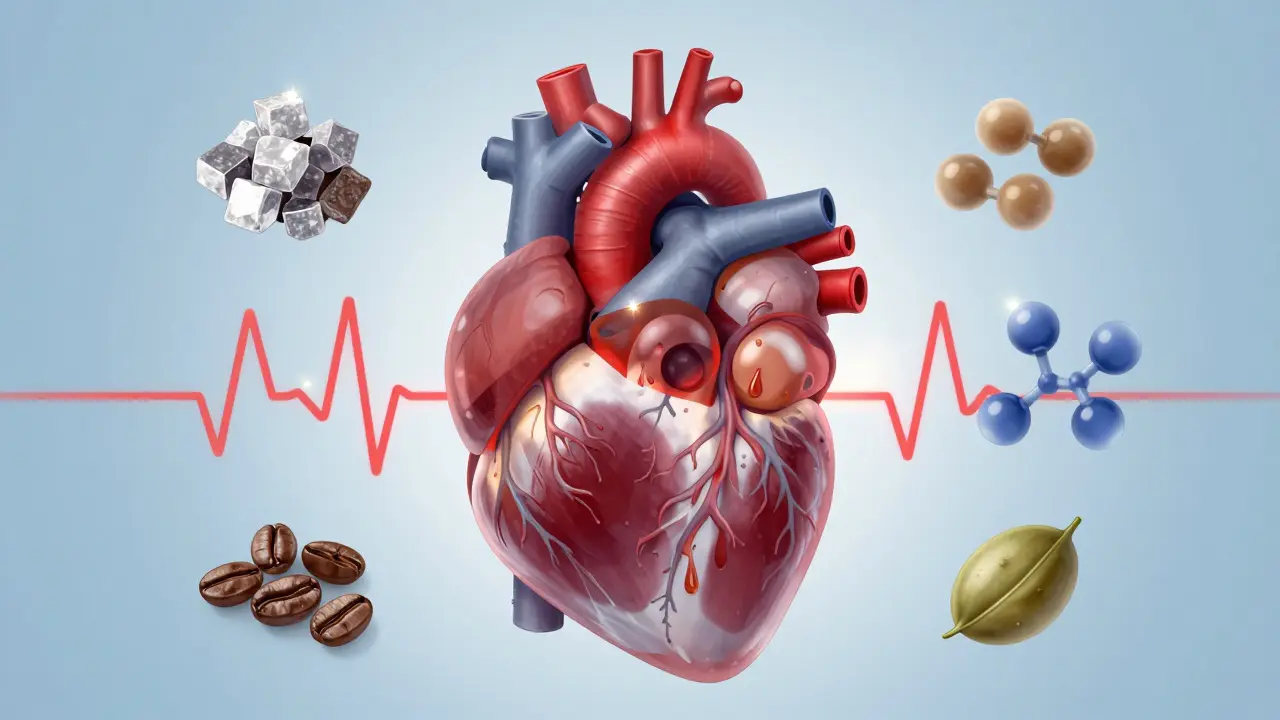
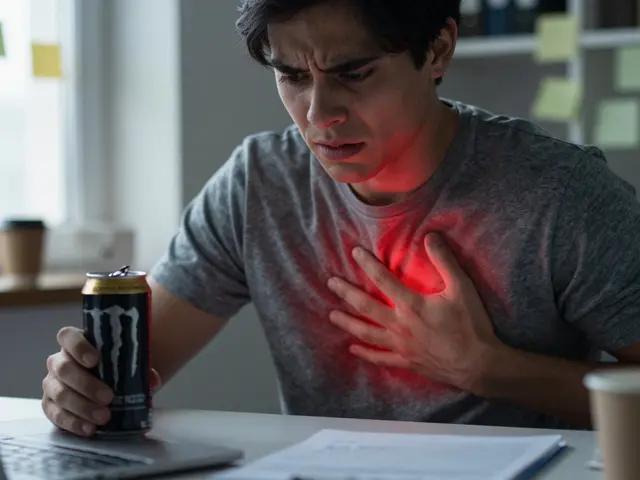
If you’ve been told you have arrhythmia, hypertension, or a history of heart attack, energy drinks are not a recovery drink-they’re a risk. Caffeine and stimulants like guarana, taurine, and synephrine can spike adrenaline, tighten blood vessels, and force your heart to work harder. In 2023, a study in the Journal of the American Heart Association found that people with known heart rhythm disorders had a 34% higher chance of dangerous arrhythmias within 4 hours of consuming an energy drink. That’s not a coincidence. Your heart doesn’t need a jolt. It needs rest, hydration, and steady fuel-not a chemical explosion.
Those taking certain medications
Many common drugs interact badly with the ingredients in energy drinks. Antidepressants like SSRIs, ADHD meds like Adderall, and even some antibiotics can amplify caffeine’s effects. Mixing energy drinks with stimulant medications can push heart rates into dangerous territory. One case reported in the British Medical Journal described a 22-year-old on methylphenidate who suffered a heart attack after drinking two energy drinks before a workout. He thought he was just being productive. He wasn’t. He was stacking risks. Always check with your doctor if you’re on prescription meds-even if they seem unrelated.
People with anxiety or sleep disorders
Energy drinks don’t just wake you up-they can make anxiety worse. Caffeine blocks adenosine, a brain chemical that helps you relax. For someone already battling panic attacks, generalized anxiety, or insomnia, that’s like pouring gasoline on a fire. A 2024 survey of 2,000 adults with diagnosed anxiety disorders found that 68% reported increased panic symptoms within an hour of consuming an energy drink. Even if you don’t feel nervous, your nervous system does. If you struggle to sleep, don’t blame your phone. Blame the 3 p.m. energy drink that’s still in your system at midnight.
Pregnant or breastfeeding women
There’s no safe threshold for caffeine during pregnancy. The March of Dimes and the American College of Obstetricians and Gynecologists recommend limiting caffeine to under 200 mg per day. Most energy drinks blow past that in one serving. Beyond caffeine, other ingredients like herbal extracts, high-dose B vitamins, and artificial sweeteners haven’t been tested for safety in pregnancy. One study tracking 1,200 pregnant women found a 30% higher risk of low birth weight in those who drank energy drinks regularly. And if you’re breastfeeding? That caffeine passes through your milk. Your baby’s tiny liver can’t process it the way yours can. It’s not worth the gamble.
People with kidney problems
Your kidneys filter out the toxins in energy drinks-sugar, artificial flavors, excess sodium, and stimulants. If your kidneys are already struggling, that’s a heavy burden. A 2022 study in the Journal of Nephrology showed that people with chronic kidney disease who consumed energy drinks had a 45% faster decline in kidney function over 12 months compared to those who avoided them. The high sugar and sodium content can also raise blood pressure, which further damages kidney tissue. If you’ve been told to cut back on soda or salt, energy drinks are just a more aggressive version of the same problem.
Those who drink them to replace water or recovery fluids
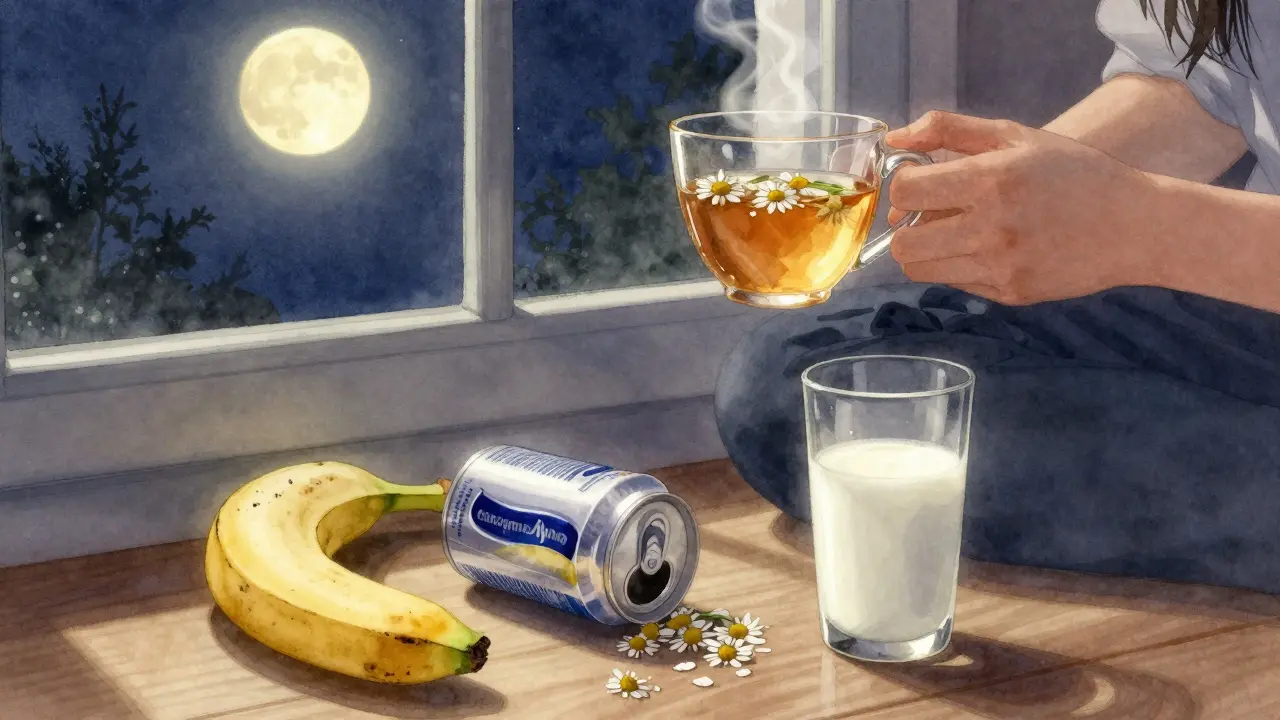
Hydration is the foundation of athletic performance. Energy drinks are not hydration tools. They’re diuretics-meaning they make you lose more fluid than you take in. Drinking one after a workout doesn’t help you recover. It delays it. Electrolytes in energy drinks are often out of balance-too much sodium, not enough potassium. Real recovery needs water, sodium, potassium, magnesium, and carbs in the right ratios. A banana and a glass of milk does more for your muscles than a $4 energy drink. If you’re using energy drinks because you think they’re helping you recover, you’re actually hurting your progress.
People with a history of substance abuse
Energy drinks can act as a gateway to dependency. The rush they create-heart pounding, focus sharpened, mood lifted-is similar to how stimulants like cocaine or meth feel, just less intense. For people recovering from addiction, that chemical trigger can be dangerous. A 2021 study from the University of Michigan found that 1 in 4 people in recovery from stimulant addiction relapsed after reintroducing energy drinks into their routine. The brain remembers the high. It doesn’t care if the source is legal or sold in a can.
What to drink instead
If you need energy, there are safer, smarter ways. For athletes: water with a pinch of salt and a squeeze of lemon. For pre-workout fuel: a banana with peanut butter. For recovery: chocolate milk (yes, really-it has the right carb-to-protein ratio). For mental focus: green tea (it has L-theanine to calm the caffeine jitter). For sleep: magnesium supplements or a warm drink with tart cherry juice. These don’t come with warning labels. They don’t come with a price tag that makes your heart race.
Final thought
Energy drinks aren’t evil. For healthy adults, occasional use is fine. But they’re not performance enhancers. They’re chemical shortcuts. And shortcuts often lead to dead ends. If you’re asking whether you should drink one, the answer might be: you shouldn’t. Listen to your body. It’s smarter than the marketing.
Can energy drinks cause heart problems in healthy people?
Yes. Even healthy people can experience elevated heart rate, high blood pressure, or irregular heart rhythms after consuming energy drinks, especially if they’re consumed in large amounts or combined with exercise. A 2023 study in the Journal of the American Heart Association found that healthy young adults who drank one energy drink before a workout had a 22% increase in blood pressure and a 14% spike in heart rate compared to those who drank water. These changes are temporary, but repeated exposure can strain the cardiovascular system over time.
Are sugar-free energy drinks safer?
Not necessarily. Sugar-free versions often replace sugar with artificial sweeteners like aspartame or sucralose, which can still trigger insulin responses and may affect gut health. More importantly, they still contain high levels of caffeine and stimulants like taurine and guarana. The lack of sugar doesn’t reduce the risk to your heart, nervous system, or sleep. In fact, some studies suggest people consume more of these drinks because they think they’re "healthier," leading to higher overall caffeine intake.
Is it okay to drink energy drinks before a workout?
For healthy adults who rarely consume them, one energy drink before a workout may be acceptable. But it’s not ideal. The stimulants can increase heart strain during intense exercise, and the diuretic effect may lead to dehydration. Better alternatives include a small amount of black coffee (no sugar) 30 minutes before training, or a banana with a handful of nuts. These give you steady energy without the crash or cardiovascular stress.
How long does caffeine from energy drinks stay in your system?
Caffeine from energy drinks typically takes about 5 hours for half of it to leave your body-this is called its half-life. For some people, especially those with slower metabolism or liver issues, it can take up to 10 hours. That means a drink consumed at 4 p.m. can still affect your sleep at midnight. Children and teens metabolize caffeine even slower, which is why sleep disruption is so common in young users.
Do energy drinks improve athletic performance?
They may give a short-term mental boost, but they don’t enhance strength, endurance, or recovery. The caffeine can slightly delay fatigue in endurance sports, but the sugar crash, dehydration, and heart strain often cancel out any benefit. Real performance gains come from consistent training, proper nutrition, hydration, and sleep-not a can with a logo. Athletes who rely on energy drinks often see declining results over time because they’re masking fatigue instead of fixing it.
Comments (12)
Mongezi Mkhwanazi
7 Mar 2026
Let me be perfectly clear: energy drinks are not a beverage-they’re a pharmacological experiment with a label. I’ve seen teenagers collapse in gym class after downing two cans, and no, it wasn’t "just caffeine." It was a perfect storm of taurine, guarana, synephrine, and sugar-each compound acting like a tiny hammer on their developing nervous systems. The CDC data isn’t a suggestion; it’s a warning siren. And yet, schools still sell them in vending machines. Why? Because profit doesn’t care about neurodevelopment. I’ve written to every school board in my region. No one listens. But I’ll keep writing. Someone has to.
Gareth Hobbs
9 Mar 2026
energy drinks? pfft. its all a government psyop to make us weak. they dont want us to be alert. why? because alert people ask questions. look at the ingredients list-guarana? taurine? theyre all code for mind control additives. the real reason they banned them in france? because the EU knows. theyre testing on us. and dont get me started on the sugar-free ones-artificial sweeteners are just worse. aspartame turns your brain into jelly. i read this on a forum. its science. trust me. i know things.
Zelda Breach
9 Mar 2026
Let’s not pretend this is groundbreaking. The AAP has been saying this for two decades. The fact that people still drink these things like they’re vitamin water speaks to a cultural failure of basic biology education. And the "sugar-free" myth? That’s not a product innovation-that’s marketing malpractice. You think replacing sugar with sucralose makes it safer? No. It just makes you feel less guilty while your sympathetic nervous system is being pummeled. Also, "chocolate milk for recovery"? Please. That’s like saying "a banana is a better car than a Tesla." It’s technically true, but you’re ignoring the entire context of performance science.
Alan Crierie
11 Mar 2026
Hi everyone, I just wanted to say thank you for this thoughtful post. It’s rare to see such a balanced, evidence-based breakdown without judgment. I’m a nurse in Manchester, and I’ve seen too many young patients come in with palpitations after energy drinks. One 16-year-old girl thought she needed it to "study harder"-she was pulling all-nighters, then drinking two cans. Her heart rate hit 168 bpm. She didn’t know it was dangerous. We need more education-not fear. Maybe schools should have a 10-minute talk on this during health class. I’d volunteer. We’re not here to shame people. We’re here to help them understand.
Nicholas Zeitler
12 Mar 2026
YES. YES. YES. I’ve been coaching high school athletes for 18 years. I’ve had kids come in with chest pain after energy drinks. I’ve had parents tell me, "But my son needs it to stay focused." No. He doesn’t. He needs sleep. He needs protein. He needs a banana. I don’t care how much money the brands spend on ads-they’re not helping. I make my team sign a contract: no energy drinks during season. We’ve seen fewer injuries, better grades, and more sleep. It’s not magic. It’s biology. And it works. If you’re still using these, you’re not being smart-you’re being marketed to.
Teja kumar Baliga
12 Mar 2026
Very true. In India, we have "Indian energy drinks" with ayurvedic herbs-but same problem. Too much caffeine. Kids drink them before exams. I tell them: drink coconut water. It’s natural. It’s cheap. It’s better. Simple.
k arnold
13 Mar 2026
Wow. A 2000-word essay on why energy drinks are bad. And yet, people still buy them. Shocking. Maybe the real issue is that humans are dumb.
Tiffany Ho
15 Mar 2026
I never realized how much caffeine was in these until I started having panic attacks. I thought it was stress. Turns out it was the 3 p.m. drink. I quit cold turkey. My sleep improved. My anxiety dropped. I feel like a new person. I’m not saying everyone should quit. But if you’re feeling off, maybe try going without for a week. You might be surprised.
michael Melanson
15 Mar 2026
I used to drink them before workouts. Thought I was being productive. Then I had a resting heart rate of 110. My doctor said "stop." I did. My recovery time improved. My endurance improved. I didn’t lose energy. I just stopped poisoning myself. It’s not a myth. It’s science.
Kenny Stockman
16 Mar 2026
Yeah I get it. But honestly? Sometimes you just need a boost. I’m not a teen. I’m not on meds. I’m not pregnant. I’m just a guy who works 60 hours a week and needs to stay awake. One can a week? Fine. Two? Maybe. But I’m not gonna give up my one guilty pleasure because some guy in a lab coat says so. It’s not the drink. It’s the habit. And I’ve got a habit of sleeping 5 hours a night. That’s the real problem.
Antonio Hunter
18 Mar 2026
There’s a deeper layer here that isn’t being discussed. Energy drinks aren’t just about caffeine-they’re about identity. For many young people, especially in marginalized communities, drinking an energy drink is a ritual of autonomy. It’s a way to say, "I’m not a child anymore." The marketing taps into that. And when we pathologize the drink without addressing the underlying need for agency, dignity, or control, we’re not solving anything-we’re just adding shame. The real solution isn’t banning them. It’s creating spaces where young people feel seen, heard, and empowered without needing a chemical crutch. That’s harder. But it’s necessary.
Paritosh Bhagat
18 Mar 2026
Let me tell you something. I am a doctor. I have seen too many young people with arrhythmias. I have seen children with kidney failure because of energy drinks. I have seen mothers who drank these while pregnant and gave birth to underweight babies. And yet, people still say "it’s just caffeine." No. It’s not. It’s a slow poison wrapped in neon branding. If you are still drinking these, you are not just risking your health-you are risking your future. And for what? A 30-minute buzz? I am not angry. I am heartbroken. Please stop.