
The Unhealthiest Energy Drink: What to Avoid and Why
Most of us reach for a can when we're hitting a wall at 3 PM or pulling an all-nighter. But have you ever looked at the back of the can and wondered if you're basically drinking liquid lightning and syrup? While no single brand officially holds a trophy for being the "worst," the danger isn't usually one specific name-it's a lethal combination of ingredients that can push your body into a state of crisis. If you're looking for the unhealthiest energy drink, you need to look for the 'triple threat': massive sugar loads, synthetic stimulants, and a total lack of regulation.
The Quick Verdict: What Makes a Drink Dangerous?
- Sugar Spikes: Anything with over 50g of sugar per serving.
- Caffeine Overload: Concentrations exceeding 200mg per 8oz.
- Synthetic Additives: High doses of taurine and glucuronolactone without clear guidance.
- Acidic Profiles: Low pH levels that erode tooth enamel instantly.
The Anatomy of a "Worst-Case" Energy Drink
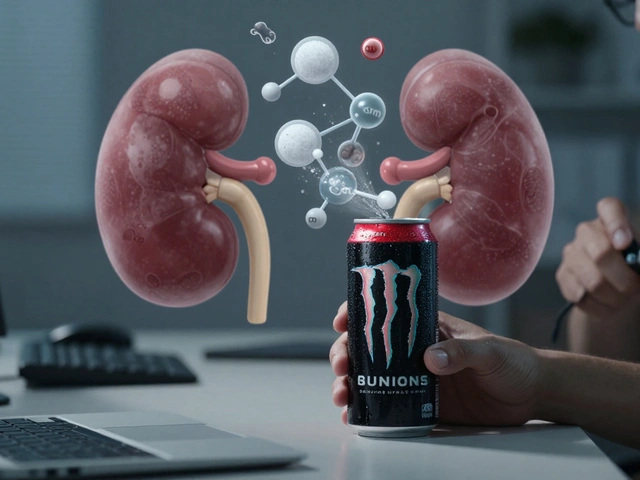
To find the unhealthiest option, we have to define what "unhealthy" means in this context. It's not just about calories. It's about how the drink messes with your Homeostasis, which is the process by which biological systems maintain stability while adjusting to conditions. When you dump 60 grams of sugar and 300 milligrams of caffeine into your bloodstream at once, you aren't just waking up; you're triggering a systemic shock.
Consider the classic high-sugar formulations. Some budget brands in international markets pack enough sugar to equal 15 teaspoons per can. This doesn't just lead to weight gain; it triggers a massive release of Insulin, the hormone produced by the pancreas to regulate glucose levels in the blood. Over time, doing this daily can lead to insulin resistance, the precursor to type 2 diabetes.
The Caffeine Ceiling and Heart Risks
Caffeine is the engine of every energy drink, but there's a point where it stops being a tool and starts being a toxin. The FDA (Food and Drug Administration) generally suggests a limit of 400mg of caffeine per day for healthy adults. However, some "extreme" energy drinks pack nearly 300mg into a single small serving. If you drink two of these, you've already crossed the safety threshold.
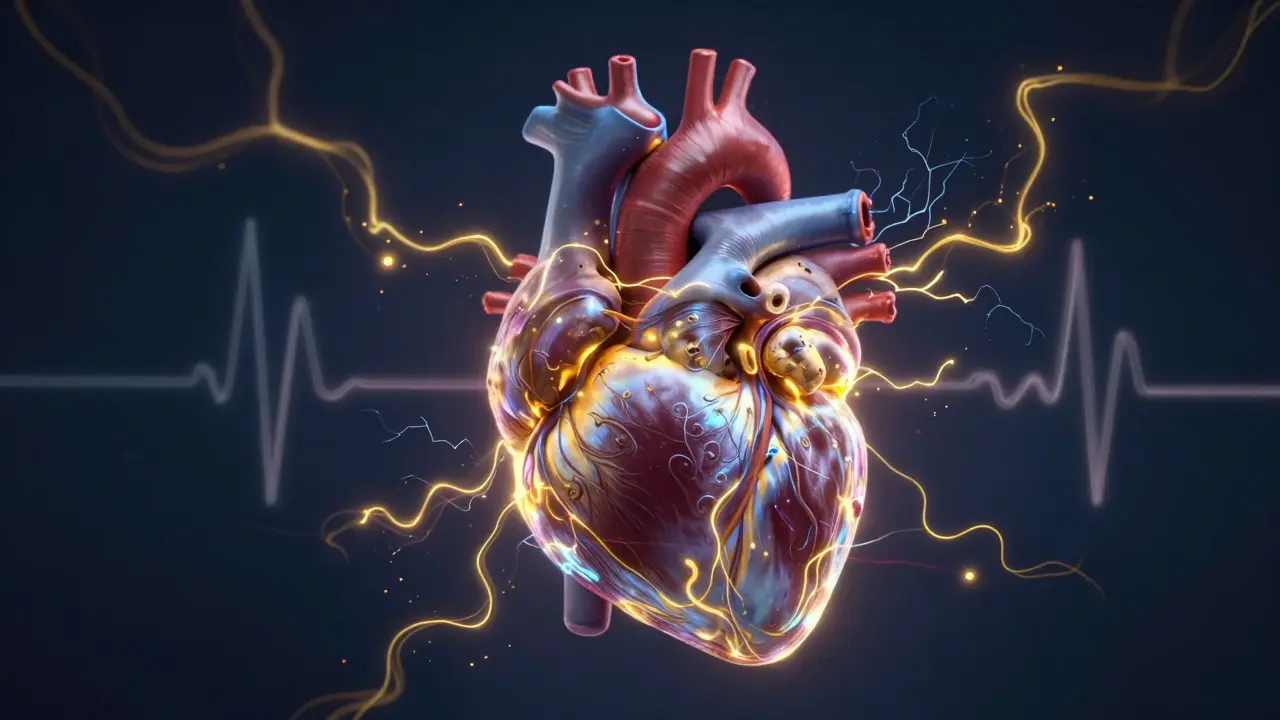
When caffeine levels spike too high, they interact with Adenosine, a neurotransmitter that promotes sleep and suppresses arousal. By blocking adenosine, these drinks keep you awake, but they also increase your heart rate and blood pressure. In severe cases, this can lead to cardiac arrhythmias-irregular heartbeats that can be fatal for people with underlying heart conditions they might not even know they have.
| Ingredient | Common Value | Health Impact | Risk Level |
|---|---|---|---|
| Caffeine | 160mg - 300mg | Increased heart rate, anxiety | High |
| High Fructose Corn Syrup | 40g - 60g | Insulin spikes, weight gain | High |
| Taurine | 1,000mg+ | Varies; potential heart stress | Medium |
| Citric Acid | High levels | Dental enamel erosion | Medium |
The Hidden Danger of "Sugar-Free" Versions
You might think switching to a zero-sugar version makes it the healthiest choice. That's a dangerous assumption. Sugar-free drinks replace sucrose with Artificial Sweeteners, such as aspartame or acesulfame potassium. While they save you from the sugar crash, they don't fix the caffeine problem. In fact, some studies indicate that artificial sweeteners can confuse your gut microbiome, potentially leading to metabolic issues that are just as bad as the sugar ones.
Furthermore, sugar-free drinks are often more acidic. Without the sweetness of sugar to balance the taste, manufacturers lean heavily on acids to prevent the drink from tasting like chemicals. This makes these drinks a nightmare for your teeth. If you sip a sugar-free energy drink over two hours, you are essentially bathing your teeth in an acid bath, stripping away the protective enamel.
The Synergy Effect: Why the Mix is Worse Than the Parts
The real "unhealthiest" part of these drinks isn't just one ingredient-it's how they work together. This is called synergy. When you combine high doses of caffeine with Taurine (an amino acid that supports neurological development and regulates water and mineral levels in the blood) and Guarana (a plant seed containing a high concentration of caffeine), you create a stimulant cocktail that overloads the central nervous system.
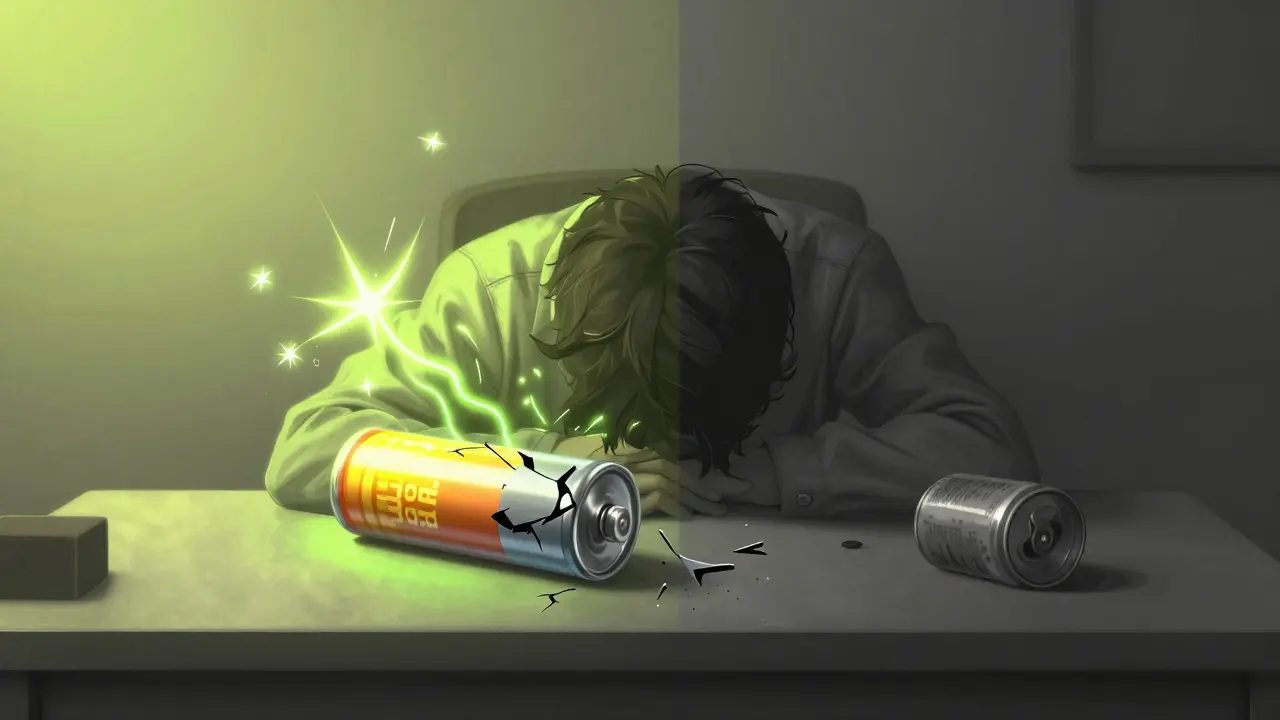
This cocktail can lead to a phenomenon known as the "energy drink crash." Once the caffeine wears off and the insulin has cleared the sugar from your blood, your energy levels don't just return to normal-they plummet. This leaves you feeling more exhausted than you were before you drank the can, creating a cycle of dependency where you need another drink just to function.
Who is Most at Risk?
For a healthy 30-year-old, one can of a high-stimulant drink is a temporary jolt. But for others, it's a medical emergency. Teenagers are particularly vulnerable because their brains are still developing, and high caffeine intake can interfere with sleep patterns and emotional regulation. Similarly, people with hypertension (high blood pressure) can experience a dangerous surge in pressure that puts them at immediate risk of a stroke.
There's also the danger of mixing these drinks with alcohol. This is a common practice at parties, but it's incredibly risky. Alcohol is a depressant, while energy drinks are stimulants. This "wide-awake drunk" state masks the body's natural signals that it's had too much to drink, leading people to consume dangerous amounts of alcohol without feeling the typical sedation.
How to Spot the Red Flags on a Label
If you're at the store and trying to figure out if a drink is among the unhealthiest, ignore the flashy marketing. Look at the nutrition facts panel. If you see a "proprietary blend," be wary. This is a legal loophole that allows companies to hide the exact amounts of stimulants they're using. A transparent company will tell you exactly how many milligrams of each ingredient are present.
Watch out for the "serving size" trick. Some cans are 16 ounces but are labeled as "two servings." If the sugar says 30g, it's actually 60g for the whole can. Always multiply the numbers by the number of servings per container to get the real truth about what you're putting in your body.
Can energy drinks cause permanent heart damage?
While a single drink rarely causes permanent damage in a healthy person, chronic use of high-caffeine drinks can lead to hypertension and an enlarged heart (left ventricular hypertrophy). In rare cases, excessive intake has been linked to sudden cardiac arrest, especially in those with undiagnosed heart conditions.
Is there such a thing as a "healthy" energy drink?
"Healthy" might be a stretch, but some are better. Look for drinks based on green tea extract (L-theanine) and natural caffeine sources with less than 10g of sugar. Avoid anything that lists "proprietary blends" or exceeds 200mg of caffeine per serving.
Why do I feel a "crash" after drinking one?
The crash happens because of the sugar-insulin cycle. The high sugar content causes your insulin to spike, which clears the glucose from your blood rapidly. When your blood sugar drops below baseline, you feel fatigued, irritable, and foggy-this is the "sugar crash." Simultaneously, the caffeine begins to wear off, letting all the blocked adenosine hit your brain at once.
Are the vitamins in energy drinks actually useful?
Most energy drinks boast high percentages of B-vitamins. While B-vitamins are essential, taking them in massive, synthetic doses doesn't actually give you more energy unless you have a deficiency. For most people, these "mega-doses" are simply excreted in urine, meaning they add no real value to the drink.
What is a safer alternative to energy drinks?
Black coffee or green tea provides a similar caffeine boost without the massive sugar loads or synthetic additives. For a non-caffeine boost, drinking a full glass of water and taking a 10-minute walk often clears brain fog more effectively than a chemical stimulant.
Final Thoughts on Choosing Your Boost
The unhealthiest energy drink isn't a brand name; it's any drink that treats your body like a chemistry experiment. When you prioritize raw power over ingredient quality, you're trading long-term health for a short-term buzz. Next time you're tempted, check the sugar, question the "blend," and remember that your heart doesn't have an undo button.


Comments (12)
Rahul U.
5 Apr 2026
It is truly fascinating to see how these ingredients interact with our biological systems 🧪. I have always been curious about the long-term effects of taurine on the heart, and this provides some great clarity ✨!
E Jones
5 Apr 2026
Wake up sheeple! You think it's just about 'sugar' and 'caffeine' when in reality these corporate behemoths are likely pumping these neon-colored sludge cans full of experimental mind-control agents and synthetic polymers designed to keep us in a state of permanent, jittery submission while they harvest our biometric data through the sheer frequency of the chemicals vibrating in our veins, and honestly, the 'proprietary blend' is just a fancy code word for 'government-funded neuro-toxin' that they're testing on the youth to see how much stress a human heart can take before it literally pops like a balloon in a corporate boardroom experiment!
Barbara & Greg
5 Apr 2026
The consumption of such substances is a testament to the moral decay of modern society. We have traded the sanctity of a disciplined mind for a fleeting, chemical illusion of productivity. It is an affront to the natural order and a failure of personal willpower.
selma souza
6 Apr 2026
The lack of precision in some of these industry labels is an absolute disgrace. It is nearly impossible for the average consumer to make an informed decision when companies employ such deceptive serving size tactics to mask the actual caloric and chemical intake.
Frank Piccolo
8 Apr 2026
Typical. Only in America do we find a way to turn a drink into a heart attack in a can. Absolute garbage.
David Smith
9 Apr 2026
Omg I literally had one of these yesterday and I felt like my heart was going to jump out of my chest! Total nightmare! Why is this even legal?? I'm actually shaking just thinking about it 😱
Lissa Veldhuis
9 Apr 2026
everyone thinks they can handle the jitters but your gut biome is basically screaming in agony while you sip that chemical soup lmao. honestly just drink some water and stop pretending you need a spark plug in your stomach to wake up
Jen Kay
10 Apr 2026
Oh, wonderful. Another reminder that we are all slowly poisoning ourselves for the sake of a 3 PM deadline. Truly a peak human achievement.
Abert Canada
10 Apr 2026
Seriously though, the stuff they sell in the US is way worse than what we get up here in Canada. Total madness.
Xavier Lévesque
11 Apr 2026
Wow, imagine actually needing a drink to be motivated. Some of us just call that 'having a job'.
Thabo mangena
12 Apr 2026
It is most encouraging to find information that empowers the individual to make healthier lifestyle choices. I believe that with such knowledge, we can all strive toward a more vibrant and healthy future together.
Karl Fisher
13 Apr 2026
I only drink artisanal cold brew now, obviously. These canned concoctions are simply too pedestrian for a refined palate, though I do appreciate the dramatic way this post describes the 'systemic shock' lol!